Journal Guide
Things People Do That Cats Quietly Dislike
Short answer
Most cats dislike being picked up on your schedule, being stared at, having their litter box, bowls or bed moved, strong scents, and being petted past the point where they have had enough. The pattern to break is doing things to a cat rather than letting the cat opt in.
Cats complain quietly
A cat who dislikes something rarely makes a scene. They leave, they stop using a spot, they stop coming when you sit down, or they start doing something inconvenient like urinating by the back door. By the time you notice, the habit has usually been forming for weeks.
Nearly all of it comes down to one thing: cats want to opt in. The same interaction they enjoy on their terms is unpleasant on yours.
Being picked up on your schedule
Being lifted removes a cat’s ability to leave, which is their main coping strategy. Many cats tolerate it from one person and nobody else. Some genuinely enjoy it; most would rather climb onto you themselves.
If you need to lift a cat, support the chest and the back legs so nothing dangles, keep it brief, and put them down the moment they begin to struggle rather than after. A cat who learns that struggling works will struggle less, not more, because they stop needing to escalate.
Staring and direct approach
A long, direct look is a challenge in cat terms. Walking straight at a cat while looking at them, especially a new or nervous one, reliably produces retreat.
The alternative is almost comically effective: sit down, look slightly away, blink slowly, and wait. Cats approach people who ignore them. Offering a finger at nose height and letting the cat rub it is a genuine invitation rather than an imposition. How to read cat body language covers the slow blink and what comes back.
Moving the litter box, bowls or bed
Cats map their home carefully and dislike having the map redrawn. Moving a litter box across the house, swapping a familiar litter for a new one, or relocating a bed to suit the furniture are all common triggers for a cat starting to go somewhere else.
- Move a litter box gradually, a short distance at a time, rather than in one go.
- Change litter type by mixing the new in with the old over a week or two.
- Keep food, water and litter in separate places, not grouped neatly together.
- Add a box rather than moving the only one.
- Do not clean a box with strong disinfectant; unscented is better.
If space is the constraint, where to put a litter box in a small apartment covers placement properly.
Strong smells
A cat’s sense of smell is far more sensitive than ours, and a scented product that reads as fresh to you can make an area unusable to them. The usual offenders are scented litter, plug-in air fresheners, citrus cleaners and heavily perfumed laundry products on bedding they sleep on.
This matters most around the litter box, where a scent a cat dislikes is one of the standard reasons for going elsewhere.
Petting past the point of yes
Many cats enjoy a short stroke and then want it to stop. Continuing produces the bite that is always described as unprovoked, when the tail tip, the ear rotation and the skin twitch arrived first.
Stick to the head, cheeks and under the chin, which is where most cats like being touched, and avoid the belly and the base of the tail unless you know the individual cat. Stop after a few strokes and let them ask for more.
Grooming with no build-up
Brushing, nail trims and ear checks go wrong for the same reason they do in dogs: the cat is held still and the job is completed. Long-coated cats need regular grooming whether they like it or not, which makes the build-up more important, not less.
- Leave the brush out where the cat can investigate it, for several days.
- Touch the cat once with it, then stop and reward.
- Build up to a few strokes along the back, which most cats accept first.
- Leave the belly, legs and tail until the back is genuinely easy.
- Keep sessions under two minutes and stop before the tail starts flicking.
- For a cat who cannot be handled at all, speak to a vet or groomer rather than escalating at home.
-
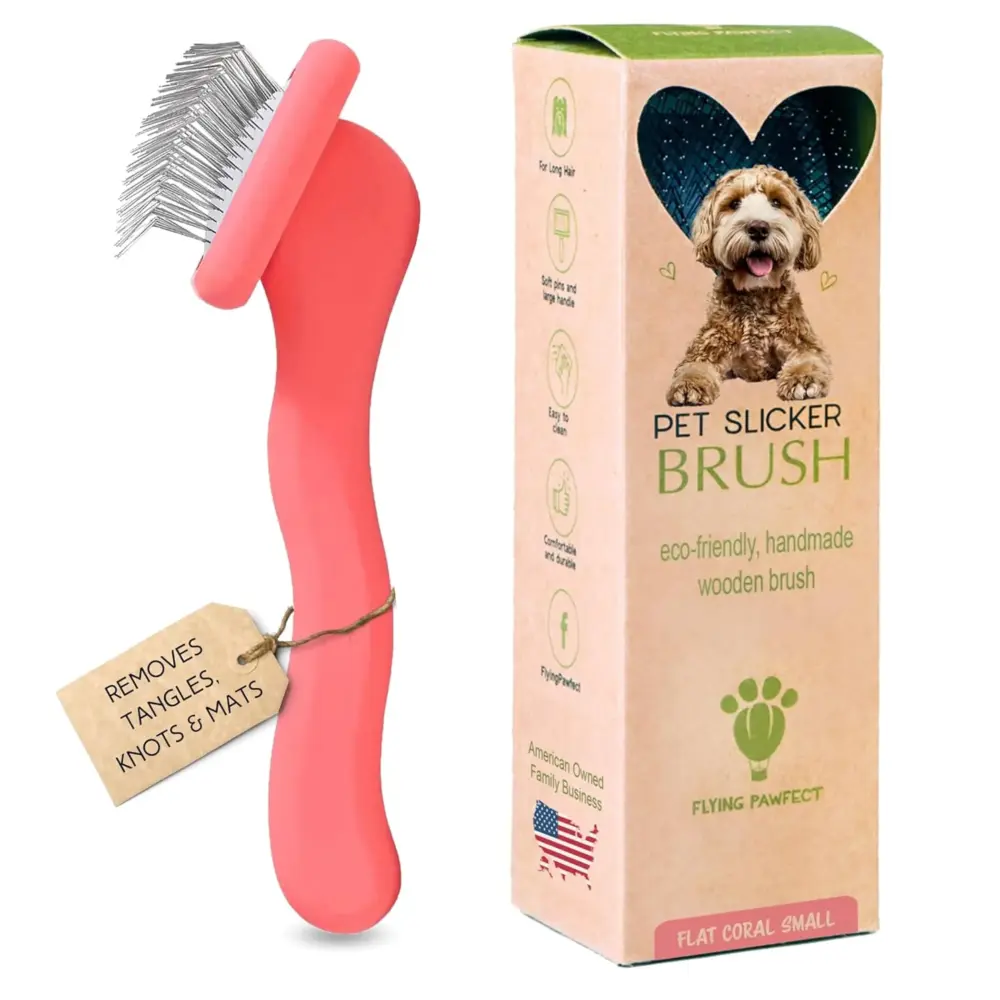
Flat Slicker Brush, Small, View product
$38.95
Why it fits: A small flat slicker suits cat-sized bodies; control matters more than coverage on a cat who dislikes brushing.
-
Top Performance
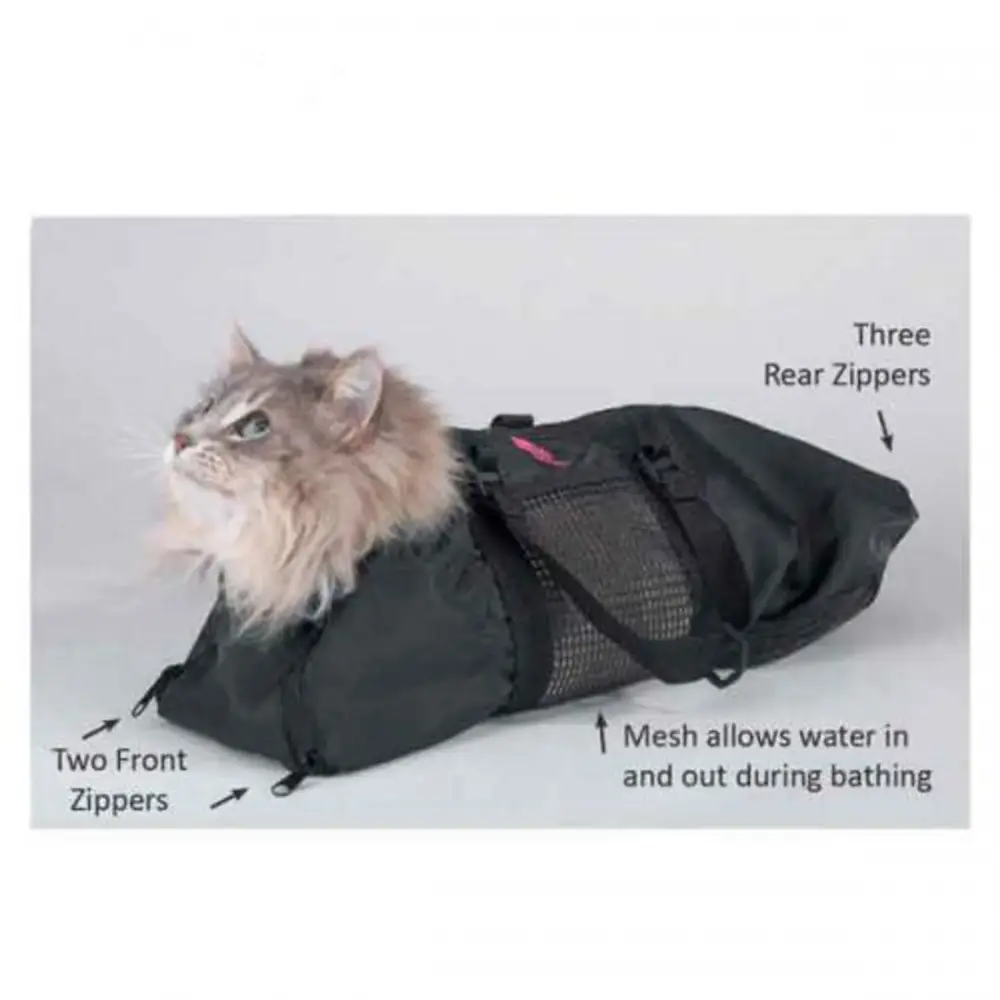
Cat Grooming Bag, Choose size
Price range: $30.95 through $33.95
Why it fits: A restraint bag for nails and ears when nothing else works; useful, but only with the safety rules in our guide.
The full build-up is in brushing a cat that hates being brushed, and if you are considering a grooming bag, read how to use one safely first.
Other cats, seen through the window
This one is missed constantly. An indoor cat watching a neighbourhood cat walk across the garden is watching an intruder they cannot do anything about. For some cats it is mild interest; for others it is the direct cause of spraying indoors, sudden fights with a housemate cat, or urinating by the back door.
If you can link the behaviour to a time of day or a particular window, the fix is usually physical: frosted film on the lower part of the glass, blinds closed at dusk, or moving the cat’s favourite perch to a window that faces somewhere quieter. Feeding visiting cats outside your door makes the problem considerably worse.
The food bowl problems nobody notices
Several common feeding setups irritate cats quietly. Deep, narrow bowls press on the whiskers, which are sensitive enough that some cats will paw food out onto the floor rather than put their face in. Water next to food puts many cats off drinking, which matters because low water intake is linked to urinary problems. Plastic bowls scratch, hold smell and are a common cause of a cat who stops using a bowl that looks perfectly clean.
- Use wide, shallow ceramic or stainless bowls
- Separate water from food, ideally into a different part of the room
- Offer a second water bowl somewhere quiet
- Wash bowls daily rather than topping them up
- Feed away from the litter box, always, and away from noisy appliances
More on this in where to put cat food and water bowls, which covers placement in detail.
Change, and how to introduce it
Cats dislike change in general, which is not a reason to avoid it, only a reason to stage it. New furniture, a new person, building work, a move, or a new animal all land better when the cat keeps a stable base through it.
- Keep one room unchanged, with food, water, litter, a bed and a hiding place.
- Introduce new things in one place rather than rearranging a whole room.
- Let the cat investigate at their own pace; do not carry them over to show them.
- Keep mealtimes and play at the usual times through a disruption.
- Expect two to three weeks of adjustment rather than two to three days.
Common questions
Why does my cat run away when I try to pick her up?
Because being lifted removes her ability to leave, which is the thing cats value most. Let her come to you instead, and keep any necessary lifting brief and well supported.
My cat hates the vet. Is there anything I can do at home?
Yes, and most of it is the carrier. A carrier that lives out as furniture, with a blanket and occasional treats in it, stops being a trap. Getting a cat used to a carrier covers the build-up, which takes weeks rather than days.
Do cats hate loud noise as much as dogs?
Generally yes, and they tend to deal with it by disappearing rather than by reacting visibly. Make sure there is always somewhere to go, and do not block access to the usual hiding place during fireworks or building work.
Is it true that cats hate citrus?
Many cats dislike strong citrus, as well as pine and several essential oils. Some essential oils are genuinely toxic to cats rather than simply unpleasant, so check before using any diffuser in a house with a cat.
My cat was fine with all of this and has suddenly stopped tolerating it. Why?
A cat who suddenly objects to being touched, picked up or groomed is often sore. That is a veterinary question first, and signs a cat is in pain covers what else to look for.
Household products and plants
Some of what cats dislike is not a preference but a genuine hazard, and this is the part worth knowing properly rather than approximately.
Safety note
Lilies are extremely toxic to cats. Pollen on the coat, licked off during grooming, can cause kidney failure. Keep them out of a house with cats entirely, and treat any exposure as an emergency.
- Essential oils and diffusers. Several, including tea tree, are toxic to cats, and cats metabolise them poorly.
- Permethrin flea products made for dogs. Highly toxic to cats; never use a dog product on a cat.
- Strong cleaning products, particularly anything phenolic, around food bowls and litter.
- Scented litter and plug-in fresheners, which are unpleasant rather than dangerous.
- Antifreeze, which is sweet, lethal and a common garage hazard.
- Houseplants generally. Check any new plant against a reliable toxic plant list before bringing it in.
Getting the balance right
None of this means a cat should be left alone. Cats form genuine attachments and most want company; they want it on terms they can influence. The practical version is to initiate less and respond more: sit down and let them come, stop stroking before they ask you to, and give them a route out of any interaction.
The paradox most owners notice within a week is that a cat who is given the option to leave spends more time with you rather than less.
What to do instead
The single change that covers most of this page: give the cat the option to leave, and let them come back. That means hiding places at floor level, somewhere high to watch from, and interactions that end before the cat ends them. What a cat does want is covered in what cats actually enjoy, and if the signs look stronger than irritation, see signs your cat is stressed.
Related guides
-
How-to
The Weekly At-Home Health Check for Cats
Cats hide problems, which makes a short weekly check more valuable for them than for dogs. This guide covers what to look at, how to do it with a cat who objects, and what the litter box is telling you.
-
How-to
How to Use a Cat Grooming Bag Safely
A grooming bag is a restraint, which makes using it properly a safety question rather than a convenience one. This guide covers choosing a size, introducing it over days, running a session, and the signs that mean stop.
-
Guide
When to Call the Vet About a Cat: Signs That Cannot Wait
Cats hide illness, so by the time something looks obvious it is often urgent. This guide sorts common signs by urgency, covers the feline emergencies people miss, and explains how to get a reluctant cat to the clinic.