How to Trim a Cat’s Nails When They Won’t Let You: Clippers, Grinders and the Towel Wrap

To trim a cat’s nails when they won’t let you, ask for less: one or two claws per session, taken while your cat is drowsy, with a treat straight after. Many cats object to being held and having a paw squeezed more than to the clip itself, so teach paw handling first, then pick a hold and a tool your cat accepts.
Short answer: one or two nails at a time, with a cat who’s already relaxed
- Pick the moment: a sleepy cat after a meal, not one who is playing or just home from the vet.
- Handle paws first: if your cat pulls away at a touch, start there before any tool comes out.
- Hold kindly: a towel wrap or a helper for a wriggler; never scruff or pin.
- Take only the tip: the sharp, hooked end, well in front of the pink quick.
- Stop early: at the first tail lash or flattened ears, not after the struggle.
Getting your cat comfortable with paw handling first
A cat who won’t let you trim their nails usually won’t let you hold a paw for long either, so teach that on its own. Keep sessions under a minute, once or twice a day, and move on only when your cat stays relaxed. Some cats need a week; others need a month.
- Touch and treat. While your cat is lying with you, run a fingertip over a front paw, then give a treat.
- Hold for a second. Cup the paw lightly, treat and let go. Build up to a few seconds.
- Extend the claws. With your thumb on top of the paw and a finger on the pad, press gently so the claws slide out. Release, treat.
- Bring in the tool. Leave the clippers or grinder, switched off, beside the treats. Squeeze clippers near your cat, perhaps snipping a piece of dry spaghetti, so the click becomes familiar.
- Touch the tool to a claw. Rest it there without cutting, then treat. Next session, trim one tip.
The same slow, short-session approach works for brushing; see how to brush a cat that hates being brushed. If your cat suddenly guards one paw or is limping, ask your veterinarian first; a sore toe would explain the protest.
Clippers or a nail grinder: what suits your cat
Both work on cats; the right one is whichever your cat tolerates. Many cats do fine with small cat clippers; if yours already accepts them, there’s no reason to switch. We don’t sell clippers; any small pair made for cats will do.
- Clippers suit cats who allow a held paw but dislike noise, and light claws where the quick is easy to see.
- A grinder suits cats who flinch at the squeeze and snap of clippers, owners who worry about cutting too short, and claws that split after clipping. It takes the nail down a little at a time and leaves a smooth, rounded edge.
The trade-offs: a grinder is slower, hums, vibrates and can catch long fur, and some cats never accept the sound. For them, clippers are kinder.
The Quiet Rechargeable Pet Nail Grinder in our dog and cat grooming range has a low-noise motor, two speeds for thin and thick nails, USB charging and a safety guard with openings sized for dogs, cats, rabbits and other small pets.

How to trim a cat’s nails when they won’t let you, step by step
Set up first: good light, the tool, treats within reach, and styptic powder or cornstarch open on the table. Most cats have five claws on each front paw, counting the dewclaw, and four on each back paw; polydactyl cats have extra toes to count.
- Get comfortable. Sit with your drowsy cat on your lap facing away from you, or lying beside you.
- Pick one claw. Hold a front paw, press the pad to extend a claw and look at it from the side.
- Find the quick. In a pale claw, the pink area inside is the quick, which has nerves and blood vessels. Take only the clear, curved tip in front of it.
- Trim the tip. Position clippers so the blades close top to bottom, not side to side, to help prevent splintering.
- Treat and release. If your cat is still relaxed, do one more claw; if not, let them go.
- Note where you stopped and start there next time. Back claws usually need trimming less often.
- Check the dewclaws. The one higher up on each front paw never touches the ground, so it can grow long and curl if missed.
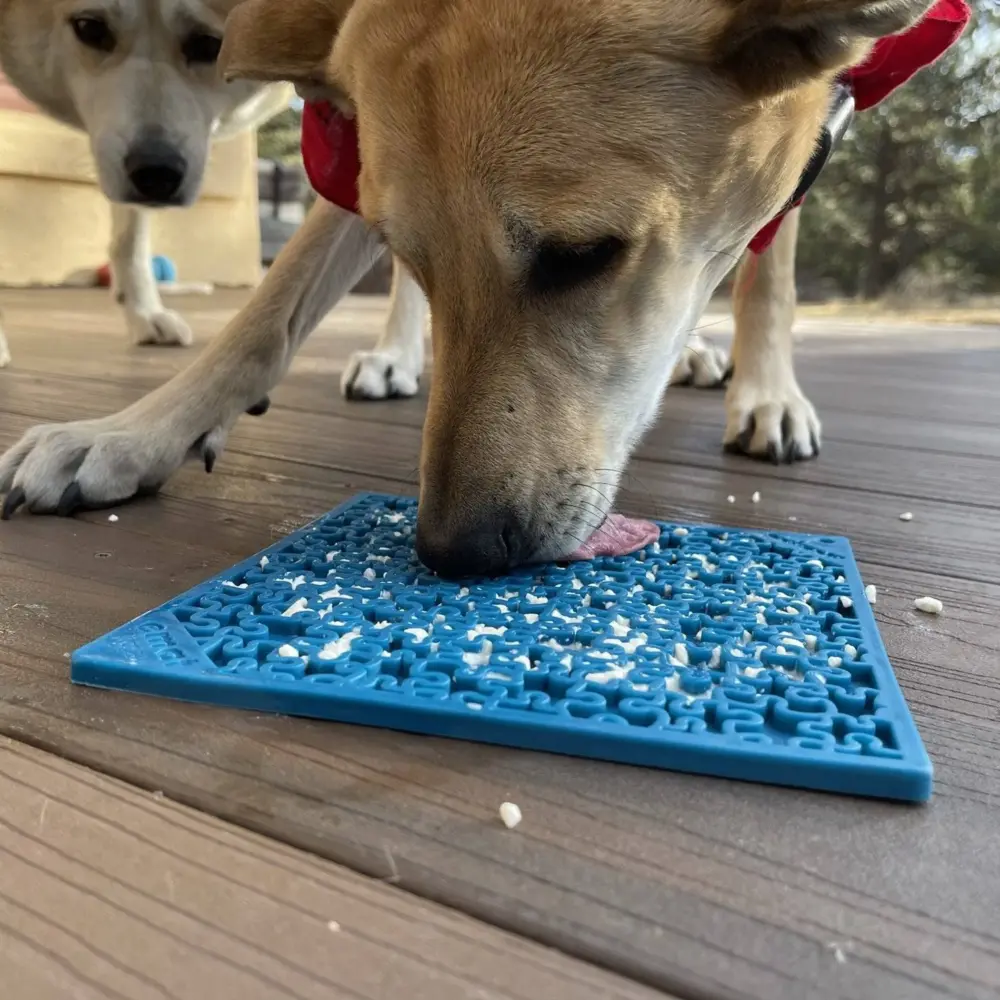
A growl, twisting or a lashing tail ends the session; stopping calmly makes the next one easier. A lick mat spread with a little wet food keeps some cats busy; see what to put on a lick mat.
The towel wrap, and when to ask for a second pair of hands
A towel wrap for a cat nail trim, sometimes called a kitty burrito, gives a wriggly cat a snug, contained feeling and keeps the back feet out of the way. It should feel like a firm hug, not a trap.
- Lay a large bath towel flat and let your cat step onto it, with a treat in the middle.
- Fold one side over your cat’s back and tuck it under, then wrap the other side over, leaving the head out. Keep it snug around the shoulders and loose at the neck.
- Draw out one front paw, trim one or two claws, then tuck it back in.
- Unwrap, give a treat and let your cat walk away.
Practice the wrap with treats and no trimming first. Some cats fight a wrap harder than a held paw; if yours thrashes, pants or tries to bolt, unwrap and stop for the day.
A helper makes most hard cases easier: one person offers tiny treats at nose level while the other trims. Never scruff, pin or scold a cat for objecting. If every attempt ends in a struggle, ask your veterinarian’s team or a groomer to do the trims for a while, and keep practicing paw handling at home.
Using a nail grinder on a cat: sound, vibration and long fur
Can you use a nail grinder on a cat? Yes, if your cat accepts the hum and vibration. Cat claws are thin and finely pointed, so at the low speed a few light touches usually blunt them.
Introducing the sound
- Across the room: switch it on at the low speed while your cat eats a treat or two, and off again when the treats end. Start a little closer each session.
- Hum and touch: hold the running grinder near your cat while you stroke them, then rest the handle, never the spinning head, against a paw for a second.
- First real session: one claw, one or two brief touches, one treat.
Grinding technique and long fur
Use the low speed and the smallest guard opening the claw fits through. Extend the claw, touch the tip to the head for a second with light pressure, then lift off and look. Friction warms a nail, so move between claws and stop once the point is blunt.
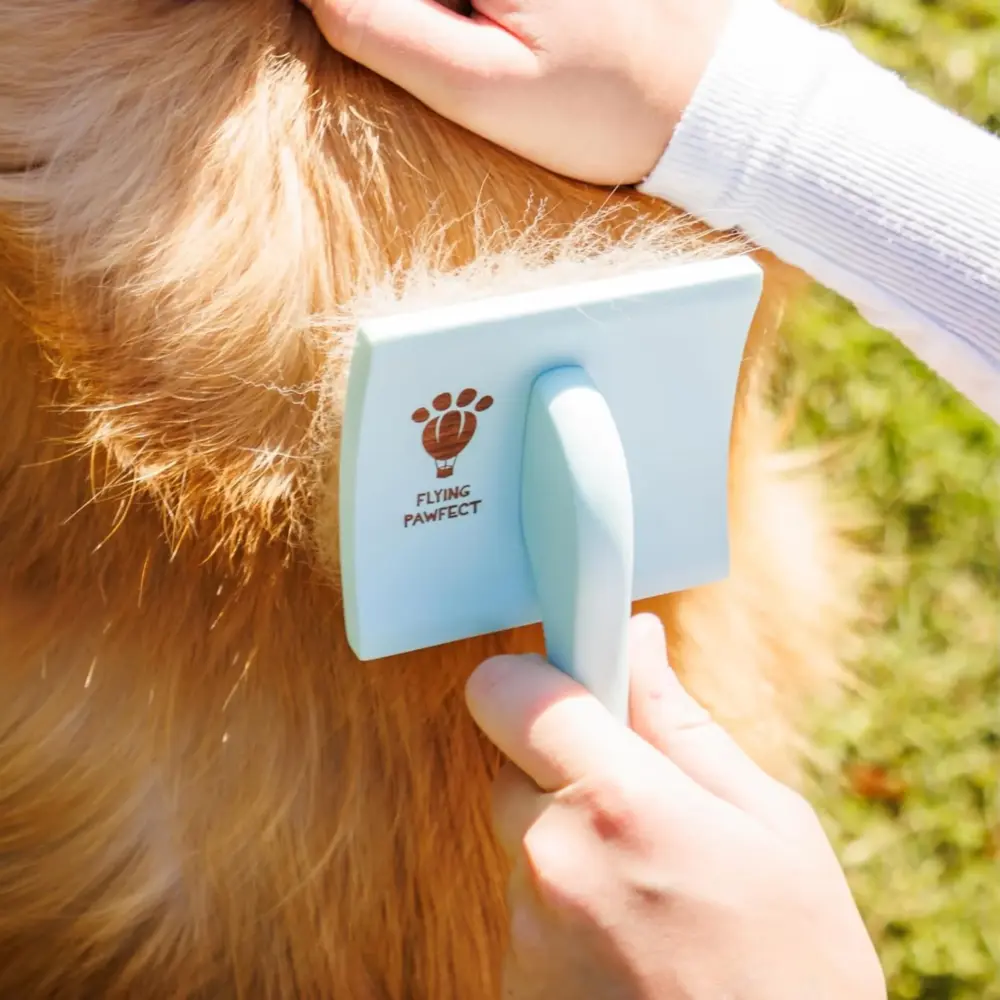
A spinning head can catch long fur, so hold the fur back from the toe as you work, or use clippers on that paw if it won’t stay clear. Our guide to grooming a long-haired cat at home fits nail trims, every ten days to two weeks, into its grooming routine. Dog nails are thicker; for those, see how to use a dog nail grinder.
How much to take off, and what to do if you cut too short
On a pale claw, leave a clear gap in front of the pink. If your cat’s claws are dark, VCA Animal Hospitals’ guide to trimming a cat’s nails suggests cutting where the claw curves downward and making several small cuts rather than one big one.
Some problems need your veterinarian rather than clippers: a claw curling into the pad, which happens most in older cats who scratch less; claws that have turned unusually thick; or a toe that looks red, swollen or sore.
If you cut the quick
- Press styptic powder or cornstarch onto the end of the claw and hold gentle pressure for a minute or two.
- Let your cat settle somewhere quiet, and leave the other claws for another day.
- Call your veterinarian if the bleeding won’t stop after a few minutes of steady pressure, or if the toe looks swollen or sore later.
A nicked quick can make a cat warier, so go back a step or two in the paw-handling plan.
Cat nail trimming FAQ
How often should you trim a cat’s nails?
The ASPCA’s cat grooming tips suggest every ten days to two weeks, with no more than two claws a sitting until your cat is comfortable; VCA gives every two to four weeks for indoor cats. Claws catching on blankets or carpet mean it’s time.
Can you use a dog nail grinder on a cat?
Yes, if it has a low speed and a guard opening small enough that only the claw tip reaches the head; one sized only for large dogs may not fit a cat’s toe. The grinder we stock has openings sized for dogs, cats, rabbits and other small pets.
Can you trim a cat’s nails while they’re sleeping?
Often, yes: a dozing cat is usually the easiest to work with. Move slowly, take one or two tips, and stop if the paw pulls away. If your cat starts avoiding naps on your lap, switch to relaxed, awake sessions.
Do indoor cats need their nails trimmed?
Most do. Indoor cats don’t wear their claws down the way outdoor climbers can, and overgrown tips can curl toward the pad, especially in older cats. If your cat goes outdoors, ask your veterinarian before trimming, since claws help them climb and defend themselves.
Does a scratcher keep a cat’s nails short?
Not on its own. Scratching pulls off the worn outer layer of each claw and exposes a sharp new one underneath, so most cats still need trims. A scratcher does protect your furniture between trims; see how to get a cat to use a scratcher, and find more in our cat care guides.
Related guides
-
Guide
Can Dogs and Cats Share Water Bowls, Beds and Brushes?
A healthy dog and cat can share a water bowl, beds, cooling mats and grooming tools if you clean them between pets; food, the litter box and small toys stay separate. Here's the item-by-item guide, plus when to stop sharing and the dog flea products that can poison cats.
-
Guide
How to Groom a Long-Haired Cat at Home, Mats Included
Long coats knot where you can't see them. Learn how often to brush a long-haired cat, where mats start, a section-by-section grooming routine, how to work out small mats without scissors, where nails fit in, and when a mat needs a groomer or veterinarian.
-
How-to
The Weekly At-Home Health Check for Dogs
Five minutes a week, done in the same order, catches most problems while they are still small. This guide walks through a nose-to-tail check for dogs, what normal feels like, and the findings worth a phone call.