Journal Checklist
A Realistic Daily Cat Care Routine
Short answer
An indoor cat needs the litter box scooped twice a day, fresh water away from the food, measured meals, at least one proper play session that ends in a catch, and somewhere quiet to sleep undisturbed. Grooming and a quick health glance round it out.
The daily minimum
- Litter box scooped, morning and evening
- Fresh water, in a clean bowl, away from the food
- Measured food, split across the day
- One or two short play sessions that end in a catch
- Somewhere to rest undisturbed
- A quick look: eyes, coat, movement, appetite, litter output
The list is short because cats are low maintenance in quantity and high maintenance in detail. How you do these things matters more than how long they take.
Litter box, twice a day
Scooping twice a day is the single highest-value habit on this page. Cats are fastidious, and most litter box problems start with a box that is less clean than the cat would like. It also means you see the output daily, which is the best early-warning system a cat owner has.
- Scoop morning and evening rather than once
- Top up litter to keep the depth consistent, usually around three inches
- Wash the box properly every few weeks with unscented soap and water
- Replace a plastic box once the surface is scratched and holds smell
- One box per cat plus one, in separate locations
- Note anything unusual: volume, straining, blood, or going outside the box
Tip
Changes in litter box output are the most useful health signal you get from a cat. Urinating more, less, or outside the box all warrant a call to the vet rather than a change of litter.
Food and water
Keep water away from the food bowl. Many cats drink less when the two are together, and cats are prone to drinking too little in general. Wide, shallow bowls suit most cats better than deep narrow ones, which press on the whiskers.
Measure food rather than topping up a bowl. Obesity is the most common preventable health problem in indoor cats and it happens invisibly, a few extra grams at a time. How to check your cat is a healthy weight covers the hands-on test that tells you where you are.
Play that counts as hunting
Two short sessions beat one long one, and the structure matters more than the toy. Move the toy away from the cat and into cover, let them stalk, let them catch it properly several times, and finish with a real catch followed by a small meal. A session that ends with the cat never catching anything leaves them frustrated.
Rotate toys weekly rather than leaving them all out. The full version is in what cats actually enjoy and how long to play with a cat.
-
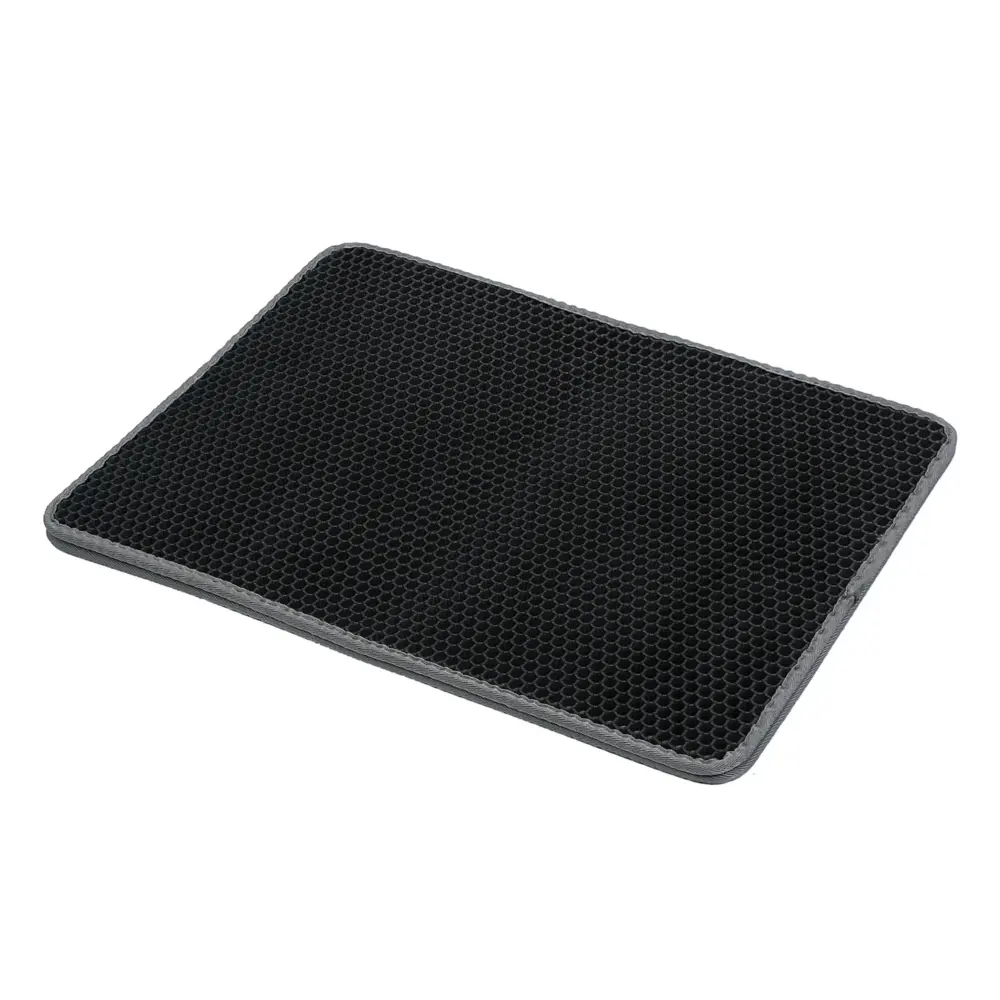
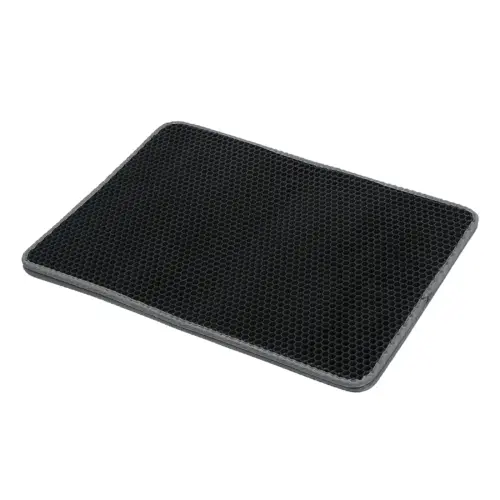
Double-Layer Honeycomb Cat Litter Trapping Mat, View product
$53.95
Why it fits: Catches litter at the box rather than across the house, which makes the twice-daily routine far less annoying.
-
KatPak
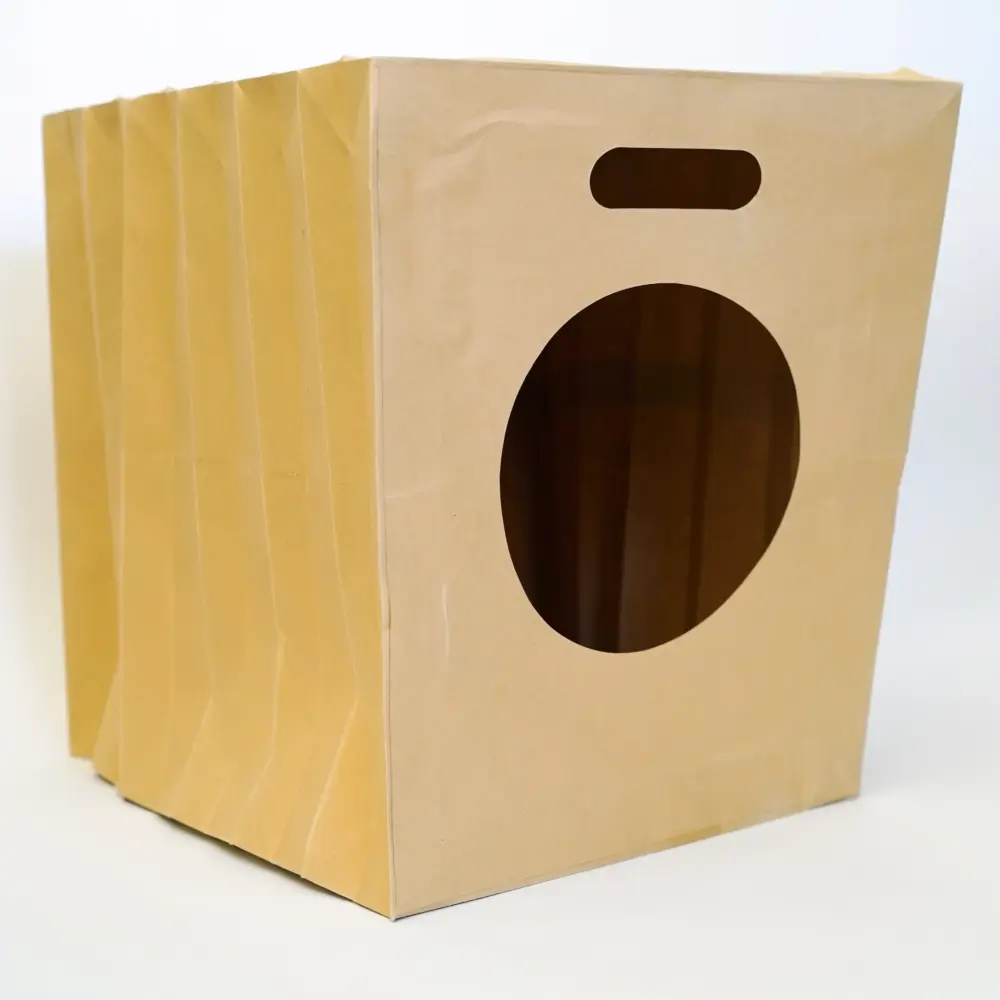
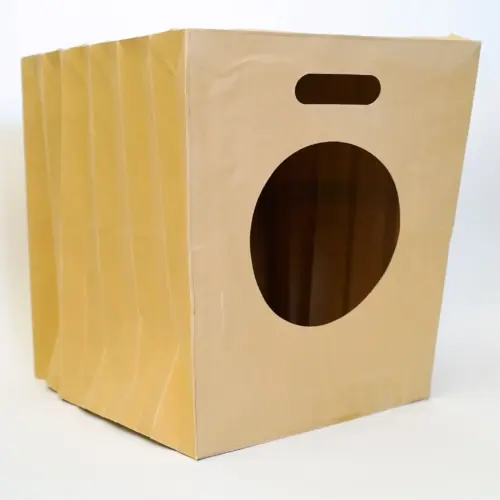
Disposable Cat Litter Box, View product
$42.95
Why it fits: A disposable tray for travel, guests or a temporary second box; four in a pack, each lasting about a week.
-
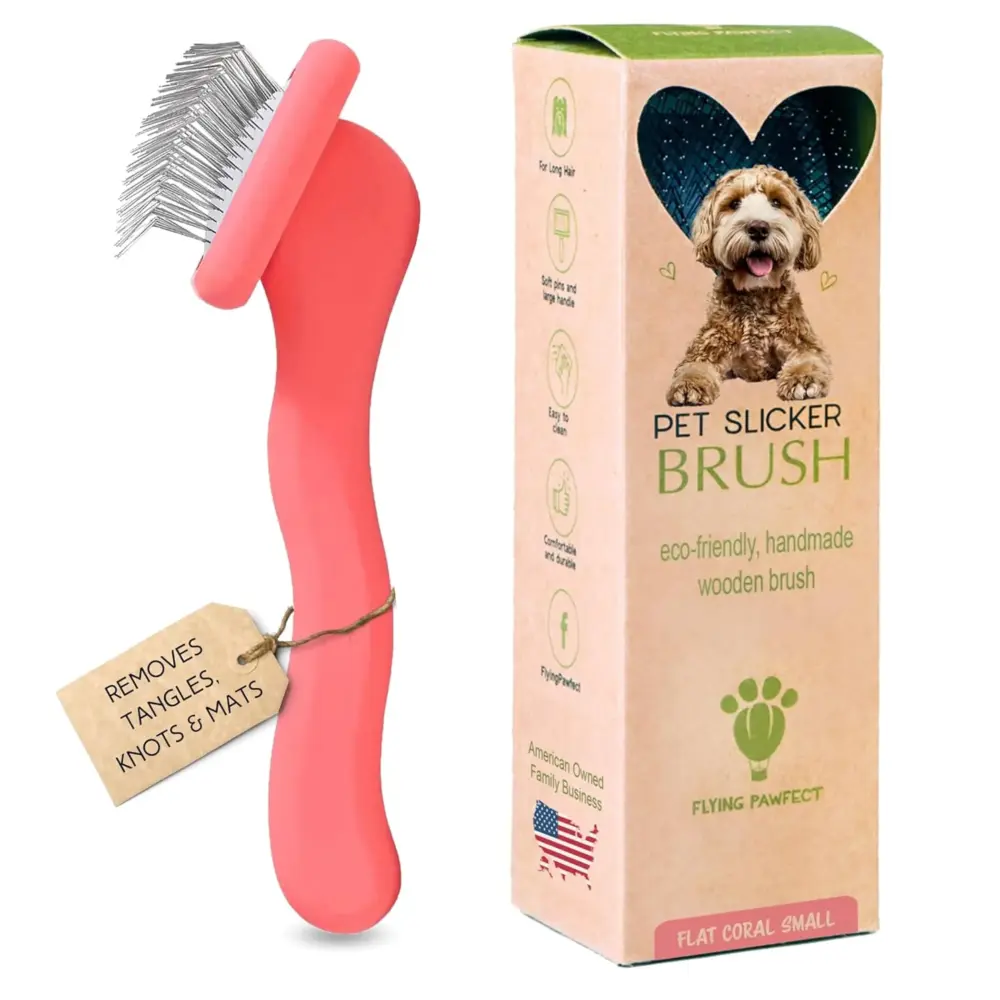
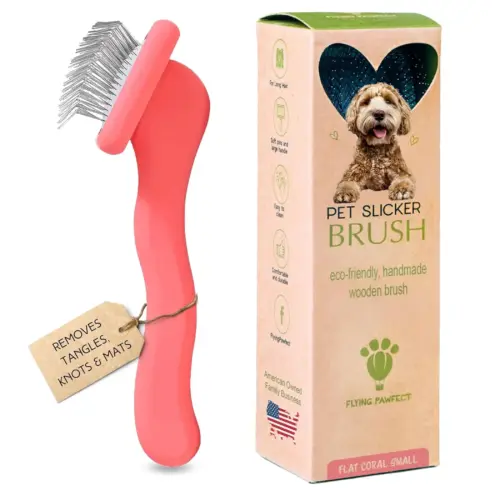
Flat Slicker Brush, Small, View product
$38.95
Why it fits: A small flat slicker for short daily brushing; cat skin is thin, so a light hand and a small head help.
-
Catnip Stickz
Organic Catnip Cat Toy, Choose size
Price range: $33.95 through $39.95
Why it fits: A kick toy for the catch at the end of a play session, which is the part most sessions are missing.

Grooming and handling
Short-coated cats need a brush once or twice a week; long-coated cats need it daily, without exception, because a coat that mats is painful and ends in a sedated de-matting at the vet. Keep sessions to a minute or two and stop before the tail starts flicking.
Daily handling has a second purpose: a cat who is used to being touched is a cat you can examine. Run a hand along the back and sides while they are relaxed and you will notice a lump, a sore spot or weight loss far sooner.
Water: the thing most cats miss
Cats evolved to get most of their moisture from prey and they are poor drinkers by nature. Low water intake is linked with urinary problems, which are both common and painful, so making water easy to reach and pleasant to use is more important for cats than for dogs.
- Put water in more than one place, and away from the food
- Use a wide, shallow bowl so the whiskers do not touch the sides
- Change it daily; many cats refuse water that has stood overnight
- Try a second bowl in a quiet spot if your cat drinks little
- Wet food contributes a significant amount of daily water intake
- A cat who suddenly drinks much more than usual needs a vet appointment
That last point is worth repeating. Increased thirst in a cat is one of the more important changes you can notice at home. How to get a cat to drink more water covers the practical side.
Multi-cat homes
Everything above multiplies, and not by exactly the number of cats. The working rule is one of each resource per cat, plus one, spread around the home rather than lined up in a row. Two litter boxes side by side count as one box to a cat.
Feed cats in separate places if one eats faster, keep a bowl and a resting spot on more than one level, and watch for the quiet signs of pressure: one cat always giving way, one cat eating only when the room is empty, or one cat suddenly scratching near doorways. Multi-cat household setup has the full layout.
The two-minute daily health glance
Cats hide problems, so the most valuable minute in this routine is the one where you simply look. It fits naturally around feeding, when your cat is in front of you and stationary.
- Eyes clear, no discharge or squinting
- Nose clean, breathing quietly
- Eating with normal enthusiasm and chewing on both sides
- Moving normally: jumping, stretching, using the usual routes
- Coat looks groomed rather than greasy, clumped or matted
- Litter box output looks normal in amount and consistency
- Behaving like themselves
None of this takes effort once it becomes habit, and it reliably catches problems a week or two earlier than they would otherwise be noticed. Earlier is almost always cheaper and easier to treat.
Weekly jobs
- Wash food and water bowls properly
- Wash the box, or replace the liner if you use one
- Check the claws and trim if they are catching on things
- Look in the ears and at the teeth
- Wash a bed cover or shake out a mat
- Rotate the toys
- Weigh the cat if you have scales, or run your hands over the ribs
The structured version of the health part is in the weekly at-home health check for cats, which takes about five minutes.
Common questions
How often should I really scoop the litter box?
Twice a day. Cats are particular about this, and a box that is cleaner than the cat requires has never caused a problem, whereas one that is dirtier causes a great many.
Free feeding or set meals?
Set meals make it far easier to notice a change in appetite, which is one of the most useful health signals a cat gives you. Free feeding makes weight control harder and hides problems. Free feeding versus scheduled meals compares the two.
Do indoor cats need play every day?
Yes. Two short sessions is a reasonable target, and the structure matters more than the length. Play that ends in a catch and a meal satisfies a cat in a way endless chasing does not.
How often should I brush a short-haired cat?
Once or twice a week is usually enough, and it is more about handling practice and checking the skin than removing hair. Long-coated cats need daily attention without exception.
My cat is fine with none of this routine. Does it matter?
Cats tolerate a loose routine well as long as the essentials happen: a clean box, fresh water, measured food and somewhere quiet. The parts worth protecting are the litter box and the daily look.
Leaving a cat at home
Cats are often described as low maintenance enough to leave for a weekend, which is a long-standing myth worth correcting. A cat left alone for two days has no fresh water if a bowl is knocked over, a litter box that becomes unusable, and nobody to notice if they stop eating.
- Someone visits at least once a day, ideally twice
- Litter scooped at every visit
- Fresh water in more than one place
- Measured food rather than a large bowl left out
- Someone checks the cat is visible, eating and using the box
- Vet details and your contact number left with the sitter
- Medication instructions written down rather than explained
The cat sitter checklist covers what to leave for whoever is visiting, and it is worth writing down rather than relying on a conversation at the door.
The routine as an early warning system
The real argument for a consistent daily routine with a cat is not tidiness; it is detection. Cats conceal illness, and the things that give them away are the things a routine puts in front of you every day: how much they ate, what the litter box looks like, whether they came when the food went down, how the coat looks.
Owners who keep a steady routine catch problems noticeably earlier, and earlier is almost always cheaper, simpler and more successful to treat.
Kittens and senior cats
Kittens need more meals, more play and far more sleep than people expect, and they need the play directed at proper toys early, or hands become the target. They also need the litter box within easy reach of wherever they are, because a kitten will not cross the house to find it.
Senior cats need lower-sided litter boxes, food and water on the floor level they spend most time on, warmer sleeping places, and closer attention to weight and mobility. A cat who stops jumping or stops grooming their back end is giving you information: signs a cat is in pain covers it, and the preventive care calendar covers the longer schedule. The equivalent routine for dogs is in a realistic daily dog care routine.
Related guides
-
How-to
The Weekly At-Home Health Check for Cats
Cats hide problems, which makes a short weekly check more valuable for them than for dogs. This guide covers what to look at, how to do it with a cat who objects, and what the litter box is telling you.
-
Comparison
Disposable vs Reusable Litter Boxes: When Each Makes Sense
Disposable trays solve problems a permanent box cannot, and cost more over a year. This comparison covers both honestly, including the cases where a disposable tray is the obvious answer and where it is an expensive habit.
-
How-to
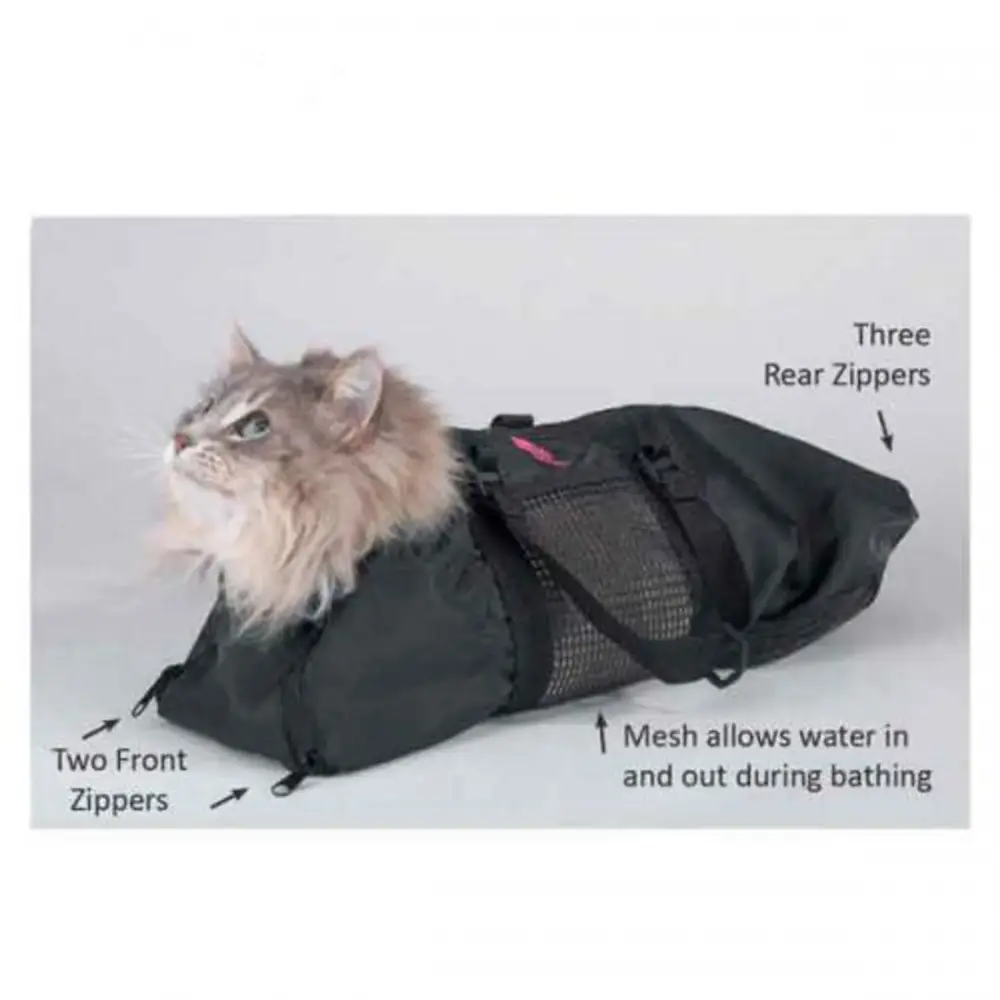
How to Use a Cat Grooming Bag Safely
A grooming bag is a restraint, which makes using it properly a safety question rather than a convenience one. This guide covers choosing a size, introducing it over days, running a session, and the signs that mean stop.