Feeding & Enrichment Comparison
Free Feeding vs Scheduled Meals for Dogs and Cats, and How to Switch
Short answer
For most dogs and cats, measured meals at set times work better than a bowl that never empties. Free feeding makes overeating easy and hides appetite changes, while set meals show who ate, and how much, every day. An adult pet that nibbles and stops may manage with a measured daily portion of dry food left out.
Free feeding, also called free-choice or ad libitum feeding, means keeping the bowl topped up so your pet eats whenever it likes. Scheduled feeding means a measured amount served at set times and picked up once your pet walks away. Between the two sits a halfway option: the day’s measured portion goes out in the morning, and you check what is left at night.
Portion sizes aren’t covered here, because they depend on your pet, its food and your veterinarian’s advice. If the real problem is a pet that gulps whatever you serve, start with our guides to slowing down a dog that eats too fast or a cat that eats too fast.
Free feeding vs scheduled meals at a glance
Most homes use one of three setups, with a measured bowl as the middle option between the other two.
| Option | How it works | Best for | Appetite check | Main drawback |
|---|---|---|---|---|
| Free feeding | Bowl topped up whenever it looks low | Few pets; not puppies or kittens | Late, if at all | Overeating, and no record of intake |
| Measured bowl | Day’s portion put out, leftovers noted | Adult pets that nibble and then stop | At the end of each day | Dry food only; housemates can raid it |
| Set meals | Measured meals at fixed times | Most dogs, cats, puppies and kittens | At every meal | Someone, or a timer, at each mealtime |
The appetite column is the one owners tend to overlook. When breakfast goes down at seven and comes back half eaten, you know that morning. When the bowl is topped up whenever it looks low, a pet can eat less for days before anyone notices.
What free feeding does well, and where it goes wrong
Free feeding has real appeal. It is easy on long workdays, it suits a cat’s habit of eating many small meals, and dry food doesn’t dry out in the bowl, which the Cornell Feline Health Center counts among dry food’s conveniences. Cornell also notes that in a multi-cat home not every cat comes when called for dinner, so some owners leave food out to be sure each one eats.
The problems tend to show up over weeks rather than days:
- Weight creeps up. A pet that eats past its needs has nothing to stop it. VCA’s feeding articles advise against free-choice feeding for puppies and kittens, because it can create juvenile obesity, encourage binge eating and lead to orthopedic problems and diabetes, and International Cat Care notes that cats with unrestricted access to food may overeat.
- You can’t tell who ate. With two pets and one bowl, the bolder eater may get most of it, and many dogs will empty a cat’s bowl given the chance.
- Puppy house-training gets harder. VCA notes that puppies generally need to relieve themselves within 10 to 15 minutes of eating a meal. When food is down all day, there is no meal to time the trip outside by.
- It only works with dry food. The FDA’s tips for safe handling of pet food say to “promptly refrigerate or throw out” leftover canned and pouched food, so wet food can’t sit out all day.
- The bowl rarely gets washed. A bowl that is only ever topped up keeps old food under new. The same FDA page advises washing food bowls with soap and hot water after each use.
Why veterinarians usually recommend meals
VCA’s articles on feeding times for dogs and for cats, written with the Canadian Academy of Veterinary Nutrition, recommend creating the expectation of mealtimes even for pets that regulate their intake well. Their reasons, in brief:
- An early warning. Food left at a meal, whether all of it or part, is an important signal that something may be wrong, and with set meals you see it straight away.
- Routine. Regular mealtimes give pets the security of a predictable day and help them cope when something else in the household changes.
- Medical timing. Some conditions, such as diabetes, require meals at specific times of day.
- Room for change. Set mealtimes make it easier to bring another pet home later, or to move to a new food.
- Portion control. A measured portion, scooped with a measuring cup or weighed on a kitchen scale, is easy to give and easy to adjust.
Not every source is as strict. Cornell says free feeding dry food may be acceptable for some cats but can lead others to overeat and gain weight. For a pet that grazes, VCA’s compromise is to measure the day’s food, put out only that, and record anything left at the end of the day.
How many meals a day for dogs and cats?
Adult dogs and puppies
VCA calls at least two meals a day the most common recommendation for adult dogs, and suggests three to four for puppies, whose small stomachs cope better with smaller portions. The AKC’s guide to how often dogs should eat agrees that most adults need two meals and describes the number dropping as a puppy grows; your veterinarian can tell you when to cut back. Feeding only one meal a day also appears on VCA’s list of risk factors for bloat, an emergency that large, deep-chested breeds are most prone to. If you are fitting meals around exercise, see whether to feed your dog before or after a walk.
Adult cats and kittens
Here the advice varies more. VCA suggests three to four meals a day for kittens and at least two for adult cats, because a cat’s stomach empties within a few hours and, after 8 to 10 hours, starts sending hunger signals. Cornell says kittens usually do best on three meals a day until six months and twice a day from six months to a year, and that once or twice a day suits most adults. International Cat Care goes further, toward dividing the daily ration into at least five portions across the full 24 hours, closer to the many small meals of a cat that hunts.
In practice, two measured meals is the common ground. More, smaller ones help if your cat seems frantic by mealtime and your day allows. International Cat Care suggests timed and puzzle feeders, so part of the ration can cover the hours you are out.
When to ask your veterinarian first
Ask about the number of meals, and the daily amount, before changing anything for a puppy or kitten, a senior, a pet on insulin or medication given with food, a pet on a prescription diet, or one that needs to lose or gain weight. Bring what you know already: how much your pet eats now, and when.
Multi-pet homes: who is eating what
A shared bowl that never empties is where free feeding causes the most trouble. One pet overeats while another goes short, the dog finds the cat’s food, and a prescription diet meant for one animal gets eaten by all of them. The AKC’s advice on feeding multiple pets without conflict starts with set mealtimes instead of free feeding, and set meals fix most of this, provided each pet eats in its own place:
- Feed everyone at once, apart. Give each dog its own spot, and each cat somewhere quiet and out of sight of the others; International Cat Care notes that cats generally don’t like to share bowls or be seen by other cats while they eat.
- Put cat food out of the dog’s reach. A counter, a cat tree or a room the dog can’t get into keeps the cat’s meal for the cat.
- Pick up every bowl once its owner is done. Don’t let another pet finish the leftovers, or that pet becomes a free feeder again.
- Watch for guarding. If a dog stiffens, growls or snaps when another pet comes near its food, keep them fully apart at meals and ask your veterinarian or a qualified trainer for help.
Switching from free feeding to meals
Plan on a few days for most dogs and longer, often a week or two, for a cat, which needs a gentler change. You need a measuring cup or kitchen scale, two or three mealtimes you can keep on weekends as well as workdays, and the daily amount your veterinarian suggests. Fresh water stays down all day; only the food goes on a schedule.
- Measure what your pet eats now. For three or four days, put out a measured amount each morning and measure what is left at night.
- Confirm the daily amount with your veterinarian, using that record. A pet that has been free fed may have been eating more than it needs.
- Choose fixed mealtimes and split the daily amount between them. More meals means smaller portions, not more food.
- Phase out the all-day bowl. Serve the first set meals and take the bowl up overnight, then for longer stretches, until food appears only at mealtimes. Keep the total within the daily amount.
- Serve each meal in a quiet spot and stay nearby. Once your pet has finished and walked away, pick the bowl up and offer nothing more until the next meal.
- Keep a simple log for the first two weeks: what went down and what came back. It is the early warning that free feeding never gave you.
Safety note
Never make a cat go hungry to speed up the switch. The Cornell Feline Health Center warns that a cat that refuses to eat can develop serious medical problems, so if your cat skips meals or eats much less during the change, go back a step and call your veterinarian.
Common hiccups in the first weeks
- Breakfast ignored, begging by noon. Keep to the schedule and don’t top up between meals; most pets settle once they can predict the routine. For a cat that keeps skipping meals, see the caution above.
- Jumping at the bowl. Meals matter more now, so teach a calm sit first with our guide to teaching a dog to wait for food.
- Meals gone in seconds. A former grazer may rush food that now comes at set times. Spread the meal out in a slow feeder or lick mat, or add a smaller meal from the same daily amount.
- A cat that wakes you for breakfast. Move the evening meal later, or leave part of the day’s dry food in a puzzle feeder overnight; our guide to stopping a cat waking you up at night has the full plan.
- Refusing meals or seeming unwell. A pet that leaves meal after meal, a cat that eats much less than usual, or any vomiting, lethargy or weight loss needs a call to your veterinarian.
Making a meal last: slow feeders and lick mats
Grazers are used to food being around all day. A meal that takes a few minutes of work fills some of that gap, and it slows down the pet who eats faster now that meals come less often. Use part of the measured meal, not extra food. The fast-eater guides include no-cost options, from muffin tins to scatter feeding, and what to put on a lick mat covers spreads for dogs and cats, and freezing.
If you would rather have a purpose-made piece, these picks are limited to Nilosi’s own catalog. We don’t sell pet food or automatic feeders, so all three are about making a measured meal take longer:
-
SodaPup
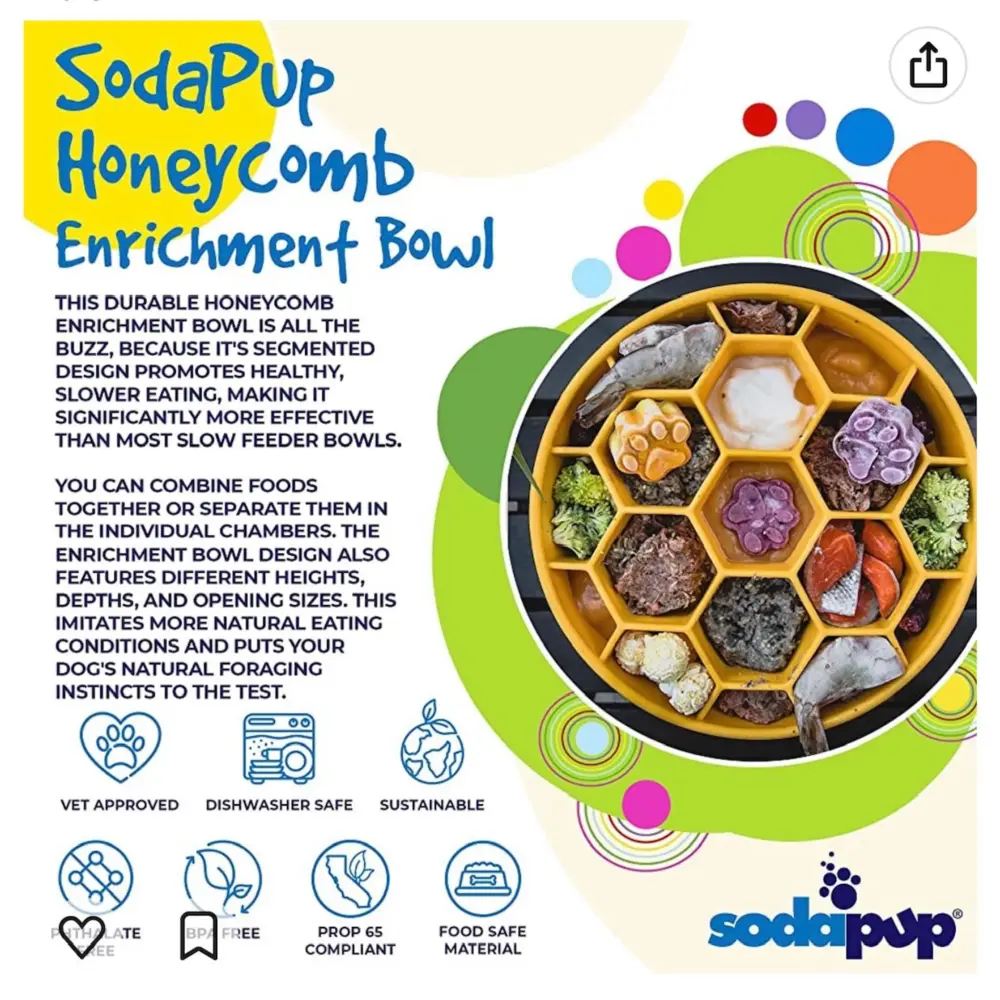
Honeycomb Slow Feeder Dog Bowl, View product
$30.95
Why it fits: Spreads a measured kibble meal across deep honeycomb ridges so each mouthful takes some work; it also takes wet food or a frozen mix.
-
SodaPup
Jigsaw Enrichment Lick Mat for Dogs & Cats, Choose color
$25.95
Why it fits: Holds the wet food part of a meal in its jigsaw grooves, and suits cats as well as dogs; dishwasher safe for a wash after every meal.
-
Spunky Pup
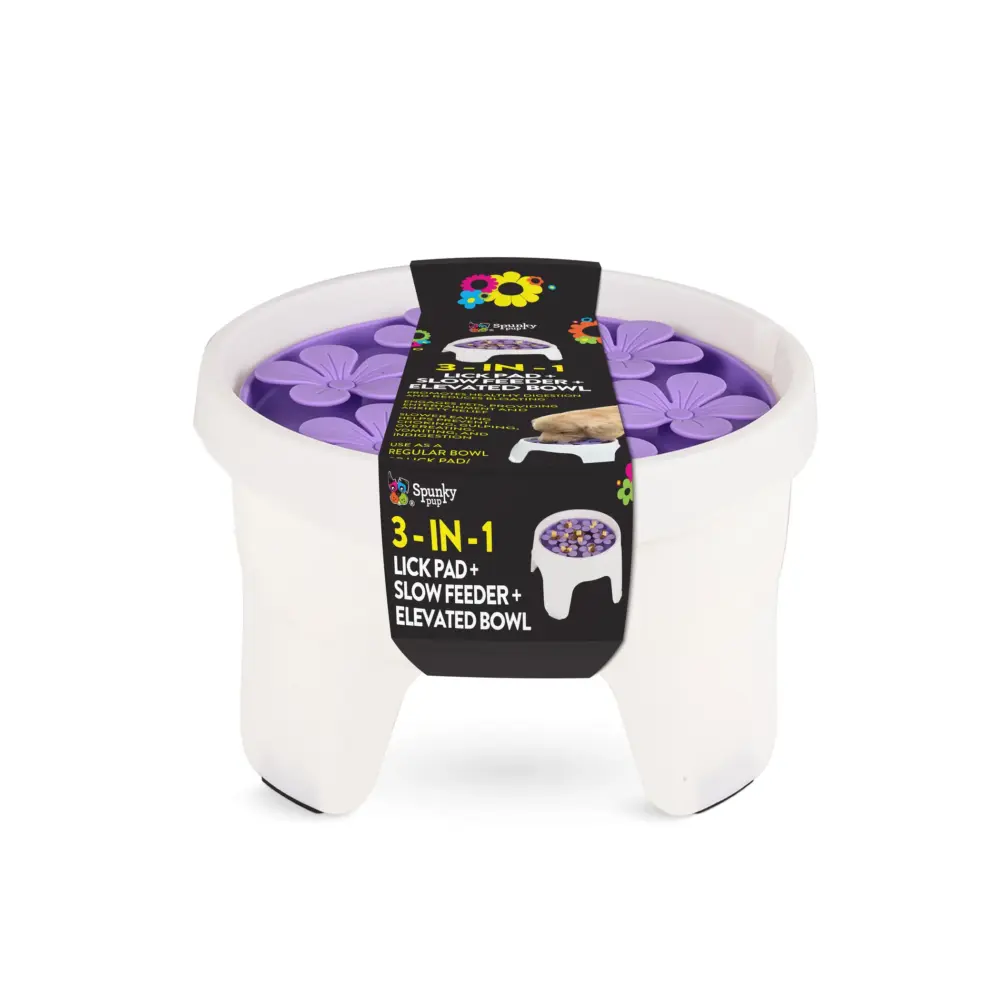
3-in-1 Lick Pad, Slow Feeder & Elevated Bowl, View product
$34.95
Why it fits: Two meal tools in one silicone piece, a slow feeder side that spreads out a meal and a lick pad for wet food; dishwasher safe too.


The 3-in-1 also flips into a raised bowl; ask your veterinarian before using it that way, especially for a large, deep-chested dog. For a cat, choose the lick mat, since the honeycomb bowl is deep and made for dogs. Browse the rest of our feeding and enrichment range.
The verdict: when each approach wins
Set meals win for most pets: every puppy and kitten, nearly every adult dog, homes with more than one pet, pets on medication or a special diet, pets that need to lose weight, and any pet that eats wet food.
A measured bowl can work for an adult pet at a healthy weight that nibbles and walks away, most often a cat, in a home where no other pet can reach the food. Put out only the day’s portion of dry food and replace it with fresh food daily, as Cornell advises. Weigh your pet regularly too, which International Cat Care recommends for cats, so a slow change in weight doesn’t go unnoticed.
Unlimited free feeding, a bowl that is simply topped up, is the option the veterinary sources above steer owners away from. If it suits your household for now, measure the daily amount anyway and raise it at your next veterinary visit. Whatever you choose, Cornell’s advice for cats suits dogs too: find a schedule that works for you and your pet, then keep it consistent.
Related guides
-
Comparison
Slow Feeder vs Lick Mat: Which One Does Your Dog Need?
A slow feeder stretches out a meal; a lick mat fills time and settles a dog. Buying the wrong one for the problem is the usual mistake. This comparison covers both, including the dogs who defeat them.
-
Comparison
Raised vs Floor Dog Bowls: Which Is Better for Your Dog?
A bowl on the floor suits most dogs. See why owners buy elevated feeders, what the AKC and Merck say about raised bowls and bloat, which dogs a veterinarian may still suggest one for, how to check height and stability, and the bloat signs that need a vet now.
-
How-to
How to Teach a Dog to Wait for Their Food Bowl, Step by Step
Lower the bowl only while your dog stays sitting, then release them to eat. This step-by-step plan uses your dog’s own meals and covers longer waits, distractions, jumping, barking and lunging, multi-dog kitchens, and what to do if your dog guards the bowl.