Feeding & Enrichment How-to
How to Teach a Dog to Wait for Their Food Bowl, Step by Step
Short answer
Hold the bowl out of reach until your dog sits, then lower it slowly, lifting it back up whenever they rise. Once it reaches the floor with your dog still sitting, say a release word such as “free” and let them eat. Practice at every meal, adding a few seconds of waiting once that is easy.

Why a mealtime wait is worth teaching
For most dogs, dinner is the one reward they never have to be talked into, and it comes around every day, usually twice. That makes the food bowl one of the easiest places to practice self-control: no treats to carry, no extra sessions to fit in, and an instant payoff for getting it right.
- A calmer kitchen. No paws on your legs or the counter, no nose knocking the bowl out of your hands, and room to set dinner down without a head in the way.
- A skill that travels. The same sit-and-release pattern works before a lick mat goes down, at the car door and at the front door; our guide to stopping a dog darting out the door teaches the same kind of wait at the threshold.
The wait is a manners cue, not a way to show your dog who is in charge, and it does not need to be long: a few seconds is plenty. It is also about your dog’s own meal. If the trouble is your plate, that is a different habit with a different fix, covered in how to stop a dog begging at the table.
What you need before the first session
- A dog who is relaxed around food. If your dog stiffens, growls or snaps when people come near their bowl, skip the steps and read the food-guarding section below first.
- Your dog’s usual meal in their usual bowl, measured out before you start. Nothing extra is needed, because the food is the reward.
- A sit your dog already knows. If they don’t have one yet, teach it a few days ahead with pieces of kibble: hold one at their nose, raise it slowly up and back over their head, and hand it over as their rear touches the floor.
- A release word that means “go ahead, eat,” such as “free” or “break.” “Okay” is common too, but it slips into everyday conversation, so a word you rarely say by accident is clearer for your dog.
- Set mealtimes. The method needs a moment when food appears. A dog who grazes from a bowl that is always full has nothing to wait for; see free feeding vs scheduled meals if you are thinking of switching.
- A quiet kitchen. For the first sessions, other pets are in another room or behind a gate, and nobody else is calling your dog.
How to teach a dog to wait for food, step by step
This is the bowl-lowering game in the AKC’s guide to impulse control: sitting brings dinner closer, getting up sends it away. Start at a normal mealtime, with your dog hungry but not frantic. The first session may take a few minutes of lifting and lowering; that back-and-forth is the lesson, not a sign that it isn’t working.
- Hold the full bowl out of reach. Chest height suits most dogs; go higher for a tall one. Stand still and say nothing. If your dog jumps or circles, wait until all four paws are on the floor.
- Ask for a sit, once. If your dog doesn’t sit, pause a few seconds and ask again, rather than repeating the word until it turns into background noise.
- Lower the bowl a few inches. If your dog stays seated, keep going. If their rear lifts or they lean in, raise the bowl back to the start without a word and ask for the sit again.
- Keep going until it reaches the floor. Lift and lower as often as it takes. Your dog is working out that getting up makes dinner rise and sitting still brings it closer.
- Release the moment it lands. With the bowl on the floor and your dog still sitting, say your release word, step back and let them eat in peace. No extra pause yet: for now, the meal is the reward.
- Repeat at every meal. Many dogs soon start sitting the moment the bowl comes out, which tells you they have the idea.
- Then add a pause. Once your dog holds the sit all the way down on the first try for several meals running, wait one second before the release, then two, then a few.
Tip
Keep your fingertips on the rim for the first second or two after the bowl lands. If your dog dives before the release, you can lift it before they get a mouthful, which is far easier than taking food away from a dog who has started eating.
Adding time, distance and distractions
A wait that holds only in a quiet kitchen with you bent over the bowl is a good start. Add one thing at a time, and make the rest easier while you do: a shorter pause as you practice stepping back, or an instant release the first time the phone rings.
| Stage | What you add | Sign it’s working |
|---|---|---|
| Floor | Release as the bowl lands | Sits through it on the first try |
| Pause | One second, then two, then a few | Holds the sit without leaning in |
| Distance | Place the bowl, step back, release | Stays seated as you move |
| Busy kitchen | Someone walks past or talks | Holds the sit through the bustle |
| Other people | Each person serves a few meals | Waits for whoever brings dinner |
Mix easy waits in with the longer ones, and if the sit breaks, lift the bowl and make the next try shorter. A dog who waits for you may still mob your partner, so everyone who feeds your dog, pet sitters included, should use the same cue and release word.
When your dog jumps, barks or lunges
Jumping up at the bowl
Hold the bowl close to your chest and turn slightly away, so jumping earns nothing. The instant all four paws are on the floor, ask for the sit. With a big dog, or a jumper who catches your arms, fill the bowl on the other side of a gate or closed door and bring it out once your dog has settled.
Barking while you get dinner ready
Barking often starts with the rattle of the scoop. Whenever your dog barks, set the bowl back on the counter and turn away; carry on only when it is quiet. Never release on a bark, or the bark becomes part of the routine. Measuring meals ahead into a lidded container also shortens the build-up.
Lunging once the bowl lands
Your dog has learned that the floor means food. Go back to releasing the instant the bowl touches down. If they dive in first, lift the bowl calmly and restart from halfway down. If they already have a mouthful, let them eat and make the next meal easier: pulling a bowl away from a dog who is eating can make them uneasy about people near their food.
Your dog won’t sit, or creeps forward
If your dog can’t manage a sit with food in the air, practice sits for kibble between meals first. Creeping counts as getting up, so lift the bowl a few inches until your dog settles back. A stand or a down is fine if it is easier for your dog, as long as they stay back.
Your dog won’t eat after the release
Some dogs, often gentle or anxious ones, keep sitting after the release because they aren’t sure it is allowed. Step back, say the word cheerfully and sweep a hand toward the bowl. If your dog seems worried about approaching the bowl at all, drop the waits for now and keep meals easy, and call your veterinarian if they are eating less than usual.
Mistakes that undo the wait
- Teasing with the bowl. Long waits, or lowering and lifting for fun, turn dinner into a source of stress. When your dog gets it right, release.
- Hovering while your dog eats. Hands in the bowl or standing over your dog are not part of the exercise, and they can make some dogs tense around food.
- Scolding. When the wait breaks, the bowl going back up is all the feedback your dog needs.
Puppies, older dogs and multi-dog homes
Puppies
Puppies can start in their first days home, and because they usually eat more meals a day than adult dogs, they get extra practice. Keep it very easy: release when the bowl is halfway down at first, then a little lower each day, and expect some off days. Children can take a turn once your puppy waits reliably for adults, with an adult beside them, and only if the puppy has never shown signs of guarding food.
Older dogs and sore joints
Sitting can be uncomfortable for a dog with stiff hips or knees. Ask for a stand instead, or simply for your dog to stay on a mat in whatever position is comfortable. If your dog has started sitting slowly, crookedly or not at all, mention it to your veterinarian. For a dog with poor hearing, pair the release word with a clear hand signal, such as a sweep of your open hand toward the bowl.
More than one dog in the kitchen
Train each dog on their own first, with the others in another room or behind a gate. A lick mat spread with a little of their dinner gives the waiting dog something to do. Once each dog waits reliably alone, and only if your dogs already eat calmly in the same room, try them together:
- Ask both to sit in their own spots, far enough apart that neither can reach the other’s bowl.
- Lower the bowls one at a time, in the same order every meal, while both hold the sit.
- Release each dog by name, “Bella, free,” so one dog’s release isn’t taken as the other’s.
Stay until both have finished, and pick up the bowls before the dogs mix again. If either dog stiffens, stares or growls when the other comes near a bowl, stop feeding them in the same room; our guide to slowing down a dog that eats too fast sets out how to feed two or more dogs apart.
If your dog guards the food bowl
Safety note
Skip this training if your dog stiffens, freezes, gulps faster, growls, stares hard, lifts a lip or snaps when someone comes near their food. Don’t test them by taking the bowl away, and don’t punish the warning signs; confrontation can make guarding worse, and someone can get bitten.
Until you have help, manage mealtimes so nobody is put in that position. The ASPCA’s advice on food guarding describes the precautions many owners take: leaving the dog alone while they eat, or feeding them in a separate room, in a crate or behind a barrier. It warns that children are more likely to be bitten, and that if a dog guards food from children, nobody under 18 should do the exercises. For help, it points to a Certified Applied Animal Behaviorist, a board-certified veterinary behaviorist or a Certified Professional Dog Trainer; ask a trainer about their experience treating aggression, because the certification alone doesn’t require it.
Start with a veterinary visit, especially if the guarding is new. The AKC’s overview of resource guarding recommends one before training, because a change in behavior can point to an underlying medical issue.
Using the wait with a slow feeder or lick mat
The wait works with any bowl, and it ends where slow feeding begins. It won’t change how fast your dog eats once released; if speed is the problem, the fast-eater guide covers slow-feeder patterns, spreading tricks and smaller meals.
- Lower it level. Hold a wide slow feeder or a loaded lick mat with both hands and keep it flat on the way down, so nothing slides off.
- New or frozen means an easy wait. A new slow feeder is already a puzzle, and a frozen lick mat is a big prize, so expect the wait to wobble and release the instant it lands. What to put on a lick mat covers spreads and freezing.
- Enrichment meals. Ask for the same wait before you scatter part of dinner or roll it into a snuffle towel; food enrichment for dogs has more ideas.
Two pieces from our feeding and enrichment range suit a meal that starts with a wait. Our picks are limited to what Nilosi carries.
-
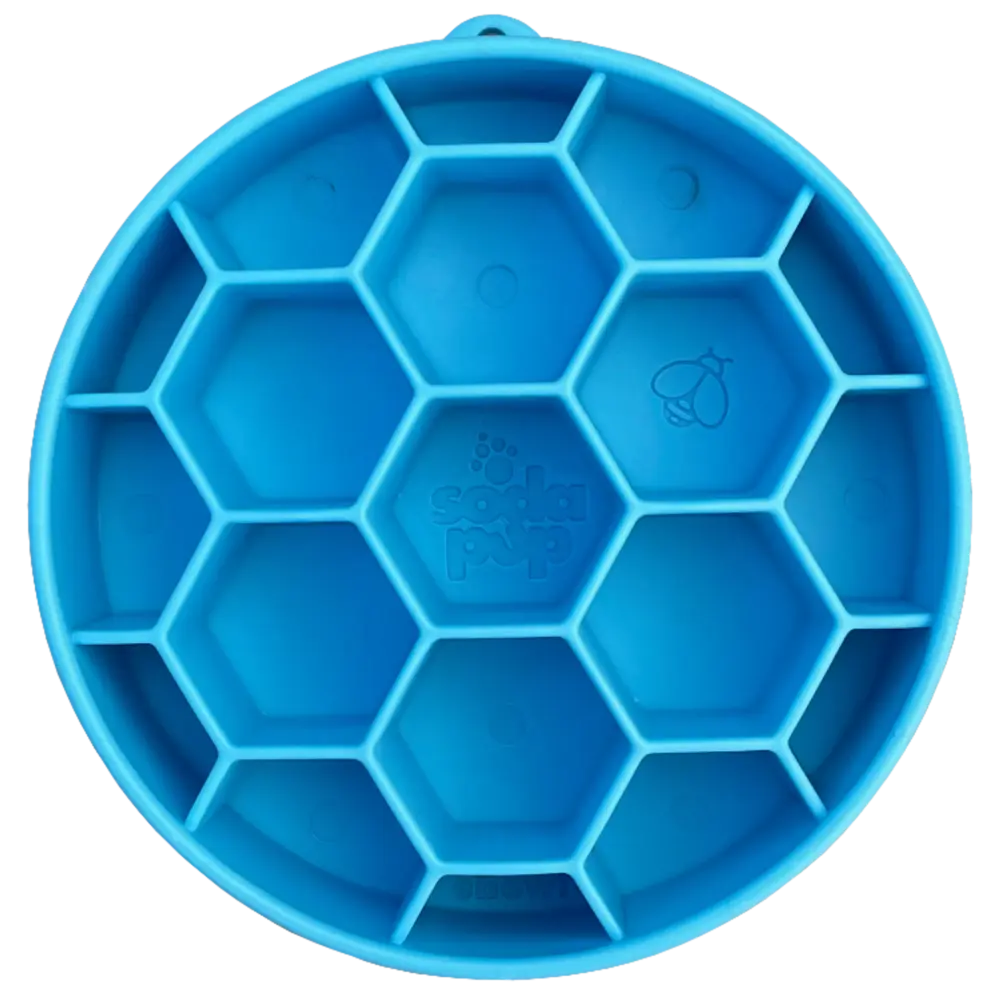
SodaPup
Honeycomb Slow Feeder Dog Bowl, View product
$30.95
Why it fits: A deep honeycomb bowl for the meal you release; its ridges make a fast eater slow down and pick food out bit by bit. Dishwasher safe.
-
SodaPup
Jigsaw Enrichment Lick Mat for Dogs & Cats, Choose color
$25.95
Why it fits: A job for a second dog behind a gate while you train the first; spread wet food in the jigsaw grooves and freeze it for a longer session.


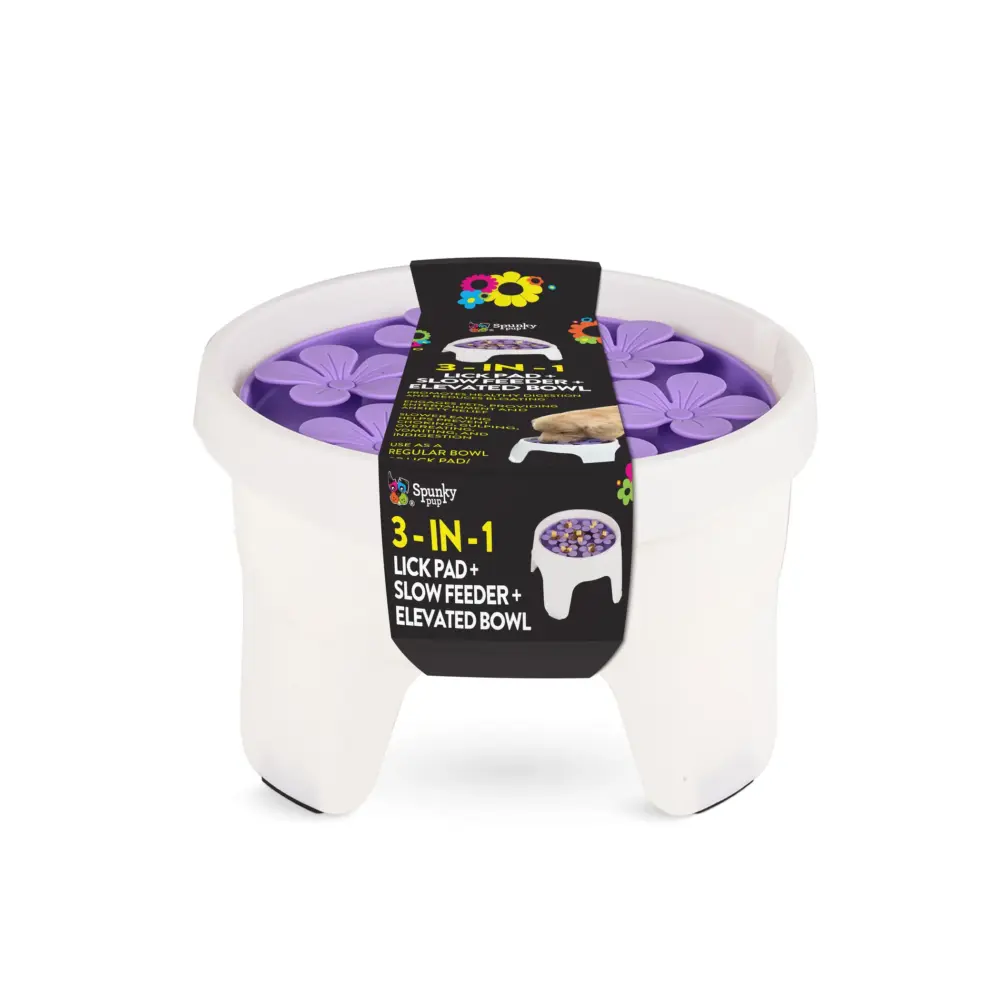
If you would rather have one piece for both jobs, the Spunky Pup 3-in-1 Lick Pad, Slow Feeder & Elevated Bowl puts a lick-pad side and a slow-feeder side on a single piece of food-grade silicone that goes in the dishwasher. It also works as a raised bowl; ask your veterinarian whether that suits your dog before you use it that way.
Related guides
-
How-to
How to Stop a Dog Begging at the Table: A Mealtime Plan That Holds Up
Make the table stop paying: a no-scraps rule everyone keeps, your dog’s own dinner served as you sit down, a go-to-your-bed cue with a lick mat as the job, and a gate or tether while the habit forms.
-
Comparison
Slow Feeder vs Lick Mat: Which One Does Your Dog Need?
A slow feeder stretches out a meal; a lick mat fills time and settles a dog. Buying the wrong one for the problem is the usual mistake. This comparison covers both, including the dogs who defeat them.
-
Comparison
Raised vs Floor Dog Bowls: Which Is Better for Your Dog?
A bowl on the floor suits most dogs. See why owners buy elevated feeders, what the AKC and Merck say about raised bowls and bloat, which dogs a veterinarian may still suggest one for, how to check height and stability, and the bloat signs that need a vet now.