Feeding & Enrichment
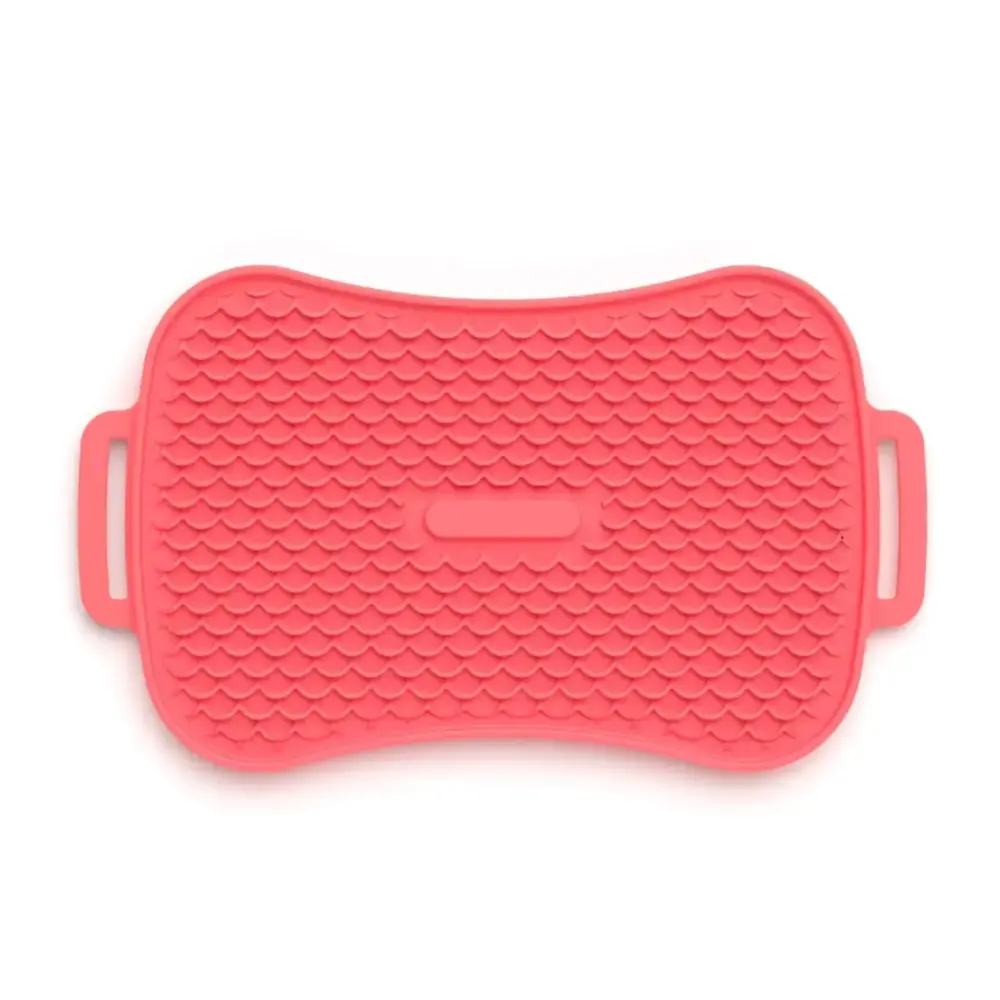
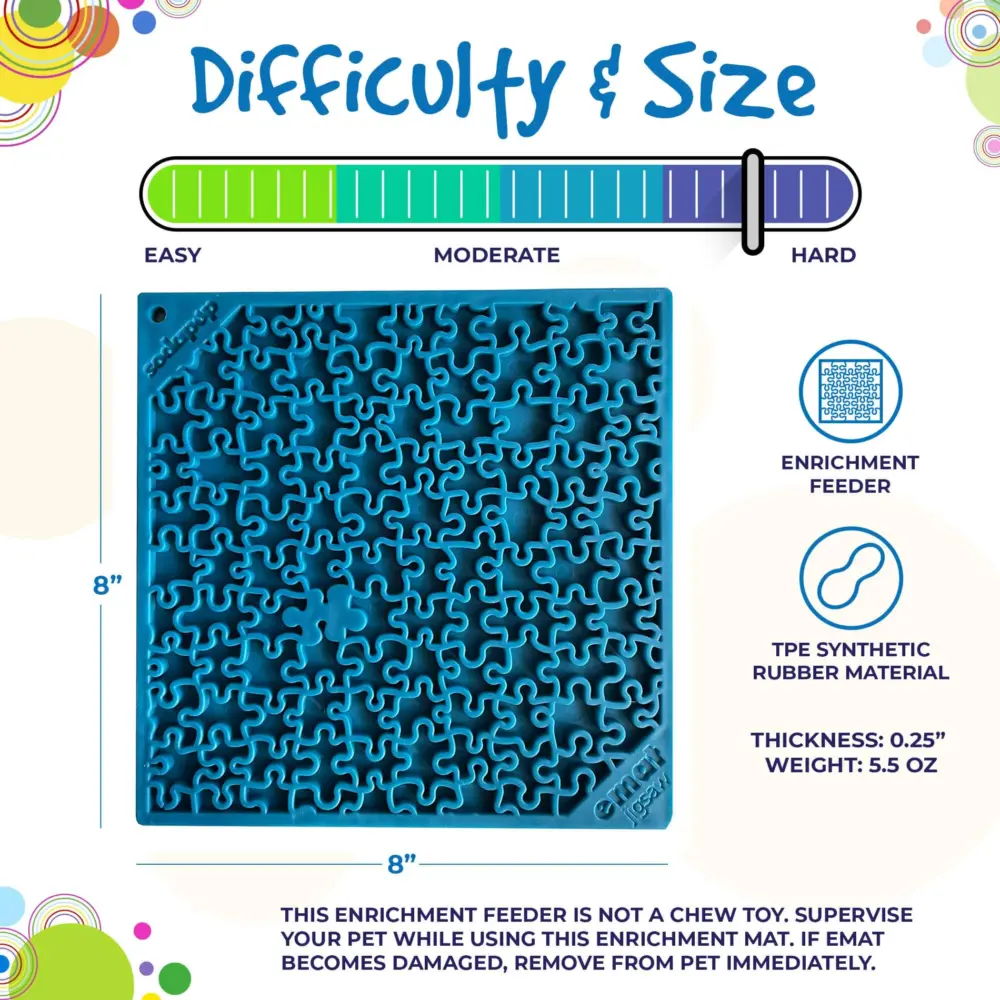
A meal can be more than a bowl. What to put on a lick mat covers simple spreads, freezing and cleaning, and food enrichment for dogs adds easy ideas, from scatter feeding to a towel snuffle.
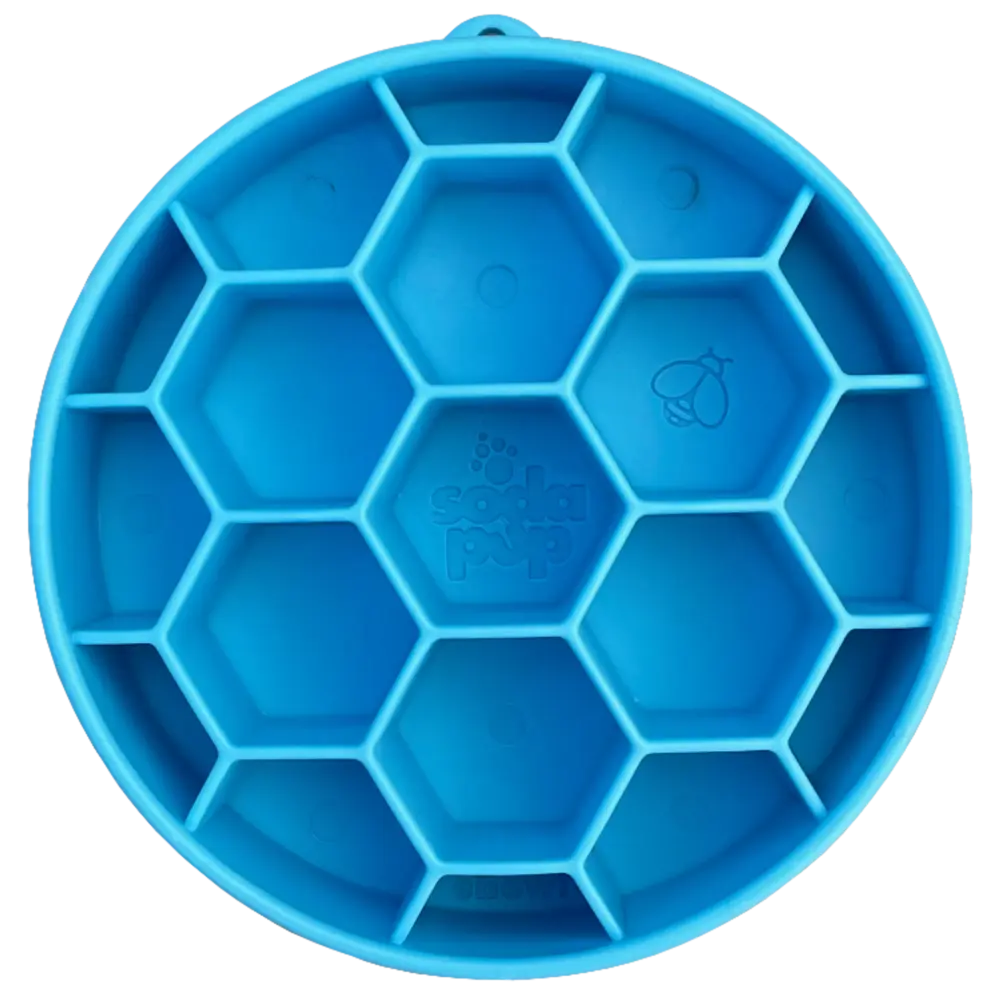
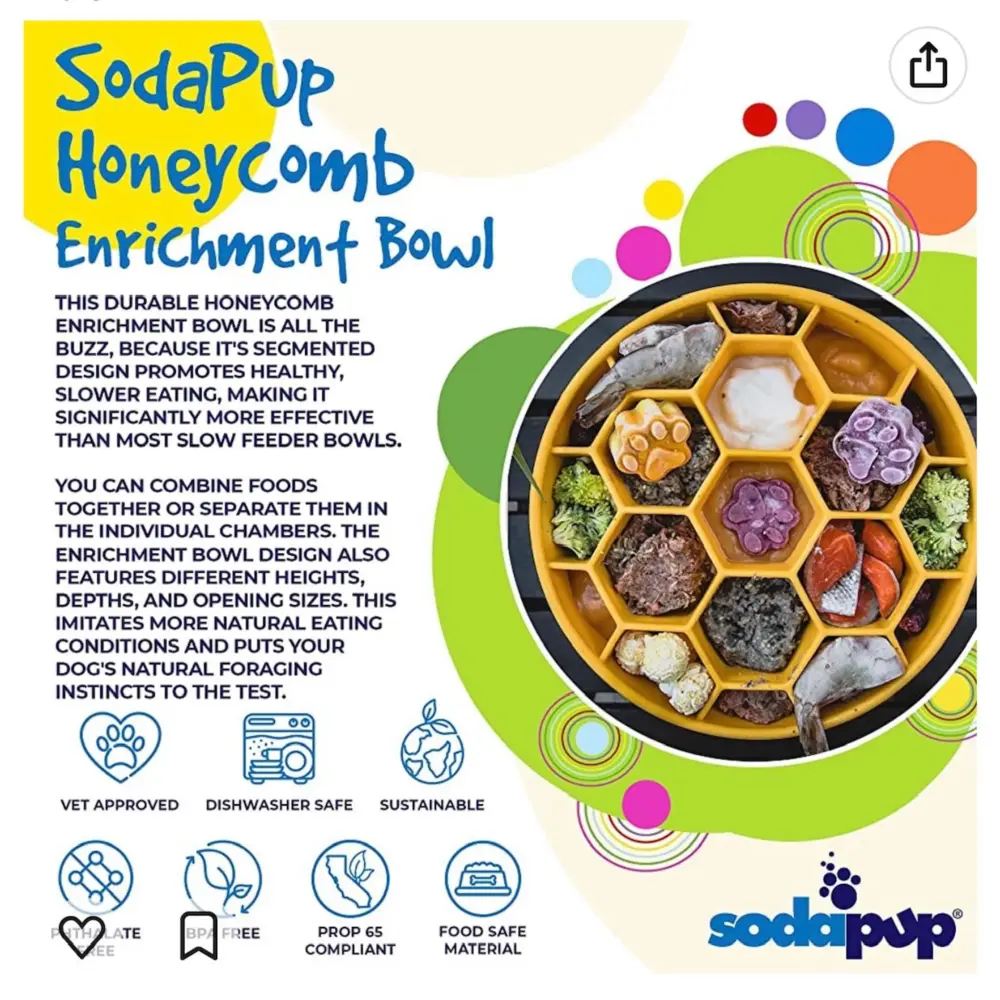
If your dog finishes dinner in seconds, see how to slow down a dog that eats too fast. Cats get their own version, built around spreading and splitting meals. These guides cover how to feed, not what to feed: for diet, portions or weight, ask your veterinarian. The lick mats and slow feeders mentioned are in lick mats and slow feeder bowls.
-
How-to
How to Clean a Lick Mat Properly, Including the Grooves
A lick mat is a textured surface designed to hold food, which is exactly what makes it hard to clean. This covers rinsing before it sets, the soak that does most of the work, when the dishwasher is fine, and what frozen toppings leave behind in the pattern.
-
Comparison
Slow Feeder vs Lick Mat: Which One Does Your Dog Need?
A slow feeder stretches out a meal; a lick mat fills time and settles a dog. Buying the wrong one for the problem is the usual mistake. This comparison covers both, including the dogs who defeat them.
-
How-to
Where to Put Cat Food and Water Bowls, and How Far From the Litter Box
Choosing the spot for your cat’s food and water: how far to keep them from the litter box, why water belongs away from the food, which rooms and corners to avoid, feeding several cats or a cat with a dog, and how to move the bowls without putting your cat off its meals.
-
How-to
How to Teach a Dog to Wait for Their Food Bowl, Step by Step
Lower the bowl only while your dog stays sitting, then release them to eat. This step-by-step plan uses your dog’s own meals and covers longer waits, distractions, jumping, barking and lunging, multi-dog kitchens, and what to do if your dog guards the bowl.
-
How-to
How to Stop a Dog Begging at the Table: A Mealtime Plan That Holds Up
Make the table stop paying: a no-scraps rule everyone keeps, your dog’s own dinner served as you sit down, a go-to-your-bed cue with a lick mat as the job, and a gate or tether while the habit forms.
-
Comparison
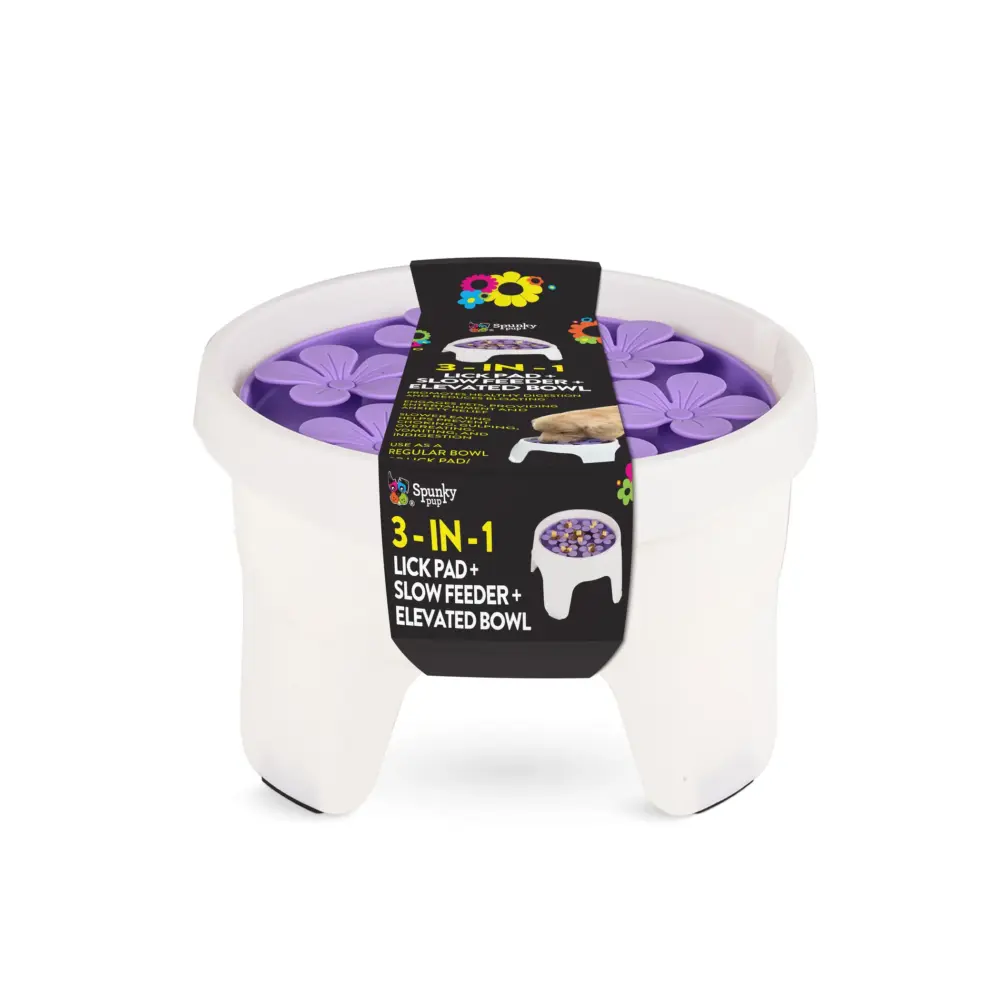
Raised vs Floor Dog Bowls: Which Is Better for Your Dog?
A bowl on the floor suits most dogs. See why owners buy elevated feeders, what the AKC and Merck say about raised bowls and bloat, which dogs a veterinarian may still suggest one for, how to check height and stability, and the bloat signs that need a vet now.
-
How-to
How to Get a Dog to Drink More Water: Bowls, Meals and Walks
Simple ways to get more water into a dog who barely drinks: cleaner bowls in better spots, soaked kibble, wet food and frozen lick mats, water on walks, whether water should stay out at night (puppies are the exception) and the signs that mean a call to your veterinarian.
-
Guide
How to Get a Cat to Drink More Water, and When to Call the Vet
How to get more water into a cat who barely drinks: the bowls and spots cats prefer, fountains and faucets, wetter meals and a lick mat, extra bowls for multi-cat homes, how much water a cat needs, and the drinking changes that need a veterinarian.
-
Comparison
Free Feeding vs Scheduled Meals for Dogs and Cats, and How to Switch
Leaving food out all day is easy, but set meals show you who ate what and when appetite changes. Compare the two side by side, see how many meals dogs, cats, puppies and kittens usually get, and move a grazer to mealtimes one step at a time.
-
Comparison
Should You Feed a Dog Before or After a Walk? Meal and Exercise Timing
Walk first and feed once your dog has settled. Compare feeding before and after a walk, see how long to wait around sniff walks, runs, fetch and hikes, follow a simple daily schedule, handle water and puppy potty trips, and learn the bloat signs that mean an emergency vet visit.
-
Guide
Are Communal Water Bowls Safe for Dogs? Parks, Patios and Rest Stops
Shared bowls at dog parks, café patios and rest stops can pass along kennel cough, giardia, leptospirosis and more. See which dogs should skip them, how to check a bowl when there's no other option, why puddles and ponds need caution too, and what to ask your veterinarian.
-
Comparison
Best Material for Dog Bowls: Steel, Ceramic, Silicone or Plastic?
Stainless steel suits most dogs as the everyday bowl, but not every dog. Compare steel, ceramic, silicone and plastic on cleaning, chewing, sliding and noise, and see which suits chewers, bowl pushers, cats and trips.