Feeding & Enrichment How-to
How to Get a Dog to Drink More Water: Bowls, Meals and Walks
Short answer
Put fresh water in more places and more water in the food: wash and refill the bowl daily, add a bowl where your dog rests, soak kibble or mix in wet food, and offer water on walks. Healthy adult dogs should have water day and night. If drinking suddenly drops or climbs, call your veterinarian.
How much water does a dog need?
There’s no exact daily target to hit. AKC gives two rules of thumb: about 40 to 60 milliliters per kilogram of body weight a day in its guide to why a dog drinks a lot, and at least an ounce per pound in its dehydration advice. For a 50-pound dog, that works out to roughly 4 to 6 cups a day.
Ordinary things move that number, so a dog who seems to drink very little may still be getting enough:
- Food. Wet food is mostly water, so a dog on canned food often drinks far less from the bowl than a dog on kibble.
- Weather and exercise. Dogs drink more on hot days and after activity, less on cool, quiet ones.
- Size. A small dog’s whole day of drinking can look like almost nothing in a big bowl.
- Age and health. AKC notes that puppies, senior dogs, nursing mothers and toy breeds are at higher risk of dehydration, and that some medications make dogs drink more.
AKC says it isn’t normally necessary to measure exactly what your dog drinks; what matters is a change from their usual. If you’re worried, fill the bowl to a set level for a day or two and note how much you add back. That gives your veterinarian something concrete to work with.
Get your dog drinking more, step by step
What you need:
- Two or more bowls, so there’s water in each room your dog spends time in, plus a spare for wash days.
- A non-slip mat under each bowl, for steady footing and drier floors.
- Wet food or warm water to stretch meals, and a deep bowl or lick mat to serve them in.
- A water bottle with a bowl for walks and car trips.
- A note on your phone of what you changed and when, so you can tell what worked.
- Rule out illness first. If your dog has gone off water suddenly, or is also off food, vomiting or unusually tired, call your veterinarian before trying anything else.
- Start with a clean bowl. Empty, wash and refill it every day instead of topping it up.
- Add water where your dog rests. Put a second bowl near their bed or favorite spot, and one on each floor, so a drink never means a trip.
- Make the spot comfortable. Use a steady bowl on a non-slip mat, away from loud appliances and busy doorways.
- Add water to one meal a day. Soak kibble in warm water or mix in some wet food, starting small.
- Offer water at natural moments. After naps, play and walks, set a bowl down near your dog and praise them calmly when they drink.
- Add a cool treat on warm days. Offer a frozen lick mat of wet food thinned with water, or a few ice cubes.
- Keep what works. After a week, check your notes, keep the changes your dog responds to and drop the rest.
Fresh water in more places
Fresh, clean and full
Change the water at least once a day and wash the bowl each time. A bowl that smells of old food or leftover soap is an easy reason for a fussy dog to walk away, and our guide on how often to wash dog bowls has the routine, slimy film included. Refill in the evening so fresh water sits out overnight, and choose a bowl big enough that it can’t run dry by mid-afternoon.
Where to put the bowls
- Near where your dog naps, since many dogs drink when they wake.
- On every floor, especially for seniors and small dogs, so the stairs don’t stand between them and a drink.
- On footing they trust. An older dog with stiff legs may avoid slick tile, so a rug or mat under the bowl can help.
- In the shade outdoors, checked often, because water left in the sun warms up and collects leaves and bugs.
Add water to meals
Food is the easiest place to add water, especially for a dog who would rather eat than drink. You’re changing how much water is in the meal, not how much food your dog gets. If your dog eats a prescription or special diet, ask your veterinarian before adding anything.
Soaked kibble
Pour warm, not hot, water over your dog’s usual portion and let it soften for a few minutes. Start with a splash and add a little more over the following days if your dog eats it happily. Soaked food doesn’t keep like dry kibble, so throw out what’s left after the meal and wash the bowl.
Wet food in the mix
Mixing some wet food into kibble, or swapping part of a meal for it, adds water without adding a new routine. Make the switch gradually over several days to spare your dog’s stomach, and trim the kibble so the day’s total stays about the same.
Frozen lick mats and ice cubes
Thin wet food with a little water, spread it into the grooves of a lick mat and freeze it. Your dog gets a slow, cool snack with extra water in every lick. For spreads, freezing times and the foods to leave off the mat, see what to put on a lick mat. AKC also mentions ice cubes to chew on, and a few floating in the water bowl work too.
Two pieces from our feeding and enrichment collection suit these wetter meals, and both go in the dishwasher, which helps with anything that holds soaked or wet food.
-
SodaPup
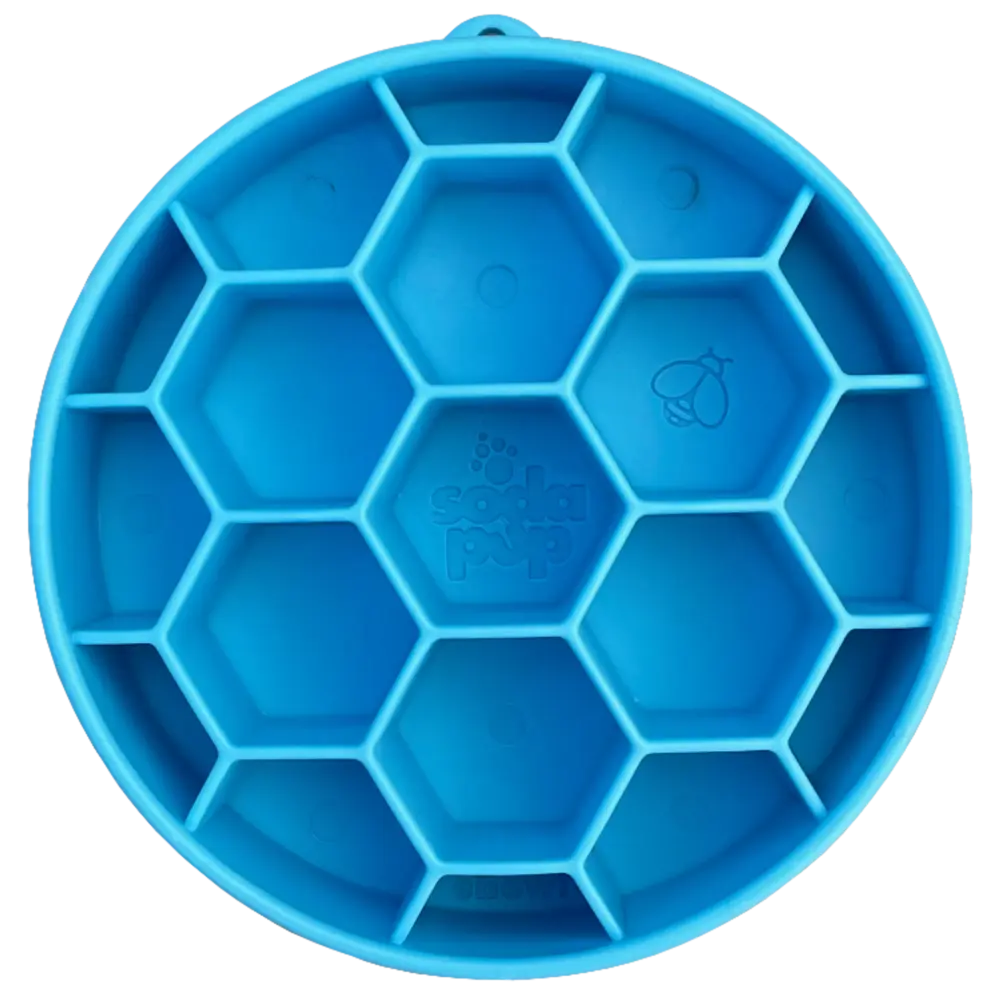
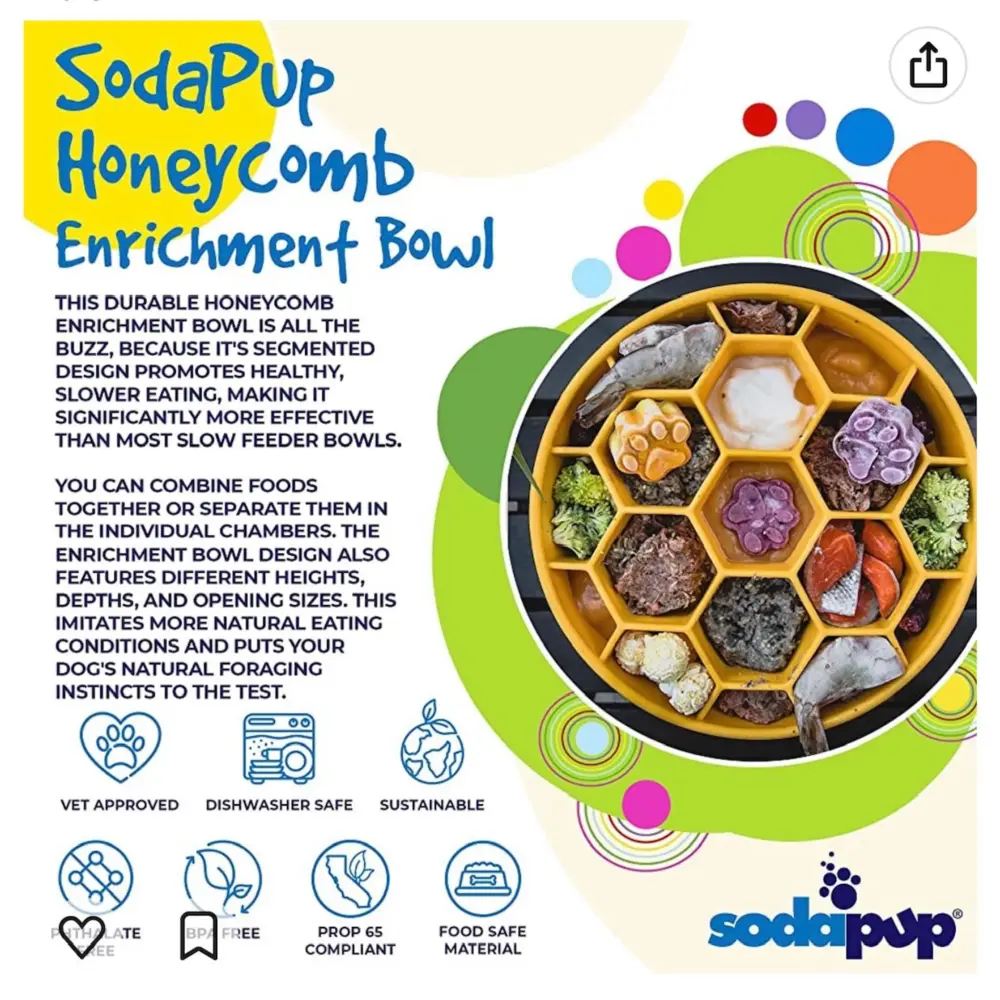
Honeycomb Slow Feeder Dog Bowl, View product
$30.95
Why it fits: A deep bowl that holds kibble soaked in water or a wet food mix; the honeycomb ridges also make a fast eater slow down. Dishwasher safe.
-
SodaPup
Jigsaw Enrichment Lick Mat for Dogs & Cats, Choose color
$25.95
Why it fits: Turns wet food thinned with water into a frozen lick session, a cool way to add water on warm days. Suits dogs of all sizes; supervise use.


Water on walks and outings
Dogs on the move often don’t stop to drink unless you offer. On anything longer than a short loop, carry water and offer it at each break and again when you get home. Offer it more often on hot or humid days: the ASPCA’s hot weather safety tips warn that pets can get dehydrated quickly.
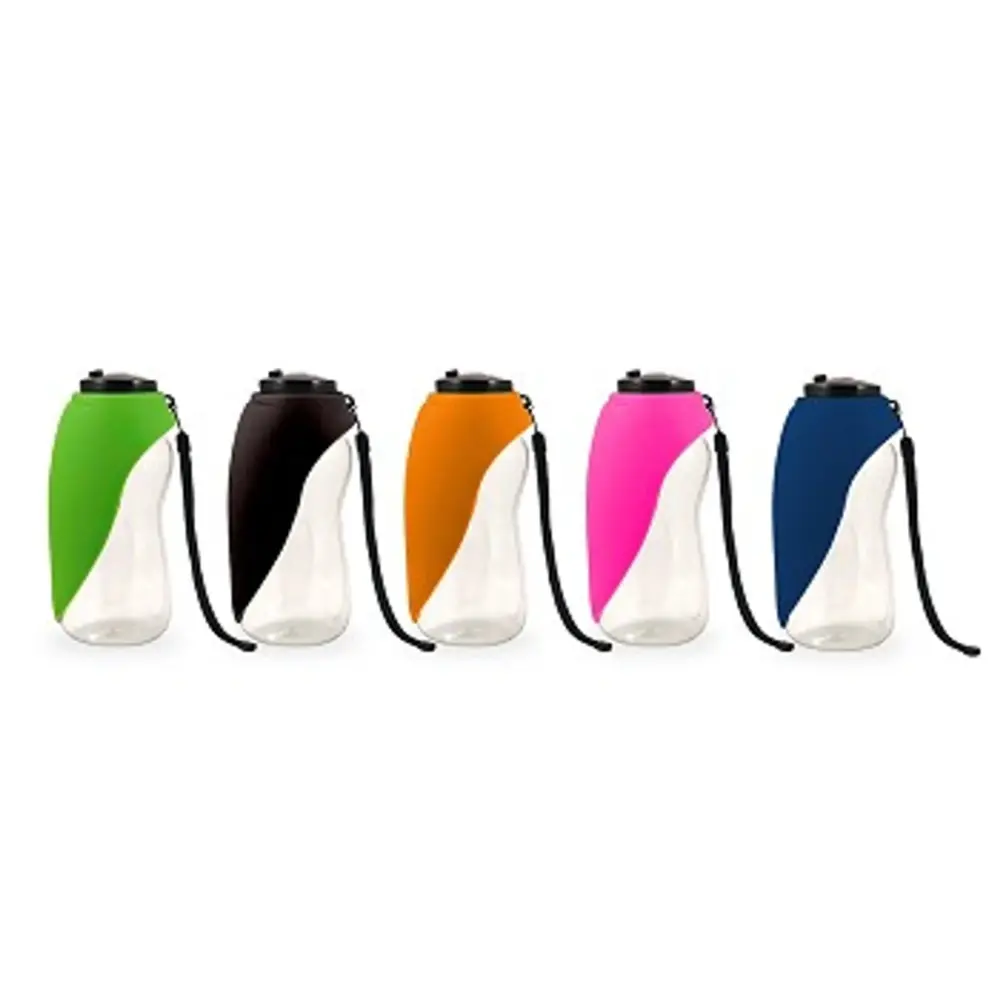
A bottle with a built-in bowl makes that a one-handed job. The Flipo Fold-A-Bowl Dog Water Bottle holds 26 ounces, its cover folds out into a bowl, and a wrist strap leaves your other hand for the leash. Our comparison of a dog water bottle vs collapsible bowl weighs that design against a separate folding bowl. Carrying your own water also gives your dog less reason to drink from puddles, ponds or a shared bowl outside a cafe.
During and after hard exercise
On a run, a hike or a long game of fetch, offer smaller drinks more often rather than letting your dog tank up and race off again. VCA’s page on bloat in dogs notes that exercise after eating a large meal or drinking large amounts of water may increase the risk, and the condition is seen most often in large, deep-chested dogs. Our guide on whether to feed a dog before or after a walk covers timing meals and water around exercise.
Safety note
Retching without bringing anything up, heavy drooling, restlessness or a swollen belly are among the bloat signs VCA lists, and any dog can bloat, not only large breeds. If you see them, go to a veterinarian or emergency clinic immediately.
Away from home
Many dogs drink less when they’re excited or nervous, so offer a drink once your dog has settled. VCA’s advice on road trips with your dog is to offer water at every rest stop and bring some from home, since water in other areas can contain different minerals that may upset the stomach.
Should water stay out all day and at night?
For a healthy adult dog, yes. The ASPCA’s general dog care advice is that clean, fresh water should be available at all times, and AKC’s crate-training advice includes water in the crate. On days you’re out, leave water in two spots in case one bowl gets tipped over. If your veterinarian gives you different instructions, for example before surgery, follow them.
Puppies in housetraining
Puppies are the usual exception, and only in the evening. AKC’s advice on whether a puppy is drinking enough water is to give your puppy their regular amount of water through the day, because puppies dehydrate more easily than adult dogs, and to remove food and water about two to three hours before bedtime while you housetrain. Take your puppy out after a big drink and for a last potty break before bed. On hot nights, or if your puppy seems unwell, ask your veterinarian before you lift the bowl.
Older dogs who start waking to pee
If an adult or senior dog has started asking to go out at night or having accidents, don’t take the water away. AKC counts both among the signs that a dog is drinking more than usual, which is a reason for a veterinary visit.
Picky drinkers: what to try
When a dog walks up to the bowl, sniffs and leaves, the bowl, its spot or the water itself may be the problem.
The bowl is noisy or slides
A metal bowl that rings when tags hit the rim, or skates across the floor, can bother a noise-sensitive dog. Set it on a rubber mat, or try a heavier ceramic bowl or a silicone one; our guide to the best material for dog bowls weighs up each. Leave the old bowl out beside the new one for a few days rather than swapping overnight.
Drinks from the toilet or puddles
Some dogs simply prefer water that’s cooler or fresher than what’s in their bowl. Wash and refill more often, add a few ice cubes, and keep the toilet lid down, especially if you use a cleaner in the bowl or tank.
Another pet guards the water
In a home with more than one pet, a dog who gets pushed away from the bowl may just go without. Put bowls in separate rooms so each pet has one they can reach in peace. Cats have their own ideas about water, so see how to get a cat to drink more water for setting up theirs.
A little flavor, with care
For a reluctant drinker, AKC’s dehydration advice mentions flavoring water with bone broth. Serve it in a second bowl, keep plain water out as well, and swap it for fresh water within a few hours. Use a broth made for dogs or one with no added salt, and read the label: many broths made for people contain onion or garlic, which the ASPCA lists among the people foods to keep away from pets, and it notes that too much salt can cause increased thirst and urination.
Mistakes that work against you
- Topping up instead of washing. Fresh water poured onto a stale bowl still tastes and smells of the old one.
- Leaving soaked food out. Soaked kibble, wet food and flavored water spoil, so lift them after the meal or within a few hours.
- Squirting water into your dog’s mouth. If a dog won’t drink, that’s a job for your veterinarian, not a syringe at home.
- Changing everything on the same day. A new bowl, spot and food all at once leaves you guessing which one your dog objected to.
When to call your veterinarian
A clear change in drinking that the weather, exercise or diet can’t explain deserves a call.
Drinking less, or signs of dehydration
AKC’s guide to dehydration in dogs lists signs including dry, sticky gums; sunken, dry-looking eyes; thick saliva; loss of skin elasticity; low energy; panting; and loss of appetite. It also describes two quick checks:
- Skin. Gently lift the skin near the shoulder blades and let go. It should spring straight back; in a dehydrated dog it is slower to settle.
- Gums. Press a finger on the gum and lift it. The spot turns white, then should return to pink almost at once.
Safety note
AKC treats dehydration as a medical emergency. Call your veterinarian right away if you see these signs, or if your dog won’t drink at all or is vomiting or has diarrhea.
Drinking more than usual
AKC’s guide to excessive thirst counts more than 30 medical causes, diabetes and kidney disease among them, and some medications raise thirst too. Tell your veterinarian if you’re refilling the bowl more often or your dog is peeing more or having accidents indoors; AKC notes that catching it early can make a real difference.
Too much water at once during play
Dogs who swim, retrieve from water or bite at a hose or sprinkler can swallow far more than they mean to. AKC’s article on water intoxication says toy and small dogs are at greater risk, and lists signs such as lethargy, vomiting, loss of coordination, drooling and pale gums. Build in rest breaks, use a flat toy such as a flying disc for water games, and don’t let your dog bite at a high-pressure stream. If those signs appear after water play, call a veterinarian immediately.
Related guides
-
Comparison
Should You Feed a Dog Before or After a Walk? Meal and Exercise Timing
Walk first and feed once your dog has settled. Compare feeding before and after a walk, see how long to wait around sniff walks, runs, fetch and hikes, follow a simple daily schedule, handle water and puppy potty trips, and learn the bloat signs that mean an emergency vet visit.
-
Guide
How Often Should You Wash Dog Bowls? Food, Water, Slow Feeders and Lick Mats
Wash water and dry-food bowls daily and wet-food bowls after every meal. Here is how to scrub off the slimy film, when the dishwasher is enough and when to disinfect, how to reach into ridged slow feeders and lick mats, and how to care for travel bottles and cat bowls.
-
How-to
How to Teach a Dog to Wait for Their Food Bowl, Step by Step
Lower the bowl only while your dog stays sitting, then release them to eat. This step-by-step plan uses your dog’s own meals and covers longer waits, distractions, jumping, barking and lunging, multi-dog kitchens, and what to do if your dog guards the bowl.