Feeding & Enrichment Comparison
Should You Feed a Dog Before or After a Walk? Meal and Exercise Timing
Short answer
Walk first, then feed once your dog has stopped panting and settled. Hard exercise after a big meal or a big drink may raise the risk of bloat, so keep after-meal outings to a slow potty trip. For large breeds, the AKC advises avoiding strenuous exercise for one to two hours after eating.
Timing barely matters for a two-minute bathroom trip and matters a lot for a run, a long game of fetch or a hike. What you are really managing is hard exercise on a full stomach, and it deserves the most care in big, deep-chested dogs. Which hours of the day suit walks is a separate question, covered in our guide to the best time to walk a dog.
Before or after a walk: side by side
There are three common ways to fit meals around walks. Here is where each works, and where it goes wrong.
| Option | How it goes | Wins for | Watch for |
|---|---|---|---|
| Walk first | Walk, settle, then the bowl | Most adult dogs, most days | A hungry dog bolting the meal |
| Feed first | Meal, then a slow potty stroll | Puppies; fixed meal times | The stroll turning into play |
| Split the day | Hard exercise far from meals | Runners, hikers, deep-chested dogs | Needs a little planning |
When walking first wins
For most adult dogs, a walk before breakfast and another before dinner is the simplest routine. Your dog goes out on an empty stomach, uses up some energy, comes home, eats and then rests, so the meal is followed by a nap rather than activity. The one catch is appetite: a dog fresh off a walk may attack the bowl, which is why the slowing tips further down matter.
When feeding first is fine
Feeding before going out works when the outing is a short, calm bathroom trip rather than exercise. That makes it the normal pattern for puppies, who need to go out soon after eating, and for homes where a meal has to happen at a fixed time, for example because your veterinarian wants a medication given with food. Keep that trip to a slow sniff on the leash and save the real walk for later.
When to split the day
If your dog runs, hikes or plays hard fetch, or belongs to a breed prone to bloat, give the hard exercise its own part of the day, well away from both meals: say, breakfast first thing, the run or fetch session a few hours later, and an easy stroll before dinner. If the run has to come before breakfast, give your dog a long rest before the bowl goes down.
Why timing matters: bloat and upset stomachs
The main reason veterinarians advise a gap is gastric dilatation and volvulus (GDV), usually called bloat: the stomach fills with gas and can twist on itself, a life-threatening emergency. VCA Animal Hospitals’ guide to bloat in dogs lists exercise after eating a large meal or drinking large amounts of water among the things that may increase the risk, and the Merck Veterinary Manual’s chapter on gastric dilation and volvulus includes restricting exercise before and after meals in its prevention advice.
The risk is not the same for every dog. VCA names these risk factors:
- Build: large, deep-chested breeds, including Great Danes, Saint Bernards, Weimaraners, Irish and Gordon Setters, Standard Poodles, Basset Hounds, Doberman Pinschers and Old English Sheepdogs.
- Age: middle-aged to older dogs, the highest-risk group.
- Feeding: only one meal a day, and eating fast.
- Other factors: a thin or underweight body, a fearful or anxious temperament, or a family history of bloat.
Bloat is not the only reason to wait. Some dogs that run, wrestle or chase a ball on a full stomach simply bring the meal back up. If your dog falls into a higher-risk group, ask your veterinarian for a feeding and exercise plan, and whether a preventive gastropexy, which VCA calls the most effective means of prevention, makes sense for them.
How long to wait, by type of exercise
For large breeds, the AKC’s guide to large-breed dog food advises avoiding strenuous exercise for one to two hours after eating. VCA and Merck give no figure, and none of these sources says how long to rest after exercise before a meal. The right gap depends on your dog’s size, age, health and meal size, so use the table as a starting point, ask your veterinarian for a figure that fits your dog, and keep the rule of thumb: the harder the exercise, the bigger the gap on both sides of the meal.
| Activity | Right after a meal? | Better timing |
|---|---|---|
| Potty trip | Yes, slow and short | Whenever it is needed |
| Sniff walk | Only after a rest, kept short | Before the meal |
| Brisk walk | No | Before the meal, then a calm wait |
| Run or fetch | No | Well away from both meals |
| Hike | Not after a big meal | Light snacks at rest stops |
| Calm training | Yes, if it stays calm | Before a meal, using part of it |
Easy sniff walks. A slow, nose-down walk at your dog’s pace is the gentlest outing there is. If dinner has to come before the evening walk, let your dog rest first, keep that walk slow and short, and save brisk walking for another time of day.
Runs, fetch and rough play. Keep these furthest from meals, in both directions. A dog that has just sprinted after a ball should be breathing normally and calm before dinner goes down, and a dog that has just eaten should not be invited to play.
Hikes and long days out. On a long hike, some eating during exercise is unavoidable. Since the concern is a large meal, skip a big breakfast right before you set off and serve the main meal once you are home and your dog has rested. On the trail, the National Park Service’s advice on hiking with pets is to bring extra water and a light snack, with a treat at rest points. Ask your veterinarian how to feed for long or strenuous days.
A simple daily schedule around walks and meals
Here is how a two-walk, two-meal day fits together for an adult dog. Shift the times to suit your household, but keep the order.
- Wake-up: a quick bathroom trip in the yard or just outside the door.
- Morning walk: the longer outing, or your run if you exercise together.
- Back home: fresh water, harness off and a few quiet minutes while you get ready.
- Breakfast: once your dog has stopped panting and is calm, ideally from a slow feeder.
- After breakfast: rest, not play. It is a good time for you to leave for work.
- Midday: a short bathroom break, or a gentle stroll if someone is home.
- Evening walk: the other main walk of the day, before dinner.
- Dinner: once your dog has settled, followed by a quiet evening.
- Bedtime: a short last bathroom trip on the leash.
Why two meals rather than one? VCA lists feeding only one meal a day as a bloat risk factor, and the AKC’s overview of bloat in dogs says dogs fed one meal a day are twice as likely to bloat as those fed two. How many meals your dog needs is a question for your veterinarian, especially for puppies and dogs on a special diet; our comparison of free feeding and scheduled meals covers the options. Set meal times are also what make this routine work: a dog grazing from a full bowl all day never quite walks on an empty stomach.
Tip
Running late or skipping the morning walk? Keep the order anyway: a short bathroom trip, then breakfast and a rest, and move the longer walk to later in the day instead of squeezing it in straight after the meal.
Water before, during and after exercise
Water is not something to hold back to fit a schedule. A healthy adult dog should have fresh water available all day at home, and needs more on warm days and after exercise. VCA’s caution is about large amounts of water combined with exercise, so the aim is steady small drinks, not none.
- Before the walk: let your dog drink normally, but don’t encourage a long drink right before a run or hard play.
- During: offer small drinks at rest stops, especially in warm weather and on longer walks. Carry your own water rather than letting your dog drink from puddles or ponds.
- After: let your dog drink while resting. If yours drains a full bowl in one go after a hot walk, offer the water in a few smaller rounds a few minutes apart and keep things quiet afterward.
- Water games: swimming and fetching from a lake add water you can’t measure. The AKC’s guide to water intoxication advises frequent rest breaks and says toy and small dogs are at greater risk.
How much a dog should drink, how to tempt a reluctant drinker and the signs of dehydration are covered in our guide on how to get a dog to drink more water.
Puppies: the potty trip right after meals
Puppies flip the usual order. VCA’s guide to house training puppies and dogs lists after a meal or a big drink of water among the times to take a puppy out, along with right after a nap and every half hour during high-energy times such as running and playing. So a puppy does go outside straight after eating, but for a bathroom break, not a walk.
- Take your puppy to the same spot on the leash, stand quietly and let them sniff.
- Praise and reward the moment they go, then head back inside.
- Save fetch, tug and wrestling with other dogs for before the meal or much later.
- Expect more meal-and-potty cycles than with an adult dog, and ask your veterinarian how many meals suit your puppy’s age and breed.
Slowing down the meal after a walk
A walk sharpens the appetite, and a dog that comes home hungry and wound up is the one most likely to inhale dinner. VCA lists rapid eating as a bloat risk factor, and the AKC’s bloat overview puts fast eaters at five times the risk of slow eaters. A few habits help:
- Let your dog settle first. Unclip the leash, refill the water and give your dog a few minutes to stop panting. A calm sit before the bowl goes down helps; our guide on how to teach a dog to wait for food shows how.
- Use a bowl that slows things down. Ridges or a lick mat spread the meal out. Our guide to slowing down a dog that eats too fast covers patterns, kitchen-cupboard options and dogs who beat the bowl.
- Feed dogs apart. Merck includes decreasing stress at mealtime among its prevention steps, and a dog eating next to a rival tends to rush.
- Don’t count on bowl height. A raised bowl won’t slow a fast eater, and Merck advises against elevated bowls for at-risk breeds; our comparison of raised vs floor dog bowls weighs the evidence.
We carry only a few things that fit this routine, so the picks below come from Nilosi’s own catalog: one for water on the walk, and two for a slower meal or a quiet job once you’re home.
-
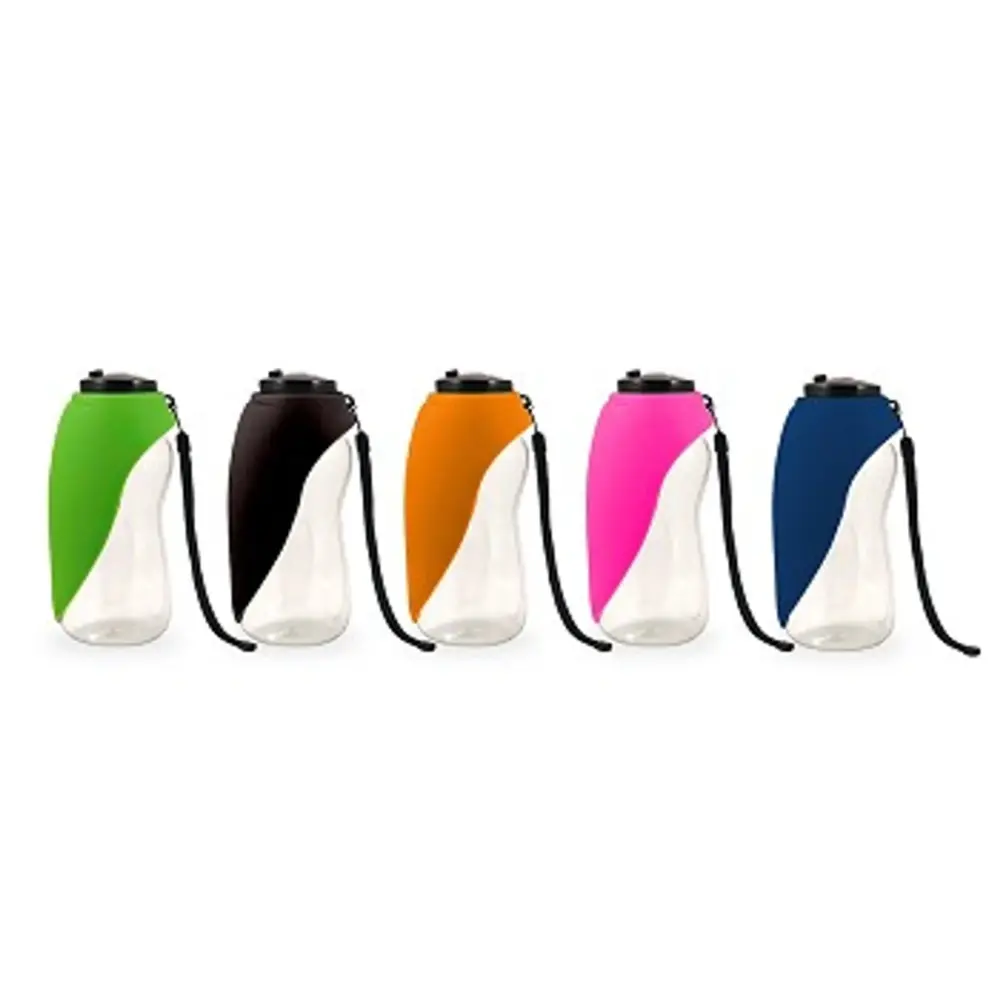
Flipo
Fold-A-Bowl Dog Water Bottle with Fold-Out Bowl, Choose color
$28.95
Why it fits: Makes small drinks at rest stops easy, with 26 oz in the bottle, a cover that folds out into a bowl and a wrist strap for one hand.
-
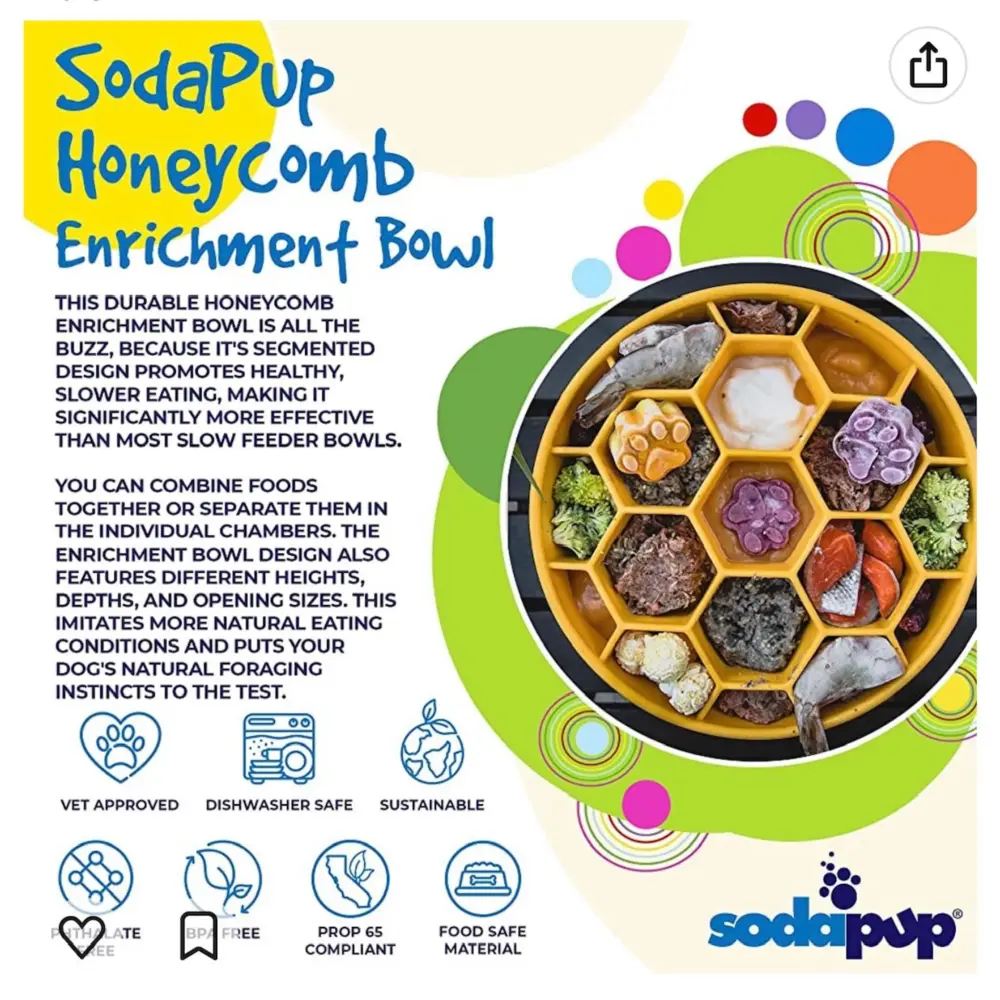
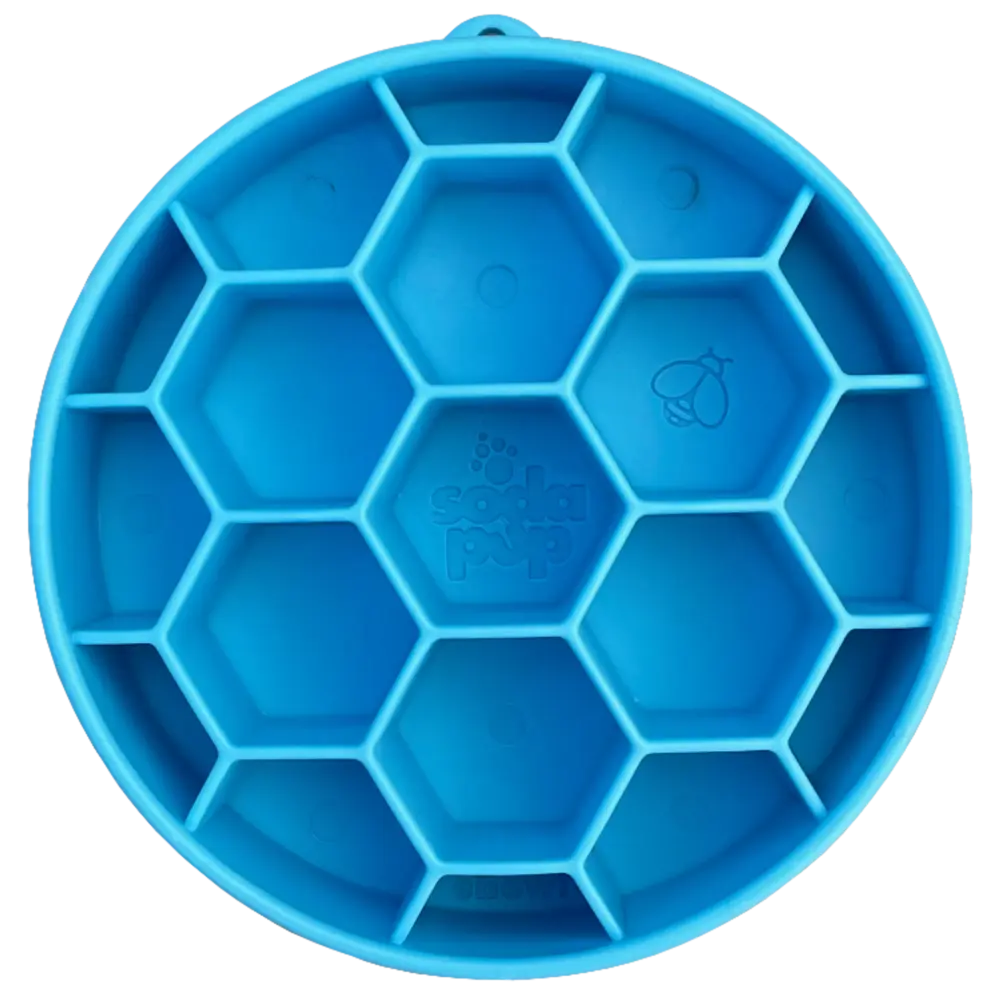
SodaPup
Honeycomb Slow Feeder Dog Bowl, View product
$30.95
Why it fits: Turns a hungry dinner after the walk into a slower meal, as honeycomb ridges in a deep bowl make your dog work for each mouthful.
-
SodaPup
Jigsaw Enrichment Lick Mat for Dogs & Cats, Choose color
$25.95
Why it fits: Gives your dog a quiet licking job after the walk; press part of a wet meal into the jigsaw grooves, or freeze it for a longer session.



Browse more feeding and enrichment gear.
Bloat signs that mean an emergency visit
Bloat is most common in large breeds, but VCA points out that any dog can bloat, even Dachshunds and Chihuahuas, so every owner should know the signs. Between them, VCA and the AKC describe:
- Retching or trying to vomit without bringing anything up.
- A swollen or bloated-looking belly, often most obvious on the left side.
- Heavy drooling.
- Restlessness or seeming distressed, or pain and whining when you press on the belly.
- Trouble breathing.
- Collapse, or being unable to stand.
Safety note
Bloat is an emergency. The AKC warns that without treatment, a dog with bloat will likely go into shock in only an hour or two, so don’t wait to see whether the signs pass. Call your veterinarian or the nearest emergency clinic on the way and go straight there, day or night.
Verdict: walk first, then feed a settled dog
For most dogs, walking before a meal wins. Your dog exercises on an empty stomach, comes home, settles and eats, and the meal is followed by rest. Feeding first is fine when the outing is only a slow bathroom trip, which is exactly what a puppy needs after every meal.
Keep runs, fetch and hikes away from meals on both sides, offer water little and often, and slow down a dinner that vanishes in seconds. For a large breed, the AKC’s starting point is one to two hours without strenuous exercise after eating; for a deep-chested or older dog, or one with a family history of bloat, ask your veterinarian for a specific gap.
Related guides
-
How-to
How to Get a Dog to Drink More Water: Bowls, Meals and Walks
Simple ways to get more water into a dog who barely drinks: cleaner bowls in better spots, soaked kibble, wet food and frozen lick mats, water on walks, whether water should stay out at night (puppies are the exception) and the signs that mean a call to your veterinarian.
-
Guide
How Often Should You Wash Dog Bowls? Food, Water, Slow Feeders and Lick Mats
Wash water and dry-food bowls daily and wet-food bowls after every meal. Here is how to scrub off the slimy film, when the dishwasher is enough and when to disinfect, how to reach into ridged slow feeders and lick mats, and how to care for travel bottles and cat bowls.
-
Comparison
Slow Feeder vs Lick Mat: Which One Does Your Dog Need?
A slow feeder stretches out a meal; a lick mat fills time and settles a dog. Buying the wrong one for the problem is the usual mistake. This comparison covers both, including the dogs who defeat them.