Walking & Training Comparison
The Best Time to Walk a Dog: Morning, Midday or Evening?
Short answer
For most dogs, the morning is the best time for the main walk: the bladder is full after the night, energy is high, and in summer the air and pavement are at their coolest. Add a second walk in the evening, a midday break for puppies and long workdays, and move the main walk toward midday in winter.
No single hour suits every dog, because three things change across the day: how much light there is, how hot or cold it is, and how long your dog has been waiting to go. How long each walk should last, and how many your dog needs, is a separate question, answered in our guide to how long you should walk a dog.
Morning, midday and evening walks at a glance
Most households settle on three or four outings: a morning walk, a midday break, an evening walk and a short trip before bed. Here is what each slot does well, and where it falls short.
| Time | Wins for | Watch for | Best season |
|---|---|---|---|
| Morning | Full bladder, energy, quiet streets | Darkness before sunrise in winter | All year; earliest in summer |
| Midday | Breaking up a long day alone | Peak sun and hot pavement in summer | Winter, for the main walk |
| Evening | Spending energy, then settling | Dark after work once clocks go back | Spring to fall; later in summer |
| Bedtime | The last bathroom trip of the night | Dark; keep it short and close | Every night, all year |
If you can manage only one proper walk, make it the morning one for most of the year and the midday one in deep winter. The other outings can be shorter.
Why a morning walk suits most dogs
By morning, your dog has gone the longest stretch of the day without a bathroom break. The AKC’s guide to potty training a puppy lists first thing in the morning as one of the times to take a puppy out, and most grown dogs, though they can wait longer, are keen to go soon after waking.
Should you walk your dog as soon as they wake up? Take them out to the bathroom right away. The longer walk can follow once you are dressed and ready, as long as it comes before you leave for the day. A morning walk also brings:
- A use for fresh energy. A dog who has slept all night is ready to go, and spending some of that energy early tends to make the quiet hours that follow easier for both of you.
- The coolest air and ground. On a summer day, the hours around sunrise are usually the coolest of the day, for the air and for the pavement.
- Quieter streets. With fewer cars, joggers and other dogs about, an early walk is a good time to practice loose-leash walking with fewer distractions.
The catch is light. For much of the winter an early walk starts before sunrise, so reflective gear and a light matter as much as they do after work; our dog walking essentials list covers that kit.
If breakfast and the walk share a slot, walk first. VCA Animal Hospitals notes that exercise after a large meal may increase the risk of bloat, which large, deep-chested breeds are most prone to, and our guide to feeding a dog before or after a walk covers the timing.
Safety note
Dawn and dusk are also when coyotes are most active, the National Park Service notes, though they can be out at any hour. Where coyotes live, in towns and suburbs as well as open country, keep your dog leashed and close to you, and pick up a small dog if one approaches.
Midday walks: a break in a long day
A midday outing is less about exercise than about the gap it fills. The AKC says even adult dogs shouldn’t be home alone for much longer than six to eight hours without a chance for a bathroom break, and from about three months old, a puppy can usually hold it for roughly an hour per month of age. A full working day away from home, plus the commute, usually means someone has to step in around lunch.
Midday is also the slot that swings most with the seasons. In winter it is the best time for the main walk. In summer it is the worst, best kept to a quick bathroom trip on shaded grass. And on a mild spring or fall day, it is often the nicest hour for a long weekend walk. The summer and winter section below covers both extremes.
Evening walks: winding down before bed
After a day of naps, many dogs have energy left by evening, and the walk after work gives them somewhere to spend it. If your mornings are rushed, let the evening walk be the slower, sniffier one of the day, with time to explore rather than just cover ground.
Keep the last outing of the night short, calm and close to home. It is a bathroom trip more than a walk, and the AKC pairs last thing at night with first thing in the morning on its list of puppy potty times. If a game of fetch at 10 p.m. leaves your dog wired rather than tired, move the active play earlier and keep the final trip quiet.
Sunset doesn’t mean the ground has cooled: blacktop that sat in the sun all afternoon gives up its heat slowly, so check it with your hand before a summer evening walk. Winter evenings bring a different problem: darkness, covered in the next section.
Shifting walk times for summer and winter
Summer: walks at the edges of the day
The AKC’s advice for protecting paws from hot pavement is to walk in the early morning or evening. In practice, that means the main walk as early as you can manage, a short, shaded bathroom trip in the heat of the day, and a second walk once the sun is low and the ground has cooled. Our guide on how hot is too hot to walk a dog covers the pavement check, water and the signs it’s time to head home.
Winter: the main walk moves toward midday
Cold flips the schedule. The middle of the day brings the most warmth and light, so move the longest walk there, and cut early and late outings to quick bathroom trips on bitter days. In most of the U.S., the clocks go back on the first Sunday in November, which puts the after-work walk in the dark for the rest of the winter; our guide to how cold is too cold to walk a dog covers temperature limits, coats and being seen on those evenings.
The clock change also moves your dog’s routine. A dog used to a walk and dinner at 6 p.m. may start asking at 5 p.m. by the new clock time. Moving walks and meals about 10 to 15 minutes later each day over the week before can make the change easier than a sudden hour’s jump.
Fitting walks around a work day
The best time on paper matters less than a time you can keep. Dogs settle into a predictable routine, and walks at roughly the same times each day let them know when the next outing is coming. Some common patterns:
- Office hours: a proper walk before you leave, a midday break from a dog walker, a neighbor or a trip home at lunch, the evening walk when you get back, and a short trip before bed. If someone else covers midday, our checklist of what to tell your dog walker helps with the handover.
- An early shift: if you leave before dawn, a bathroom trip and a short loop before you go, then make the afternoon walk the main one. In summer, wait until the heat breaks.
- A late shift: the main walk in the morning or early afternoon before you leave, and someone to cover the evening bathroom break if you get home late.
- Working from home: a walk before you log on, a short loop at lunch and the longer walk after you log off. Being home makes it easy to let walks slide to later, so put them on your calendar.
- Hybrid weeks: keep walk times the same on home and office days, so the office days don’t come as a surprise.
Tip
Weekends count, too. Your dog doesn’t know it’s Saturday, so take them out near the usual weekday time, even if you go back to bed and save the long walk for later.
Which time suits your dog
Age, build and temperament can tip the balance one way or the other:
- Puppies: first thing in the morning, after meals and naps, and last thing at night, with short trips spread through the day. At this age, timing matters more than distance.
- Older or stiff dogs: walks spread across the day rather than one long outing. VCA explains that in dogs with osteoarthritis, frequent short walks reduce the rest time between walks, when joints stiffen. Let the first few minutes of each walk be slow, and ask your veterinarian for an exercise plan if your dog limps or struggles to get up.
- Flat-faced or heat-sensitive dogs: the coolest slots whenever the weather is warm, with midday cut to a short bathroom trip. The ASPCA notes that flat-faced breeds can’t pant as effectively and are more susceptible to heatstroke, and it names elderly and overweight pets, and those with heart or lung disease, among those to keep cool.
- Nervous or reactive dogs: the quietest slots in your neighborhood, often early morning or later in the evening, when there are fewer dogs, bikes and people to react to.
- High-energy dogs: a real workout in the morning, so they start the day having let off steam, plus a full second walk in the evening rather than a quick loop around the block.
Gear for dark mornings and warm days
Walking early and late means low light for much of the year, and summer walks call for water even at the cool ends of the day. These picks are limited to Nilosi’s own catalog, and each one helps with one of those two problems. Check the size range before you order.
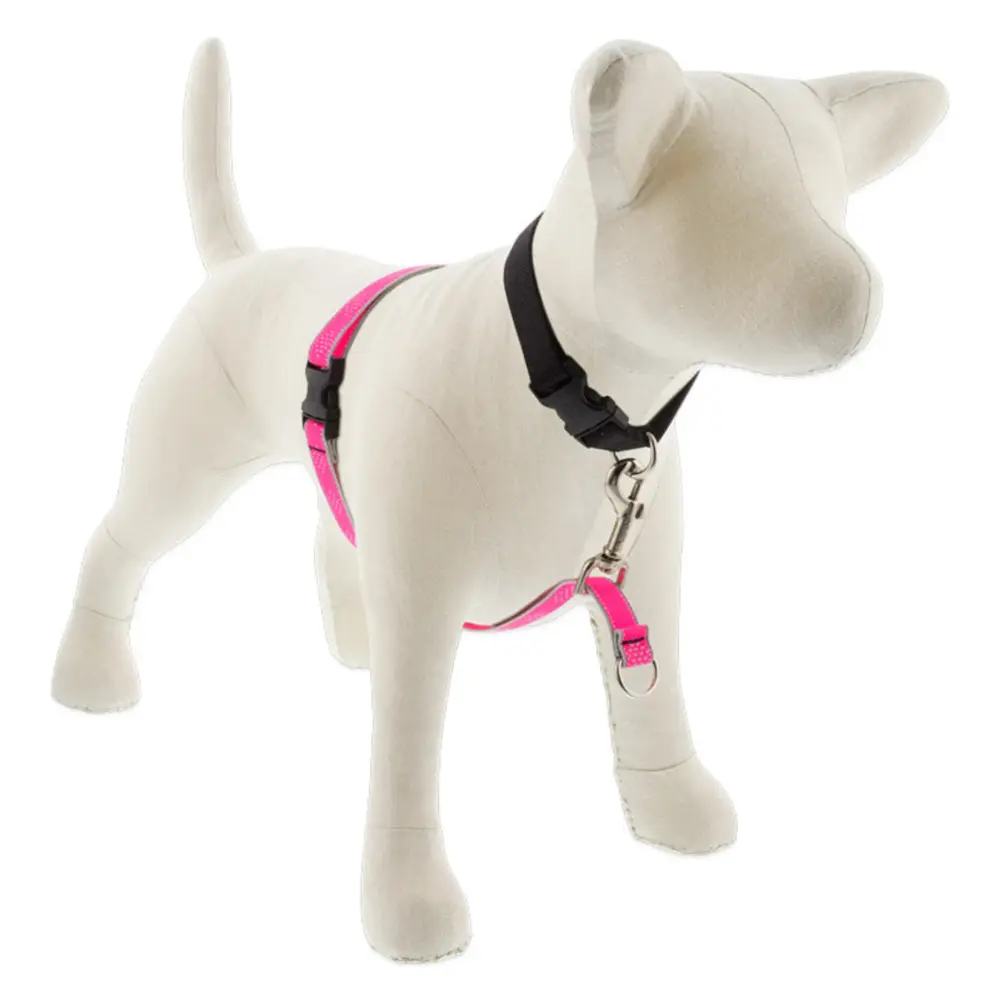
-
Lupine Pet
Reflective Dog Collar, Choose size & design
Price range: $22.95 through $28.95
Why it fits: Reflective threads woven into the pattern catch headlights on dark mornings and evenings; adjustable sizes fit necks from 6 to 31 in.
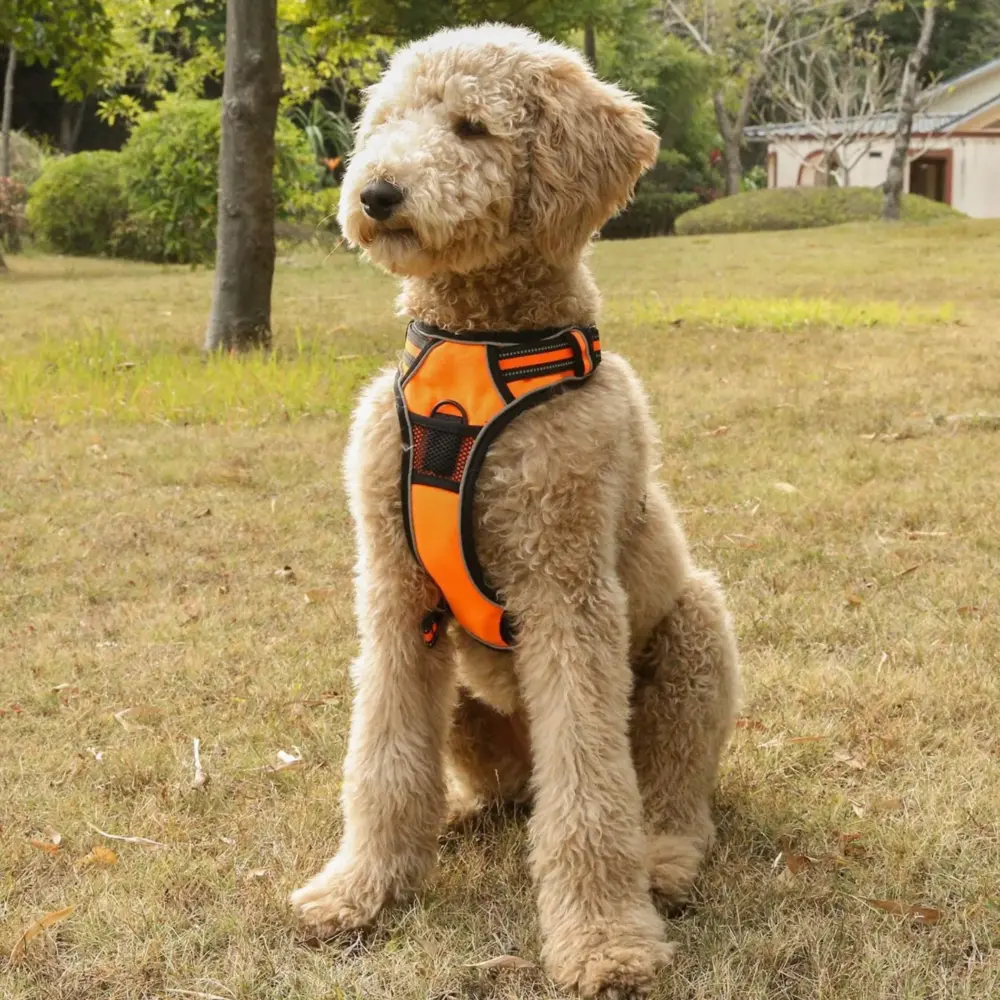
-
Mr. Peanut’s
PetTrek Padded Harness and Leash Set, Choose size & color
Price range: $24.95 through $26.95
Why it fits: Reflective stitching on harness and leash shows up in headlights before sunrise and after dusk; four sizes, XS to Large, by chest girth.
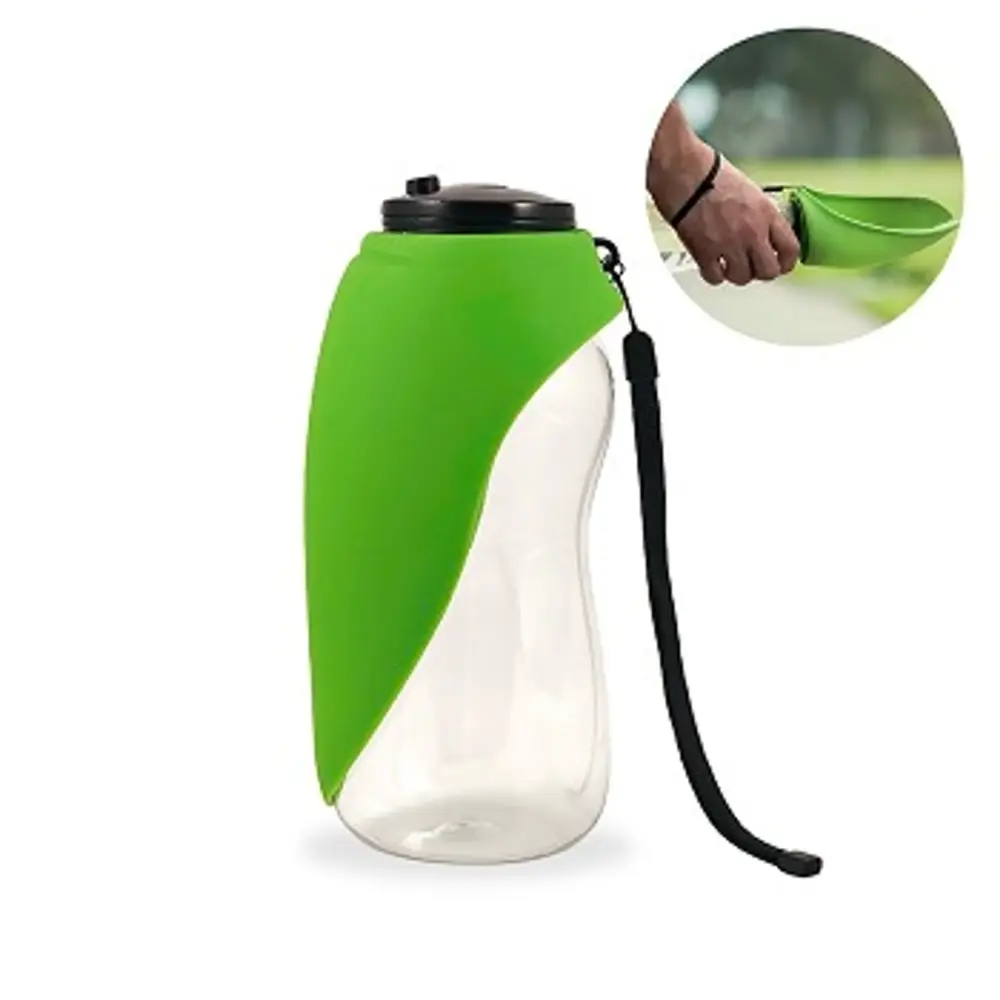
-
Flipo
Fold-A-Bowl Dog Water Bottle with Fold-Out Bowl, Choose color
$28.95
Why it fits: Holds 26 oz of water for early and late summer walks; the cover folds out into a bowl, and a wrist strap frees a hand for the leash.



For a medium or large dog who pulls, the Lupine Pet Reflective No-Pull Dog Harness adds the same reflective weave in a front-clip design. It comes in two sizes covering 16 to 38 in girths and attaches to the collar and leash your dog already uses. Browse more walking and training gear.
Verdict: morning first, then the rest around your dog
For most dogs, the morning walk wins. It meets the most urgent need of the day, uses up fresh energy and, for much of the year, falls in the coolest, quietest hours. The evening walk is its natural partner, and the one to stretch out when mornings are short. Midday earns its place for puppies, long workdays and winter, when it becomes the main event.
In summer, push both walks to the edges of the day; in winter, pull the main one toward the middle. Then keep the times steady, because a routine your dog can count on matters more than any single hour.
Related guides
-
Checklist
What to Tell Your Dog Walker: A Handover Checklist
Everything a new dog walker needs on one page: where the gear lives and how it goes on, how your dog walks, leash and route rules, medications and treats, emergency contacts, the door routine, weather rules and a first walk together.
-
How-to
How to Walk Two Dogs at Once Without Tangles or Pulling
Two dogs, two leashes and no knots: train each dog alone first, give each one a usual side, walk at the slower dog’s pace, untangle crossed leashes safely and know what to do when one dog pulls or reacts.
-
Guide
Dog Walking Essentials: What to Bring on Every Walk, Including After Dark
What to bring on every dog walk, from an ID collar and harness to water and a way to carry full poop bags, plus reflective gear and a light for darker evenings after the clocks change in November.