Walking & Training Guide
How Long Should You Walk Your Dog? By Age, Size and Energy
Short answer
Most healthy adult dogs do well with two walks a day totaling about 30 minutes, plus bathroom breaks to make three to five trips outside. High-energy dogs need more; flat-faced, overweight and older dogs often need shorter, slower walks. As a rule of thumb, allow puppies five minutes per month of age, once or twice a day.
Daily walking at a glance, dog by dog
Treat these as starting points, then fine-tune with the signs further down. The 30-minute baseline comes from VCA Animal Hospitals on the benefits of walking your dog, which suggests a total of 30 minutes a day that doesn’t have to happen in one outing.
| Dog | How long | How often | Adjust for |
|---|---|---|---|
| Puppy | About 5 minutes per month of age, per walk | 1 or 2 walks, plus potty trips every 2 to 4 hours | Vaccinations, surfaces |
| Adult who is out of shape | Start at 10 to 15 minutes | Build to 2 walks a day | A vet check first |
| Healthy adult, moderate energy | About 30 minutes in total | 2 walks, plus bathroom trips | How settled they are at home |
| High-energy adult | Often well beyond 30 minutes | 2 or more walks, plus play or runs | Build up gradually |
| Flat-faced, overweight or unwell | As your veterinarian advises | Several short, easy outings | Heat above all |
| Senior | Usually shorter and slower | More often | Stiffness, footing |
Bathroom trips count toward how often, even when they aren’t proper walks: AKC Chief Veterinarian Dr. Jerry Klein says healthy adult dogs need to relieve themselves three to five times a day. Without a yard, each of those trips is a short walk on the leash.
What changes the answer for your dog
Age
Puppies tire quickly and are still growing, so they get short, frequent outings (more below). Adults in their prime can usually build up to the most. Older dogs tend to do better with slower, shorter and more frequent walks; our guide on how long to walk a senior dog covers pace, routes and when to turn around.
Breed and energy
Energy moves the number more than anything else. In its guide to how much exercise a dog needs, the AKC says high-energy breeds require a lot more exercise than lower-energy ones. Dogs bred for long working days, such as Border Collies, Australian Shepherds and many retrievers, often need far more than a 30-minute stroll, and fetch or running can supply some of it. Individuals vary, so go by the dog in front of you rather than the breed label.
Size and build
Size is a weaker guide than energy: a small terrier may keep going long after a big, laid-back dog has had enough. Still, short legs cover less ground per stride, so the same loop is a bigger outing for a toy breed, and large and giant breeds take longer to finish growing, which limits how hard a young dog should work. Flat-faced dogs need their own plan: VCA notes that short-snouted breeds such as Pugs, Bulldogs and Pekingese need a different conditioning program from Golden Retrievers.
Health and weight
Joint problems, heart or breathing conditions, extra weight and recovery from surgery all change the limits, so let your veterinarian set them. VCA’s guide to healthy exercise for dogs advises checking with your veterinarian before starting any regular fitness plan, and notes that overweight dogs have a hard time cooling off.
Puppies: short, frequent outings
A puppy’s walks are short because their body is still developing and their stamina runs out fast, not because they need little activity. The AKC’s guide to puppy exercise cites a rule of thumb from veterinary researchers: about five minutes of walking per month of age, once or twice a day. That works out to roughly 15 minutes for a three-month-old and 20 for a four-month-old.
Use it as a rough upper limit for leash walks, not a target to hit. The AKC’s guide on how often to walk your dog gives a similar example, a 10-minute walk two or three times a day for a 10-week-old puppy, and notes that puppies need a potty break every 2 to 4 hours, so most of their trips outside are short and close to home.
- Ask your veterinarian when your puppy’s vaccinations allow walks in public places and meeting other dogs.
- Start on grass or packed sand, which the AKC calls the best surfaces for puppies, and go easy on sidewalks until your puppy’s paws are used to concrete.
- Head home when your puppy sits down, lags behind or struggles to keep up, even if the minutes aren’t up.
- Save jogging until your dog is mature: about 6 to 8 months for small breeds, 12 months for medium, 12 to 18 months for large and 18 to 24 months for giant breeds, per the AKC. Our guide on how to start running with your dog covers the build-up.
Tip
Free play is different from a leash walk. The AKC calls supervised free running in a safely fenced area the best exercise for puppies, because they choose their own speed and slow down when tired, and it recommends several short walks or play sessions through the day over one really long walk.
Adult dogs: one long walk or several shorter ones
Either works if the total meets your dog’s needs. Two walks a day is a practical pattern for most adults, and it matches VCA’s example of a 10-minute walk before work and a 20-minute stroll when you get home, with bathroom trips filling the gaps. Splitting the time also suits dogs who flag in warm weather, stiffen up on long outings or arrive at the park too excited to listen.
Doing it every day matters more than how you split it. VCA’s exercise guide puts it plainly: a 20-minute walk every day is better than a 2-hour walk on Sunday, and a slow, steady increase in time and intensity helps avoid injury. A dog who rests all week and then hikes all Saturday misses that build-up.
How many times a day should you walk a dog?
- Puppies: one or two short walks, plus potty trips every 2 to 4 hours.
- Adults: at least two walks, plus bathroom trips to make three to five outings in all. A high-energy dog may need a third walk, fetch or a run.
- Seniors: often more walks, each one shorter.
- Dogs with a health condition: as your veterinarian advises.
When in the day those walks fall, first thing, midday or after dinner, is a separate question, answered in our guide to the best time to walk a dog.
Signs a walk is too long, or not enough
The clock gets you started; your dog fills in the rest. Watch during the walk, once you’re home and on the day after.
Signs the walk was too much
The AKC’s warning signs for older dogs apply at any age: a limp, stopping or lying down mid-walk, hard panting, and struggling to step up or down a curb. Also look for:
- Lagging behind instead of leading
- Panting that doesn’t settle after a rest in the shade
- Stiffness or soreness the day after, or reluctance to get up
- Scuffed, sore or cracked paw pads
Signs your dog needs more
- Restless pacing, or racing around the house in the evening
- Chewing furniture or other destructive habits; VCA notes that a dog given something constructive to do, like a walk, may be less likely to chew the couch
- Attention-seeking barking or whining
- Gradual weight gain on the same meals (ask your veterinarian to check their body condition)
- Still bouncing with energy straight after the walk
If that sounds like your dog, add a second or longer walk, a game or a short training session, then see how they settle over a week or two.
Safety note
Not every sign is about exercise. Limping that doesn’t clear up, sudden tiredness, coughing or labored breathing on walks, a dog who suddenly stops partway or won’t walk at all, or an unexplained change in weight or behavior are reasons to call your veterinarian rather than change the routine.
Building up to longer walks gradually
Whether you have a new dog, are coming back from a lazy spell or want bigger weekend outings, add time in small steps:
- Book a check-up first if your dog is overweight, older, has a health condition or hasn’t exercised in a while.
- Start where your dog is comfortable now. For a dog who is out of shape, the AKC calls a 10- to 15-minute walk a great starting point.
- Add a few minutes at a time, or add a second walk, rather than doubling the distance.
- Change one thing at a time: length, pace or hills, not all three in the same week.
- Check your dog the day after. If they’re stiff, sore or flat, drop back to the last comfortable length for a few days.
- Before a long weekend outing, work up to it over a few weeks of slightly longer weekday walks.
When heat, cold or rain cuts a walk short
Shortening a walk for the weather is the right call. Make up the difference later in the day or indoors.
- Heat: the ASPCA’s hot weather safety tips advise keeping walks to a minimum in very hot weather and not letting dogs linger on hot asphalt, which can burn paw pads. Flat-faced, older and overweight dogs and those with heart or lung disease are more prone to heatstroke. Our guide on how hot is too hot to walk a dog covers the pavement check, summer timing and water.
- Cold: below freezing, keep walks short and close to home, especially with small, short-coated, young or older dogs, and split one long walk into two or three short ones. Our guide to how cold is too cold to walk a dog lists the signs to head home.
- Rain and storms: a short, wet loop with a towel at the door suits most dogs. Wait out thunderstorms indoors, with a find-it game or a few tricks.
Safety note
Heavy panting or difficulty breathing, drooling, weakness, confusion or collapse on a warm day can be signs of heatstroke, which is an emergency. Move your dog into the shade or somewhere cool, offer water and call your veterinarian or the nearest emergency clinic right away.
Making a shorter walk count: sniff time and pace
On a busy day, what happens on the walk matters as much as its length. VCA counts exploring new paths, watching wildlife and seeing other people and their pets as great mental stimulation, and the AKC adds that mental stimulation complements physical exercise but doesn’t replace it. To get more from 15 minutes:
- Give one stretch of the walk to your dog’s nose, and let them sniff at their own pace.
- For a fit adult, add a few minutes of brisk walking, then slow down again.
- Change the route now and then, so the same time brings new sights and smells.
Our dog walking games guide adds find-it, loose-leash games and curb tricks that make the same loop more interesting.
Gear that helps on longer walks
Longer and more frequent walks put more hours on the harness and take you farther from water and trash cans. These picks are limited to Nilosi’s own catalog, and each one does a specific job on a longer outing. Check the size limits before you order, or browse more walking and training gear.
-
Mr. Peanut’s
PetTrek Padded Harness and Leash Set, Choose size & color
Price range: $24.95 through $26.95
Why it fits: A padded harness and matching leash that spread pressure across the chest rather than the neck on longer walks. Four sizes, XS to Large: measure behind the front legs and check the size chart.
-
Lupine Pet
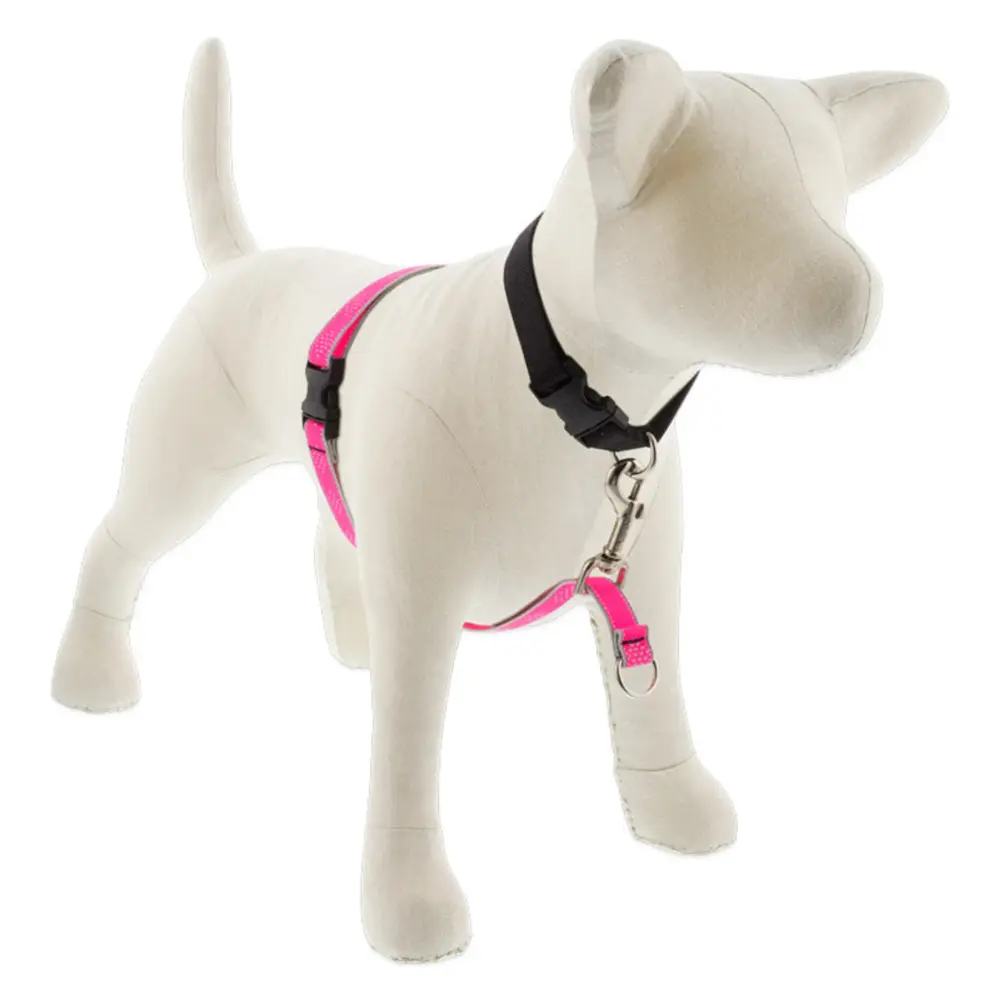
Reflective No-Pull Dog Harness, Choose size & design
Price range: $41.95 through $45.95
Why it fits: For medium and large dogs who pull, sized for 16 to 26 in or 26 to 38 in girth. The front clip redirects forward momentum back toward you and attaches to the collar and leash you already use.
-
Flipo
Fold-A-Bowl Dog Water Bottle with Fold-Out Bowl, Choose color
$28.95
Why it fits: Holds 26 oz and its cover folds out into a bowl, so you can offer water at the halfway point of a longer walk while the wrist strap leaves a hand for the leash.
-
Yucky Puppy
Waterproof Poop Bag Holder, Choose size
Price range: $23.95 through $24.95
Why it fits: A zippered, waterproof pouch that clips to the leash and carries full bags until the next bin, useful on longer routes with few trash cans. Extra-large, set of two.




How long to walk a dog: FAQ
Is a 20-minute walk enough for a dog?
For a lower-energy adult, one 20-minute walk plus a shorter second outing reaches the 30-minute baseline VCA suggests. For a young, high-energy dog it’s more of a warm-up. If your dog settles calmly at home afterward, it was enough for that day; if they’re still restless, add a second walk or a game.
Is an hour-long walk too long for a dog?
Not for a fit, healthy adult who has built up to it, and many high-energy dogs are happy to go longer. It can be too much for a puppy, a senior, a flat-faced or overweight dog, or any dog on a hot day. Build up in small steps, split the hour into two walks if your dog flags, and watch for the signs of overdoing it above.
Do I need to walk my dog every day?
Most dogs do best with walks every day. On a day you can’t manage a full walk, keep the bathroom trips, add a sniff around the block and an indoor game, or ask a friend or dog walker to step in. An easy day after a big hike is fine.
Related guides
-
Checklist
What to Tell Your Dog Walker: A Handover Checklist
Everything a new dog walker needs on one page: where the gear lives and how it goes on, how your dog walks, leash and route rules, medications and treats, emergency contacts, the door routine, weather rules and a first walk together.
-
How-to
How to Walk Two Dogs at Once Without Tangles or Pulling
Two dogs, two leashes and no knots: train each dog alone first, give each one a usual side, walk at the slower dog’s pace, untangle crossed leashes safely and know what to do when one dog pulls or reacts.
-
Guide
Dog Walking Essentials: What to Bring on Every Walk, Including After Dark
What to bring on every dog walk, from an ID collar and harness to water and a way to carry full poop bags, plus reflective gear and a light for darker evenings after the clocks change in November.