Cat Care Buying guide
Types of Cat Scratchers: Posts, Pads, Angles and Furniture
Short answer
Watch your cat first. Cats who stretch up a door frame or sofa arm need a tall, stable vertical post; cats who scratch the carpet or a rug need a horizontal pad. Sisal suits most cats, cardboard suits many, and carpet is the least popular because it resembles the floor.
Our picks at a glance
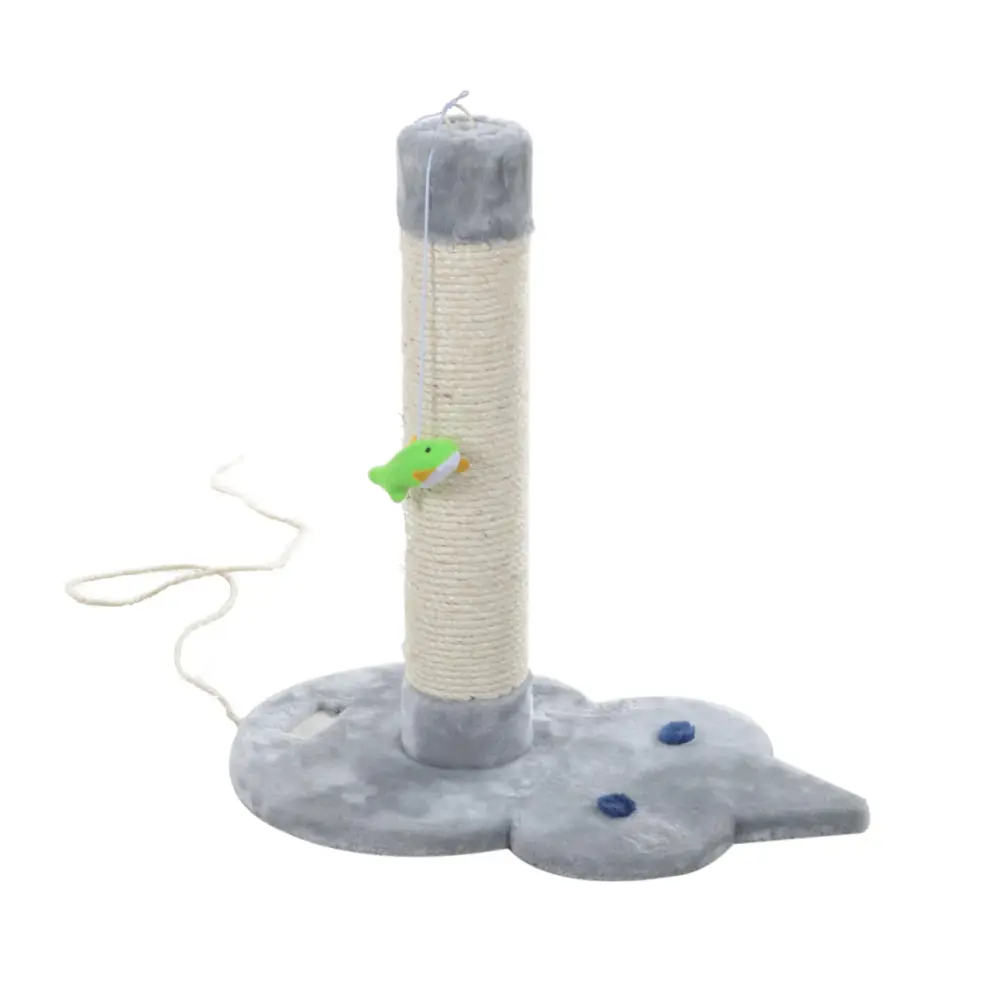
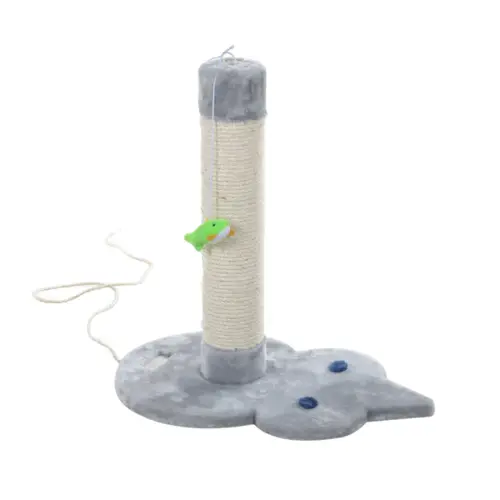
- Mouse-Shape Cat Scratcher Post with Rope ToysA stable sisal post on a wide mouse-shaped base
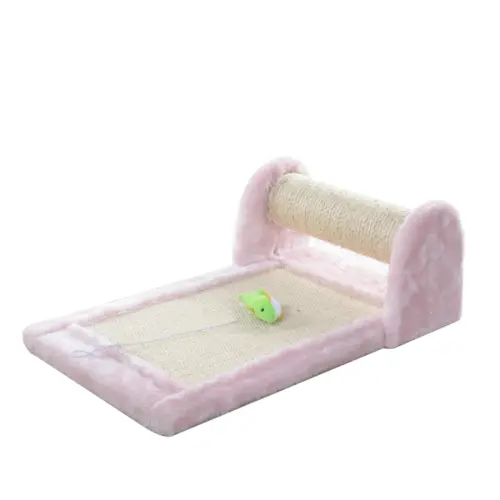
- Rolling Cat ScratcherA compact preassembled scratcher combining sisal and plush
- Wooden Cat Scratcher with Reversible InsertA wooden scratcher with a reversible insert
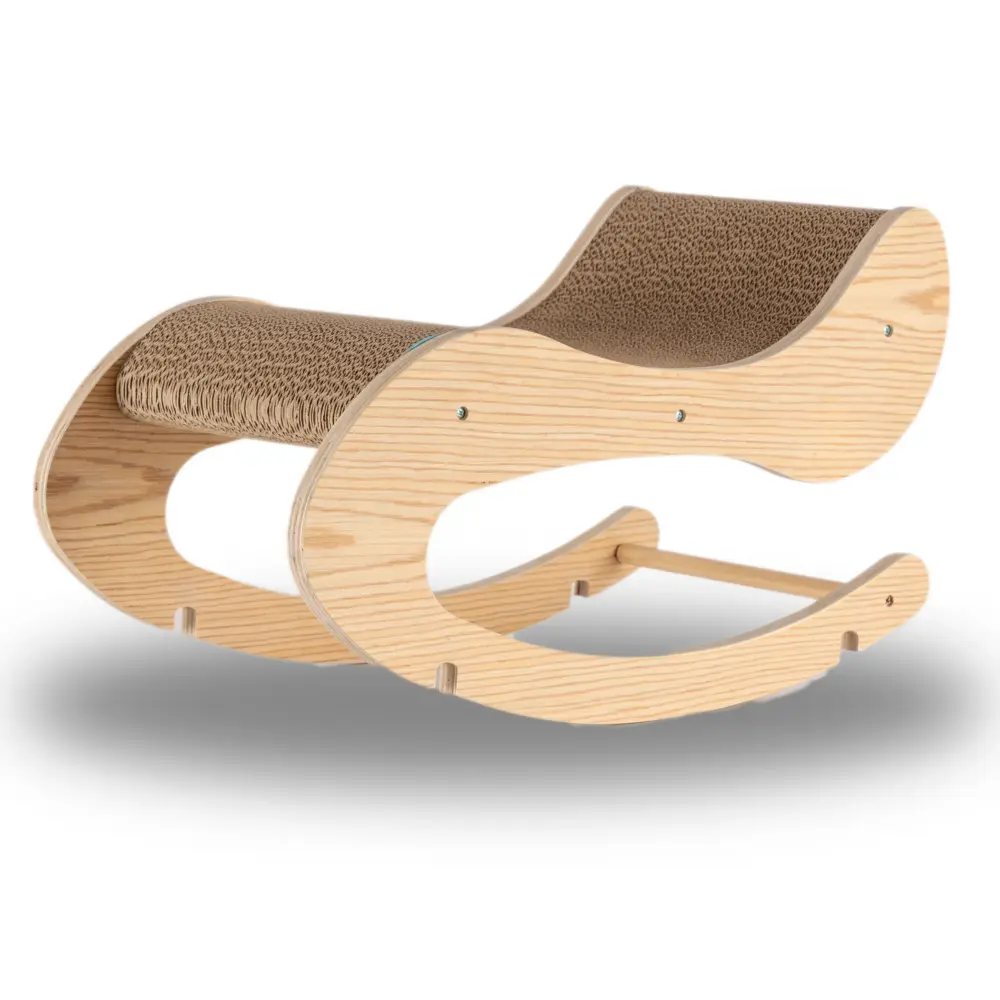
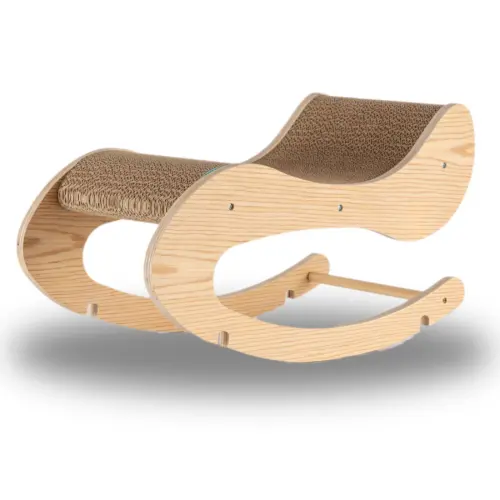
- Cat Rocking Chair BedA rocking scratcher and bed in one piece
- Foldable Cat Cube House with Reversible CushionsA cube with a den and a perch
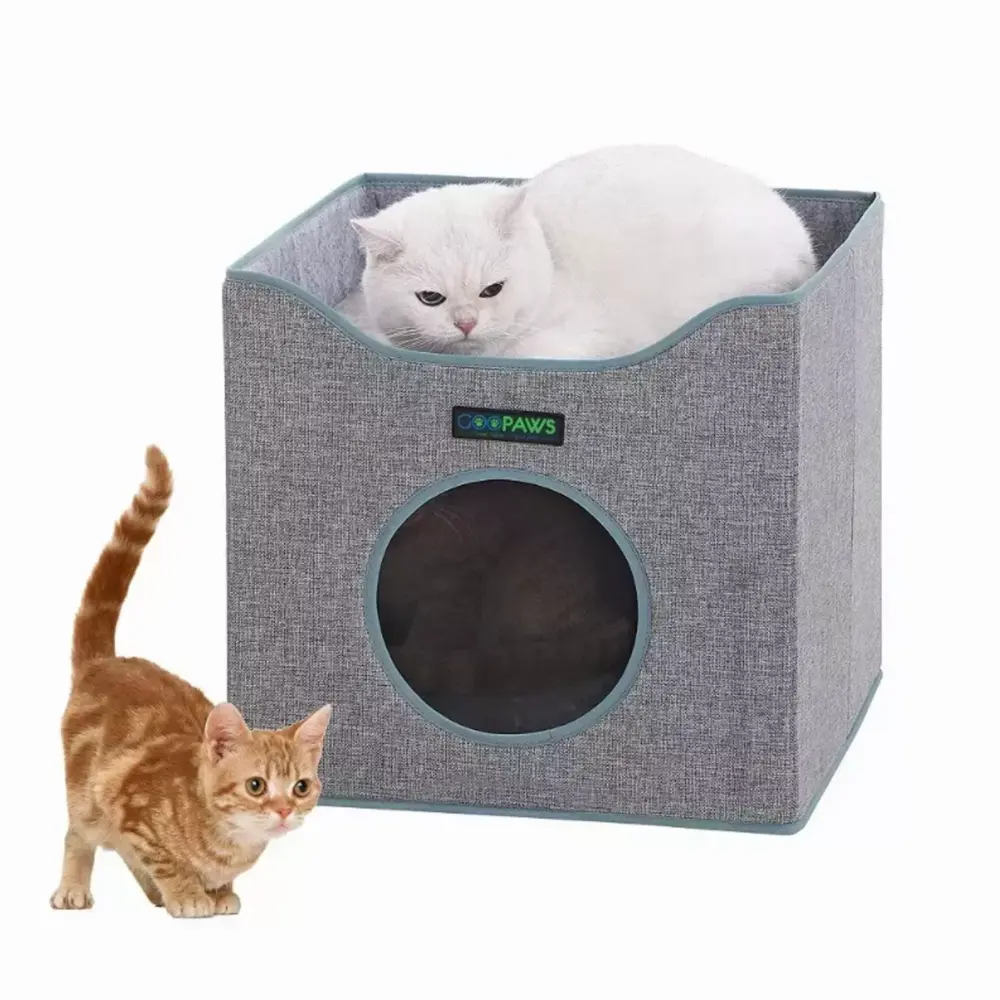
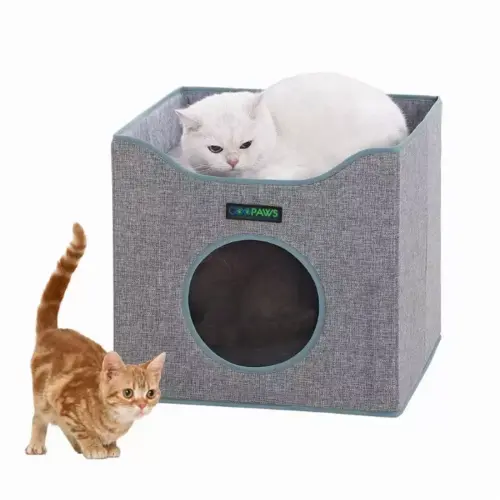
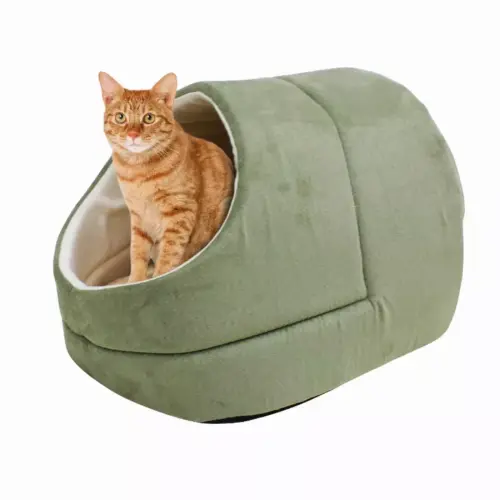
- Covered Cat Cave BedA covered cave bed for the resting half of the corner
Watch your cat before you buy
Scratching is not random. Each cat has a preferred orientation, a preferred texture and a preferred location, and they are remarkably consistent about all three. Buying a scratcher that matches all three is the difference between a used scratcher and an expensive piece of furniture.
Spend a week noticing where your cat already scratches. A vertical surface near a doorway, a flat rug by the sofa, the stair carpet: whatever they have chosen tells you what to buy and, just as importantly, where to put it.
Vertical posts
A post lets a cat stretch to full length, which is a large part of why they scratch. For a cat who reaches up door frames and sofa arms, nothing else substitutes.
- Height matters. The post should be taller than your cat at full stretch, which is more than most cheap posts manage.
- Stability matters more. A post that wobbles will be abandoned after one attempt.
- A wide base is what provides that stability.
- Sisal rope wrapped around the column is the most widely preferred surface.
- Position near the thing they currently scratch, not in a spare room.
Horizontal pads and ramps
Plenty of cats scratch downward, on rugs, carpet and doormats. For them a flat pad on the floor is the right answer, and a vertical post will be ignored no matter how good it is.
Flat scratchers are also the easiest to place: beside the sofa, across a doorway, under a window where the cat already lies. Ramps and wedges sit between the two orientations and suit cats who do a bit of both.
Angled and rolling shapes
Angled scratchers let a cat scratch at a diagonal, which some cats clearly prefer and which takes less floor space than a post plus a pad. Rolling and curved designs add movement, which keeps the object more interesting and often doubles as a resting spot.
These shapes are particularly useful in small homes, where one piece doing two jobs is worth more than two pieces doing one each.
Sisal, cardboard and carpet
| Material | Notes |
|---|---|
| Sisal rope | Durable; most widely preferred; little mess |
| Sisal fabric | Flatter weave; good on pads and ramps |
| Corrugated cardboard | Popular and cheap; sheds flakes; replace often |
| Carpet | Least recommended; too like the floor |
| Wood or bark | Suits some cats; often used outdoors |
| Plush over sisal | Combines scratching and resting in one piece |
The argument against carpet is practical rather than aesthetic. A carpet-covered post teaches a cat that carpet is an acceptable scratching surface, which is the opposite of what most households want.
Why stability decides everything
Cats put real force into scratching. A post that rocks, tips or slides is not just annoying to them, it is slightly alarming, and a cat who has had one bad experience with a wobbly post rarely goes back to it.
Test it before your cat does: push the top of a post firmly sideways. If it moves, either weight the base or choose something else. Flat pads should be heavy enough or grippy enough not to slide across the floor when scratched.
Multi-cat homes
Scratching is partly territorial marking, which means a shared scratcher is a contested resource. The usual rule applies: one per cat plus one, in different locations rather than lined up together.
Place them where the cats actually move: by the main doorways, near resting places, and in each cat’s preferred part of the home. Multi-cat household setup covers the wider layout.
-
Armarkat
Mouse-Shape Cat Scratcher Post with Rope Toys, View product
$69.95
Why it fits: A stable sisal post on a wide mouse-shaped base, with hanging toys to draw a cat to it.
-
Armarkat
Rolling Cat Scratcher, View product
$59.95
Why it fits: A compact preassembled scratcher combining sisal and plush, for small rooms and small cats.
-
Cat Scratcher Guy
Wooden Cat Scratcher with Reversible Insert, View product
$32.95
Why it fits: A wooden scratcher with a reversible insert, which doubles the life of the scratching surface.
-
Armarkat
Cat Rocking Chair Bed, View product
$89.95
Why it fits: A rocking scratcher and bed in one piece, useful where floor space is limited.
-
JESPET
Foldable Cat Cube House with Reversible Cushions, Choose color
$52.95
Why it fits: A cube with a den and a perch, which pairs naturally with a scratcher in the same corner.
-
GOOPAWS
Covered Cat Cave Bed, Choose color
$45.95
Why it fits: A covered cave bed for the resting half of the corner, beside the scratching half.

When to replace one
A scratcher that has been shredded down to a smooth core has stopped working. Cats scratch to catch and pull at fibres, and a worn sisal column goes slick, which is the usual reason a previously popular post is suddenly abandoned in favour of the sofa.
- Sisal rope: replace or re-wrap once it is smooth and loose
- Sisal fabric pads: replace when the weave has gone fluffy
- Cardboard: flip it over once, then replace it
- Any scratcher that has started to wobble
- Anything with exposed staples, nails or loose rope
- Carpet-covered posts, which are not worth repairing
Some posts can be re-wrapped with new sisal rope, which costs very little and extends the life of a good stable base considerably. It is a better outcome than discarding the stable part because the surface wore out.
Protecting furniture in the meantime
While a cat is learning to use a new scratcher, make the old target less appealing rather than punishing the behaviour. Double-sided tape on the sofa arm, a loose throw over the corner, or a piece of furniture moved a few inches all work, because cats dislike unstable or sticky surfaces.
Remove those deterrents once the new scratcher is being used reliably, rather than leaving them permanently. The aim is to make the right choice the easy one, and the deterrent is only there to tip the balance while the habit forms.
Safety note
Declawing is illegal in many countries and is an amputation rather than a nail trim. Regular nail trimming and an appropriate scratcher solve the same problem without it; see trimming the nails of a cat who will not let you.
Where to put it
Position does more work than product. Put the scratcher directly next to whatever your cat is currently scratching, not in a tidier spot across the room. Once it is being used reliably, you can move it a few inches at a time if you need to.
Other good locations: beside a sleeping spot, because cats scratch after waking, and near the main doorways, because that is where territorial marking happens. Getting a cat to use a scratcher covers the switch from furniture in detail.
How many, and for which cats
One scratcher is rarely enough even for one cat, because cats scratch in more than one place and for more than one reason: on waking, near doorways, and wherever they have marked before.
- One by the main sleeping place
- One near the room your cat spends most time in
- One next to whatever they currently scratch, while you redirect them
- One per cat plus one, in a multi-cat home, in separate locations
- A mix of orientations if your cat does both vertical and horizontal
- One near the front door, where territorial marking tends to happen
Kittens and senior cats
Kittens should be given scratchers from the day they arrive, because habits formed early are the ones that stick. A kitten who learns that sisal is the scratching surface rarely develops a sofa habit, and it is far easier than correcting one later.
Senior cats often stop using tall posts, and the usual cause is that stretching up has become uncomfortable rather than a change in preference. A low, horizontal or angled scratcher lets an older cat keep the behaviour without the stretch, and it is worth adding one rather than assuming they have lost interest. A cat who stops scratching altogether is worth a veterinary conversation: see signs a cat is in pain.
Common questions
How tall should a scratching post be?
Taller than your cat can reach with the front paws while stretched out, which for an average adult cat means roughly 30 inches or more. Short posts are the most common reason a post goes unused.
My cat scratches the sofa and ignores the post. Why?
Usually one of three things: the post is in the wrong place, the wrong orientation, or it wobbles. Move it next to the sofa, check whether your cat scratches up or across, and make sure it is rock solid.
Is cardboard a waste of money?
No, and many cats prefer it. It does shed flakes and it wears out faster, so treat it as a consumable rather than furniture.
Should I use catnip on a new scratcher?
It helps with the cats who respond to it, which is roughly two thirds. Rub it in rather than sprinkling it on, and reapply occasionally. Playing with a wand toy against the scratcher often works better.
Can I stop my cat scratching altogether?
No, and you should not try. Scratching maintains claws, stretches the body and marks territory. The goal is redirection to an acceptable surface, never prevention.
To build the scratcher into a wider setup, see how to set up a cat corner, and for why it matters to the cat, what cats actually enjoy.
Related guides
-
Buying guide
Cat Furniture for Small Apartments: Vertical Space Without the Clutter
Cat furniture advice assumes a spare room. This is for people without one: using vertical and window space instead of floor, choosing items that do two jobs, which pieces fold away, and what to skip entirely when square footage is the constraint.
-
Comparison
Disposable vs Reusable Litter Boxes: When Each Makes Sense
Disposable trays solve problems a permanent box cannot, and cost more over a year. This comparison covers both honestly, including the cases where a disposable tray is the obvious answer and where it is an expensive habit.
-
How-to
How to Set Up a Cat Corner in a Small Home
A cat does not need a whole room, but they do need four things in one place: somewhere to hide, somewhere high, somewhere to scratch and somewhere warm. This guide builds that corner in a small home.