Seasons & Gifts Checklist
Christmas Dog Safety Checklist: Tree, Gifts, Food and Guests
Short answer
Anchor the tree, cover its water and keep ornaments, cords and candles above nose and tail height. Leave food gifts, ribbon and batteries off the floor, and keep chocolate, xylitol, raisins and scraps out of reach. Put guests’ bags behind a closed door, and give your dog a morning walk, a quiet retreat and a licking job.
Christmas dog safety checklist at a glance
Dogs meet Christmas at nose and tail height, and the riskiest moments are the busiest ones. Run through this list when the tree goes up, and again on Christmas Eve.
- When the tree goes up: a wide stand, the top tied to the wall, the water covered, nothing breakable or edible within reach
- Every day: needles swept, cords checked for chew marks, lights unplugged when you go out
- Under the tree: no food gifts, no wrapped dog treats or toys, ribbon and bows added on the day
- Before guests arrive: bags and coats in a closed room, a gate up before the first doorbell, an ID tag with a number you’ll answer
- Christmas Day: a morning walk, a quiet room with water and a bed, meals at the usual times, a licking job during dinner
- Just in case: your veterinarian’s holiday hours, the nearest 24-hour emergency clinic and a pet poison control number saved in your phone
What you don’t need to do
- Switch to an artificial tree. An anchored real tree with covered water and swept needles works with dogs, and artificial trees get chewed and knocked over too.
- Fence off the tree all season. A pen or closed door is for puppies, chewers and empty-house hours. A calm adult dog who ignores the tree after a few days rarely needs one.
- Shut your dog away all day. The quiet room is a retreat, not a banishment. A walked dog who is relaxed around people can join the calmer parts of the day, on leash or behind a gate if needed.
Christmas tree safety for dogs
Dogs rarely climb a tree the way cats do. The risk is a big dog leaning in or clearing a low bough with one wag, and a puppy crawling underneath to chew. VCA’s holiday safety tips for dog owners recommend setting the tree up so it can’t fall, and keeping ornaments above tail height.
- A corner out of your dog’s running routes, away from the front door, where your dog rushes to greet guests.
- A wide, heavy stand, and for a tall tree, fishing line or picture wire from the trunk to a small wall hook.
- Stand screws retightened every few days, because a real tree loosens as it dries.
- The water covered with a rigid tree collar or a stiff cover cut to fit the trunk. A fabric skirt alone won’t stop a nose.
- Needles swept daily. Pet Poison Helpline notes that swallowed needles can irritate the mouth and stomach, and that they don’t digest well, so a large amount could block the gut.
- A bare tree for the first day or two, with you in the room, rewarding calm sniffing and walking away.
- An eye out for a lifted leg. A real tree smells like the outdoors, and some dogs try to mark it at first. Interrupt calmly and take your dog outside.
- Barriers for puppies and chewers: an exercise pen, a gate or a tabletop tree, and a closed door when nobody is home.
The water matters because it sits at drinking height: the ASPCA’s holiday safety tips note that tree water can breed bacteria that cause nausea, diarrhea or an upset stomach, and VCA adds that it can contain harmful fertilizers. Use plain water with no additives, and keep your dog’s own bowl full elsewhere.
Sharing the house with a cat as well? Cats climb where dogs bump, so add the steps in how to keep a cat out of the Christmas tree, and give your cat a retreat from visitors with how to keep a cat calm with house guests.
Ornaments, tinsel and light cords
To a dog, a felt reindeer or a glittery ball looks like a toy, and the lowest branches sit right where a dog explores. Decorate from the top down and stop where your dog’s reach begins; for a big dog, that can mean a bare bottom third.
- Unbreakable ornaments on the middle branches, glass and heirlooms near the top. The ASPCA warns that shards from broken ornaments can damage a pet’s mouth and digestive tract.
- Nothing toy-like within reach: balls, plush figures, felt animals, anything that squeaks or jingles.
- No edible decorations: popcorn strings, candy canes, chocolate or salt-dough ornaments. Pet Poison Helpline warns that homemade salt-dough ornaments hold enough salt that as few as one or two could make a dog very sick.
- Hooks squeezed shut around the branch, and any that fall picked up right away.
- No tinsel, and no garland on the low branches. The ASPCA warns that swallowed tinsel can cause severe vomiting, dehydration and a blocked digestive tract that may need surgery.
- Lights wound around the trunk and inner branches, not draped at the tips, where a tail or a mouth can catch them.
- Cords along the wall or under a cord cover, and unplugged when you go out or to bed. VCA warns that biting through a live cord can badly burn the tongue or cause a shock that damages the lungs or heart.
- Candles up high and never left burning in an empty room, or battery candles instead, since one wag can knock a low candle over.
Food gifts, ribbon and batteries under the tree
Wrapping paper hides a present from people, not from a dog’s nose. VCA points out that dogs easily find wrapped boxes of chocolate stashed under the tree, and a dog that has opened one present may decide the rest are fair game.
- Food gifts off the floor. Chocolates, fudge, cookies, nuts, fruitcake and gift baskets go on a high shelf or in a closed room until opened. Ask guests to hand food gifts to you rather than tuck them under the tree.
- Your dog’s presents in a closet until the day. A wrapped treat or toy under the tree teaches your dog that presents are worth tearing open.
- Ribbon and bows added at the last minute. VCA explains that swallowed ribbon or string can tangle in the intestines and cause a life-threatening blockage, and puppies are especially at risk.
- A trash bag on hand while gifts are opened, so paper, ribbon, tape, tags and twist ties go straight into it.
- Batteries in a drawer, not on the floor. Pet Poison Helpline explains that a chewed battery can leak corrosive material, and that disc-shaped and lithium batteries can burn the esophagus or intestines.
- Other people’s presents put away once opened. Remote-control toys, gadgets with button batteries and toys with small parts all tempt a chewer, and VCA warns that paintballs are extremely hazardous to dogs if eaten.
- Presents set out late for a chewer: on Christmas Eve, or on a table, instead of on the floor for weeks.
Holiday plants and sweets to keep out of reach
The risks below come from the ASPCA’s list of people foods to avoid feeding your pets, its holiday tips and Pet Poison Helpline’s guide to holiday plants. Keep them on high counters and in closed tins, and off coffee tables, which sit right at nose height for many dogs.
| Item | Why it’s a risk | Keep it safe |
|---|---|---|
| Chocolate | Vomiting, tremors; dark is worst | Boxes and tins up high |
| Xylitol | Low blood sugar, liver damage | Check sugar-free labels |
| Raisins | Grapes and raisins harm kidneys | Check fruitcake and cookies |
| Macadamias | Weakness, tremors, vomiting | Keep cookie tins closed |
| Alcohol | Vomiting, wobbliness; can be fatal | Clear glasses from low tables |
| Onion, garlic | Can damage red blood cells | Watch stuffing and gravy |
| Scraps, bones | Pancreatitis risk; bones can choke | No handouts, bones bagged |
| Mistletoe | Stomach upset; can affect the heart | Hang it high, or use artificial |
| Holly | Vomiting, diarrhea, drooling | Berries and sprigs out of reach |
| Poinsettia | Mild vomiting, drooling, diarrhea | Pots out of reach |
| Amaryllis | Vomiting, tremors; bulbs are worst | Pots and bulbs up high |
| Lilies | Kidney failure in cats | Skip them if you have a cat |
Xylitol is the one to hunt for on labels: the FDA lists sugar-free desserts, baked goods, breath mints, some nut butters, chewable vitamins and toothpaste among products that may contain it.
Christmas dinner needs the same plan as any big holiday meal: a gate at the kitchen, a no-scraps rule for guests, and the carcass and bones bagged and taken to an outside bin. Our Thanksgiving dog safety plan walks through it step by step, and it works just as well in December.
Guests, coats, bags and the front door
Visitors bring bags at nose height and a door that opens far more than usual. The ASPCA suggests asking houseguests to keep medications in a closed cabinet, not in a bag or suitcase.
- Coats and bags in a closed room or on high hooks, not on the floor or a low chair. Pockets and purses can hold gum, mints, snacks and medications.
- Suitcases and toiletry bags behind the guest room door. Toothpaste, chewable vitamins and some medicines can contain xylitol.
- A gate or a closed room before the first doorbell, one person on door duty, and guests asked to shut the door behind them and never let the dog out alone.
- A collar with a current ID tag showing a number you’ll answer that day, and microchip details checked with the registry.
- An adult watching whenever children and the dog are together, and a dog who is always free to walk away to its bed.
- For a visiting dog: introductions outside on leash, meals in separate rooms, and chews and new toys picked up so neither dog has something to guard.
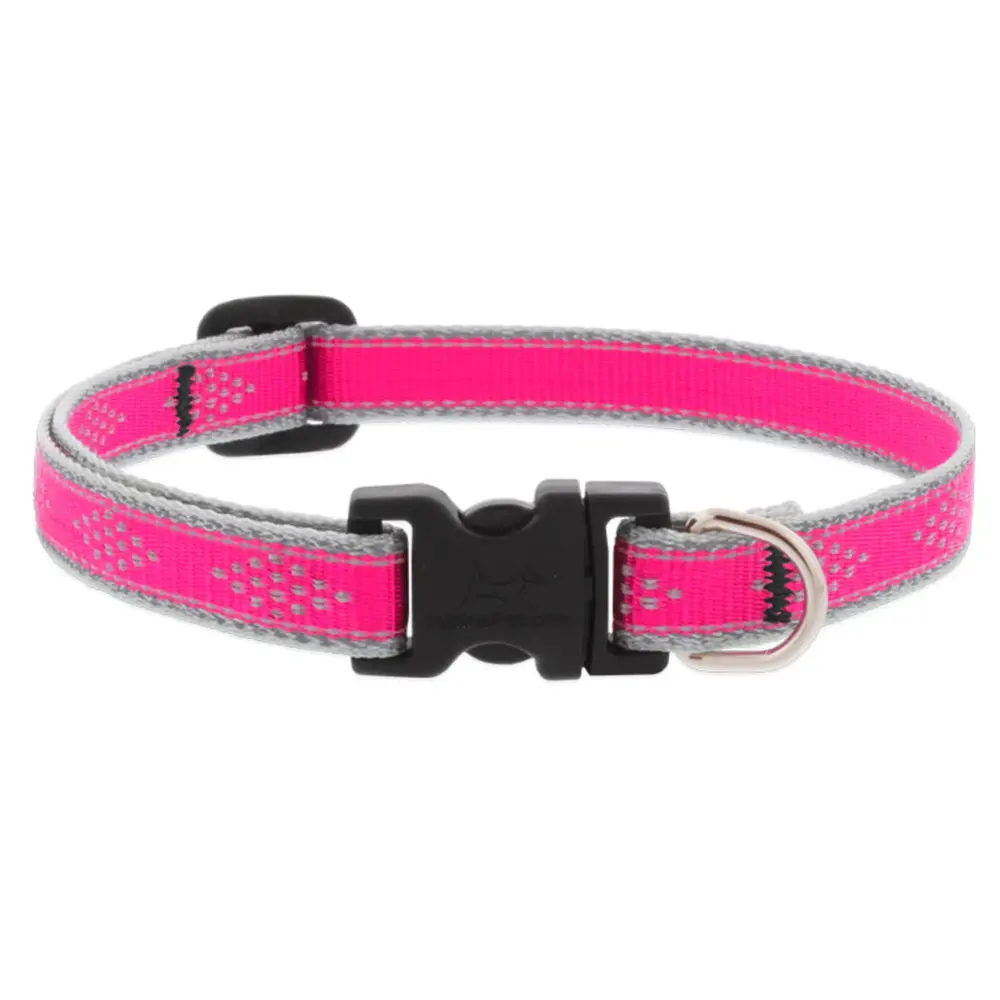
If your dog usually goes without a collar at home, keep one on through the busy days. The Lupine Pet Reflective Dog Collar has a D-ring for the leash and ID tags and adjustable sizes from tiny dogs to XXL; two fingers should slide under it once fastened.
A calm Christmas Day for your dog
Busy days go better for a dog who has been walked, fed on time and given somewhere to escape to. VCA suggests a quiet space away from company, with fresh water and cozy blankets.
- A morning walk with plenty of sniffing, and a short tug game if your dog enjoys one, before presents and guests.
- Your dog’s present opened with you watching, at a calm moment rather than mid-unwrapping, with tags and plastic removed and no battery-powered toys for a chewer.
- Breakfast and dinner at the usual times, with your dog’s usual food.
- A quiet room set up the day before: a bed or crate, water, a chew, and a closed door or gate so guests don’t follow.
- A licking job for the loudest hour, such as present opening or the meal, filled the night before and frozen.
- Dinner served slowly in that quiet room while people eat.
- Breaks when your dog needs them. Pacing, panting, yawning, lip licking, hiding or not settling are signs to move your dog to the quiet room for a while.
Fill a lick mat with plain wet food, plain yogurt or peanut butter without xylitol, never table leftovers. For choosing and unwrapping the present itself, our guide to what to get your dog for Christmas sorts gifts by play style. If you’re ordering, these four from Nilosi’s catalog fit the plan above; check our shipping details for delivery times.
-
Fire Hose Crocodile Dog Toy, View product
$30.95
Why it fits: A stuffing-free tug toy for a short game after the morning walk, 26 inches long to keep hands clear. Supervise and retire it when worn.
-
Realistic Plush Fox Dog Toy with Squeaker, View product
$30.95
Why it fits: A soft plush present for a gentle chewer to open with you, with a long tail for tug. Supervise play and remove it if it gets damaged.
-
SodaPup
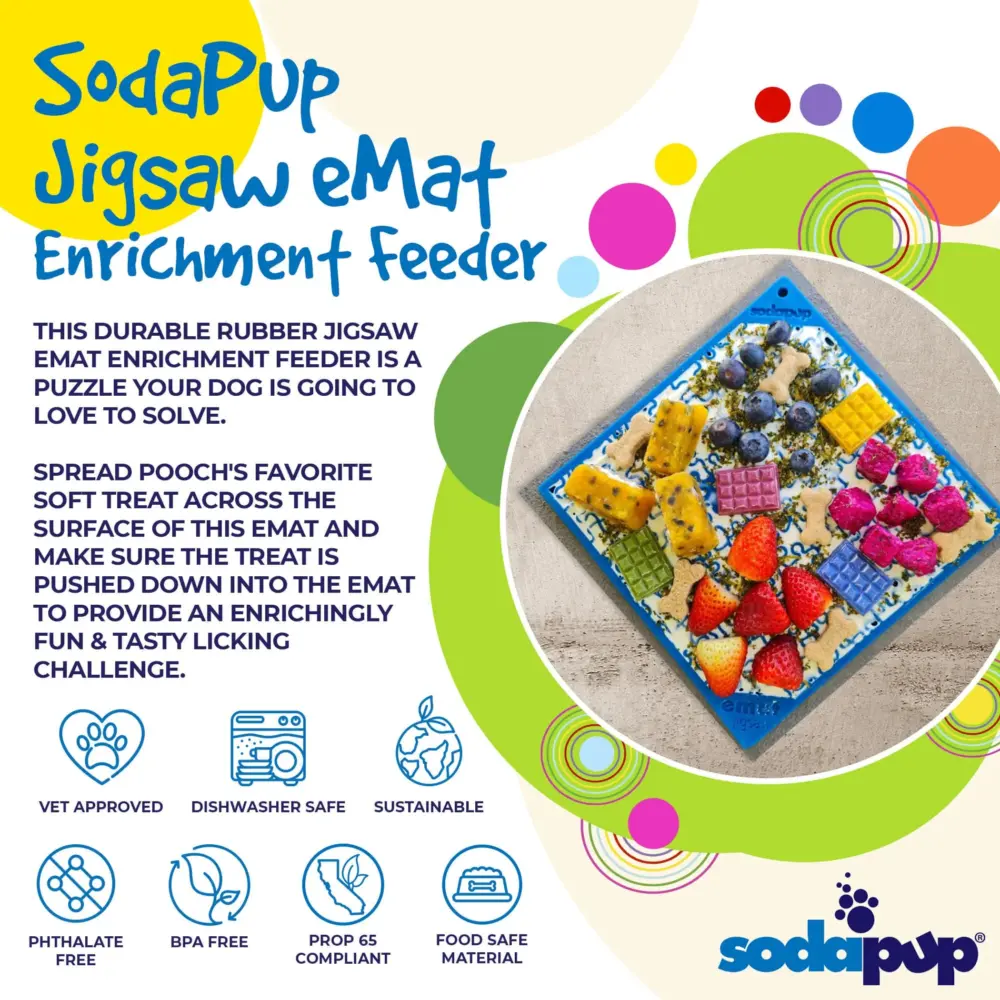
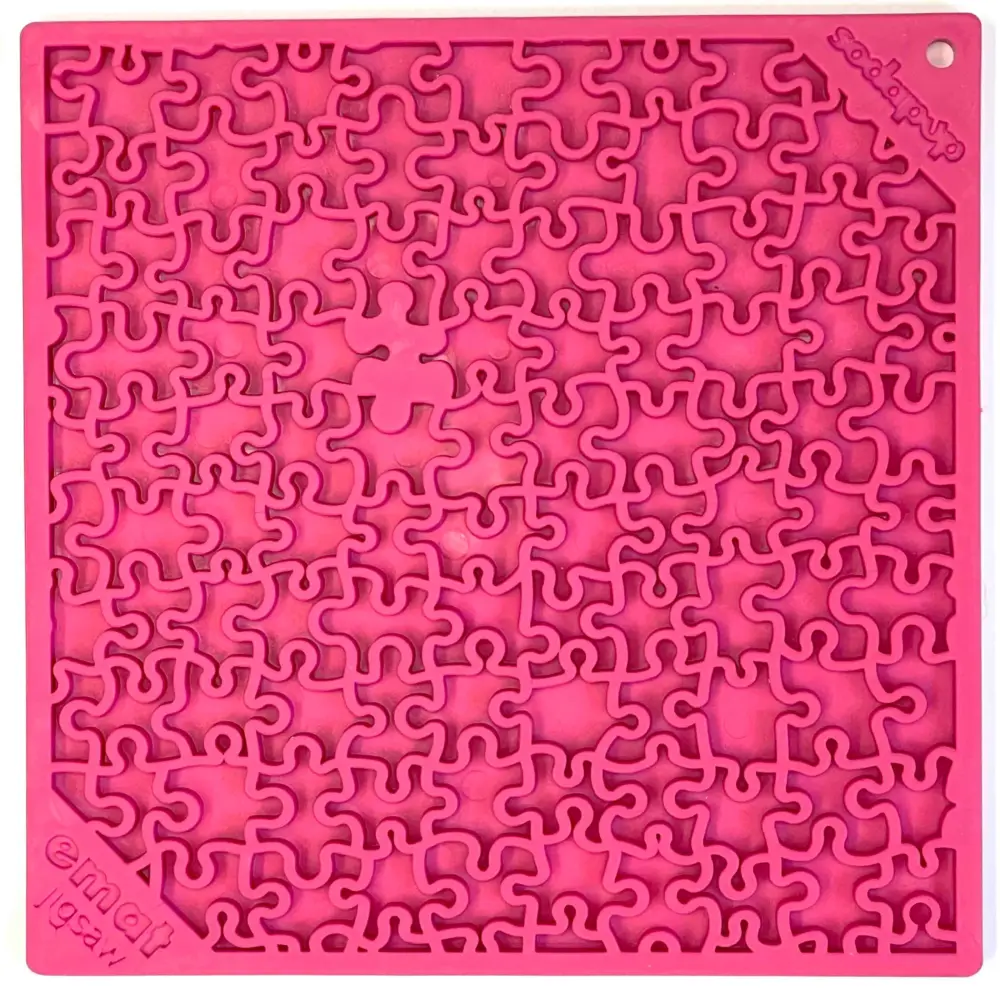
Jigsaw Enrichment Lick Mat for Dogs & Cats, Choose color
$25.95
Why it fits: A licking job for present opening or dinner, filled the night before with xylitol-free peanut butter or wet food, then frozen.
-
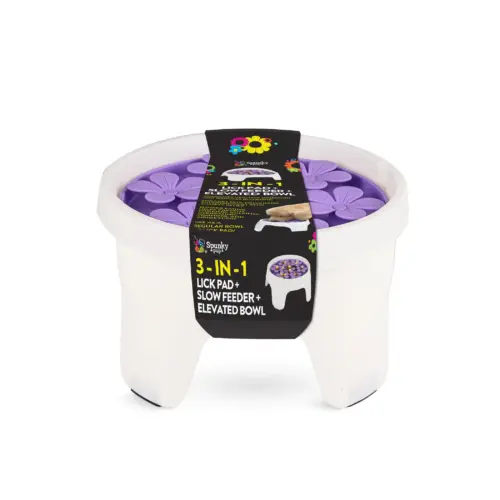
Spunky Pup
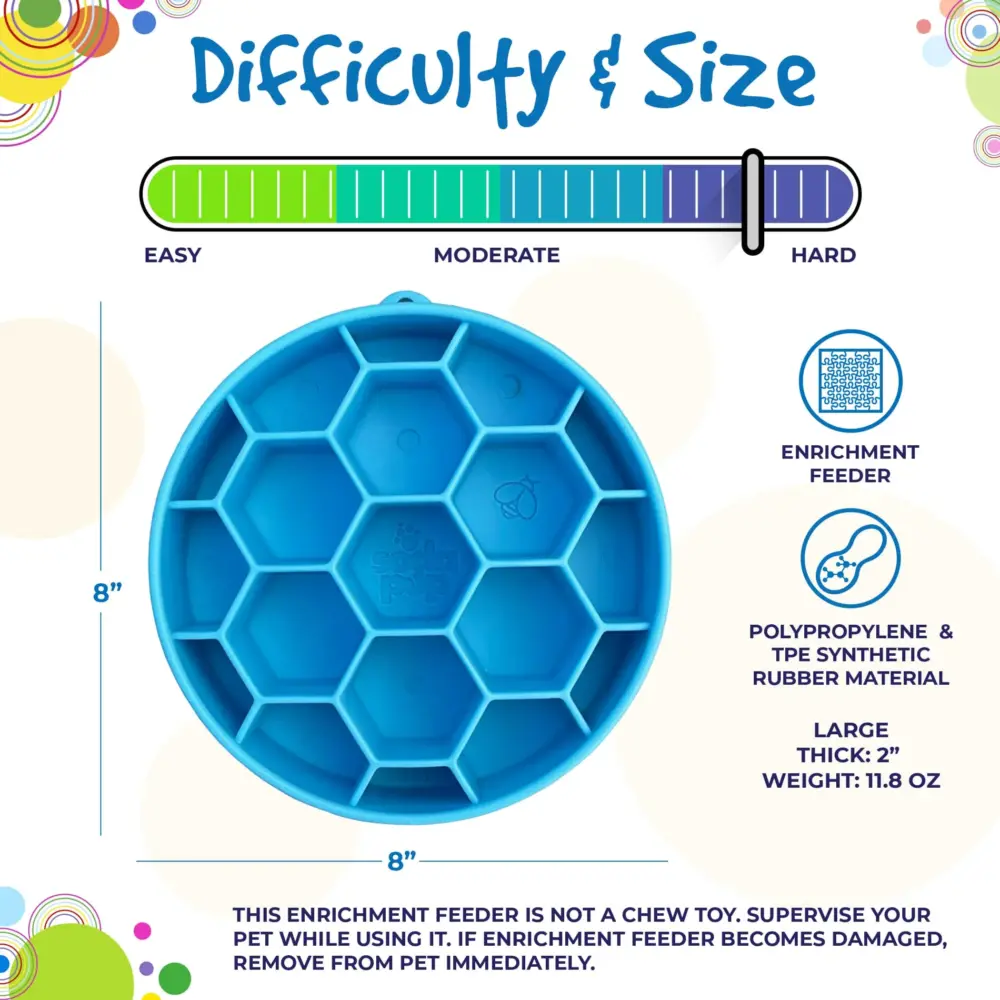
3-in-1 Lick Pad, Slow Feeder & Elevated Bowl, View product
$34.95
Why it fits: A slow feeder for your dog’s own dinner in the quiet room, with a lick pad side for a soft spread. It goes in the dishwasher afterward.



A week later, New Year’s Eve brings fireworks; our plan to keep a dog calm during fireworks covers that night.
If your dog eats something it shouldn’t
Safety note
Call your veterinarian or the nearest emergency clinic right away if your dog may have eaten chocolate, anything sugar-free, raisins, a battery, ribbon, tinsel, ornament pieces or a holiday plant, even if your dog seems fine. Don’t make your dog vomit unless a veterinarian tells you to, and don’t pull on string or ribbon hanging from the mouth or bottom. For a possible poisoning, the ASPCA Animal Poison Control Center, (888) 426-4435, and Pet Poison Helpline, (855) 764-7661, answer 24 hours a day; each may charge a consultation fee.
Clinics may keep shorter hours over the holidays, so check yours ahead. If you do need to call, have these ready:
- The wrapper, label or plant tag of anything your dog gets into, plus a rough idea of how much and when
- Your dog’s approximate weight, since the amount that causes harm depends partly on size
Signs that need a call include vomiting, diarrhea, drooling, pawing at the mouth, trembling, weakness, wobbling or a dog who suddenly won’t eat. Some effects are delayed: the FDA notes that serious effects of xylitol may not show for 12 to 24 hours in some cases, so call as soon as you know what was eaten instead of waiting for symptoms.
Related guides
-
How-to
Back-to-School Routine for Dogs: Helping Your Dog Adjust
A two-week plan for families whose dog got used to company all summer: move wake-up, walks and meals early, give a real morning walk and a breakfast that takes time, cover the empty midday, keep departures calm, and know the signs that call for a veterinarian or trainer.
-
Checklist
When to Replace Dog and Cat Gear: A Monthly Wear Check
A five-minute monthly check for everything your dog or cat uses: the wear signs that mean a collar, harness, leash, toy, bowl, lick mat or scratcher insert should go, the fit checks growing and changing pets need, and what only needs a wash.
-
Buying guide
What to Get Your Dog for Christmas: Gifts for Tuggers to Nappers
Choose your dog's Christmas gift by what they already do: a stuffing-free fire hose toy for tuggers and shredders, a plush fox for gentle carriers, a lick mat or slow feeder for lickers and fast eaters, and a cuddler bed or coat for small dogs, plus safety checks, unwrapping and gifts to skip.