Seasons & Gifts How-to
Back-to-School Routine for Dogs: Helping Your Dog Adjust
Short answer
Start the school-day schedule about two weeks early, shifting wake-up, walks and breakfast gradually and practicing longer stretches home alone. On school days, exercise your dog before anyone leaves, make breakfast take some work, arrange a midday break for long days and keep goodbyes calm. If your dog keeps panicking when left alone, call your veterinarian.
What you’ll need
- The family’s school-day timetable: when the last person leaves and the first one gets home. That gap is your dog’s alone time.
- A midday plan if the gap is long: a family member, neighbor, dog walker or sitter, with a key or door code.
- A breakfast that takes work: a slow-feeder bowl, or a clean patch of yard for scattering kibble.
- A quiet job for the morning rush, such as a lick mat, used while an adult is in the room.
- A resting spot: a bed and water in a room your dog already naps in.
- A tug or carry toy kept for after-school games.
Two weeks before: ease into the new schedule
A dog who has had company all summer has no reason to expect the house to empty at 7:30 on a Tuesday. The AKC’s advice on preparing a dog for back to school is to get your dog used to the new schedule before school starts and to change meals and routines well in advance. Two weeks lets you do it in small steps instead of one jolt.
- Slide wake-up and breakfast earlier. Move them 15 minutes or so every day or two until they reach the school-day times. A dog used to a lazy 8:30 breakfast copes better with a gradual slide than with a 6:30 alarm out of nowhere.
- Move the main walk to the morning, before the time the bus will come, so it’s already a habit on day one.
- Practice the empty house. Go out together as a family, kids included, starting with 15 or 20 minutes and building to a couple of hours, then a full morning. If you can, record the first few sessions to see whether your dog naps, wanders or frets.
- Bring in the midday helper early. Have the walker, sitter or neighbor visit at the real time once or twice before school starts, so your dog knows them.
- Hold a dress rehearsal. On one of the last weekdays, run the morning for real (alarm, walk, breakfast, out the door) and stay out as close to a school day’s length as you can.
- Settle the after-school jobs. Decide who lets the dog out, who walks and when play happens, and stick the plan on the fridge.
Tip
If the family sleeps in on weekends, someone can still let the dog out and serve breakfast near the school-day time, then go back to bed. Monday is then less of a shock.
School mornings: exercise before breakfast
Exercise comes first. The AKC suggests getting up a bit earlier for a long walk or about 20 minutes of play in the yard, and VCA’s guidance on separation anxiety in dogs recommends a vigorous session of play and exercise before any long departure. A dog who has walked, sniffed and eaten is set up to rest. Match the outing to your dog, with a slower stroll for a senior and short sessions for a puppy, and ask your veterinarian before stepping up exercise for a dog with joint, heart or breathing problems.
Breakfast after the walk, in a bowl that slows it down
Serve breakfast once you’re back, from a slow-feeder bowl or scattered across a clean patch of yard, so a meal that would vanish in seconds takes a few minutes of work. Our guide to food enrichment for dogs has more ideas; use part of the daily ration rather than adding extras.
Walking first also keeps hard exercise off a full stomach. VCA’s guide to bloat in dogs notes that exercise after a large meal may increase the risk, and large, deep-chested breeds are the most prone. Give your dog a few minutes to cool off before the bowl goes down, and keep the rest of the morning calm.
A quiet job while lunches get packed
A lick mat spread thinly with part of breakfast’s wet food, or a little plain yogurt, gives your dog something absorbing to do while backpacks get zipped, as long as an adult is in the room. Serve it unfrozen in a short morning window and save a frozen mat, which lasts longer, for homework time. Our guide to what to put on a lick mat covers spreads and freezing times. Skip anything containing xylitol.
If the bus comes at 7:30, the morning might look like this:
- 6:30 a.m.: up and straight outside.
- 6:40 a.m.: walk or yard play.
- 7:05 a.m.: breakfast in the slow feeder, then the lick mat while lunches are packed.
- 7:20 a.m.: bowl and mat picked up, last bathroom break.
- 7:30 a.m.: everyone out the door, without a fuss.
Safety note
Lick mats, slow-feeder bowls and plush toys, including ours, are for times when someone is watching. Pick them up before the last person leaves. If you’d like your dog to have a chew or food toy while home alone, ask your veterinarian or trainer what suits your dog, and try it while you’re home first.
-
SodaPup
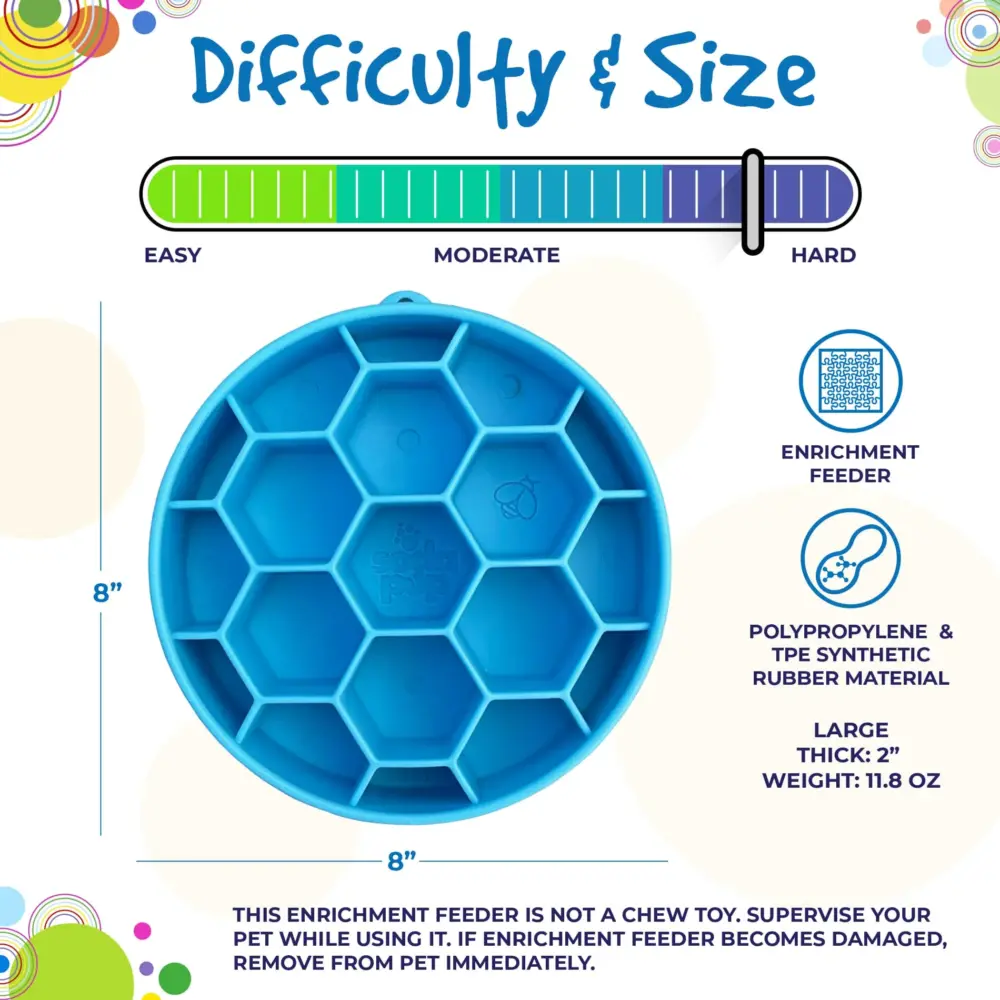
Honeycomb Slow Feeder Dog Bowl, View product
$30.95
Why it fits: Honeycomb ridges turn breakfast into a few minutes of work after the morning walk. Deep enough for kibble or wet food, and dishwasher safe. Pick it up before the house empties.
-
SodaPup
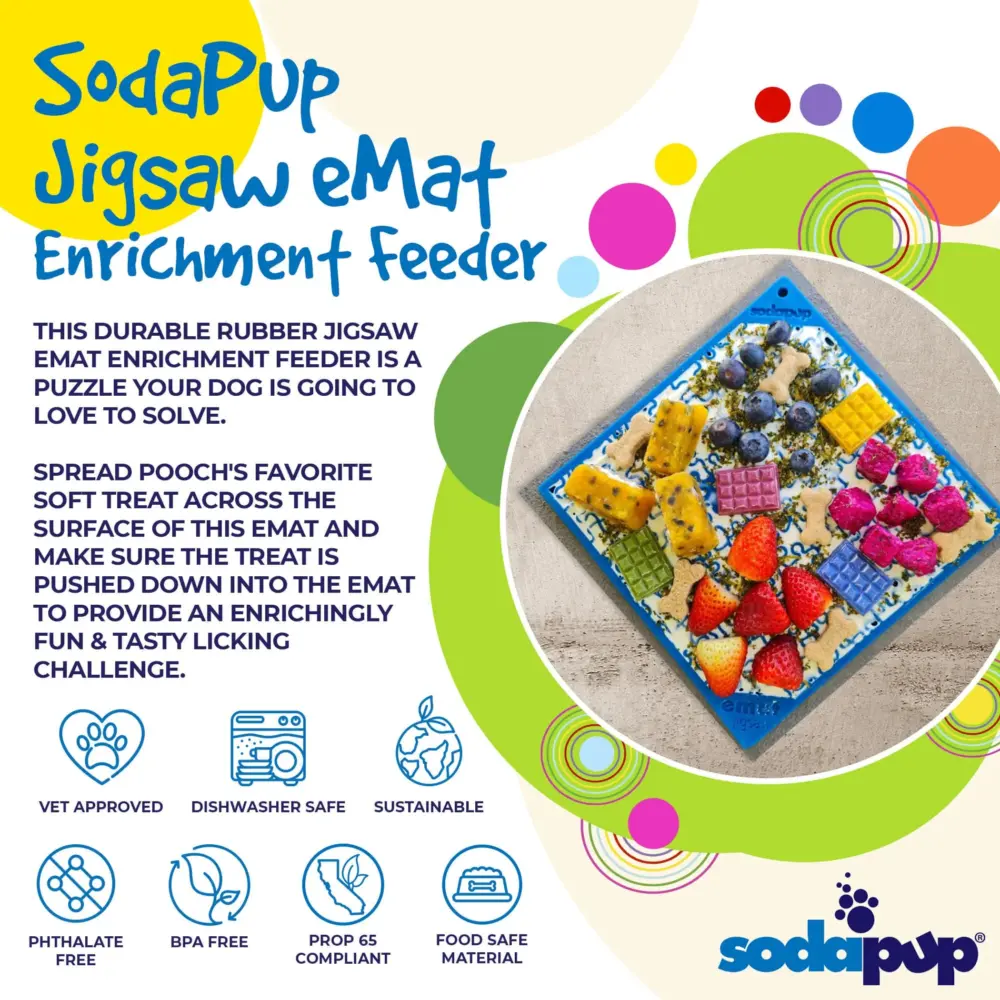
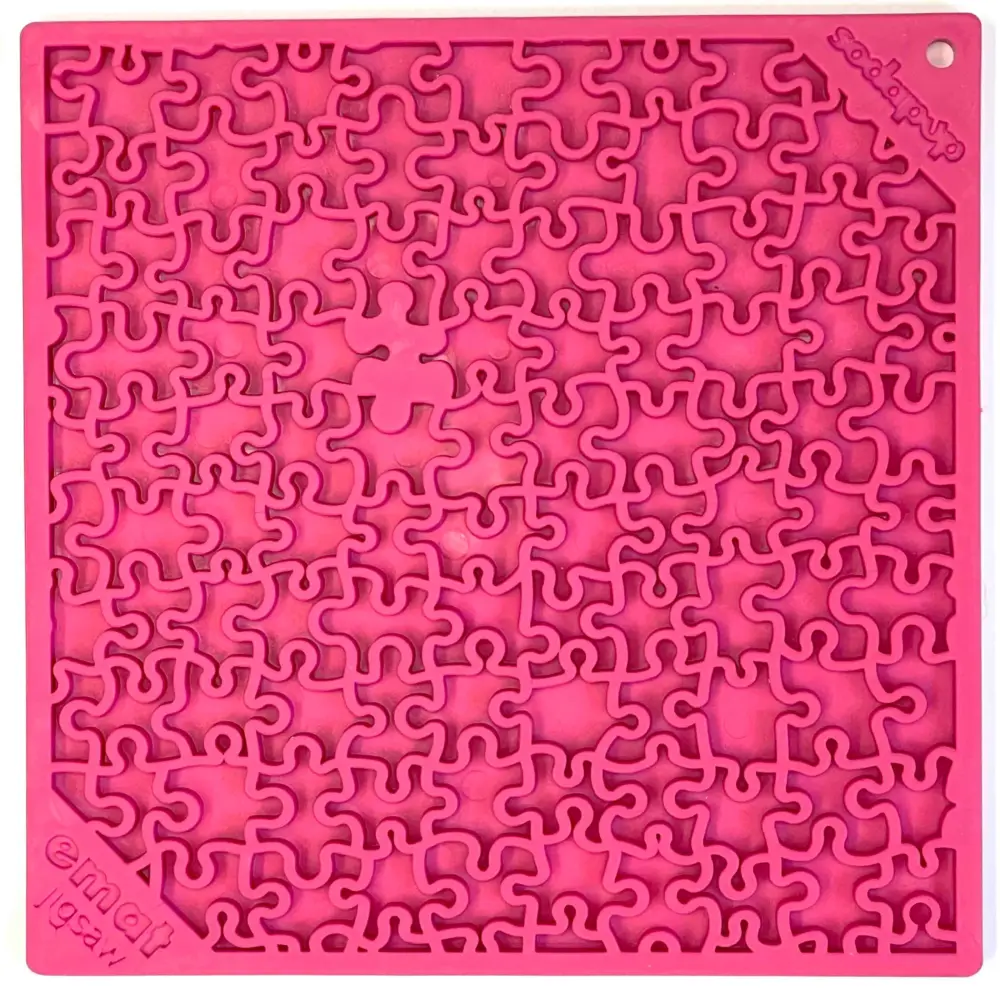
Jigsaw Enrichment Lick Mat for Dogs & Cats, Choose color
$25.95
Why it fits: A thin layer of soft food in the jigsaw grooves keeps your dog busy while lunches get packed, or frozen, through homework time. Dishwasher safe; collect it before the house empties.


Covering the empty middle of the day
How long your dog can comfortably be alone depends on age, bladder, health and temperament, so there’s no single number. Puppies, older dogs and dogs with medical conditions usually need breaks more often; ask your veterinarian what’s reasonable for yours. If you’re not sure your dog can hold it until someone gets home, the AKC suggests having a pet sitter come in at lunch. The usual options:
- A family member or neighbor who can drop by at lunch, with a backup for the days they can’t.
- A professional dog walker for a walk at a set time. Ask how many dogs they walk at once, whether they’re insured and who covers when they’re sick.
- A drop-in pet sitter for a bathroom break, fresh water and company, which can be plenty for a small or older dog.
- Doggy daycare a day or two a week for sociable dogs who enjoy other dogs. Not every dog does.
Hand over the details in writing; our checklist of what to tell your dog walker covers gear, habits, health notes and emergency contacts.
Setting up the resting spot
Many dogs sleep through much of a quiet day, so keep the resting spot comfortable and dull. If your dog barks at the bus or kids walking past, pick a room away from the street or block the view at dog height; the AKC also suggests background noise, such as a quiet radio, for dogs prone to stress. Use a crate only if your dog already relaxes in it. The ASPCA advises against crating a dog who pants heavily, drools or tries frantically to get out.
If a parent works from home
Your dog isn’t alone, but the house goes quiet and your attention is on work. See how to keep a dog busy while working from home for that routine.
Low-key departures and returns
A long goodbye at the door, with three kids hugging the dog in turn, makes leaving a big event. VCA advises against saying goodbye at all, since it draws attention to the departure, and the AKC suggests keeping comings and goings low-key and varying parts of your routine.
- Say goodbye early. Kids can pat the dog at breakfast, then leave without a scene at the door.
- Pack the night before, so the morning is quieter and has fewer signals that everyone is about to vanish.
- Shuffle the cues. On weekends, pick up keys or a backpack at random moments, then sit back down, so those signals stop predicting a long absence.
- Leave once your dog has settled, not in the middle of a burst of excitement.
- Come back calmly. Keep the hello quiet and brief, take your dog straight out for a bathroom break, and save the fuss for when all four paws are on the floor. For a dog with separation anxiety, VCA suggests holding attention back until they settle, which can take 10 to 15 minutes.
The after-school return is the loudest: bags dropped, doors banging, everyone shouting hello. Agree who takes the dog out first, and save the hellos and snacks until after.
After school: time with the kids
This is when your dog gets the family back, so plan it rather than leaving it to chance:
- Out first, before the backpacks are even unpacked.
- A walk or a sniff. Even a short loop helps a dog who has been inside since morning. If your kids are old enough to hold the leash, walk together until you’re sure they can handle the dog.
- Play. Tug, fetch in the yard or hide-and-seek; on wet afternoons, try these indoor games for dogs.
- A five-minute training session. Kids can practice sit, down, wait and come, paying with pieces of the dog’s dinner kibble so the treats don’t add up.
- Calm time. Let your dog settle on its bed during homework, with the lick mat if someone at the table can keep an eye on it.
Tug rules for kids
Tug works well after school when it has rules: the dog takes the toy when invited, lets go on a cue for a treat or a restart, and the game pauses the moment teeth touch skin or clothes. Older kids can play with an adult nearby; younger children do better with toss-and-fetch or find-it games. Put the toy away when the game ends.
Protect your dog’s rest
After a day of dozing, many dogs are ready for anything at 3:30, but an hour of nonstop attention can leave a dog overtired and mouthy. Teach kids to leave a sleeping or eating dog alone, and have an adult supervise whenever young children and the dog are together. The right amount of play varies; how much playtime a dog needs explains how to read yours.
-
Realistic Plush Fox Dog Toy with Squeaker, View product
$30.95
Why it fits: The long 6-inch tail is made for after-school tug and the soft body for carrying around. Best for gentle to moderate chewers; play while someone watches, then put it away.
-
Fire Hose Crocodile Dog Toy, View product
$30.95
Why it fits: For a dog who wrecks plush toys: a 26-inch, stuffing-free fire-hose crocodile for tug and fetch in the yard. Still supervise play and retire it once it shows wear.


More tug and fetch toys are in our toys and play collection.
Mistakes that make the switch harder
- Changing everything on the first school day, so the early alarm, new meal times and an empty house all land at once.
- Letting the morning walk shrink to a bathroom break on busy days.
- Scolding your dog for the chewed shoe or puddle you find after school. The ASPCA stresses that anxious behavior is not disobedience.
Troubleshooting the first few weeks
Your dog won’t eat breakfast at the new time
Some dogs aren’t hungry at 7 a.m. after a summer of late breakfasts. Feed after the walk, keep moving the time gradually, and pick the bowl up when the morning job is over. Call your veterinarian if your dog keeps skipping meals or seems unwell.
Chewing or digging while the house is empty
Boredom and distress can look alike. The ASPCA notes that some dogs are destructive when left alone simply because they’re bored, and these dogs usually don’t seem anxious. Start with more morning exercise, a midday break and a resting spot with nothing tempting to chew. If the damage is at doors and windows, or comes with howling, drooling or accidents, read the next section.
Accidents in a house-trained dog
A dog who was reliable all summer may just need a midday break. If accidents continue even with one, ask your veterinarian: the ASPCA lists urinary tract infections and other medical problems among the causes to rule out.
Signs your dog isn’t coping, and who to call
The ASPCA’s overview of separation anxiety notes that an abrupt change in when or how long a dog is left alone can trigger the problem, and the first week of school is exactly that kind of change. Watch for these when your dog is left alone:
- Barking, whining or howling that goes on long after everyone leaves.
- Chewing or digging at doors, door frames or windows, or trying to escape.
- Accidents in a dog who is house-trained.
- Restlessness, pacing, trembling or drooling while alone.
- Shadowing people from room to room in the morning and growing anxious as they get ready to leave.
If you see them:
- Call your veterinarian first, to rule out a medical cause and discuss whether medication could help alongside a training plan.
- Get help from a qualified professional. The ASPCA recommends a Certified Applied Animal Behaviorist or a board-certified veterinary behaviorist or, if you can’t find one, a Certified Professional Dog Trainer with experience treating fear. Your veterinarian can refer you.
- Record the empty house. A video of the first stretch after everyone leaves shows the professional what your dog actually does.
- Shorten the longest absences while you get help, with a sitter, daycare or a friend’s house on the busiest days.
Safety note
If your dog hurts itself trying to get out, damages a door or crate, or panics every time it’s left, don’t keep repeating the same absence. Arrange for someone to be with your dog and call your veterinarian promptly.
Planning for the rest of the year? Browse our seasonal guides.
Related guides
-
Buying guide
What to Get Your Dog for Christmas: Gifts for Tuggers to Nappers
Choose your dog's Christmas gift by what they already do: a stuffing-free fire hose toy for tuggers and shredders, a plush fox for gentle carriers, a lick mat or slow feeder for lickers and fast eaters, and a cuddler bed or coat for small dogs, plus safety checks, unwrapping and gifts to skip.
-
Guide
Toys for Dogs Who Destroy Toys: Choosing by Chewing Style
Shredder, tugger, carrier or steady chewer? Match toys to your dog's play style, see where fire hose and plush fit, play tug with rules and know when to retire a worn toy.
-
Checklist
Christmas Dog Safety Checklist: Tree, Gifts, Food and Guests
A dog-proof Christmas in one checklist: anchoring the tree and covering its water, ornaments, tinsel and cords, food gifts and batteries under the tree, toxic sweets and plants, guests’ bags and the front door, a calm plan for the day and what to do if your dog eats something.