Home & Cleaning Checklist
How to Keep a House Clean With a Dog: A Daily to Seasonal Checklist
Short answer
Most dog mess comes in through the door or off the coat, so dry paws, legs and belly before your dog reaches the floor, and brush at least weekly. Then wash bowls and sweep daily, do bedding and rugs weekly, and once a month clean toys, walking gear, the car and the corners where hair collects.
A dog home gets messy in predictable places: wet feet and a shaking coat at the door, splashes and drool around the water bowl, beds and throws that hold hair and smell, and a back seat that brings the park home. This checklist sorts those jobs by how often they need doing. Where a job needs a full method, it links to the guide that covers it, so this page can stay your schedule.
The dog-home checklist at a glance
| When | The jobs | What it heads off |
|---|---|---|
| At the door | Paws, legs, belly and coat dried | Mud and grit tracked across floors |
| Daily | Bowls, the feeding spot, a quick sweep | Slime, drips and drifting hair |
| Weekly | Brush, wash bedding, rugs, floors | Hair and smell building up in fabric |
| Monthly | Toys, gear, corners, car, filters | Odor from things you rarely wash |
| Seasonal | Extra brushing, mud plan, guest prep | Shedding and wet-weather peaks |
Short on time? Start with the door. A minute with a towel there keeps more dirt off your floors than any job further down the list.
At the door: paws and wet coats
Set the door up once, and the routine takes a minute or two after each walk. This list covers the house side of the job. For how to clean the paws themselves, whether they come back dusty, muddy or salty, see our guide to cleaning dog paws after a walk.
- An absorbent, washable mat just inside the door, where your dog stops first
- A washable runner beyond it, where wet feet land after the first few strides
- Two towels on a hook, so one is always dry, with the paw cup and wipes on a shelf beside them
- Legs, belly and coat toweled after the paws, before you unclip the leash
- A hook or bin for the leash, harness and bag pouch, so wet gear stays off the furniture
- A habit of waiting on the mat while you towel, rewarded with a treat every time
Why paws come first. Grit carried in on paws can wear at floor finishes, and long nails add the scratches; our guide to protecting hardwood floors from dog scratches deals with both. A rinse and a towel at the door also mean the mud ends up in the cup and the laundry, not ground into the rug by the couch.
Why the leash stays on. A damp dog tends to shake or roll on the first soft surface it finds, which is how a wet walk ends up in the sofa cushions. Keeping the leash clipped until the coat is toweled keeps your dog on the mat. Damp feet can smell, too: a faint corn-chip note is common, and why dog paws smell like Fritos explains what is normal and which changes to mention to your veterinarian.
-
Bark Fifth Avenue
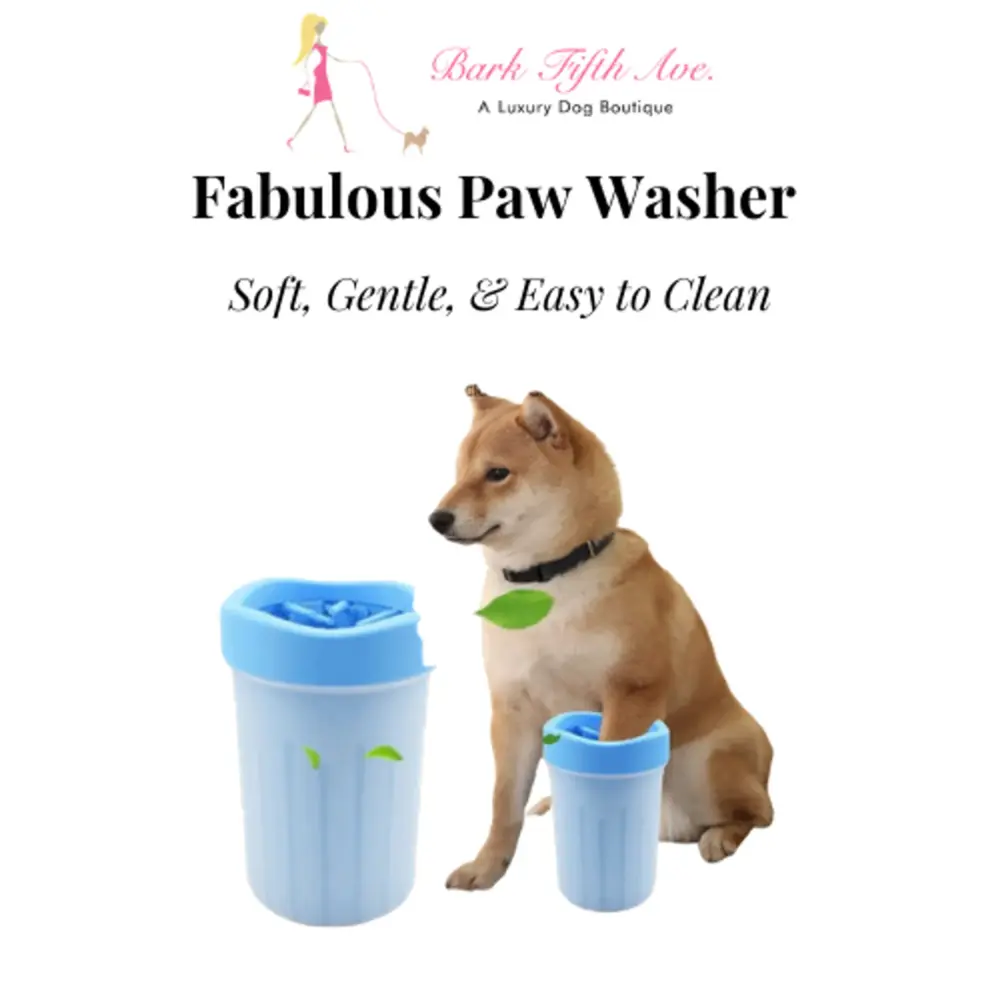
Fabulous Paws Dog Paw Cleaner Cup, Choose size & color
$31.95
Why it fits: Rinses mud and grit off one paw at a time at the door; soft silicone bristles work between the pads, and the water stays in the cup.
-
Mr. Peanut’s
Naturals Pet Wipes
$26.95
Why it fits: Cleans dusty paws and legs after a dry walk; each of the 150 wipes is large and thick, so one usually does the job without tearing.
Currently out of stock


Daily: bowls, drool and a quick sweep
- Water and dry-food bowls washed every day and wet-food bowls after every meal, as in the CDC’s sample cleaning schedule for pet supplies
- The floor under the bowls wiped, with a wipe-clean mat or tray to catch splashes and kibble
- A cloth by the water bowl for heavy droolers, to wipe jowls after a drink
- The yard picked up, so nothing gets carried in on paws
- A two-minute sweep where your dog spends the day: a dry dust mop or quick vacuum on hard floors, the sofa throw shaken outdoors
- Accidents cleaned straight away with an enzymatic cleaner made for pet messes, then left to dry
Why the bowl area gets its own job. Many dogs drink messily, and water left on the floor collects hair and grit and gets walked through the house. Wiping the floor when you wash the bowls takes seconds and keeps the feeding spot from turning into a sticky patch.
Drool is normal for some dogs. The AKC notes that breeds with loose lips and jowls, such as Bloodhounds, Saint Bernards and Mastiffs, can’t hold in all the saliva they make, and suggests keeping a washcloth on hand. It also says to talk to your veterinarian about any new or increased drooling, so treat a sudden change as a health question, not a cleaning one.
Why an enzymatic cleaner. VCA Animal Hospitals points out that the odor of urine or feces is a cue for a dog to use the same spot again, so a quick wipe is not enough. Blot up what you can, use a cleaner made for pet urine as its label directs, and keep your dog off the spot until it is dry. Repeated accidents in a dog who was reliably house-trained are worth a vet visit.
Tip
Does the vacuum send your dog barking or hiding? Do the daily sweep with a dust mop or broom for now, and work through our step-by-step plan for a dog scared of the vacuum.
Weekly: brushing, beds and rugs
Pick one day and work from the dog outward: brush first, then wash the fabrics, then do the floors, so nothing you loosen lands on something you have already cleaned.
- Your dog brushed outdoors or on a hard floor that is easy to sweep; our guide to brushing a dog without getting hair everywhere covers where and how
- Dog beds, crate pads, blankets and sofa throws shaken outdoors, then washed by their care labels and dried all the way through
- Hair lifted off the couch with a barely damp rubber glove, wiped in one direction, or a lint roller
- Rugs and carpet where your dog lies raked, then vacuumed; see how to get dog hair out of carpet for stairs and delicate rugs
- Hard floors mopped along your dog’s routes: the door, the bowls, the bed and the favorite window
- Nose prints wiped off glass doors and low windows, and drool off walls and cabinet fronts at head height
Why brush before you clean. Hair that comes away on the brush cannot end up in fresh bedding. Brush after the laundry and you clean the same hair twice.
Why bedding is weekly. The CDC’s sample schedule cleans pet beds and blankets every week, and your dog’s bed and favorite throw are usually where house smell starts. Dry them completely before they go back down, since a bed returned damp soon smells musty. If you can, keep a second throw so one is on the sofa while the other is in the wash.
-
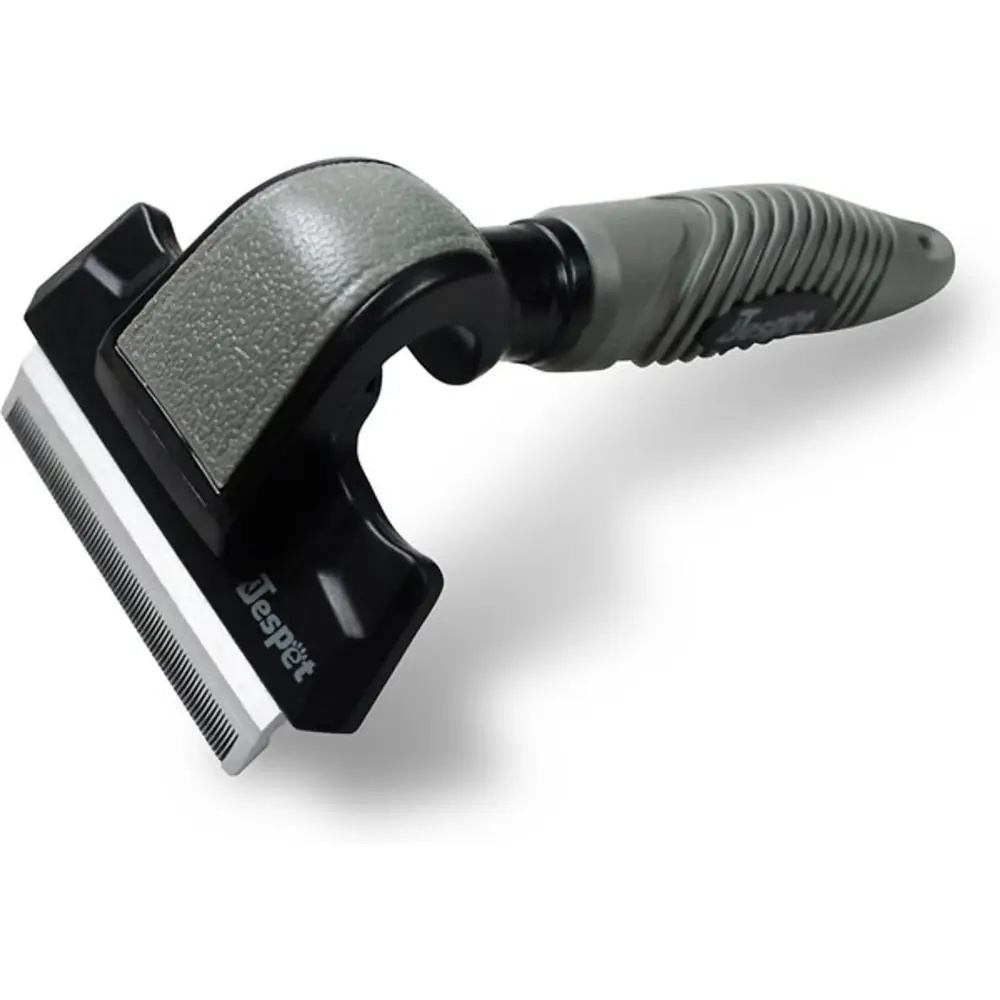
JESPET
De-Shedding Tool for Dogs & Cats, Choose size
Price range: $27.95 through $29.95
Why it fits: Pulls loose undercoat out during the weekly brush, before it reaches rugs and throws; made for double coats, in Small or Large.
-
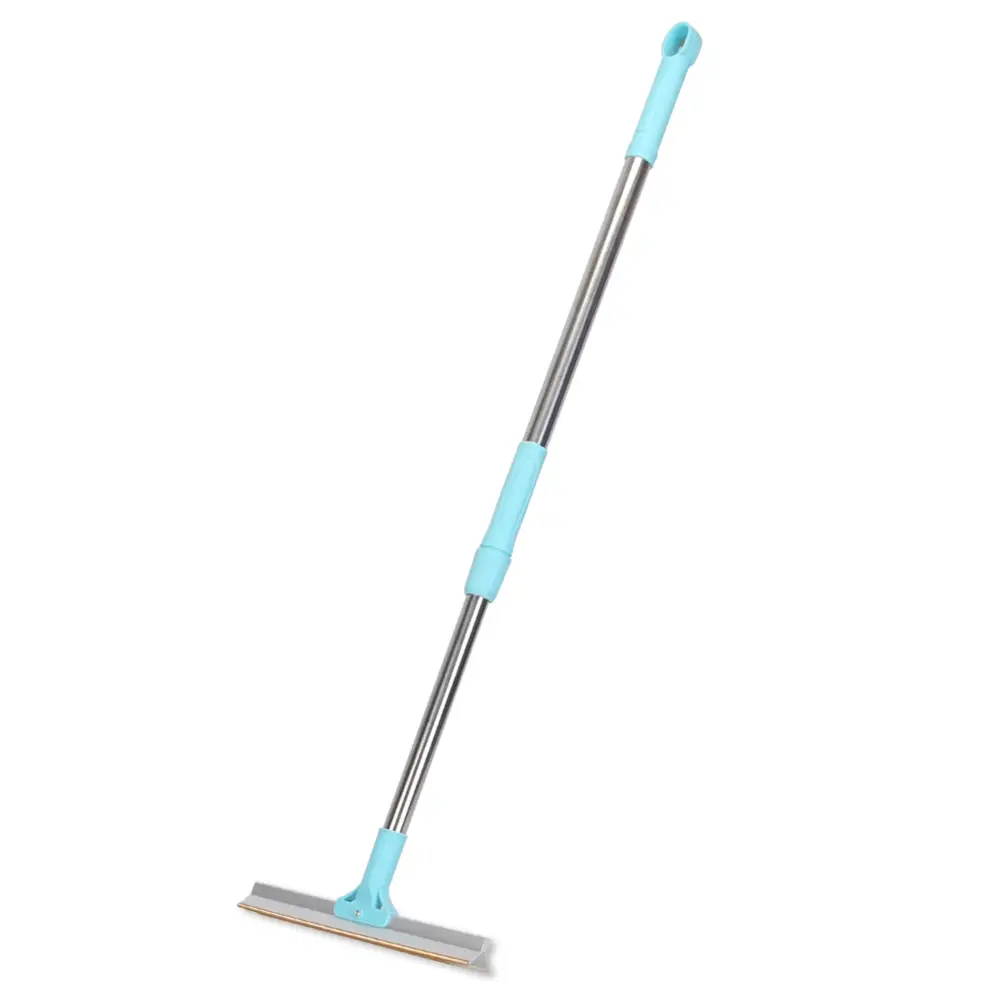
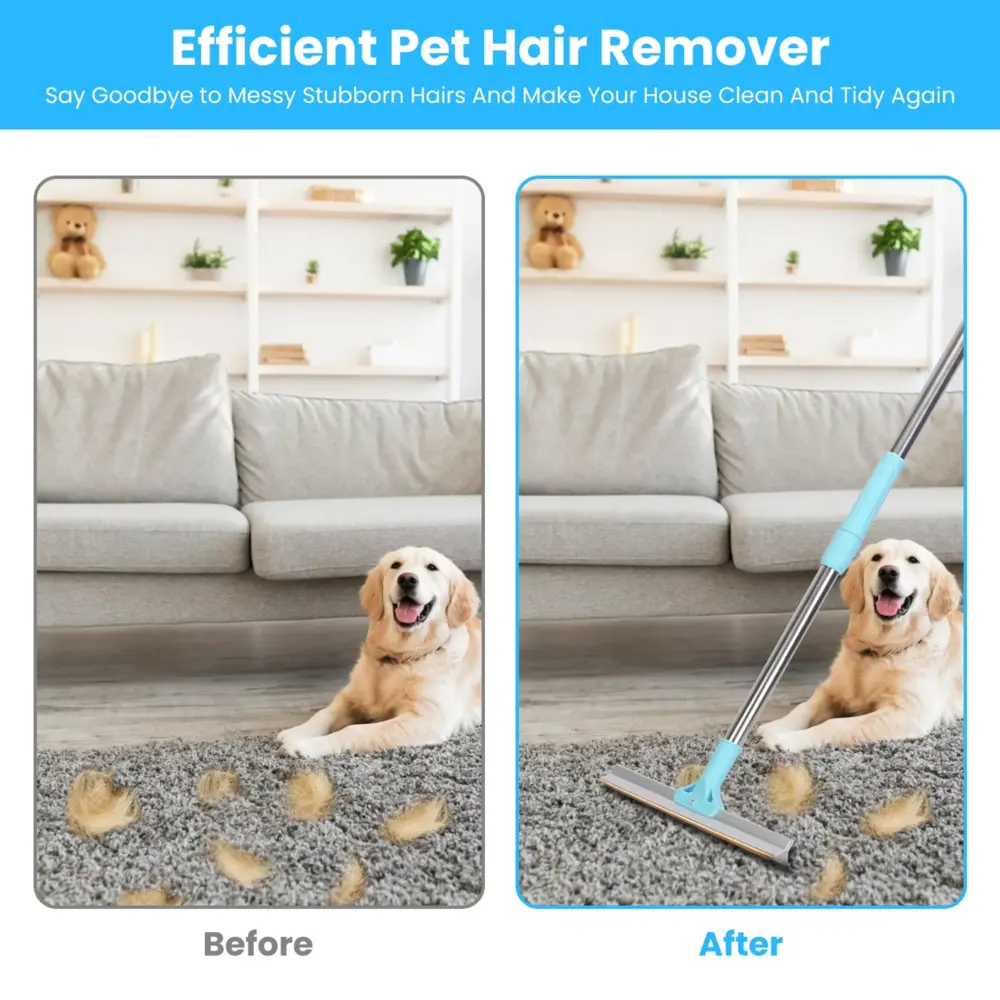
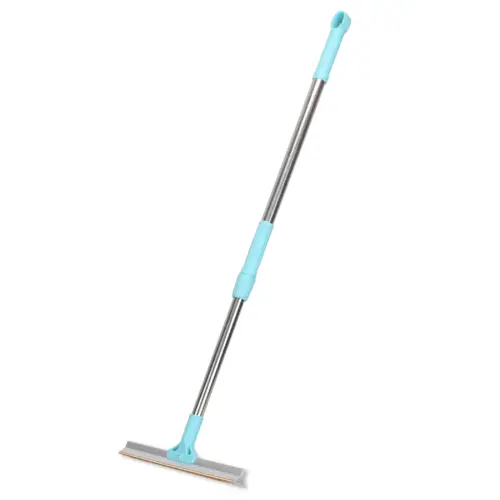
Telescopic Pet Hair Removal Rake for Carpets, Rugs & Car Seats, View product
$46.95
Why it fits: Lifts the hair your vacuum leaves woven into rugs and stairs, and the telescopic handle lets you rake a whole room standing up.

Monthly: gear, corners and the car
- Toys cleaned once a month, as the CDC suggests: fabric ones washed by the care label, rubber and plastic ones scrubbed in soapy water, damaged ones thrown out
- Collar, harness and leash washed by their care labels, air-dried, and checked for frayed stitching and cracked buckles
- The poop bag pouch and treat pouch washed or wiped out
- The car seat cover or hammock washed, the floor mats vacuumed and nose prints wiped off the windows
- Your dog’s corners cleaned: under the sofa they lie beside, behind the crate, under beds and along the baseboards
- Furnace and air-conditioner filters checked, and replaced on the filter maker’s schedule
Why the walking gear. A collar or harness sits against the coat on every walk, wet or dry, and often goes back on the hook damp. Read the label before you wash: some are machine washable, others are better washed by hand, and most should air-dry.
Why the filters. As the AKC points out, central heating and air conditioning spread dog dander into every room, even the ones your dog never enters. A monthly look tells you when a filter is clogging faster than its usual schedule.
The car is a room too. Hair, mud and wet coats land on the back seat after every outing. A washable hammock such as our GF PET Waterproof Dog Car Hammock Seat Cover covers the rear bench and the backs of the front seats; it goes in the machine on a cold, delicate cycle and lies flat to dry. It measures 58 × 57 in, so measure your back seat first. A cover protects the upholstery, not your dog, so your dog still needs a proper restraint on the drive.
Seasonal: shedding, mud and guests
Spring and fall shedding
Many double-coated dogs shed heavily as the seasons turn. For those weeks, add short brushing sessions rather than one long one; the JESPET tool’s own instructions suggest two or three de-shedding sessions a week in shedding season. Wash throws more often, rake the busiest rugs twice a week and empty the vacuum before it is full.
Mud season and winter salt
- Extra towels in rotation, with a basket by the door for the wet ones
- A second door mat, so one can dry while the other is down
- The seat cover left in the car for the season instead of going in and out
- The fur on the feet and between the pads tidied by your groomer, since long paw fur holds mud
On treated sidewalks, the door routine matters for your dog as well as the floor. The ASPCA advises that you wash and dry your dog’s feet and stomach after each walk to remove ice, salt and chemicals, since ice melts can be dangerous if swallowed. Do it before your dog settles down to lick their feet.
Before overnight guests
- A few days ahead: bathe your dog if a bath is due, then brush once the coat is dry
- The day before: wash the dog bed, the sofa throws and any blanket your dog naps on
- Fabric furniture and carpet vacuumed, and hard surfaces dusted with a damp or microfiber cloth
- The guest room door kept shut, so your dog doesn’t nap on the guest bed
- Chews and toys picked up from the hallway and the guest room
These follow the AKC’s advice on making a dog home comfortable for guests with allergies. It notes that rooms with dogs have higher levels of airborne allergens, and that a bath before guests arrive can help, though how much varies from dog to dog.
Cut the mess at the source
The schedule above gets shorter when less mess is made in the first place. Four habits do more than any extra vacuuming:
- Brush on a schedule, not when the floor looks bad. Smooth coats need about one session a week, double coats one to three, and long or curly coats daily or close to it.
- Keep nails trimmed. Short nails are quieter on hard floors and less likely to snag throws and rugs.
- Give your dog washable places to rest. A bed of their own and a throw on the part of the sofa they claim keep the hair on things that fit in the washing machine.
- Choose rugs you can wash. The AKC suggests low-pile carpet or throw rugs you can wash weekly; in the spots where your dog lies, that turns a raking job into a load of laundry.
What to skip around dogs
- Mixing cleaners. The CDC warns never to mix bleach or any disinfectant with other cleaners, because the vapors can be dangerous to breathe.
- Letting your dog onto damp floors and carpet. The ASPCA advises steering pets away from freshly cleaned surfaces while they air out and letting shampooed carpet dry before pets come back.
- Ignoring the label. The ASPCA’s advice is to follow label directions for any cleaning product and to ask your veterinarian or the manufacturer when you are unsure.
- Essential oil diffusers and sprays in your dog’s rooms. The ASPCA advises against using essential oils where pets have access, unless they are supervised or your veterinarian has approved the oil.
- Strong vinegar within reach. Diluted vinegar is a common homemade cleaner, but the ASPCA notes that concentrated or undiluted vinegar can cause vomiting, diarrhea and mouth irritation if a pet swallows it.
- Dryer sheets and mop buckets within reach. Chewing fabric softener sheets can make a dog sick, according to the ASPCA, so keep them and your cleaners up and out of reach, and empty the mop bucket when you finish.
- Air freshener over a dirty bed. Fragrance covers a smell for an afternoon; washing the source removes it.
Safety note
If your dog licks, chews or swallows a cleaning product, call your veterinarian or the ASPCA Animal Poison Control Center at (888) 426-4435 right away, and keep the product container at hand so you can read out the label.
The paw cup, wipes and other door-station supplies are in our clean-up category.
Related guides
-
Checklist
Vacation Rental With a Dog: Yard, House Rules and Checkout Cleanup
A checklist for a rental house or cabin with your dog: what to ask about the fence, how to walk the yard and dog-proof the rooms on arrival, house rules that protect the furniture, daily paw and hair habits, and the checkout cleanup that heads off extra fees.
-
Checklist
Staying With Family or Friends With a Dog: A Houseguest Checklist
A houseguest checklist for a few days at your parents’ or friends’ home with your dog: the questions to ask first, what to pack, meeting a resident dog or cat, a hazard check, a quiet room and routine, and the cleanup before you leave.
-
Checklist
How to Protect an Apartment From Pet Damage: A Renter’s Checklist
A renter’s checklist for living with a dog or cat: photos and lease questions at move-in, prevention for carpet, doors, floors and odor while you live there, and a room-by-room deep clean before you hand back the keys.