Home & Cleaning How-to
How to Brush Your Dog Without Getting Hair Everywhere
Short answer
Brush outdoors when you can, with the breeze carrying hair away from you. Indoors, lay an old sheet on a hard floor or in a bathroom with the door shut, and stay off the couch and rugs. Mist the coat lightly, empty the brush into a bag every few strokes, and vacuum afterward, not before.
Where to brush your dog at home
Loose hair goes wherever moving air and soft fabric take it. The best spot gives it nowhere to settle except a surface you can sweep, shake out or shut the door on. From easiest cleanup to hardest:
Outdoors: the easiest cleanup
A patio, deck, driveway or patch of lawn beats any room in the house, because whatever the brush misses lands outside. Stand so the breeze blows hair away from you and the back door, and skip gusty days, when tufts blow straight back onto you and your dog. Keep your dog on a leash or in a fenced area, brush in the shade on hot days, and keep sessions short in the cold. Bag the hair as you go, or it drifts into the flower beds and comes back in on paws.
If anyone at home is allergic to your dog, this is the place to groom, and ideally someone without the allergy holds the brush.
A hard floor and an old sheet
When outdoors isn’t practical, choose tile, vinyl, a laundry room or the garage, as close to an outside door as you can. Lay down an old flat sheet or a large towel first. When you finish, you fold the hair up inside it and carry it out, instead of chasing tufts across the floor. A smooth cotton sheet lets go of hair more easily when shaken than a fluffy towel does. If your dog slides around on it, set a non-slip bath mat in the middle for them to stand on.
A bathroom or an empty tub
A small room with the door closed keeps floating hair in one place, and tile wipes clean. A small dog can stand in a dry tub or shower on a non-slip mat; lift them in and out rather than letting them jump onto slick tile. A bigger dog can sit on the bathroom floor. Cover the drain, and pick the hair out by hand instead of rinsing it away, since hair rinsed down a drain tends to clog it.
Where not to brush
- The couch or your bed. Hair works into the weave, and you’ll be picking it out for days.
- Carpet or a rug. Short, stiff hairs work down into the pile with every step.
- Under a ceiling fan, in front of a box fan or by an open window. Moving air carries fine hair and dander across the room.
- Next to a heating or cooling vent. A supply vent blows loose hair across the room, and a return vent pulls it into the grille and filter.
- Near clean laundry, the closet or a freshly washed dog bed, where drifting hair undoes a job you just finished.
- The kitchen while food is out, since fine hair settles on counters and plates.
When to brush so less hair spreads
- Before a bath. The ASPCA’s dog grooming tips call for a good brushing to remove dead hair and mats before your dog goes in the water, and tangles are harder to work out once they’re wet. Do that brushing in the bathroom, so the hair from both jobs ends up in one room.
- After the bath, once the coat is dry. Washing and drying tend to loosen more hair, so brush again when the coat is completely dry, in the bathroom or outdoors. Before you reach for the towel, let your dog shake in the tub with the shower curtain drawn.
- Blow-drying. A hair dryer blows loose undercoat all over the room. If you use one, keep the door shut, use the cool or lowest heat setting and keep the nozzle moving so no patch of skin gets hot.
- At the end of a walk. Brush outside before you go back in. Your dog is calmer, and the hair stays in the yard. The same goes for car trips: brush before the ride, not in the back seat.
- Before you vacuum, never just after. Brush on cleaning day, then give the floating hair a few minutes to settle before you switch the vacuum on. You clean once instead of twice.
What you need to catch the hair
The goal is to get loose hair into the brush, keep it there and move it into a bag, with as little as possible floating free in between.
- A brush that suits the coat. The right tool pulls loose hair out and holds it; the wrong one skims the surface and leaves the hair to fall out later on your floor. Slicker for medium and long coats, de-shedding tool for double coats, soft or mist brush for short coats.
- A fine mist: a spray bottle of plain water set to its finest setting, or a brush with a built-in mist tank.
- An open bag beside you: a paper grocery bag, or a trash bag with the top rolled down so it stays open.
- An old sheet or a large towel, unless you’re outdoors.
- Treats, or a lick mat spread with a soft treat, so your dog stays put instead of wandering off the sheet.
- Smooth clothes or an apron. Hair slides off nylon and tightly woven cotton, while fleece and chunky knits hold onto it.
- A vacuum, plus a rubber rake for the nearest rug.
Why a light mist helps
Dry, fine hair builds static, which makes it float and cling to whatever it touches. A little moisture weighs it down, so it clumps on the brush instead of drifting off. Mist the section you’re about to brush until the surface of the coat is barely damp, not wet. Skip the water on mats and tight tangles, which tighten when wet, and outdoors on a cold day.
Empty the brush before it’s full
A slicker packed with hair stops grabbing and starts dropping tufts, and a de-shedding edge loaded with undercoat drops it back onto the coat and the floor. Clear it every few strokes, straight into the bag. At the end of each stroke, lift the brush away from the coat rather than flicking it, which throws loose hair into the air.
These picks are limited to what Nilosi stocks, not a survey of every brush on the market: three grooming tools for different coats, plus a rake for the hair that escapes. We don’t sell spray bottles or lint rollers, and the ones you already own will do. The rest of our range is in grooming tools.
-
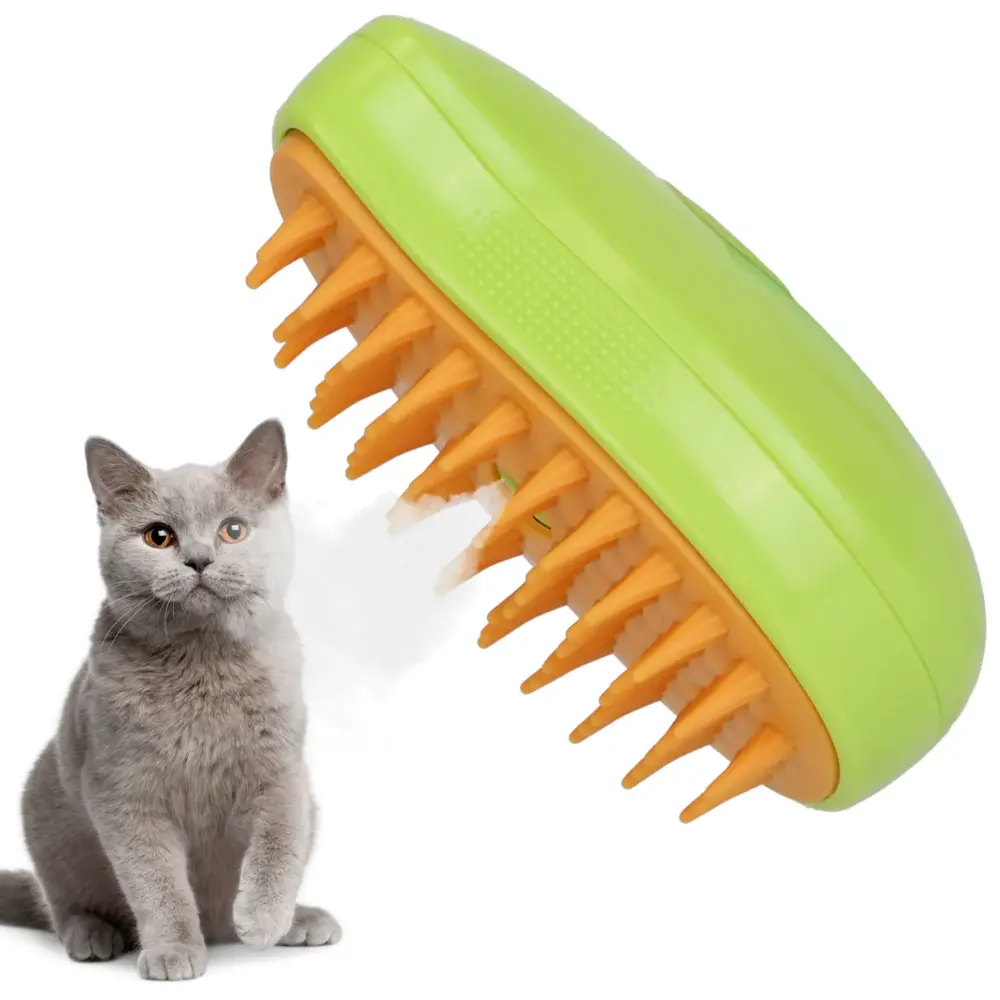
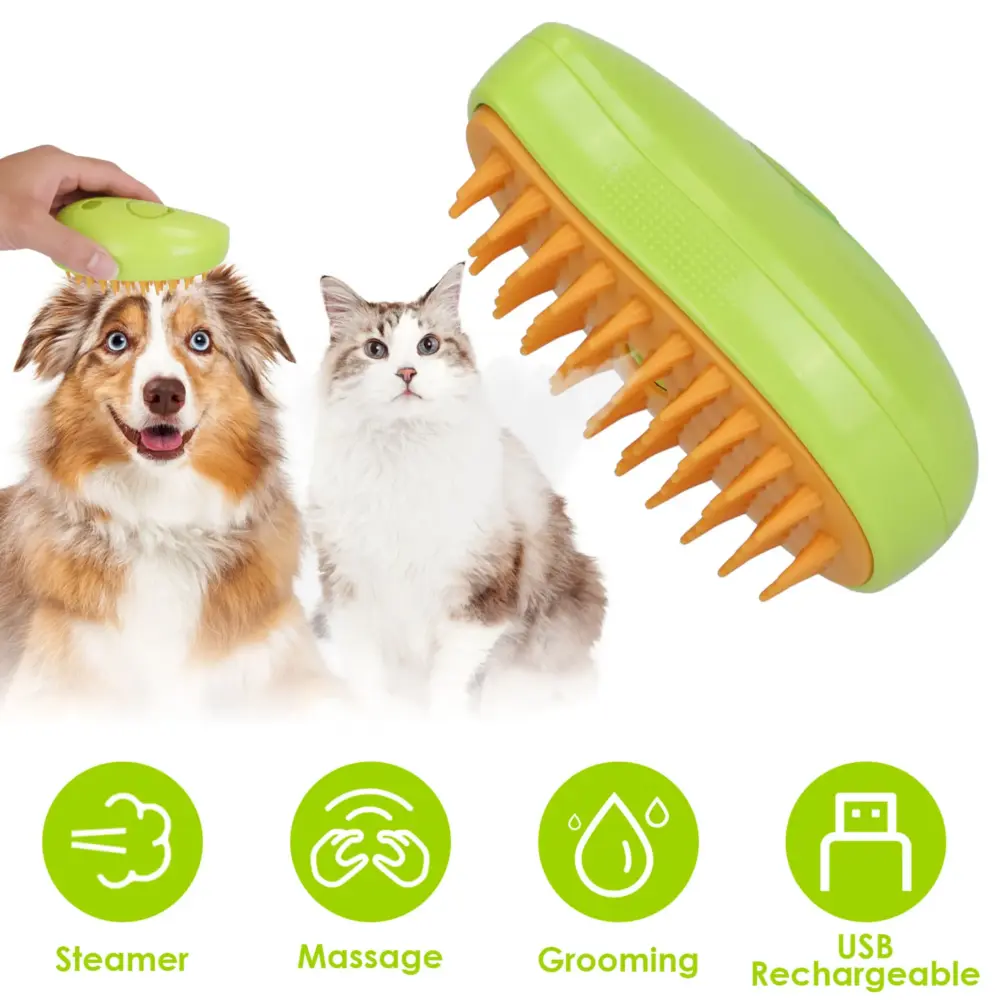
3-in-1 Steam Grooming Brush for Cats & Dogs, View product
$36.95
Why it fits: A fine mist settles loose hair as you brush, so more of it ends up on the pins, not in the air. Suits short-haired dogs and cats.
-
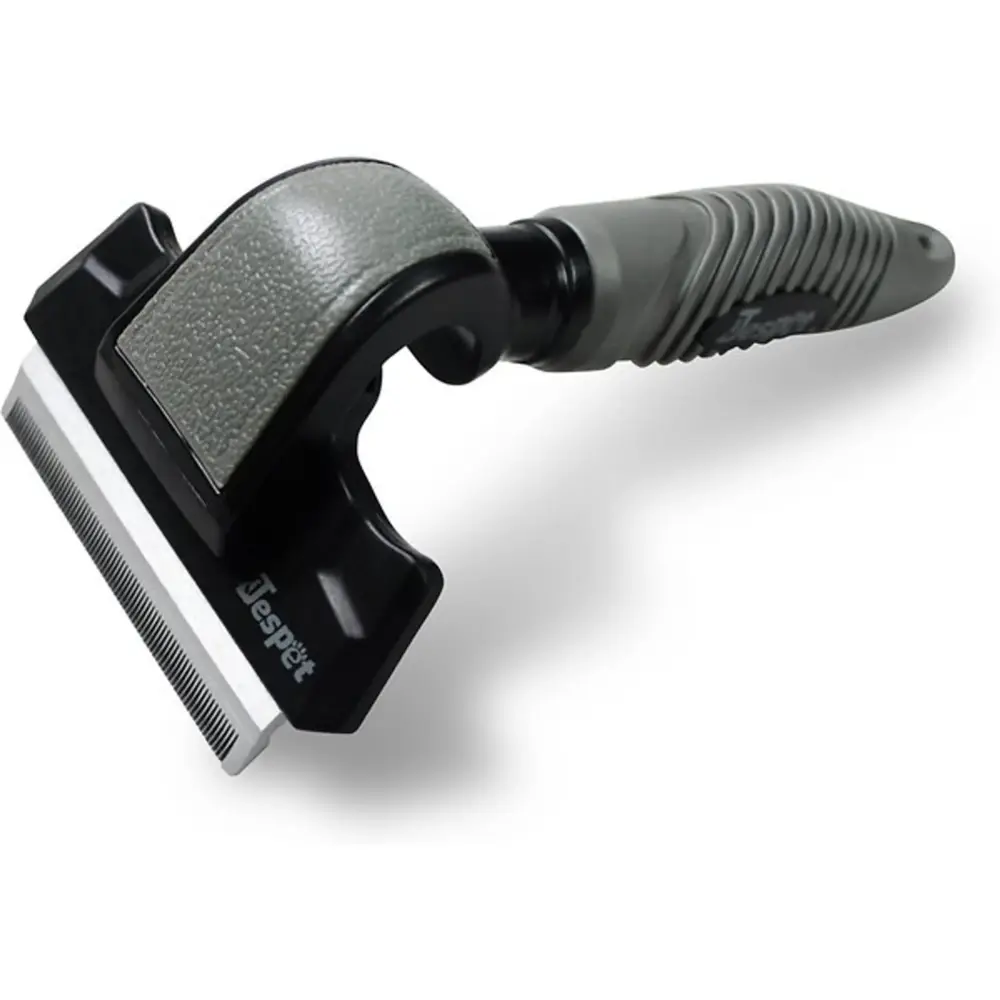
JESPET
De-Shedding Tool for Dogs & Cats, Choose size
Price range: $27.95 through $29.95
Why it fits: Catches loose undercoat in double coats before it drifts onto the floor; clear the stainless-steel edge into your bag. Small or Large.
-
Sakabase
Curved Slicker Brush, View product
$39.95
Why it fits: Reaches loose hair deep in medium and long coats; the curved head covers more coat per stroke, so clear the pins between sections.
-
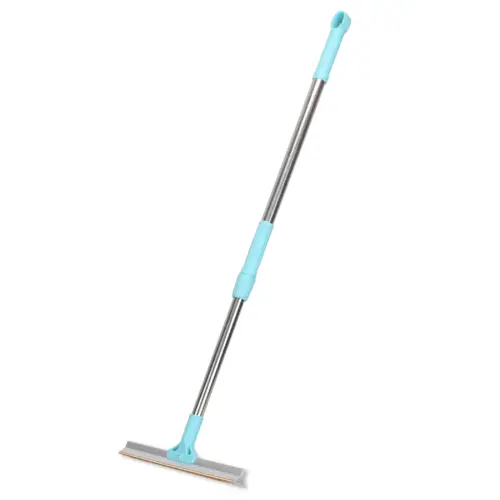
Telescopic Pet Hair Removal Rake for Carpets, Rugs & Car Seats, View product
$46.95
Why it fits: Pulls stray hair out of the rug after a session; firm rubber teeth lift it, and it comes off the rake in one piece. Works standing up.



How to brush a dog indoors without hair everywhere
- Set up the spot. Close the door, switch off any fans, stay clear of vents and lay the sheet down.
- Put everything within reach: brush, spray bottle, open bag and treats. Each time you get up, your dog follows, shakes and carries hair off the sheet.
- Change into smooth clothes, or put on an apron.
- Start once your dog has had a walk and wants to settle. Ask for a sit or a down on the sheet and reward it.
- Mist one section, starting at the neck. Leave any mats dry.
- Brush in short strokes the way the hair grows, lifting the brush away at the end of each. Work from the neck back and top down, so hair falls onto the sheet.
- Empty the brush into the bag every few strokes, or whenever the pins or edge look full.
- Finish with a damp hand. Run a barely damp palm over the coat to pick up loose hairs left on the surface, and drop them in the bag.
- Expect a shake. Let it happen on the sheet or outside, then reward your dog and end the session while they’re still relaxed.
The five-minute cleanup afterward
- Clear the brush over the bag. Pull hair off a slicker with your fingers or a comb, wipe the de-shedding edge and peel the hair off a mist brush’s pins.
- Tie the bag and take it to the outdoor trash, where the hair can’t blow back out.
- Fold the sheet corners to the middle, carry it outside and shake it out downwind. Wash it on its own, never with your clothes.
- Wait a few minutes, then vacuum, or use a dry microfiber mop on hard floors; a broom’s bristles flick fine hair back into the air.
- Check the nearest rug. Pull escaped hair out of the pile with rubber teeth, then vacuum; how to get dog hair out of carpet shows the strokes that work.
- Then you. Change your shirt or lint-roll it before you sit down. For hair that made it onto your clothes, or for washing that hairy sheet, try the dryer-first method in getting pet hair off clothes.
If your dog bolts or barks at the vacuum, vacuum while someone takes them for a walk, or settle them in a far room with a scatter of treats to sniff out. To work on the fear itself, see a step-by-step plan for a dog scared of the vacuum.
Shedding season: shorter sessions, outdoors
In a spring or fall coat blow, a double-coated dog can give up handfuls of undercoat in one sitting, more than one sheet and one bag can hold. Change the setup rather than brushing harder:
- Split the job into short sessions. Each one loosens less hair at once, so the sheet and the bag can keep up.
- Move outdoors whenever the weather allows. This is the season when the yard pays off.
- Stop once the brush comes away with just a few hairs, or sooner if the skin looks pink. The rest can wait for the next session.
- Check your heating and cooling filter more often, following the system’s instructions; it catches the hair that got away.
How often to de-shed during a blow, and how long one usually lasts, is covered in our guide to dog shedding season. For the rest of the house, from beds and throws to the car, the daily-to-seasonal routine in how to keep a house clean with a dog picks up where this page stops.
Safety note
Even a heavy seasonal shed should leave the skin underneath intact and comfortable. Bare spots, skin that looks red, scaly or sore, nonstop scratching, or heavy shedding outside your dog’s usual season are not something to brush through. Keep the brush off that area and ask your veterinarian.
Brushing a cat without hair drifting everywhere
Fine cat hair rides the smallest draft and clings wherever static puts it, and an indoor cat can’t simply be taken out to the patio. The same ideas work on a smaller scale:
- A small room. Brush in the bathroom or laundry room with the door closed, or on your lap over a smooth towel you can carry outside and shake.
- Skip the spray bottle. Many cats dislike being sprayed. A brush with a built-in mist releases it at the pins instead; let your cat get used to the brush dry before you press the mist, and keep it away from the face.
- Short sessions of a few minutes, ending before your cat decides to.
- Empty the brush constantly. Fine cat hair lifts off a full brush at the slightest movement.
- Not on the bed, even if that’s where your cat most likes to be brushed. Put the towel down first.
For a brushing plan by coat length and help choosing the tool, see how to reduce cat shedding.
Mistakes that send hair through the house
- Brushing on the couch, the bed or a rug.
- Letting the brush fill up before you clear it, so it drops tufts back onto the floor.
- Flicking the brush at the end of each stroke.
- Grooming under a running fan, in a draft or beside a vent.
- Vacuuming first and brushing second.
- Sweeping up with a broom.
- Dropping clumps on the floor to pick up later.
- One long session in the middle of a coat blow.
Troubleshooting: when hair still gets everywhere
- Fine hair still floats in the air. Mist a little more evenly, make sure fans are off, and on a short coat try a brush with a built-in mist.
- Your dog won’t stay on the sheet. Move to a smaller room, put the sheet in a corner, and offer a lick mat or a helper with treats.
- The brush comes away nearly empty, but the house is still covered. The tool may not suit the coat. A soft brush glides over the loose undercoat in a double coat, which needs a de-shedding edge to lift it.
- Your dog shakes the moment you finish. Walk them straight outside, or keep them on the sheet for a few seconds after you put the brush down.
- Hair keeps turning up on the couch between sessions. That’s everyday shedding. Brushing cuts it down but doesn’t stop it, so a washable throw on your dog’s spot helps.
Related guides
-
How-to
How to Use a De-Shedding Tool on a Dog or Cat Without Overdoing It
Use a de-shedding tool on a dry, detangled double coat, in light strokes with the grain, on the body only. Here’s how to pick a size, run a session step by step, which areas to skip, how often to de-shed, the signs you’re overdoing it and how to use one on a cat.
-
How-to
How to Groom a Senior Dog at Home: Brushing, Nails and Lump Checks
Many older dogs tire of standing, and shorter walks wear their nails down less. Here is how to set up a comfortable spot, brush gently by coat type, keep nails short, clean up between baths, check for lumps as you go and know when a groomer or veterinarian should take over.
-
How-to
How to Brush a Dog That Hates Being Brushed, One Stroke at a Time
For the dog who runs, squirms or mouths the brush: rule out mats and pain, choose a gentler brush for the coat, set up non-slip footing and a lick mat, then build from one rewarded stroke to a full brush-out, stopping at the first sign of stress.