How to Get Dog Hair Out of Carpet, Rugs and Car Mats
To get dog hair out of carpet after vacuuming, use something that grips the fibers instead of skimming over them. Pull a rubber-toothed carpet rake or a damp rubber glove across the pile in short strokes, and the embedded hair rolls up into clumps you can lift off. Then brush your dog a few times a week so less hair lands there.
Short answer: lift embedded hair with rubber teeth, then vacuum or pick it up
Vacuum first to clear loose surface hair, so the rubber can reach what is woven in.
- Vacuum the area slowly.
- Pull a rubber-toothed rake or damp rubber glove across the carpet in short strokes, section by section.
- Lift the clumps off by hand and bag them.
- Vacuum again for the leftover fine strands.
Why the vacuum misses hair woven into carpet
Many dogs shed short, stiff guard hairs that behave like tiny splinters. Every footstep pushes them deeper between the carpet tufts, where they hook into the fibers.
A vacuum lifts what sits loosely on top. To remove embedded pet hair from carpet, you need friction, and rubber provides it: it grips the strands and rolls them to the surface, where suction or your hand can take them.
How to get dog hair out of carpet with a telescopic rake
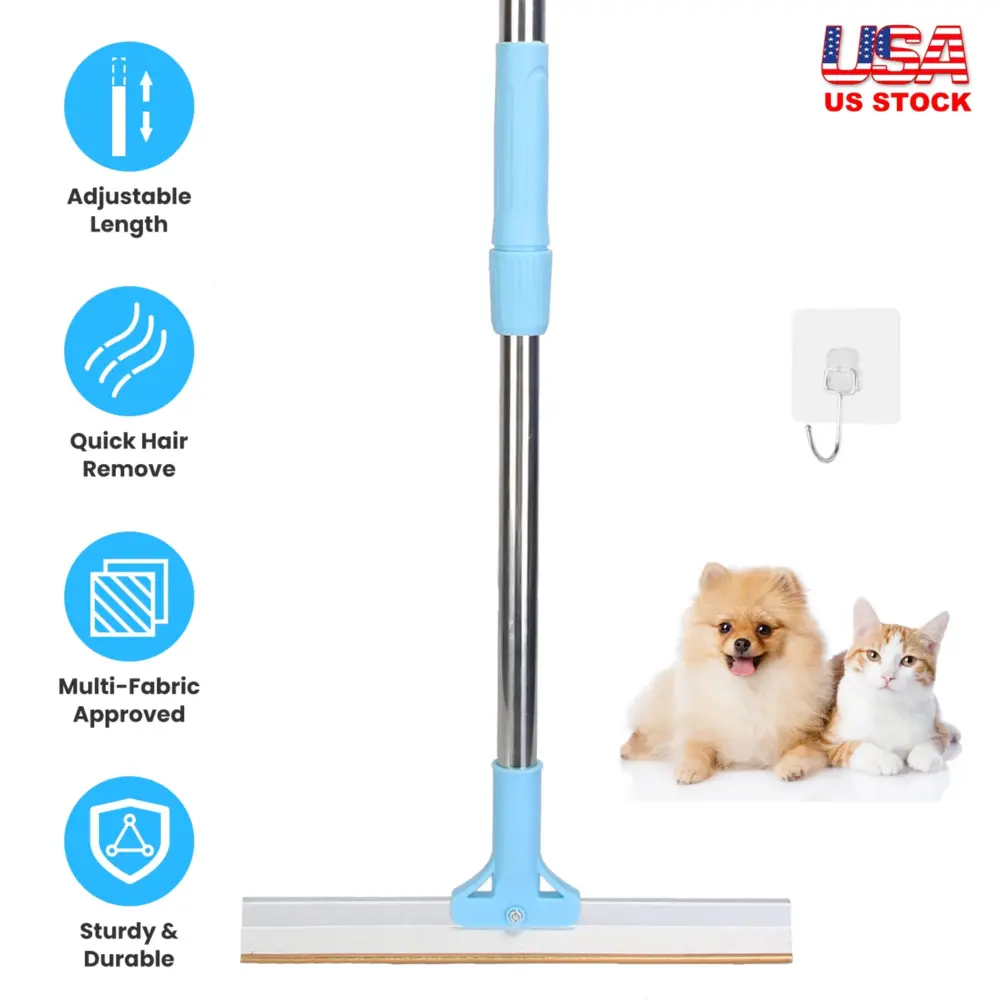
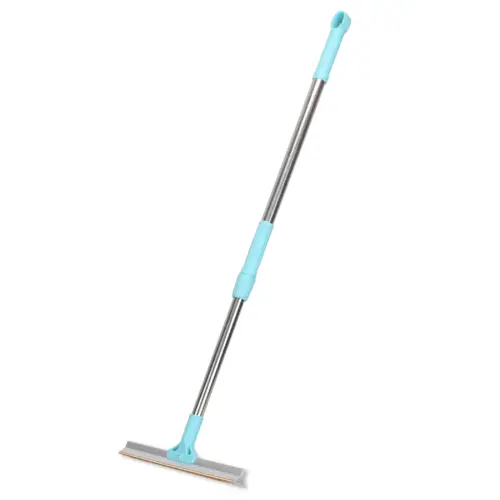
A carpet rake for pet hair is a wide head of rubber teeth on a long handle. Our Telescopic Pet Hair Removal Rake pairs firm rubber teeth with a light, rustproof telescopic aluminum handle, so you can do a whole room standing up. Three habits make it work.
Short strokes in one direction
Pull the rake toward you in strokes of a foot or two, lifting it at the end of each. Scrubbing back and forth pushes hair back into the pile, while one direction rolls it into a visible ridge.
Work in sections, standing up
Set the handle so you can stand upright, and rake in strips the width of the head. Start at the far side of the room and work toward the door. Give extra passes to the spots your dog uses most: by the sofa, the bed and the doorway.
Lift the collected hair off in one piece
By the end of a strip, the hair forms a soft, felt-like line. Bag it before starting the next section. Hair caught on the rake pulls off in one piece.
Rugs, stairs and delicate fibers: test a hidden spot first
Rubber is gentler than metal bristles, but rugs vary. Before raking wool, silk, shag, high-pile or hand-knotted rugs, read the rug maker’s care guidance and try a few light strokes on a hidden corner. Check for pulled loops or fuzzing before you continue.
On a loose rug, stand on one edge and push the strokes away from your feet so the rug stays flat instead of bunching, keeping the teeth off any fringe. On stairs, shorten the handle and rake each tread from back to front.
Household tricks compared: damp rubber gloves, a squeegee, a lint roller
To remove pet hair without a vacuum, gloves and a squeegee use the same rubber grip on a smaller scale; a lint roller uses adhesive instead. For anything bigger than a bath mat, a long-handled rake saves the bending.
- Damp rubber gloves: sweep a slightly damp dishwashing glove across the surface in one direction. Good for small rugs, cushions and car mats.
- A rubber window squeegee: the blade drags hair into lines on low-pile carpet, but you work bent over.
- A lint roller: handy for clothing and cushions, but the adhesive barely reaches hair woven deep in carpet.
Cat hair in rugs
Cat hair is finer and lighter than most dog hair and clings with static. To remove cat hair from a rug, use lighter pressure and a few more passes where your cat naps.
Brushing helps too. The 3-in-1 Steam Grooming Brush releases a fine mist that settles loose hair and dander as you brush. If your cat suddenly sheds in clumps, grooms constantly or develops bare patches, ask your veterinarian.
Car mats and cloth seats: rake, then cover
Dog hair on car mats is easier to deal with outside the car. Shake and wipe rubber mats; lay carpeted ones flat, rake them in short strokes and vacuum. For fixed carpet, shorten the handle and work from the back of the footwell outward. On cloth seats, a damp rubber glove reaches into seams.
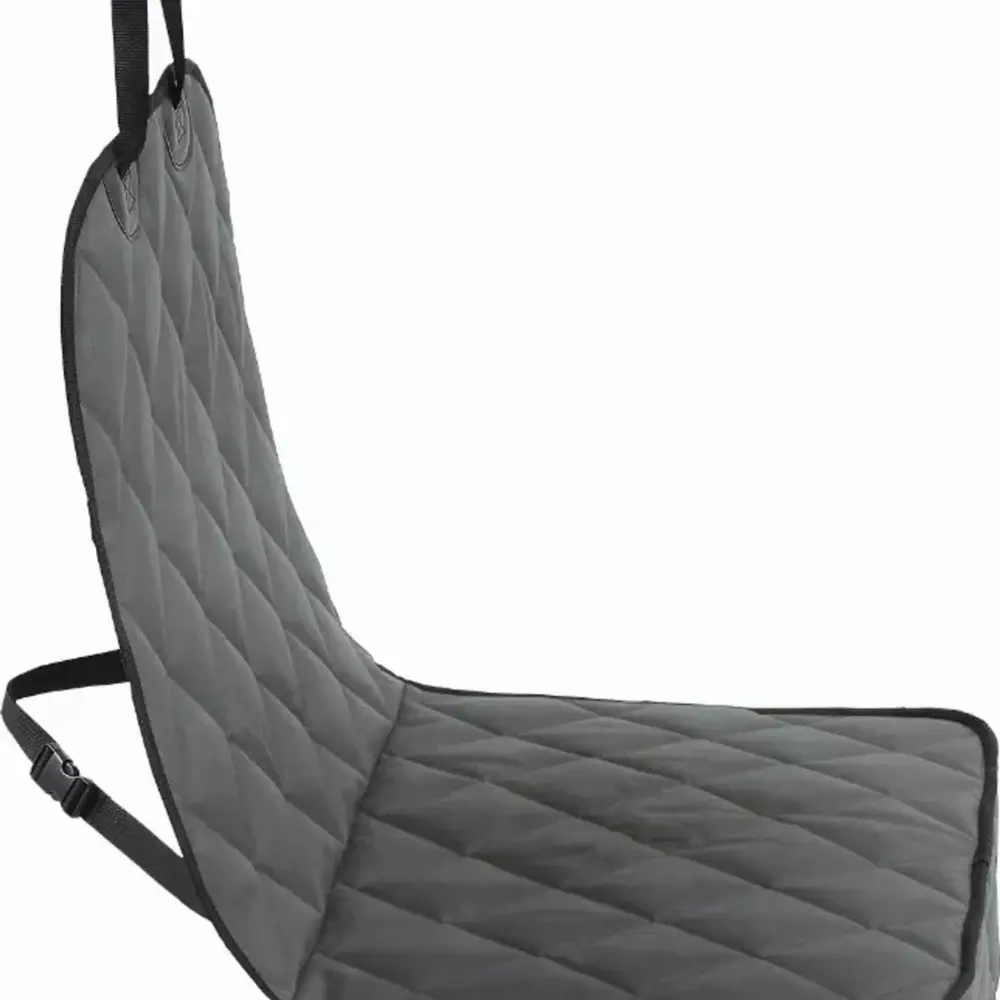
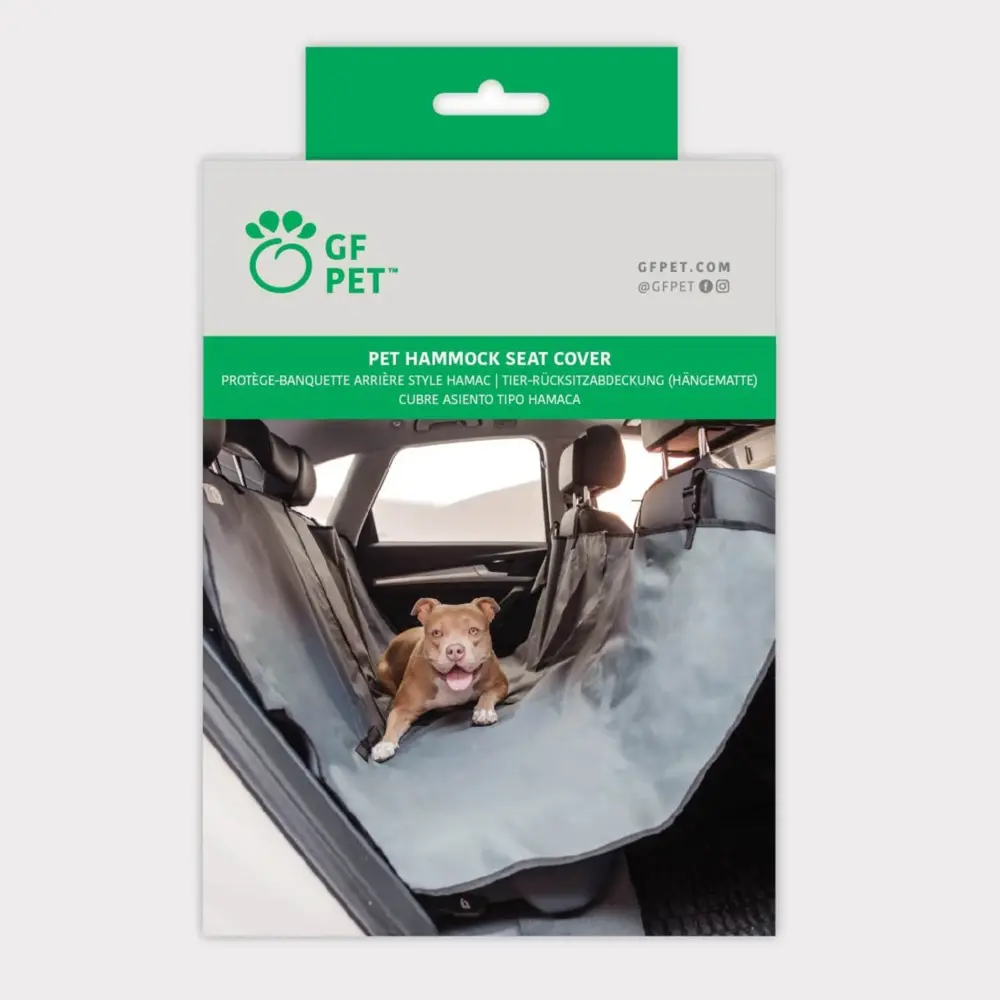
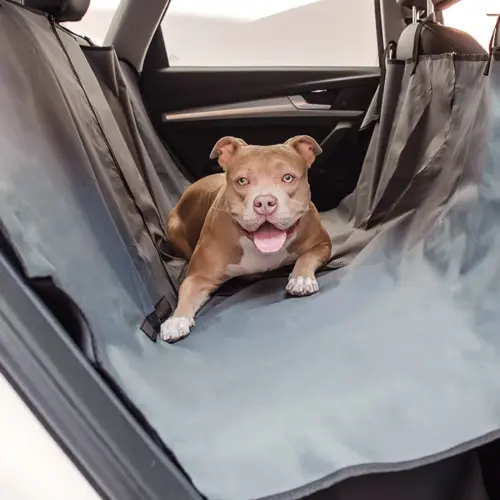
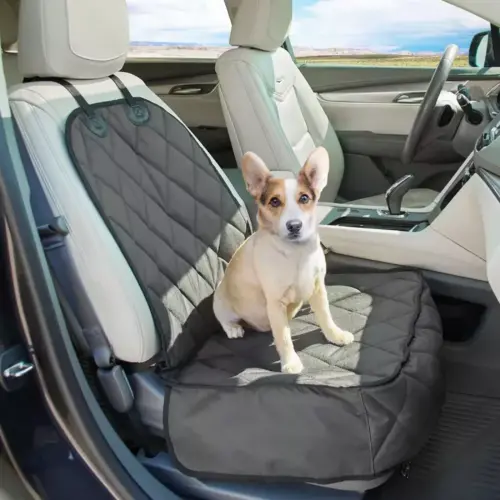
A cover then keeps new hair off the upholstery: a hammock for the back seat, where most dogs ride, and a seat cover for the front if hair and mud reach it too. Our guide to choosing between a dog hammock and a seat cover explains which fits your car. Covers reduce mess but are not restraints, so pair them with a seat-belt tether clipped to your dog’s harness, such as the Adjustable Dog Car Seat Belt Tether from our travel and car accessories.
Stop hair at the source with short de-shedding sessions
Every hair you brush out is one that never reaches the carpet. The JESPET De-Shedding Tool, meant for dogs and cats with a double coat, has a stainless-steel edge that passes through the topcoat and catches loose undercoat. Use light, short strokes in the direction of hair growth, clear the edge as you go, and keep it off irritated or broken skin; stop if the skin looks red. In shedding season, two or three short sessions a week are usually enough.
Brush outdoors or on a hard floor so the hair does not land back in the carpet. For long coats and light tangles, a slicker brush may suit better, and tight mats close to the skin are a job for a professional groomer; see how a slicker brush compares with a deshedding tool. If shedding changes suddenly or comes with itching, sores or bald patches, check with your veterinarian.
A weekly routine for home and car
- Two or three times a week: brush your dog for five minutes, outdoors if you can.
- Weekly: at home, vacuum, rake the busiest carpet and your dog’s favorite rug, then vacuum again. In the car, shake and rake the mats and shake out the seat covers.
- Every few weeks, or after a muddy trip: wash the seat covers following their care labels.
- Monthly: at home, rake the stairs, furniture edges and rugs in rooms your dog uses less. In the car, rake the footwell carpet under the mats.
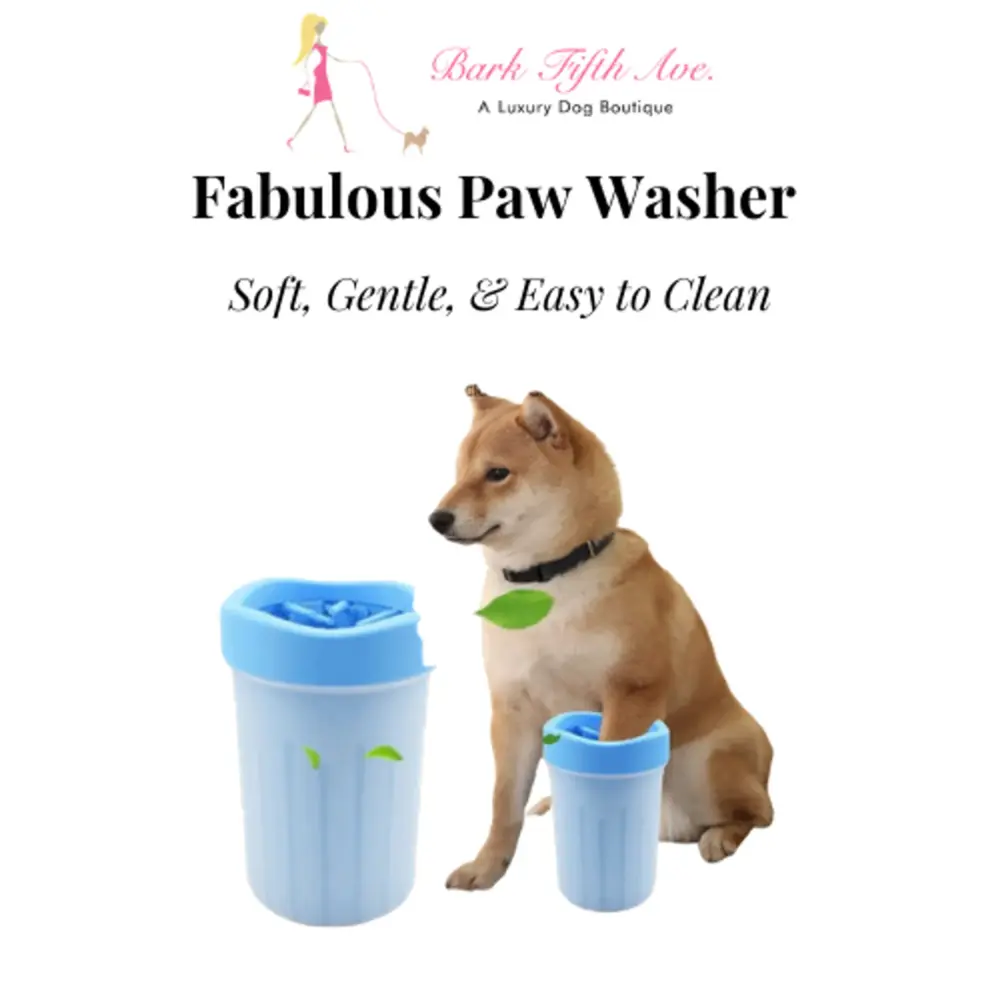
Wet or muddy paws carry grit and loose hair onto the carpet by the door. A quick paw clean before your dog comes inside cuts down on both; our clean-up supplies include a paw cleaner cup and pet wipes.
Tools for pet hair we carry
- Telescopic Pet Hair Removal Rake: for carpet, rugs, stairs and car mats, used standing up.
- JESPET De-Shedding Tool: a stainless-steel edge for dogs and cats with a double coat, in Small and Large.
- GF PET Waterproof Dog Car Hammock: a machine-washable back-seat cover, 58 × 57 in, so measure your seat first.
- GOOPAWS Waterproof Front Seat Cover: keeps hair and mud off the front passenger seat, with a non-slip backing, in Black or Grey. An inflating front airbag can injure a pet, so check your vehicle owner’s manual before your dog rides up front, and use a harness-based restraint wherever your dog sits.
Browse our pet hair removal and grooming collections.
-
GF PET
Waterproof Dog Car Hammock Seat Cover
$60.95
-
GOOPAWS
Waterproof Front Seat Cover for Dogs
$43.95
-
JESPET
De-Shedding Tool for Dogs & Cats
Price range: $27.95 through $29.95
-
Telescopic Pet Hair Removal Rake for Carpets, Rugs & Car Seats
$46.95

FAQ
Do carpet rakes work on pet hair?
Usually, yes, on hair woven into carpet, rugs and car mats, though results vary with pile height and hair type. The rubber teeth grip the strands and roll them to the surface. Pair the rake with a vacuum, which picks up the fine strands it leaves behind.
Will a carpet rake damage my carpet?
Our rake uses rubber teeth rather than metal, which are generally gentler on carpet. Carpets differ, though, so test a hidden spot, use light pressure, follow the maker’s care guidance for wool, silk, shag and hand-knotted rugs, and stop if you see pulled loops or fuzzing.
What removes pet hair without a vacuum?
Damp rubber gloves, a rubber squeegee or a rubber-toothed rake will gather hair into clumps you can pick up by hand. A lint roller handles cushions.
How do I get cat hair out of a rug?
Rake it with a rubber-toothed rake or a damp rubber glove, using short one-direction strokes, light pressure and a few extra passes. Regular brushing means less hair reaches the rug in the first place.
How often should I rake the carpet?
Once a week in the rooms your dog uses most is a sensible start. Rake more often during heavy shedding, and less once regular brushing is in place.
Related guides
-
Checklist
Renting a Car With a Dog: Pet Policy, Seat Covers and a Clean Return
A checklist for a rental car and a dog: where to find the real pet policy and what to ask, a cover and tether for a car you haven’t seen, photos at pickup, brushing and paw habits on the road, and a half-hour clean for hair, sand and smell before you hand back the keys.
-
Guide
Dog Hammock vs Seat Cover: How to Choose for Your Car and Your Dog
Hammock or front seat cover? Compare what each one covers, measure your back seat against a 58 × 57 in hammock, and see why either one still needs a harness and tether.
-
Checklist
How to Keep a House Clean With a Dog: A Daily to Seasonal Checklist
A cleaning schedule for a home shared with a dog, sorted by how often each job needs doing: the door routine for wet paws and coats, daily bowls and sweeps, weekly brushing, beds and rugs, monthly gear and car jobs, seasonal mud and shedding, and the shortcuts to skip.