
Category
Hair Removal
Pet hair removal tools that work in two steps. A de-shedding tool lifts loose undercoat out of the coat, and a telescopic rubber rake pulls out the embedded hair your vacuum leaves in carpets, rugs, stairs and car mats.
-
JESPET
De-Shedding Tool for Dogs & Cats
Price range: $27.95 through $29.95
-
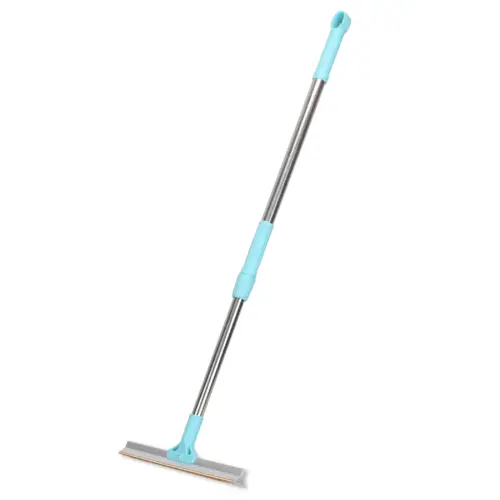
Telescopic Pet Hair Removal Rake for Carpets, Rugs & Car Seats
$46.95

Guides for Hair Removal
- When Do Puppies Lose Their Puppy Coat? What to Expect and How to Brush
- How to Protect an Apartment From Pet Damage: A Renter’s Checklist
- How to Keep a House Clean With a Dog: A Daily to Seasonal Checklist
- How to Use a De-Shedding Tool on a Dog or Cat Without Overdoing It
- How to Reduce Cat Shedding: A Brushing Plan and What’s Normal
- Dog Scared of the Vacuum? A Step-by-Step Plan, Plus Quieter Cleaning
Pet hair removal tools for carpet, rugs, stairs and car mats
Pet hair turns up in two places: loose in the coat, and already worked into carpet, rugs and car mats. This category has one tool for each job, and using both together keeps the most hair off your floors and furniture. A de-shedding tool catches loose hair before it falls, and a telescopic carpet rake lifts what got away, whether the hair came from a dog or a cat.
Why the vacuum leaves embedded hair behind
Suction lifts loose dust and crumbs, but fine pet hair works its way down into the pile and wraps around carpet fibers, where airflow alone rarely pulls it free. That is why a carpet can look clean after vacuuming and still show hair when you run a hand across it. Getting it out takes something that grips the fibers, such as rubber teeth. Dog and cat hair behave the same way, so the rake works for both.
How to use a rubber-tooth carpet rake
Our rubber pet hair rake, the Telescopic Pet Hair Removal Rake, puts firm rubber teeth on a light aluminum handle so you can work standing up. For a full room-by-room routine, see how to get dog hair out of carpet, rugs and car mats.
Short strokes in one direction, working in sections
Extend the handle to a comfortable height and pull the rake toward you in short strokes, always in the same direction. Work one section until no more hair comes up, then move on. On stairs, shorten the handle and take one tread at a time.
Lifting the collected hair off in one piece
Hair collects along the rubber teeth and comes away in one piece. Drop it in the trash, then vacuum to pick up the dust and lint the rake brought up.
Test a small hidden area of a rug first
The rubber teeth are made to lift hair without damaging fibers, but rugs vary. Before you remove embedded pet hair from a hand-knotted, looped, shag or antique rug, test a few strokes in a hidden corner and follow the rug maker's care label.
Start at the source: de-shed the coat first
Most of the hair on the sofa was loose in the coat first. The JESPET De-Shedding Tool has a stainless-steel edge that reaches through the topcoat to catch loose undercoat, in small and large sizes. Used regularly, it means less loose hair ends up on your furniture.
Work with the lie of the coat in light, short strokes and wipe the edge clean whenever it fills. In heavy shedding season, two or three short sessions a week is usually enough; the rest of the year, less often.
The JESPET tool is made for double coats. For a single-coated pet, or for tangles and mats, browse Grooming or compare options in slicker brush vs deshedding tool. If you notice sudden heavy shedding, bald patches or skin changes, ask your veterinarian.
Pet hair in the car: rake the mats, then cover the seats
Dog hair on car mats comes out the same way as from a rug: take the mats out, rake carpeted ones and vacuum. Rubber all-weather mats only need a shake and a wipe, and cloth car seats can be raked with light strokes. To keep the next ride's hair and mud off the upholstery, add a seat cover or hammock from Travel & Car Accessories; our guide to dog hammock vs seat cover helps you choose.
Which tool for which surface
- Wall-to-wall carpet and stairs: the rake, then the vacuum.
- Area rugs: the rake, after a hidden-corner test.
- Car mats: the rake for carpeted mats; a shake and a wipe for rubber ones.
- Cloth car seats and upholstery: the rake with light strokes, after a hidden-spot test.
- The coat itself: the de-shedding tool, two or three short sessions a week in shedding season.
Shipping and returns
Both tools ship from U.S. warehouses within 1 to 2 business days, with free standard shipping to the 48 contiguous states and Washington, DC. Delivery typically takes 2 to 5 business days after dispatch, and returns are accepted within 30 days of delivery; for change-of-mind returns you pay return postage and a 15% restocking fee applies, and damaged, defective or wrong items reported within 7 days are replaced or refunded in full. See our shipping policy and returns policy for the full terms.
Pet hair removal questions
How do you get embedded dog hair out of carpet?
Rake first, then vacuum. A rubber-tooth rake lifts hair out of the pile so the vacuum can take it away, and regular brushing means less reaches the carpet.
Will a carpet rake damage my carpet or rug?
Our rake uses firm rubber teeth made to lift hair without damaging fibers. Rugs differ, so test a small hidden area first and follow the care label.
Is a rubber or metal carpet rake better for pet hair?
For most home carpets and rugs, rubber. Rubber teeth grip hair and stay gentle on most fibers, while stiff metal tines can snag looped or delicate rugs.
Can a carpet rake replace a vacuum?
No. The rake brings embedded hair, dust and lint to the surface, and the vacuum takes it away. Rake the spots where your pet sleeps and plays, then vacuum as usual.
What is the easiest way to get dog hair off car mats?
Take the mats out of the car, rake carpeted ones in short strokes, then shake or vacuum them. Rubber all-weather mats usually just need a shake and a wipe, and a seat cover or hammock keeps the next ride's hair off the seats.