Puppies & Kittens Guide
When Do Puppies Lose Their Puppy Coat? What to Expect and How to Brush
Short answer
Most puppies shed the puppy coat between 4 and 6 months, the AKC says, though it can start at 12 weeks or wait until about a year. A patchy, fluffy look is normal while the skin stays covered. Brush lightly a few times a week, more for long or curly coats, and ask your veterinarian about bare or sore skin.
What changes when the adult coat comes in
Every puppy starts out in the same kind of coat. The AKC’s explainer on why puppies shed describes it as a single layer of soft, fluffy fur, whatever the breed. The adult coat grows in as that puppy hair sheds, so for a while your puppy wears a bit of both.
What replaces it depends on the breed, or on the parents:
- Double coats grow two layers: longer, coarser guard hairs on top and a shorter, softer undercoat beneath. Because a whole second layer arrives, the coat usually ends up thicker and coarser to the touch.
- Single coats stay one layer but change length and texture: sleeker on a smooth coat, longer and finer on a silky one, tighter on a curly one, harsher on a wire one.
- Color can change as well: the AKC notes that Dalmatians are born without spots, and that English Setters, Bedlington Terriers, Kerry Blue Terriers and Shih Tzus may change color dramatically.
Timing varies widely. Beyond the usual 4- to 6-month window, the AKC notes that Pomeranians can take up to two years to grow their adult coat in fully, so judge progress by what the coat is doing rather than by the calendar.
This is a one-time change, not a seasonal shed. Once the adult coat is in, double-coated dogs usually move on to heavier sheds in spring and fall, which dog shedding season and blowing coat covers.
What the change looks like by coat type
Not sure which adult coat your puppy will have? The breed or the parents are the best early guess, and mixed breeds and doodles can land anywhere between the two. Once the new hair is in, a quick single-or-double-coat check settles it: part the fur and look at the base.
| Coat | What you may notice | Main brush |
|---|---|---|
| Smooth | Sleeker coat; hair on your clothes | Soft rubber or mist brush |
| Short double | Fluff thins as a denser coat fills in | Soft brush; undercoat tool later |
| Long double | Tufts, fluff and uneven patches | Slicker, lightly, plus a comb |
| Long, silky | Ragged ends that tangle fast | Slicker, lightly, plus a comb |
| Curly | Mats close to the skin | Slicker to the skin, plus a comb |
| Wire | Soft fluff turns harsh and springy | Slicker; a groomer for stripping |
Smooth coats
Boxer, Vizsla and other smooth-coated puppies trade soft fuzz for short, close-lying hair. The change is easy to miss on the dog itself, though the short hairs still turn up on your clothes and sofa.
Short double coats
Labrador, Corgi and Shiba Inu puppies grow a coarser outer coat over a soft undercoat. The puppy fluff thins first, then the coat feels denser as the undercoat fills in, so expect fluff in the brush rather than a ragged look.
Long double coats
Golden Retriever, Shetland Sheepdog and Pomeranian puppies tend to look scruffy for a while. Fluff comes out in tufts while the guard hairs and feathering grow in unevenly, and the coat can keep filling in after the first birthday.
Long, silky coats
Maltese, Yorkshire Terrier and Papillon puppies grow no undercoat, but the soft puppy hair gives way to longer, finer adult hair. Loose puppy hair caught in the new growth tangles quickly, starting behind the ears and under the front legs.
Curly coats and doodles
Poodle-type coats hold loose hair in the curls instead of dropping it, outgoing puppy hair included, so the change can bring surprise mats near the skin while your floor stays clean. Even breeds described as non-shedding lose a little hair as puppies, the AKC notes, though it may take longer. Doodles vary: a straight-coated one may shed like a retriever and a curly one like a Poodle, and the puppy coat won’t tell you which.
Wire coats
Wire-coated puppies, such as Schnauzers and many terriers, start out soft and grow a harsh, springy adult coat. Keeping that texture usually means hand-stripping by a groomer, so ask yours when to start.
The puppy uglies: patchy, fluffy and in-between
Some long-haired breeds go through a few awkward months the AKC calls “the uglies,” looking ruffled, patchy or shaggy as the adult coat comes in. Normal tends to look like this:
- Two textures side by side: soft puppy fluff next to coarser or longer adult hair.
- Tufts poking out along the sides, hips and behind the ears that come away easily in your fingers.
- A thin or uneven look in places, with short new hair visible when you part the coat.
- A puppy who doesn’t care: no scratching, licking or flinching when you touch the patchy spots.
The check that matters is the skin. Part the coat at the patchiest spot: short new hair coming through over calm, covered skin points to the coat change. Bare skin, redness, scaling or sores don’t, and are worth showing your veterinarian; the signs are listed below.
If the look bothers you, a groomer can tidy the feet, face and sanitary area, and a long or curly coat can be trimmed shorter. Don’t shave a double-coated puppy to even things out, though: the AKC’s guide to grooming a double-coated dog warns that shaving doesn’t stop shedding but does damage the topcoat.
Brushing through the change, coat by coat
Brushing won’t change the timing, but it pulls loose puppy hair out before it knots into the new coat or drifts onto the floor. Go softer than you would on an adult: the AKC notes that puppy coats often need a softer brush, and its double-coat guide suggests a soft slicker for puppies.
How often depends on the coat coming in: once or twice a week for smooth coats, two or three brief sessions a week for double coats, and a few minutes most days for long, silky and curly coats, which tangle fastest. Once the adult coat is in, switch to the brushing schedule for that coat type.
Teething often runs through the same months, so keep sessions short for a puppy who is mouthy and short on patience. If yours won’t hold still for a brush yet, start with how to get a puppy used to grooming, which builds up from touch. Once brushing is routine, a five-minute session looks like this:
- Pick a settled moment. After a walk or a play session and a potty break, when your puppy is ready to rest rather than wound up.
- Feel first. Slide your fingers through the coat to locate knots, tufts and any spot your puppy flinches at. Skip anything sore or pink.
- Brush in short, light strokes. Work with the lie of the coat, one area at a time, and let the brush glide rather than press.
- Check the tangle spots. Puppy fluff knots first behind the ears, around the collar line, in the armpits, over the hindquarters and on the tail.
- Stop while it is still easy. Finish before your puppy starts to wriggle, give a treat, and save the rest for tomorrow.
Soft brushes for smooth coats
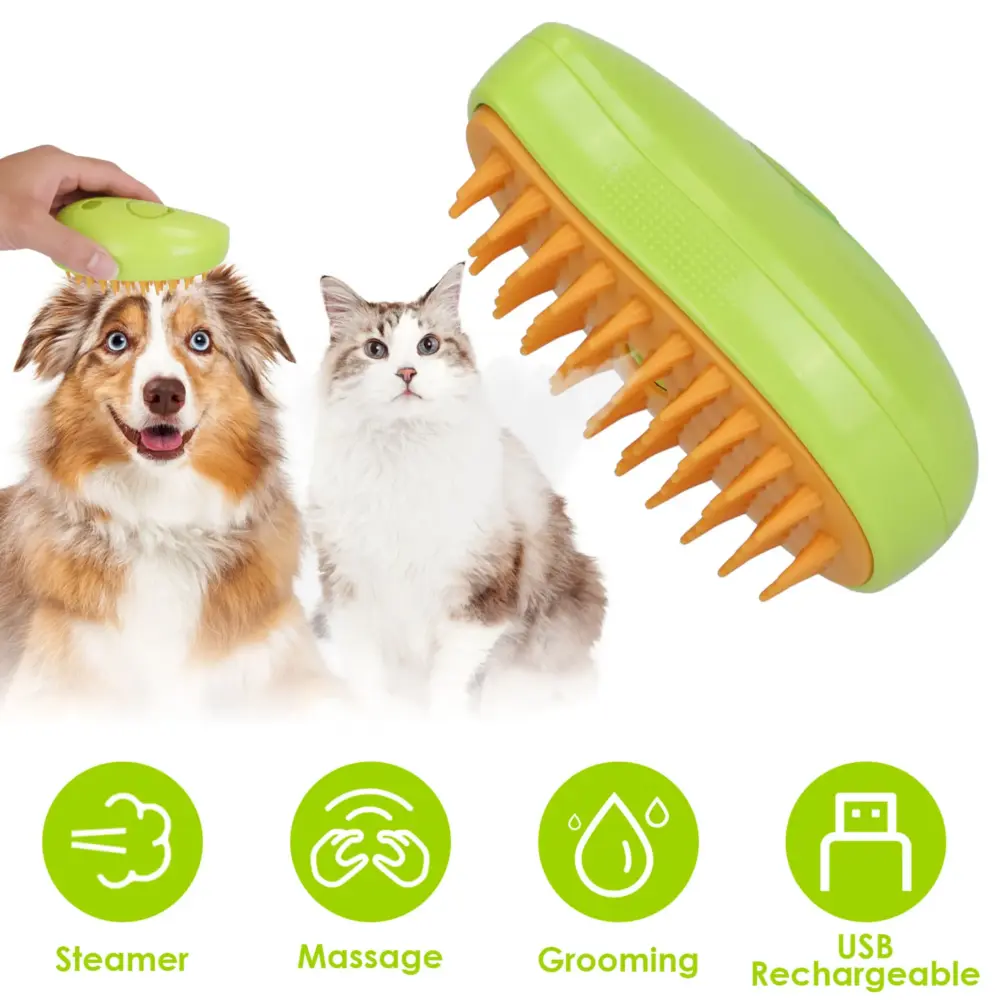
A soft rubber or silicone-pin brush lifts short puppy hairs without scratching. With a mist brush, skip the spray for the first few sessions, then let your puppy hear it before it touches the coat; keep it away from the face and eyes, and use clean water only.
Double coats: an undercoat tool later
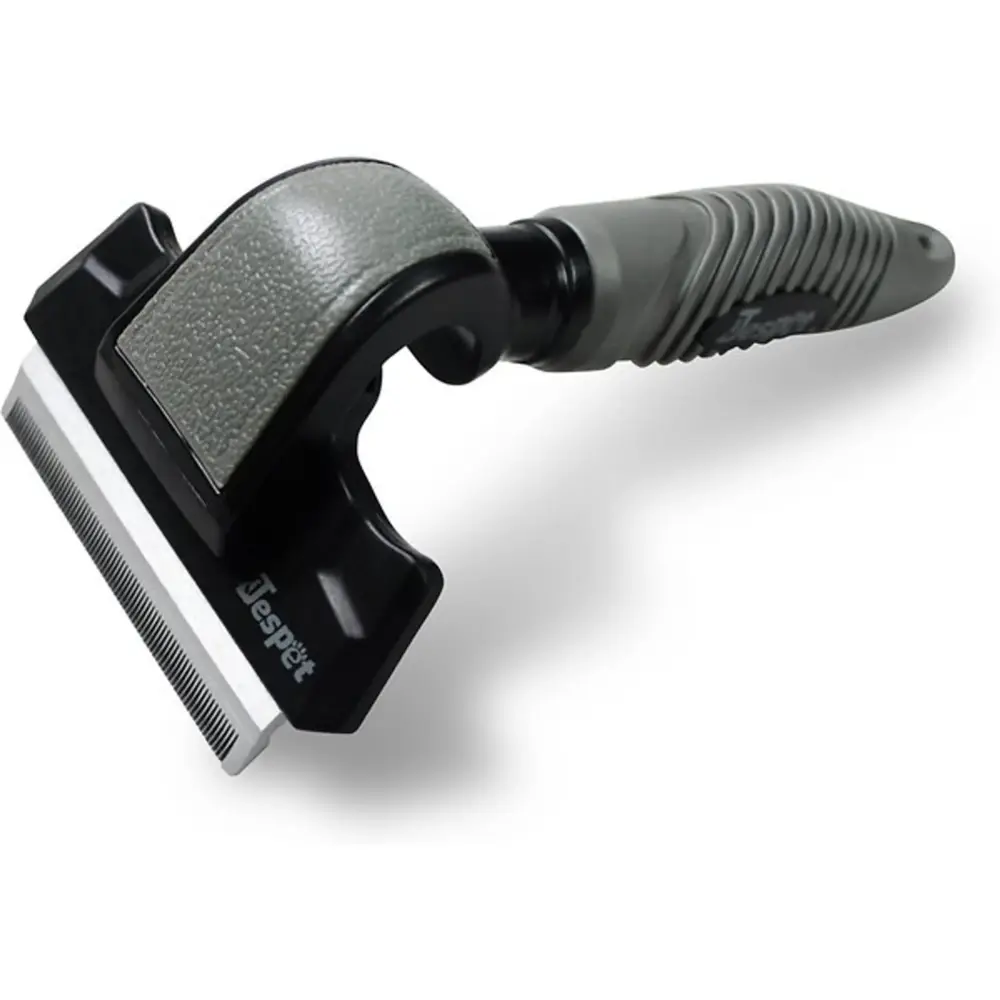
While puppy fluff is coming out, a soft brush, or a slicker used very lightly, is enough. A de-shedding tool is for adult undercoat: once the new coat sheds soft tufts, use light, short strokes, never over tangles or pink skin, and finish once the tool comes away with only a few wisps. On a long double coat, clear tangles with the slicker first.
Slicker and comb for long and curly coats
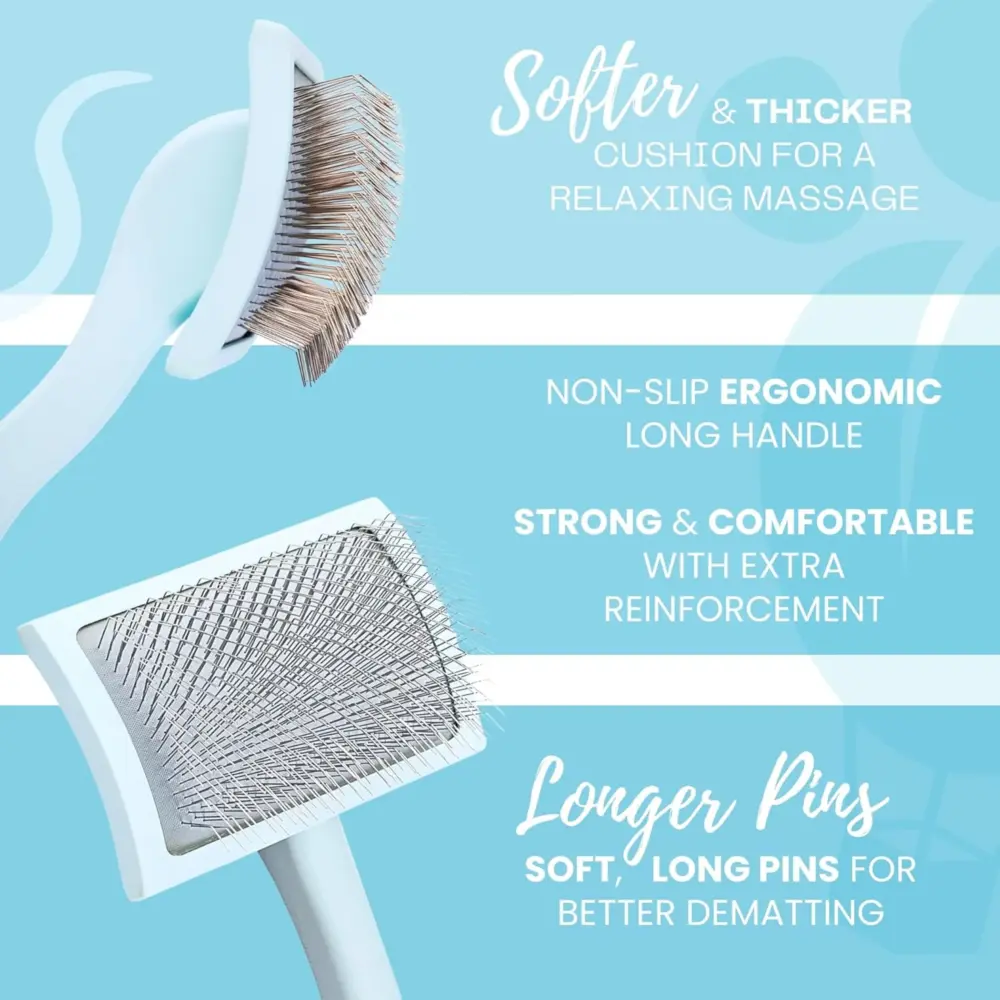
Outgoing fluff knots into the new hair, so these puppies need the most help. Brush in small sections with a slicker, down to the skin on a curly coat, holding the hair at the base. Firm pins need almost no pressure on puppy skin: try the brush on your forearm, and if it scratches, lighten up. Follow with a metal comb (we don’t stock combs) and brush again wherever it catches. Keep the de-shedding tool away from curly and silky coats.
For knots that have already tightened, our guide to working out mats at home goes step by step; tight mats against the skin are a groomer’s job.
Here is how our own tools line up with the change. The picks are limited to what Nilosi stocks, and the last one is for the floor rather than the puppy; our dog and cat grooming range also has pet wipes and a nail grinder.
-
3-in-1 Steam Grooming Brush for Cats & Dogs, View product
$36.95
Why it fits: A gentle first brush for smooth-coated puppies; soft silicone pins lift short puppy hairs, and the optional mist helps them settle.
-
Sakabase
Curved Slicker Brush, View product
$39.95
Why it fits: The detangler for long and curly puppy coats; fine, firm pins on a curved head reach fluff caught near the skin, so keep pressure light.
-
JESPET
De-Shedding Tool for Dogs & Cats, Choose size
Price range: $27.95 through $29.95
Why it fits: The undercoat tool for grown-in double coats; its stainless-steel edge reaches through the topcoat to lift loose undercoat. Small or Large.
-
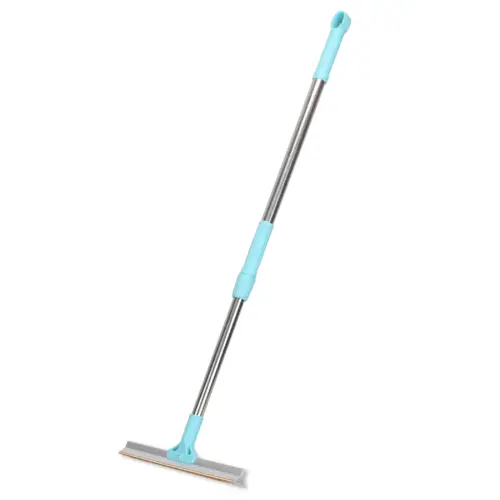
Telescopic Pet Hair Removal Rake for Carpets, Rugs & Car Seats, View product
$46.95
Why it fits: A rug rake for the puppy fluff that got away; firm rubber teeth pull embedded hair out of carpets and rugs, on a telescopic handle.



Keeping up with the extra hair at home
Puppy hair is fine and soft, so it drifts. A few habits keep it under control while the change runs its course; the shedding-season guide has more for floors, furniture and the car.
- Brush where it is easy to clean: outdoors, or over an old towel on a hard floor.
- Bedding and crate pads: they catch the most fluff, so wash them more often than usual, within what the care label allows.
- Rugs: vacuum, then rake the rug your puppy uses most to lift the hair the vacuum skims over; our hair removal tools are made for that job.
- The sofa: cover your puppy’s favorite spot with a washable throw and wash it along with the bedding.
When hair loss needs your veterinarian
During a normal coat change the hair gets thinner and scruffier, but the skin underneath stays intact and your puppy stays comfortable. Book a veterinary visit for any of the following, several of which the AKC also names as reasons to call:
- Bare patches where you can see skin, or large patches of fur coming away at once
- Red, inflamed, scaly, crusty or greasy skin, bumps or sores
- Round patches with broken hairs, especially on the face, ear tips, tail or feet
- Scratching, licking, chewing or head shaking that keeps coming back
- Fleas, or dark specks of flea dirt, in the coat
- Hair loss in a puppy who also seems unwell: tired, off their food, vomiting or with diarrhea
A patch that doesn’t itch isn’t automatically the coat change. VCA Animal Hospitals notes that demodectic mange, caused by skin mites, occurs mainly in dogs under 12 to 18 months old and causes patchy hair loss, often without severe itching, commonly on the face and front legs. A veterinarian confirms it with skin scrapings under a microscope, so it can’t be ruled out at home.
Safety note
Round, scaly bald patches can also be ringworm, a fungal skin infection that, as the Merck Veterinary Manual notes, people can catch easily. Until your veterinarian has seen your puppy, wash your hands after handling, keep that puppy’s brush and bedding separate, and don’t brush over the patches.
Before the appointment, photograph the area in good light and note when you first saw it, so your veterinarian can tell whether it is spreading.
Puppy coat FAQ
Is it normal if my puppy hasn’t shed yet?
Usually. The normal range runs to about a year, and the change is easy to miss on a smooth coat or in a curly one, where loose hair stays in the curls. Feel the coat at the base: a new, different texture coming in means it is under way. If you are unsure, mention it at your puppy’s next checkup.
Should I bathe my puppy more during the change?
No need for extra baths, but a regular one does help remove dead hair. Brush out tangles first, use a mild, tear-free shampoo made for dogs (never your own), and dry your puppy down to the skin before brushing again. How to bathe a puppy covers the full routine, from water temperature to drying.
Related guides
-
Guide
How to Reduce Cat Shedding: A Brushing Plan and What’s Normal
You can't stop a healthy cat from shedding, but you can brush out more of the loose hair before it lands on the sofa. Why indoor cats shed all year, how to tell shedding from overgrooming, a brushing plan by coat and the right tool for each.
-
How-to
How to Use a De-Shedding Tool on a Dog or Cat Without Overdoing It
Use a de-shedding tool on a dry, detangled double coat, in light strokes with the grain, on the body only. Here’s how to pick a size, run a session step by step, which areas to skip, how often to de-shed, the signs you’re overdoing it and how to use one on a cat.
-
How-to
How to Brush Your Dog Without Getting Hair Everywhere
Hair all over the room after every brushing? Groom outdoors or over an old sheet on a hard floor, mist the coat lightly and empty the brush every few strokes. Here's where and when to brush, and a five-minute cleanup for the hair that escapes.