Home & Cleaning How-to
How to Get Pet Hair Off Clothes and Keep It Off
Short answer
Lift loose hair with a lint roller or barely damp rubber glove, then loosen the rest with about 10 minutes on an air-only dryer cycle. Wash smaller loads without pet bedding, and clean the lint screen and drum afterward. To keep hair off, brush your pet away from your wardrobe and put clean laundry away promptly.
What you need
- Something to lift surface hair: a lint roller, a reusable lint brush or a pair of rubber dishwashing gloves.
- A dryer with a no-heat setting, often labeled Air Only, Air Fluff or No Heat.
- Wool dryer balls (optional), to keep the load from clumping as it tumbles.
- A damp microfiber cloth for the drum and the washer’s door seal.
- A brush that suits your pet’s coat, for the part that keeps hair off in the first place.
A quick pass before you leave the house
For hair you spot on the way out, you want something quick that won’t leave a damp patch. Work from the shoulders down and always in one direction, so you aren’t pushing hair from one spot to the next.
- Lint roller: the adhesive grabs loose hair on smooth fabrics such as cotton, denim and suiting. Tear off a fresh sheet as soon as the old one is coated.
- Rubber glove: sweep a barely damp glove down the fabric and the hair rolls into clumps you can pick off. The moisture also takes out the static that holds fine cat hair, and a glove often does better than a roller on knits and fleece, where hair works into the fibers. Use it dry on silk and anything labeled dry clean only.
- Packing tape: a loop of wide tape around your hand, sticky side out, when there’s no roller in reach.
- Reusable lint brush: the kind you clean rather than throw away; useful on a wool coat, brushed with the grain.
Two habits save most of the rolling. Change into clean clothes right before you head out, after you’ve fed, walked or cuddled your pet, as the AKC suggests in its guide to removing dog hair from everything. And keep a roller by the door, with another in the car or a desk drawer. If you collect hair every time you sit down, the couch or the car seat is the real source: see our fabric-by-fabric guide to getting dog and cat hair off a couch, and our hair removal tools for rugs and car seats.
Before the wash: getting most of the hair off
Water won’t simply rinse pet hair away. Wet hair clumps, clings to everything else in the drum and collects in the door seal and filters, so take off what you can while the clothes are dry.
- Shake hairy items outdoors, or over a hard floor you’ll sweep, before they go in the hamper.
- Roll or glove the worst areas: the lap of your jeans, the front of a sweater, the sleeves your cat rubbed against.
- Give pet items their own load. Blankets, bed covers and the towels you dry your dog with carry far more hair than your clothes; how to wash a dog bed covers them, and how to wash a dog harness, collar and leash covers walking gear.
- Sort for lint as well as color. Towels and chenille shed fibers of their own, while fleece, corduroy and velvet pick up both lint and hair, so wash them apart.
The dryer trick: an air-only cycle first
Putting dirty clothes in the dryer before the washer sounds backward, but it helps. Tumbling loosens hair from the fibers while they’re dry, and the lint trap catches it before water can mat it down. The AKC suggests about 10 minutes on a no-heat or air-only cycle.
- Check the care labels. Only tumble items whose label allows the dryer. Air-only has no heat, but the tumbling still rubs, so wool knits, delicates and anything marked do not tumble dry get a roller or glove instead.
- Empty the lint screen, so it has room to catch hair.
- Load loosely. Clothes need space to tumble; a packed drum just presses the hair in.
- Add two or three wool dryer balls if you have them, to keep the load separating as it turns.
- Run about 10 minutes on no heat.
- Shake each item as you move it to the washer, then clean the screen again. A fuzzy screen means the step did its job.
Safety note
Look inside the drum before you start the dryer: cats and small dogs climb into warm laundry. And if you use dryer sheets or liquid fabric softener, keep them out of reach. The ASPCA warns that most contain cationic detergents, which can cause chemical burns and ulcers in a pet’s mouth, esophagus and stomach, and a swallowed sheet can also cause a blockage. Keep the box closed and used sheets in a lidded trash can, and call your veterinarian or a pet poison hotline right away if your pet chews or swallows one.
Washing pet-hair laundry
After the dryer pass, wash as usual, with a few adjustments:
- Wash a smaller load. Clothes need room to move so the water can carry hair away instead of pressing it back into the fabric.
- Use your normal detergent dose and cycle, and add an extra rinse if your machine has one, to flush out more of the loosened hair.
- Shake each item as it comes out of the washer, so the dryer has less left to catch.
- Dry as the label says, and don’t overdo it. Static holds the last hairs in place, especially on synthetics, and over-drying builds more of it. Take clothes out as soon as they’re dry.
Line-drying instead? Give each piece a quick roll once it’s dry, or 10 minutes on air-only if the label allows tumbling.
You’ll also see advice to add half a cup of white vinegar to the wash to loosen hair; the AKC suggests it for dog bedding. Vinegar is acidic, so check your washer’s manual before making it a habit, and never add it to a load with chlorine bleach: mixed, the two release chlorine gas.
Cleaning the lint trap and the machine
Hair that leaves your clothes has to go somewhere, and whatever stays in the machine ends up on the next load.
- Dryer lint screen, every load. Fire-safety advice is to clear it before or after each load, because built-up lint is a fire risk, and a home with a shedding pet fills it faster. Now and then, wash the screen in warm, soapy water with a soft brush, since dryer-sheet residue can coat the mesh.
- Dryer drum. After a very hairy load, wipe the drum with a damp microfiber cloth and let it dry before the next load.
- Washer drum and door seal. On a front-loader, pull back the folds of the rubber door seal, where wet hair gathers, and wipe them out. After a load of pet bedding, run an empty rinse or your machine’s cleaning cycle before you wash clothes.
- Drain pump filter. Many front-loaders have one behind a small panel at the bottom front, and it traps hair, lint and coins. Clean it as your manual describes, with a towel and a shallow pan ready for the water that comes out.
- Dryer vent. Lint that slips past the screen collects in the exhaust duct. Keep it clear as your dryer’s manual advises, and have it checked if loads start taking longer to dry.
Keeping hair off clothes in the first place
Brush your pet, away from your clothes
Every hair caught in a brush is one that never reaches your sweater. Keep to a schedule that suits the coat, and step it up in shedding season: for cats, see how often to brush a cat, by coat length; for dogs, how to brush your dog without getting hair everywhere covers where to do it so the hair doesn’t drift around the house. Groom in an old shirt, then change before you go out.
We don’t sell lint rollers, and the picks below are limited to what Nilosi carries: two grooming tools that deal with the hair at the source, before it’s shed onto your clothes.
-
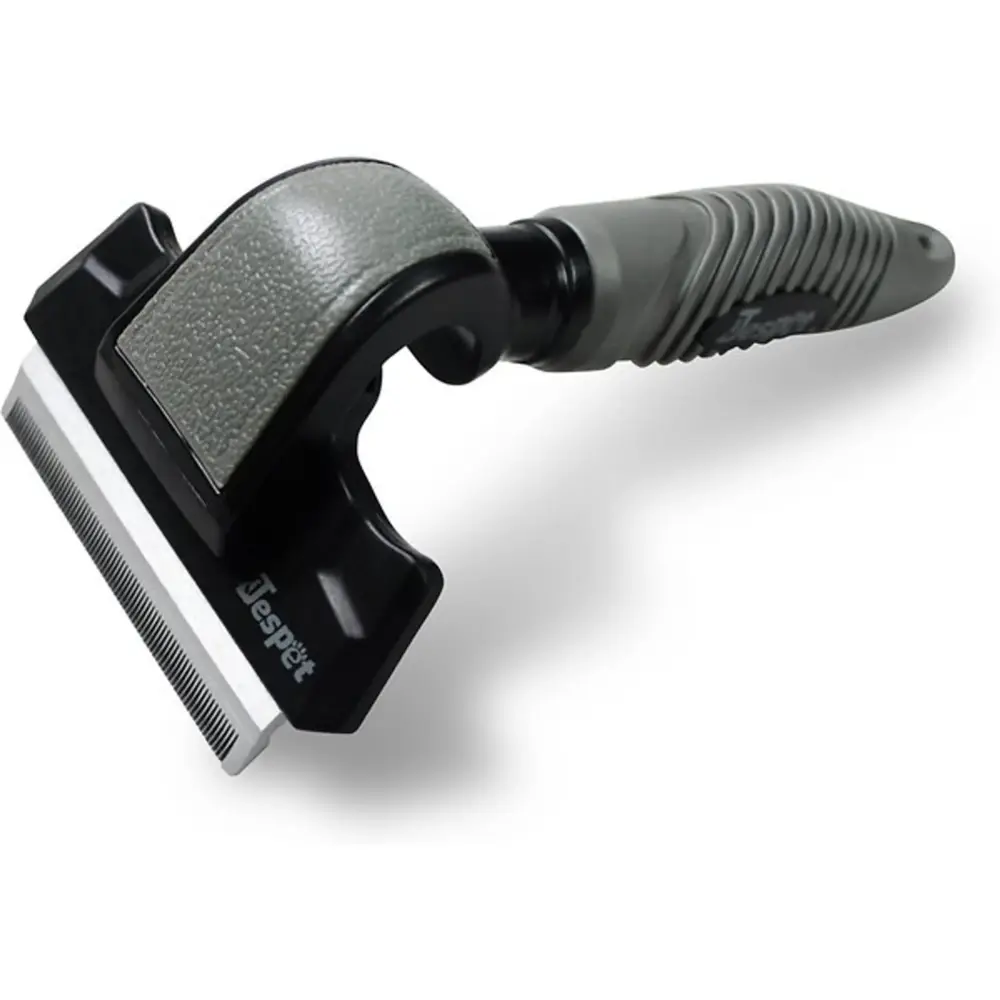
JESPET
De-Shedding Tool for Dogs & Cats, Choose size
Price range: $27.95 through $29.95
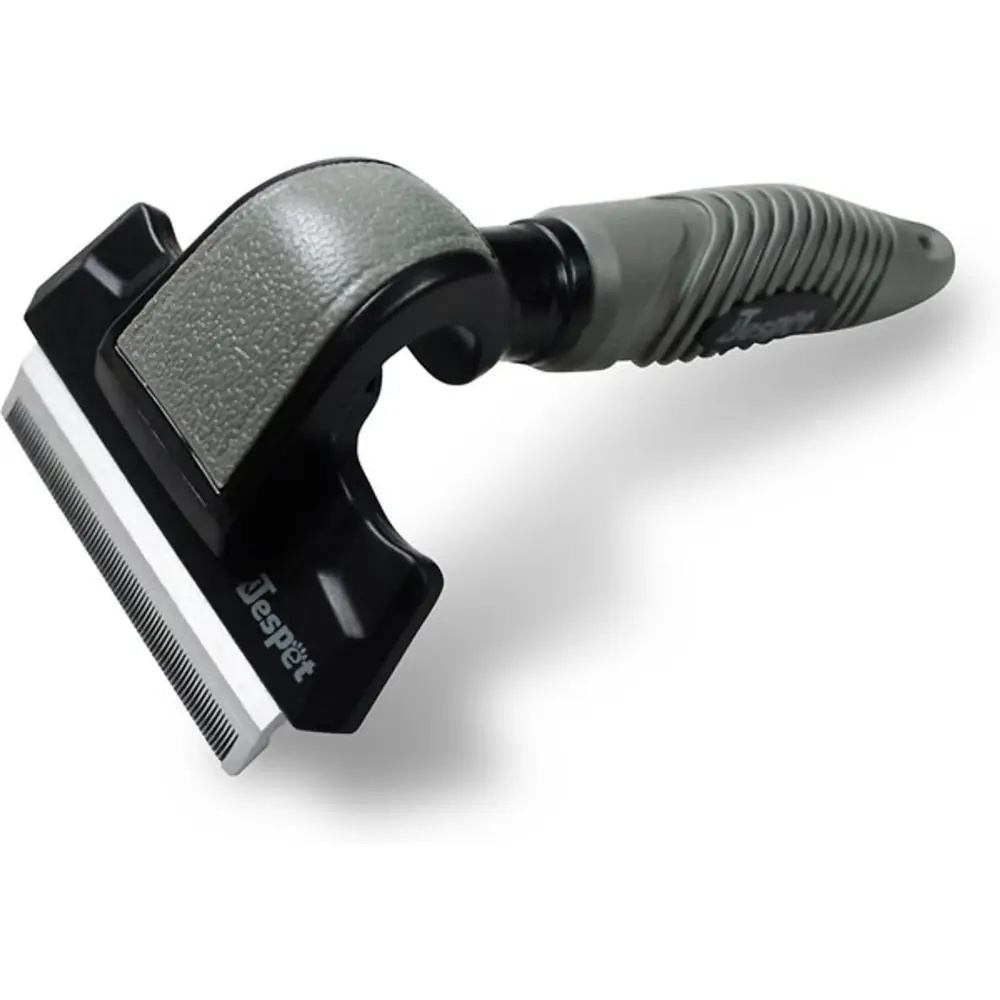
Why it fits: Its stainless-steel edge lifts loose undercoat from double-coated dogs and cats, the soft, fine hair that works into sweaters and fleece. Comes in Small and Large.
-
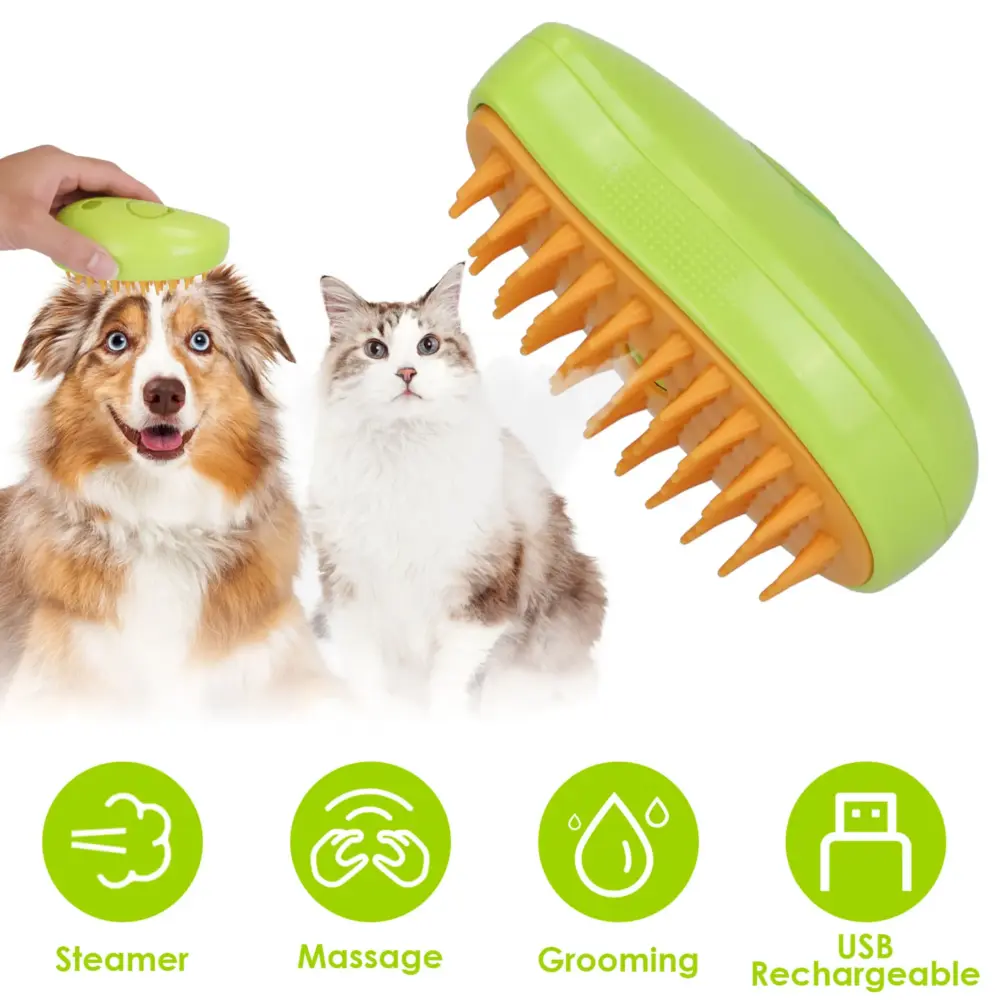
3-in-1 Steam Grooming Brush for Cats & Dogs, View product
$36.95
Why it fits: Its fine mist weighs down loose hair and dander as you brush, so more of it collects on the brush instead of floating onto you. Suits cats and short-haired dogs.


Shedding that suddenly increases, or comes with thinning or bald patches, sores or constant scratching, isn’t a laundry problem; ask your veterinarian.
Keep clean clothes out of pet territory
- Put laundry away as soon as it’s folded. A basket of warm, clean clothes is a favorite cat bed, and so is the duvet you fold them on, so fold on a table instead.
- Keep closet doors and drawers shut, and use a hamper with a lid.
- Store clothes inside out, as the AKC suggests, and hang a dark coat or suit in a garment bag.
- Give your pet a spot of their own near where you sit, with a washable blanket, so the hair collects there rather than on your side of the sofa. For the rest of the house, see our checklist for keeping a house clean with cats.
Tip
Buying clothes with a shedder at home? Smooth, tightly woven fabrics such as denim, cotton twill, canvas and leather let go of hair more easily than fleece, chunky knits, velvet and corduroy, and a color close to your pet’s coat hides whatever is left.
Mistakes that put the hair back on
- Sending very hairy clothes straight into the washer, where wet hair mats onto the fabric.
- Washing your pet’s blanket or bed cover with your work clothes.
- Packing the washer or dryer full, so nothing can tumble.
- Letting the lint screen fill up: a full one catches less and is a fire risk.
- Over-drying synthetics, which builds the static that holds hair on.
- Brushing your pet on the bed or the couch, or in the outfit you’re about to wear out.
- Wiping clothes with a used dryer sheet and leaving it where a pet can chew it.
Troubleshooting: when the hair won’t budge
- Clothes come out of the washer hairier than they went in. The drum or door seal is usually holding hair from an earlier load, such as pet bedding. Wipe the drum and door seal, run an empty rinse and check the drain filter.
- A film of fine hair still clings after drying. That’s static. Take the clothes out as soon as they’re dry, since over-drying adds to it, and finish with a roller or a damp rubber glove.
- Hair is woven deep into a sweater or fleece. Sweep a barely damp rubber glove over it in one direction, then roll. If the label allows tumbling, repeat the air-only cycle before the next wash.
- The washer drains slowly or leaves clothes soaking. Hair and lint may be blocking the drain pump filter; clean it as your manual describes, and call a technician if that doesn’t help.
- Hair on everything, whatever you do. Find the source. Often it’s a spot you sit, a car seat or a pet blanket you lean on, and cleaning that, plus a little more brushing in shedding season, does more than another load of laundry.
Related guides
-
How-to
How to Brush Your Dog Without Getting Hair Everywhere
Hair all over the room after every brushing? Groom outdoors or over an old sheet on a hard floor, mist the coat lightly and empty the brush every few strokes. Here's where and when to brush, and a five-minute cleanup for the hair that escapes.
-
Guide
How to Get Dog Hair Out of Carpet, Rugs and Car Mats
Vacuumed and still see hair woven into the carpet? Here is how to rake embedded dog and cat hair out of carpet, rugs and car mats, and how to cut down on the hair that reaches them.
-
How-to
How to Use a De-Shedding Tool on a Dog or Cat Without Overdoing It
Use a de-shedding tool on a dry, detangled double coat, in light strokes with the grain, on the body only. Here’s how to pick a size, run a session step by step, which areas to skip, how often to de-shed, the signs you’re overdoing it and how to use one on a cat.