Senior Pets Checklist
How to Senior-Proof Your Home for an Older Dog: A Checklist
Short answer
Start with the floors: lay non-slip runners along your dog’s daily routes, and keep nails short and paw fur trimmed so the feet can grip. Then replace jumps with steps, a ramp or a gate, keep the bed and water on the main floor with a night light nearby, and ask your veterinarian about slipping that keeps happening.
The senior-dog home checklist at a glance
Work through it in order. Footing comes first, because a dog that no longer trusts the floor starts avoiding rooms; then jumps; then where the bed, bowls and lights sit. Most of it is ordinary household gear, such as runners, rug pads, a baby gate and night lights, and none of it has to happen in one weekend.
Floors and paws
- Non-slip runners or rugs on the routes your dog uses most.
- A rug pad or rubber backing under every rug, so the rug itself stays put.
- Nails short enough that they no longer click on hard floors.
- Paw fur trimmed level with the pads.
- A towel by the door to dry wet paws before they reach tile or wood.
Stairs and jumps
- A baby gate on stairs your dog does not need to use.
- Pet steps or a ramp to the sofa or your bed, or a padded spot on the floor instead.
- A ramp, or a lift that supports the chest and rear, for getting into the car.
Bed, food and water
- A bed on the main floor, near the family and out of drafts.
- Water on every floor your dog uses, on a mat that does not slide.
- A feeding spot with grippy footing, away from a younger dog who might crowd in.
Paths and nighttime
- Clear walkways, with no cords, shoes or bags on your dog’s routes.
- Furniture, the bed and the bowls kept where they have always been.
- Night lights from the bed to the water bowl and the outside door.
- A last trip outside just before you go to bed.
Better footing on slick floors
Hardwood, tile, laminate and vinyl are where many older dogs first struggle. As muscles weaken and joints stiffen, it gets harder to recover from a slide, and a dog that has slipped a few times may start hesitating in doorways or skirting a room it used to cross without thinking. VCA Animal Hospitals’ advice for senior pets is plain: if your floors are slippery, use runners or floor coverings for traction.
Runners and rugs where your dog walks
- Cover the routes, not the whole house: bed to water bowl, bed to the outside door, and into the room where the family spends the evening.
- Add the spots where your dog gets up and lies down. Rising from a slick floor is often harder than walking on it.
- Use low-pile, rubber-backed runners or a rug pad underneath. A loose throw rug on a polished floor can skate out from under a dog, and a curled corner catches toes.
- Test a problem spot with a yoga mat before buying runners; the AKC suggests yoga mats as an inexpensive fix in areas your dog walks regularly.
- Pick washable runners if your dog has an occasional accident.
Short nails and trimmed paw fur
Long nails change how the foot meets the ground. According to VCA’s senior dog care advice, overgrown nails throw off how a dog stands and walks, cause discomfort, cost the paw its grip and can aggravate arthritic changes. If you hear clicking on a hard floor, the nails are due, and because shorter, slower walks wear them down less, an older dog may need trims more often than it once did.
Fur growing over the pads is the other half of the problem, because it covers the part of the paw that grips. The ASPCA’s dog grooming tips advise trimming the hair between the toes so it is even with the pads, which also prevents painful mats. Use small, blunt-tipped scissors, or ask your groomer to do it at every visit. For trimming nails while a stiff dog lies on its side, a little at a time, follow our guide to grooming a senior dog at home. Two items from Nilosi’s own catalog help with this job; the picks are limited to what we stock.
-
Quiet Rechargeable Pet Nail Grinder, View product
$50.95
Why it fits: Takes nails down a little at a time for better grip on smooth floors; quiet, with two speeds for thin or thick nails and short sessions.
-
SodaPup
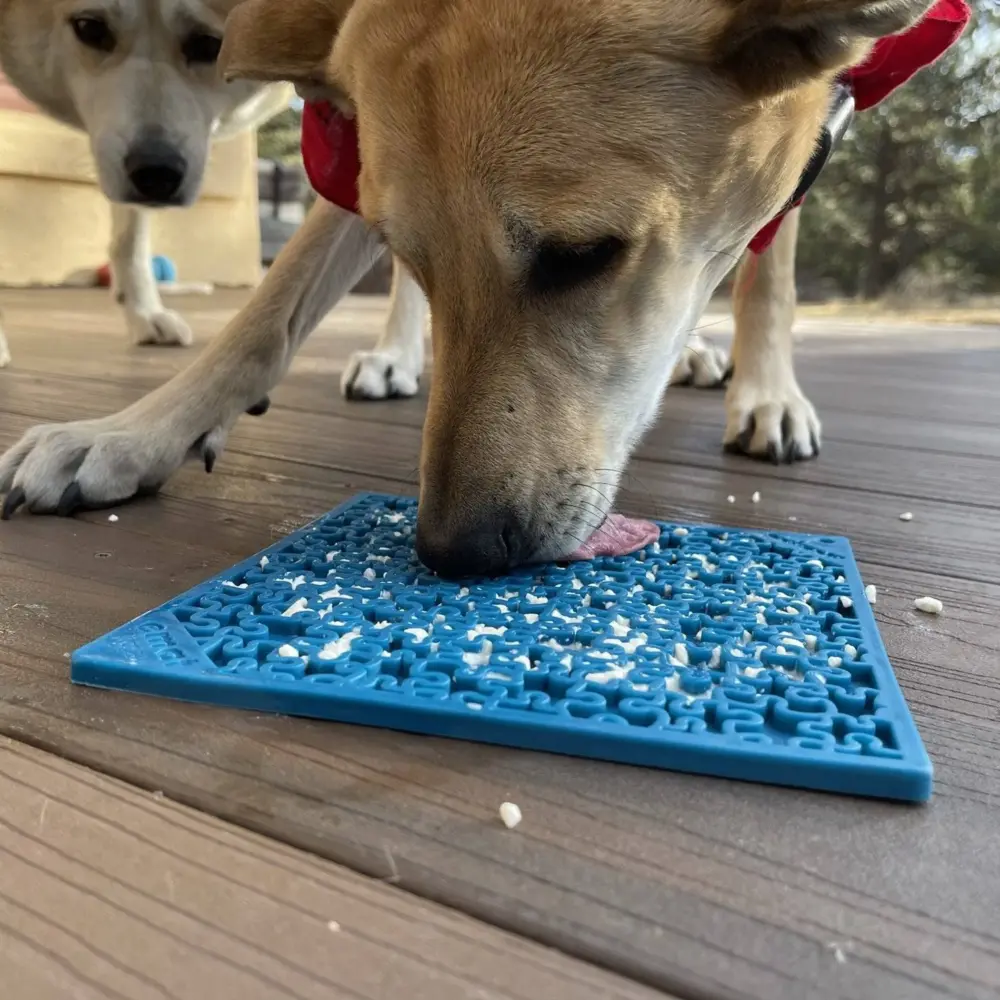
Jigsaw Enrichment Lick Mat for Dogs & Cats, Choose color
$25.95
Why it fits: Keeps an older dog busy lying down during a nail session; spread soft food in the jigsaw grooves, then grind a nail or two as it licks.


Tip
Non-slip socks, booties and toenail grips are other options the AKC mentions, though we do not sell them. Introduce any of them slowly indoors and check often for rubbing. A dog that slips because its legs are weak needs a veterinary check more than new gear.
Safer stairs and fewer jumps
Every hop on and off the sofa, the bed or the car ends in a landing on stiff joints, and stairs add a fall risk for a dog with weak back legs or dimming eyes. The aim is fewer jumps, not a dog shut out of its favorite places. The AKC’s tips on making your home accessible for a senior dog suggest pet stairs for a dog that still balances well, a ramp for one that can no longer manage steps or needs help into the car, and gates to keep a dog off the stairs.
| Option | Suits | Watch for |
|---|---|---|
| Pet steps | Dogs that still balance well | Deep treads with a non-slip surface |
| Ramp | Stiff dogs, the car, tall beds | A gentle slope and a grippy surface |
| Baby gate | Stairs and rooms to close off | Gaps a small dog can squeeze through |
| Support sling | Weak back legs on the stairs | Ask your vet which type suits |
| Lifting | Small dogs, or only now and then | Support the chest and rear together |
Stairs
- Gate stairs your dog does not need to use: at the top if it might wander at night, at the bottom if it tries to climb on its own.
- Add textured treads or a runner to bare stairs your dog still uses, then go at its pace and stay close enough to steady it.
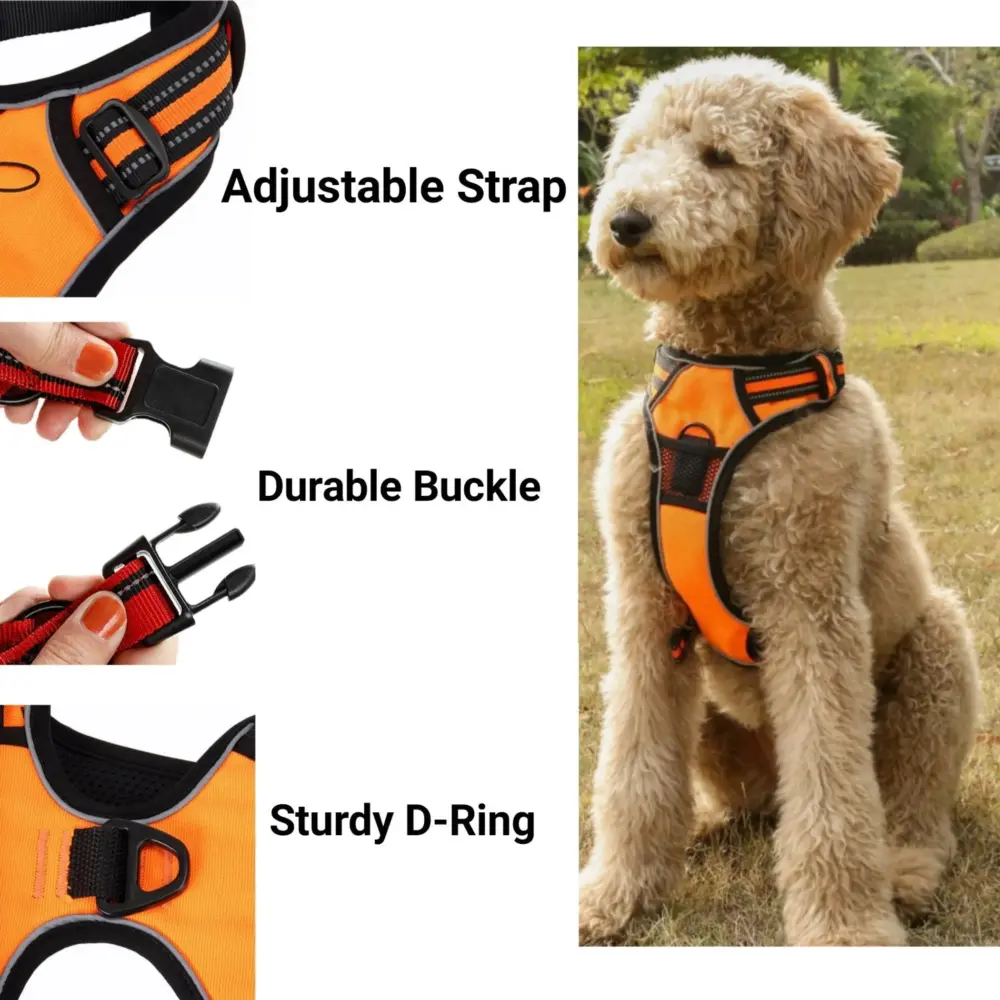
- For weak back legs, a rear support harness or sling lets you take some of the weight; ask your veterinarian which type suits your dog.
- If the bedroom is upstairs and the climb is getting hard, a second bed downstairs is often the kinder fix.
Sofas and your bed
Teach steps or a ramp with treats, one step at a time, starting with the ramp laid flat or the steps at their lowest. Some dogs settle just as happily on a padded bed pushed against the sofa. If your dog has always slept on your bed and can no longer make the jump, a bed of its own right beside yours is a gentle compromise.
The car door
Use a ramp with a gentle slope, or lift a dog you can carry with one arm under the chest and the other under the rear, never by the legs. Our checklist for traveling with a senior dog in the car covers loading a dog too big to lift, a padded spot in the back seat and more frequent stops.
A bed in the right place
Older dogs tend to sleep more, so where the bed sits matters as much as what it is. VCA’s senior care advice is that an older dog should have easy access to a warm, comfortable bed where it can sleep without being disturbed. In practice, that means:
- The main floor, in or near the room where the family spends the evening, so your dog does not have to choose between rest and company.
- Out of drafts and off cold tile: away from outside doors, with a rug underneath. Our guide to keeping a dog warm at night indoors covers raising a bed off a cold floor and adding blankets.
- Out of the traffic, not at the foot of the stairs or across a doorway, where people step over a dog that may not hear them coming.
- Steady underfoot: a bed that slides when your dog steps on or off is one more slick surface.
- A low front edge for a stiff dog. High rims and bolsters mean lifting each leg over an edge.
- The same spot every night if your dog’s eyesight is fading.
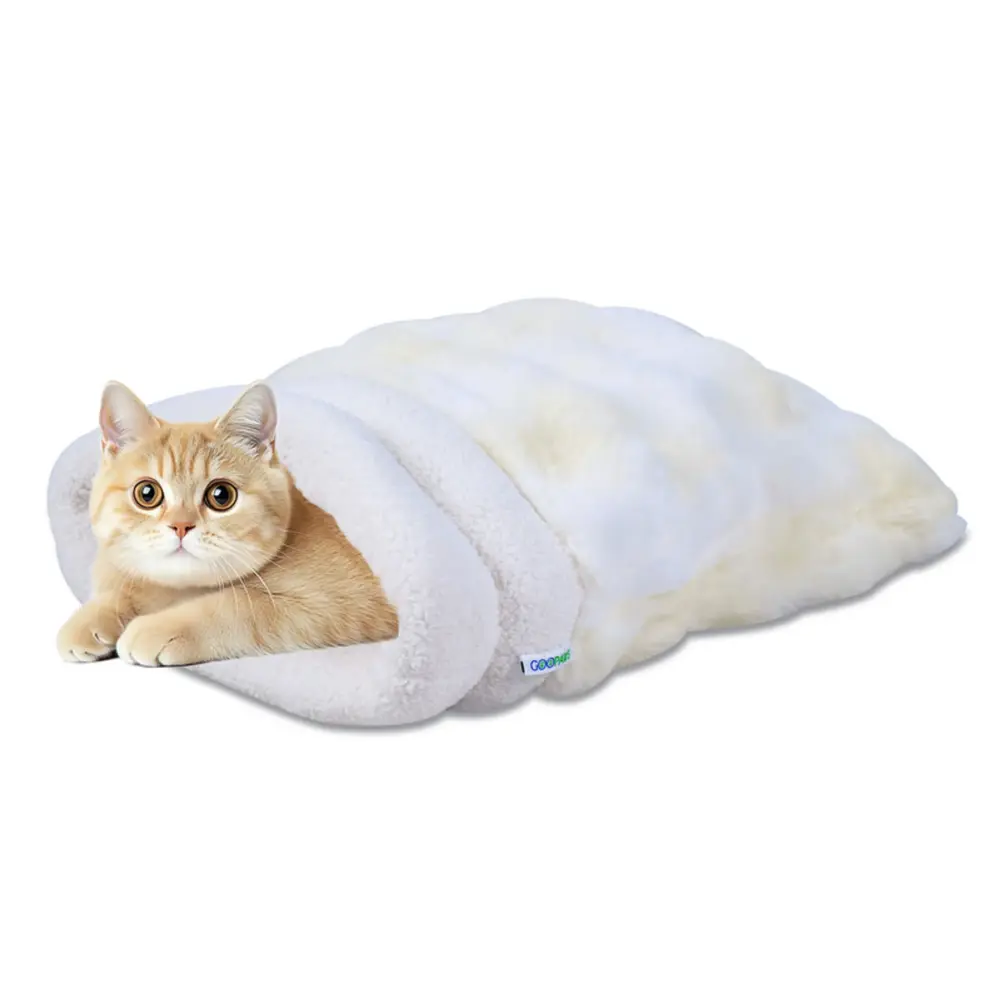
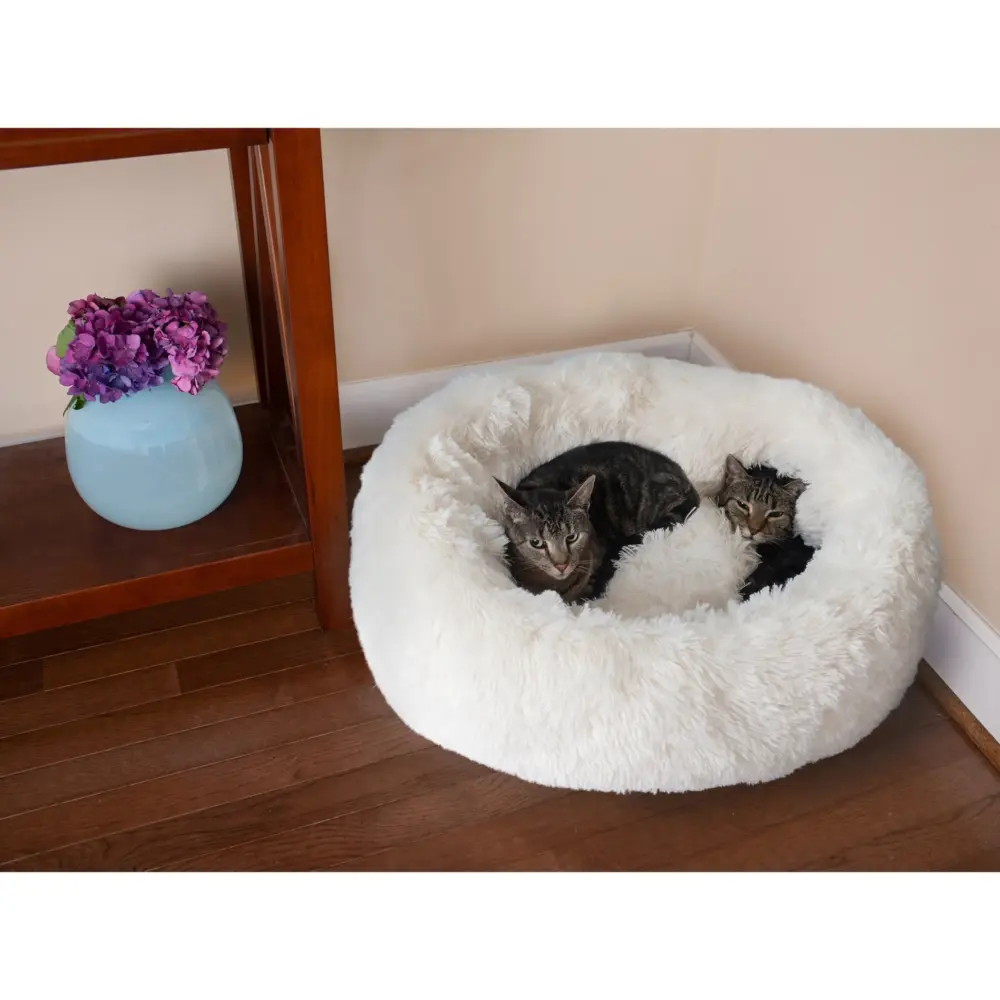
A large senior needs a bed with thick, firm padding that does not flatten under the hips. Nilosi’s beds are sized for cats and small dogs, so look elsewhere for a big dog. For a small senior that still steps in easily, the Armarkat Ultra-Plush Cuddler Bed has a skid-free base that keeps it where you put it on a hard floor. It comes in two sizes for cats and small dogs, with the Small at 22 × 22 × 8 in, and its raised rim means stepping over an edge, so it is not the bed for a dog that already struggles to lift its legs.
A second bed or rug by a low window or the back door makes a watching post, so your dog can follow the street or yard without getting up. For gentle games to fill the rest of the day, from sniff walks to the cup game, see our guide to enrichment for senior dogs.
Food and water within easy reach
- Water on every floor your dog uses, and one near the bed for a dog that is slow to get up.
- Bowls on a rubber mat or a rug, not bare tile, so the front legs do not slide apart while your dog eats or drinks.
- A feeding spot that stays put, out of narrow hallways and away from the busiest doorway.
- Separate meals in a multi-dog home if a younger dog crowds your senior off its bowl.
Bowl height is worth a conversation before you buy anything. VCA suggests raising food and water bowls to reduce stress on an older dog’s joints, but the AKC’s article on bloat in dogs notes that elevated bowls are now considered a bloat risk as well. Ask your veterinarian before raising bowls, especially for a large, deep-chested dog; our comparison of raised and floor dog bowls sets out what each source says.
Clear paths and night lights for fading eyesight
A dog whose eyes are dimming gets around on memory and its nose, so a predictable house helps more than anything you can buy. VCA notes that pets losing their vision benefit from extra lighting or scent cues to help them find their way around the home.
- Keep the layout. Leave furniture, the bed and the bowls where they have always been. If something has to move, walk your dog through the new route a few times.
- Clear the floor of cords, shoes, bags and stray toys along your dog’s routes.
- Plug in night lights in the hallway, beside the water bowl and near the door your dog uses to go out.
- Mark key spots by feel: a doormat at each outside door, or a different rug at the top of the stairs, gives your dog something to recognize underfoot.
- Pad sharp corners at your dog’s head height, such as a glass coffee table or a low shelf.
- Speak before you touch a dog that may not see or hear you coming.
Nighttime needs its own plan. VCA notes that senior dogs may need more frequent trips outside, so make the last one just before bed and light the route to the door. A dog that paces, seems lost or wakes the house at night needs a veterinary visit, not just a new layout.
What to skip
- Carpeting the whole house. Runners on the routes your dog actually uses do most of the job.
- Rearranging everything at once for a dog whose sight is fading. Change one thing at a time.
- Fetch or chase near stairs, or on bare floors where a quick turn ends in a skid.
- Lifting a big dog on your own. Use a ramp, or get a second pair of hands.
- Pain relievers from your own medicine cabinet. Several common human pain medicines are dangerous for dogs.
- Buying everything on day one. Start with the floor, then add what your dog shows you it needs.
Changes to mention to your veterinarian
A better-arranged home makes up for some of what age takes, but slipping and reluctance can also be signs of pain or illness. Talk to your veterinarian if you notice:
- Slipping more often, legs splaying, or trouble getting up from lying down.
- Refusing the stairs, the sofa or the car your dog used to manage.
- Limping that lasts more than a day or two, or lameness in more than one leg.
- Scuffing or dragging the feet, or wobbling on the back legs.
- Bumping into furniture, or hesitating at doorways and stairs in dim light.
- Getting stuck in corners, pacing at night or new accidents in the house.
- Drinking noticeably more water than usual.
Safety note
Get veterinary care right away if your dog suddenly cannot stand or walk, collapses, or will not put any weight on a leg. Ask your veterinarian before starting any medicine or supplement for stiffness.
Sharing the house with an older cat as well? Our guide to making your home senior-cat friendly covers low-entry litter boxes, steps to perches and warm spots.
Related guides
-
Buying guide
Gifts for Senior Dogs and Cats: Warmth, Gentle Care and Easy Outings
Gifts that make life a little easier for an older dog or cat, chosen from our catalog: warm beds for cats and small dogs, a gentle brush for older coats, a lick mat, a cooling mat for warm sleepers and a backpack for small seniors who tire, plus what to skip and what needs a vet.
-
Guide
Can Dogs and Cats Share Water Bowls, Beds and Brushes?
A healthy dog and cat can share a water bowl, beds, cooling mats and grooming tools if you clean them between pets; food, the litter box and small toys stay separate. Here's the item-by-item guide, plus when to stop sharing and the dog flea products that can poison cats.
-
Checklist
Adopting a Senior Dog Checklist: What to Ask, Buy and Set Up
Adopting an older dog from a shelter or rescue? Ask the right questions before pickup, buy less than you would for a puppy, set up a quiet corner with easy footing, and arrive at the first vet visit with the records that matter.