Seasons & Gifts Buying guide
Which Dogs Actually Need a Coat, and Which Do Not
Short answer
Thin-coated, small, very young, elderly, ill or underweight dogs benefit most from a coat. Thick double-coated breeds usually do not need insulation and can overheat in one, though a water-resistant shell still helps in sustained rain.
Our picks at a glance
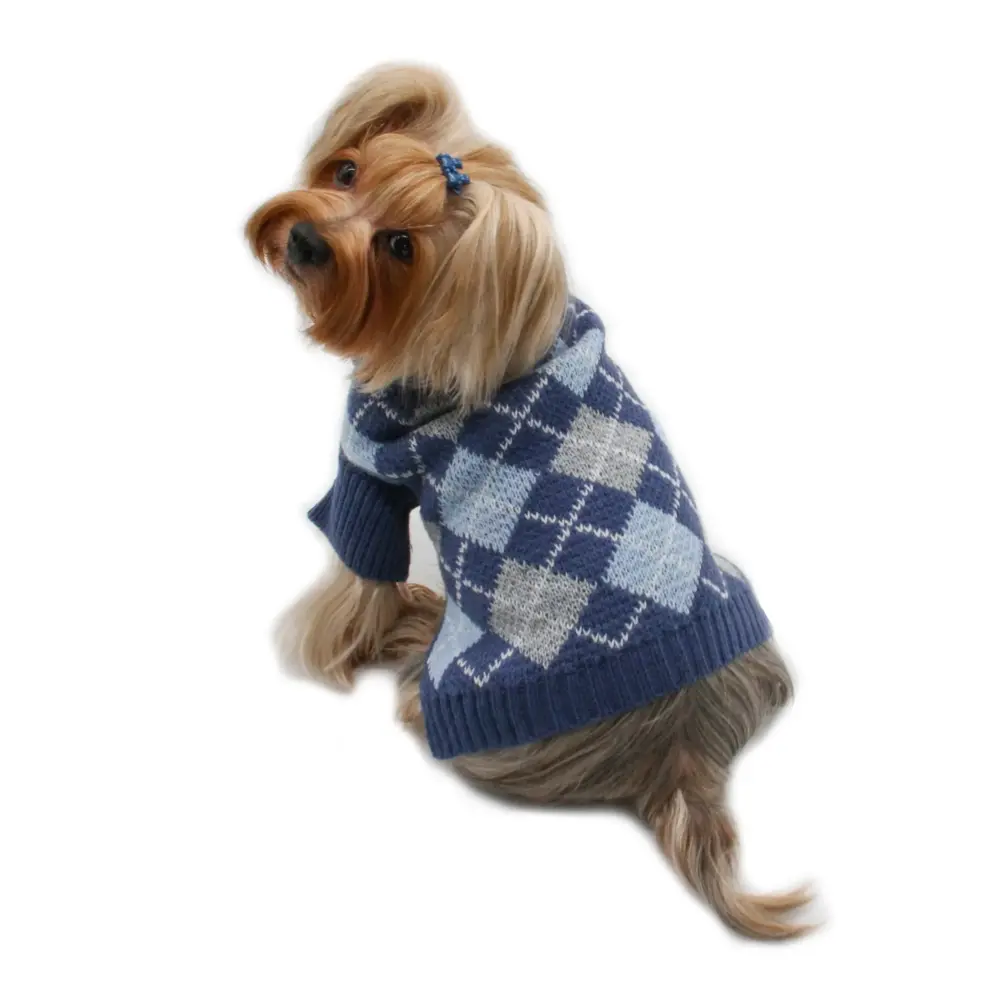
- Argyle Turtleneck Dog SweaterA soft knit layer for indoor warmth on short-coated dogs
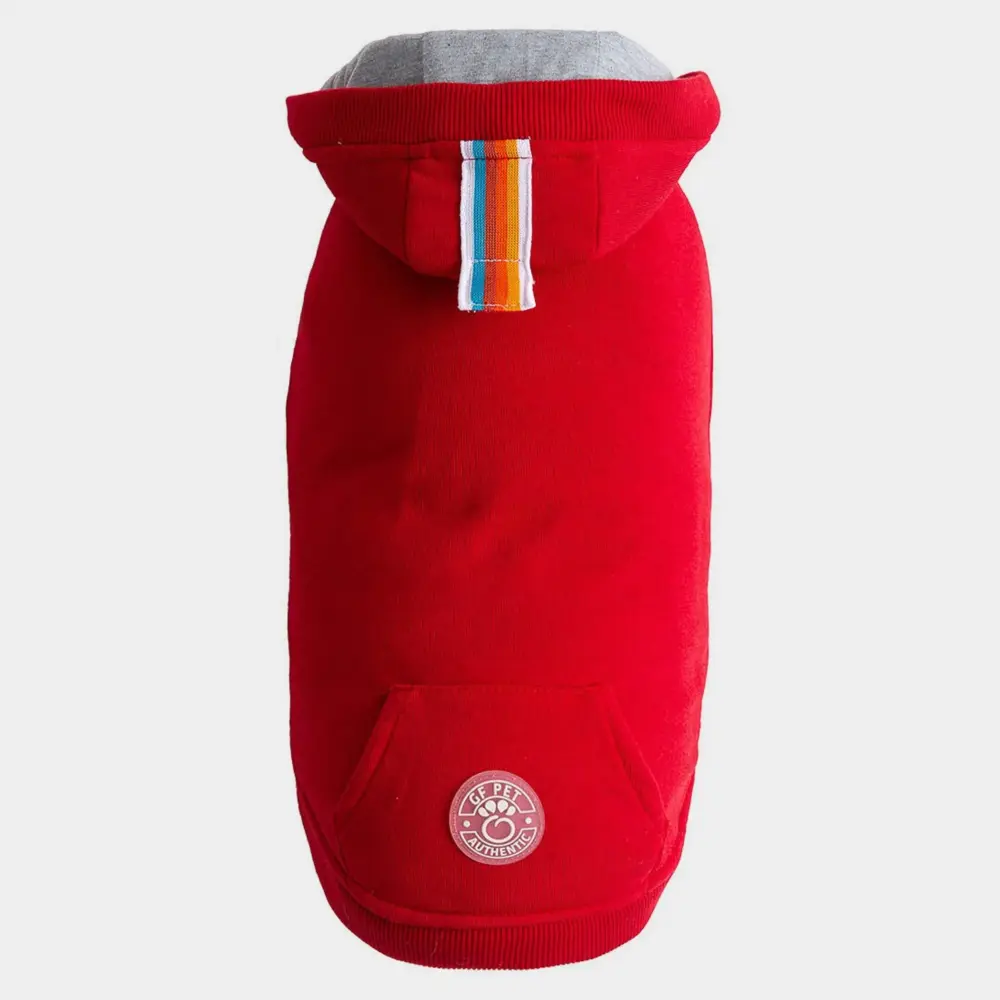
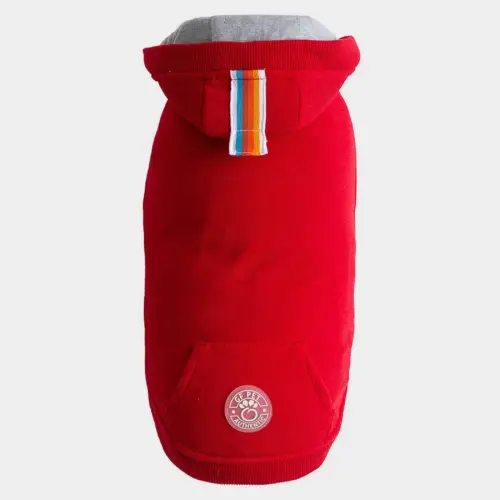
- Urban Dog HoodieA fleece hoodie for cold floors and mild days
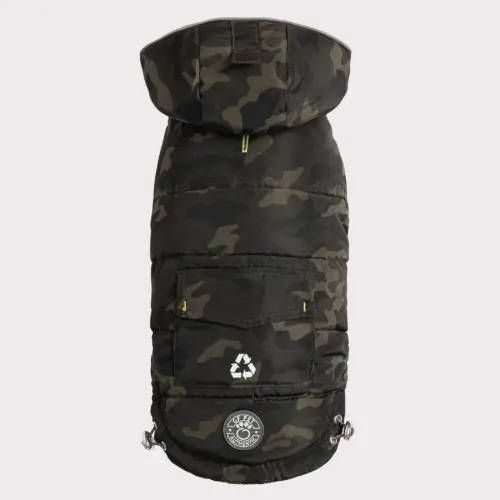
- Recycled Dog ParkaA hooded parka with a water-resistant shell and reflective piping
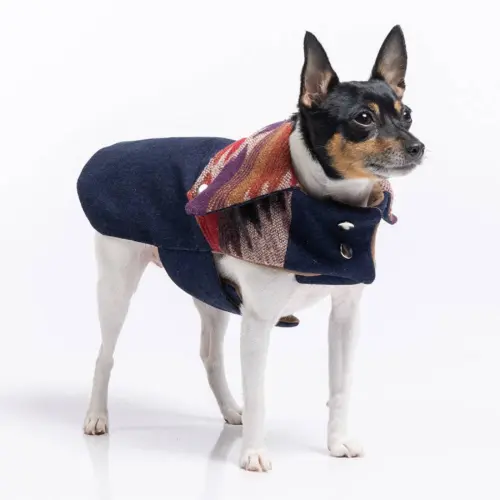
- DCNY Ranch Dog CoatA small-dog coat cut for toy and miniature breeds
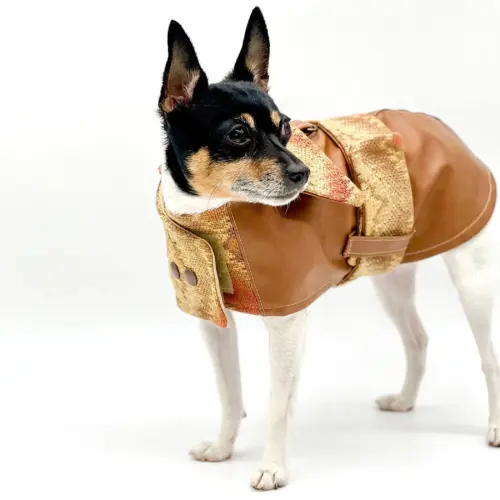
- Southwest CoatA vegan faux-leather coat that blocks wind and wipes clean after a muddy walk
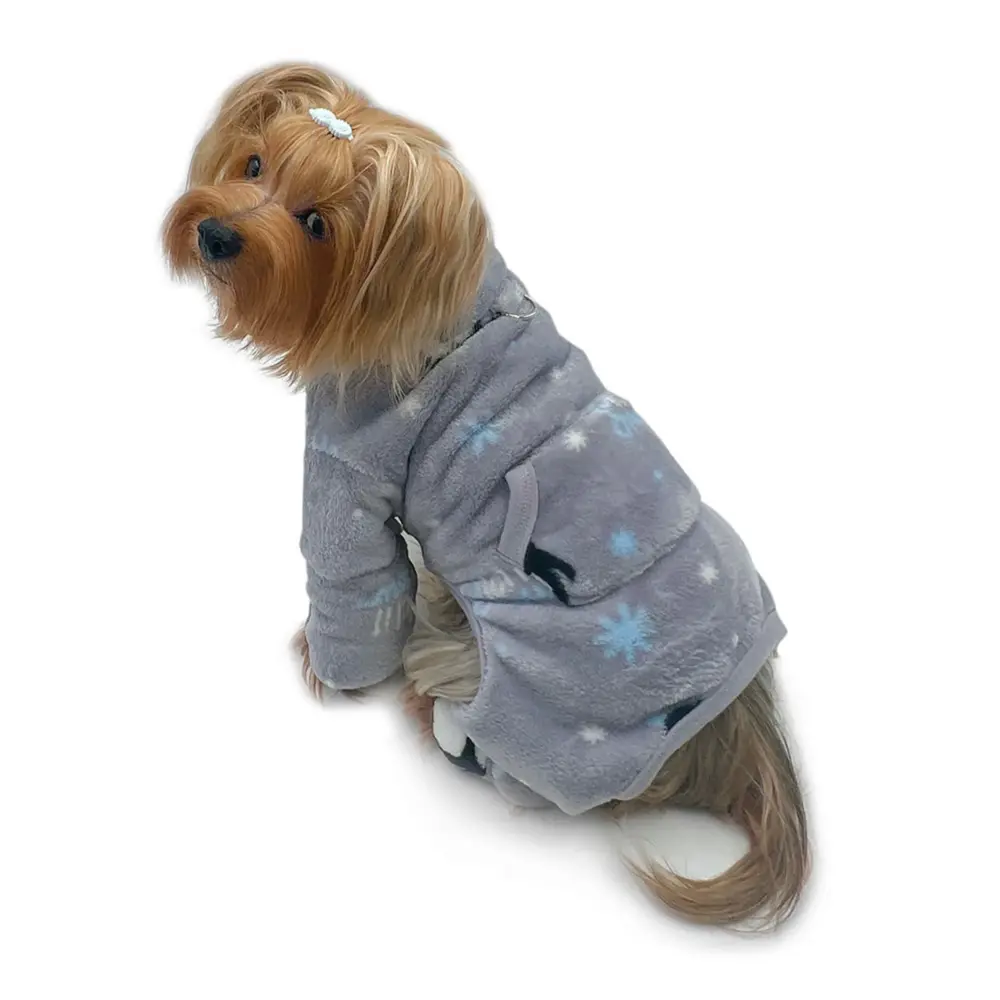
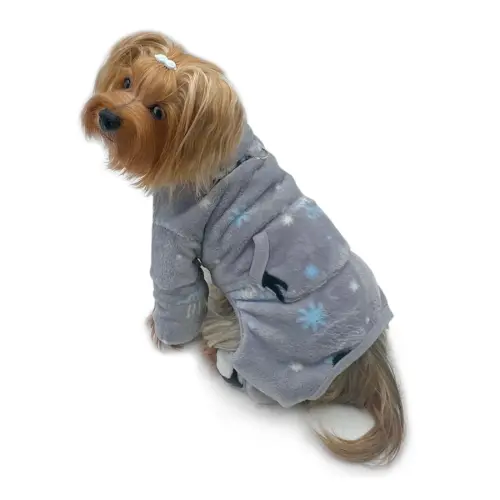
- Plush Penguin Dog PajamasPlush pajamas with a turtleneck for elderly or thin-coated dogs who feel the cold indoors
The honest answer: it depends on the dog
There is no temperature below which all dogs need a coat and above which none do. A whippet and a malamute standing on the same pavement at the same temperature are having completely different experiences, and the difference is almost entirely about what they are wearing already.
Four things decide it: coat type, body mass, age and health. Temperature and conditions decide how much of the garment you need, not whether you need one.
Coat type matters most
A double coat is two layers: a dense insulating undercoat and a weather-resistant outer coat. It is a highly effective system, and it is why northern breeds are comfortable in weather that makes people miserable. Adding insulation on top of it does not help, and in a thick coat it can flatten the undercoat, which reduces the insulation that was already working.
A single coat has no insulating undercoat. Short, fine, single-coated dogs have almost nothing between skin and air, which is why they shiver on days that other dogs ignore. Our guide on how to tell if a dog has a double coat covers identifying which you have.
| Coat type | Typical need |
|---|---|
| Short and fine, single coat | Insulation in cold; benefits most |
| Smooth, athletic, low body fat | Insulation; often needs it indoors too |
| Medium, single coat | Insulation on cold days; shell in rain |
| Thick double coat | Usually nothing; shell in sustained rain |
| Wire or curly coat | Depends on clip length; shell in rain |
| Recently clipped | Temporary insulation until it regrows |
Size and body mass
Small dogs lose heat faster than large ones because they have more surface area relative to their volume. They are also closer to cold ground, wet grass and snow. That is why toy breeds often need a coat on days when a large dog of the same coat type is perfectly comfortable.
Body condition matters alongside size. A lean, muscular dog with very little body fat, which describes most sighthounds and many working dogs, feels cold earlier than a dog of the same weight carrying more fat.
Age and health
- Puppies regulate temperature poorly and tire quickly in cold.
- Senior dogs often have thinner coats, less muscle and reduced circulation, and stiff joints get worse in the cold.
- Dogs with arthritis are noticeably more comfortable kept warm.
- Dogs recovering from illness or surgery regulate temperature less well.
- Underweight dogs have less insulation of their own.
- Dogs on some medications may be more sensitive to cold; ask your vet if you are unsure.
If your dog is in any of these groups, a coat is a practical item rather than an indulgence, and it makes winter walks genuinely more comfortable rather than merely shorter.
Dogs who do not need a coat
Healthy adult dogs with thick double coats, in dry cold, generally need nothing. Huskies, malamutes, Samoyeds, many shepherds, Newfoundlands and similar breeds are equipped for weather that would have most dogs shaking.
The same is true of a good many medium-sized, well-conditioned dogs in mild winters. If your dog shows no signs of being cold, moves normally, does not shiver and does not want to turn back, they are telling you the answer.
Dogs who overheat in one
Overheating is the risk people underestimate. A dog in an insulated coat on a mild day, walking briskly, can get genuinely too warm, and dogs cannot sweat to shed heat. Watch for heavy panting, slowing down, seeking shade or lying down.
- Thick double-coated breeds in anything other than sustained rain
- Any dog on a mild day in an insulated coat
- Dogs running or playing hard rather than walking
- Flat-faced breeds, who already struggle to cool themselves
- Any dog left in a coat indoors after a walk
- Dogs who pant heavily within minutes of the coat going on
Safety note
Take the coat off as soon as you get home. A coat left on indoors is one of the more common causes of a dog overheating, and it is entirely avoidable.
Indoor layers are a separate question
A thin indoor layer solves a different problem: a short-coated or elderly dog on a cold floor in a house that is cooler than they would choose. A fleece hoodie or pajamas work for that, and an outdoor coat does not, because it is built to retain far more heat than an indoor dog needs.
Watch for the signs indoors as well as out: curling tightly, seeking radiators, reluctance to settle on hard floors, or shivering while resting.
Choosing a first coat
- Decide whether you need insulation, a shell, or both; see raincoat versus winter coat.
- Measure back length, chest girth and neck before looking at anything.
- Choose a cut that leaves the belly and the back legs free for toileting.
- Check it works with your harness, either underneath or through a lead slit.
- Prefer adjustable straps, which handle an awkward shape better than a fixed cut.
- Introduce it indoors for a few short sessions before the first real walk.
-
Klippo
Argyle Turtleneck Dog Sweater, Choose size
$40.95
Why it fits: A soft knit layer for indoor warmth on short-coated dogs, rather than an outdoor garment.
-
GF PET
Urban Dog Hoodie, Choose size
Price range: $40.95 through $55.95
Why it fits: A fleece hoodie for cold floors and mild days, which is the common indoor need.
-
GF PET
Recycled Dog Parka, Choose size
Price range: $44.95 through $78.95
Why it fits: A hooded parka with a water-resistant shell and reflective piping, for real winter walks.
-
Doggie Couture NY
DCNY Ranch Dog Coat, Choose size & color
$72.95
Why it fits: A small-dog coat cut for toy and miniature breeds, where standard sizing rarely fits.
-
Doggie Couture NY
Southwest Coat, Choose size
$71.95
Why it fits: A vegan faux-leather coat that blocks wind and wipes clean after a muddy walk.
-
Klippo
Plush Penguin Dog Pajamas, Choose size
$40.95
Why it fits: Plush pajamas with a turtleneck for elderly or thin-coated dogs who feel the cold indoors.
Introducing a coat to a dog who objects
Most dogs freeze, walk strangely or try to remove a new garment the first time. That is normal, it is not a verdict on the coat, and it resolves in a few short sessions if you take the time.
- Show the coat, treat, put it away. Repeat a few times.
- Drape it over the back for two seconds, treat, remove.
- Build up to fastening one strap, then both.
- Leave it on for thirty seconds indoors while feeding something good.
- Build up to a few minutes indoors, moving around.
- First outing: short, somewhere familiar, with the coat genuinely needed.
- Take it off as soon as you are home.
If your dog stands frozen on the first walk, keep moving and stay cheerful rather than stopping to reassure. Most dogs forget the coat within a minute once there is something interesting to do. Getting a dog used to wearing a coat has the longer version.
Coats, harnesses and how they interact
A coat and a harness have to work together, and the options are limited to three: harness under the coat with a slit for the lead ring, harness over the coat, or a coat with a built-in attachment point.
- Harness under, slit on top is usually best: the harness fits against the body as designed.
- Harness over the coat changes the harness fit and can let a dog slip out; re-check the adjustment.
- A built-in D-ring on a garment is for short holds, not for a dog who pulls.
- Check the slit lines up with your harness ring before buying, since placement varies.
- Bulky coats make most harnesses looser than they look; two fingers under every strap, over the coat.
Once you have decided your dog needs one, the lining decides how warm it actually is. Dog jacket linings explained covers fleece, sherpa, quilted and reversible.
Common questions
At what temperature does a dog need a coat?
There is no single number, because coat type and size change the answer completely. Watch the dog rather than the thermometer: shivering, hunching, lifting paws, slowing down or wanting to turn back are the signals. How cold is too cold to walk a dog covers the limits.
Does a coat stop a double-coated dog regulating temperature?
It can. A thick coat works by trapping air in the undercoat, and compressing it under a tight garment reduces that. For these dogs a loose shell in rain is more useful than insulation.
Should a dog wear a coat in snow?
Dry snow is handled well by most coated dogs. Wet snow is a different matter, because it soaks the coat and then freezes into balls. A water-resistant layer helps there, and getting snowballs out of dog fur covers the aftermath.
Is it cruel to put clothes on a dog?
Not when the garment does a job and fits properly. It becomes unreasonable when the dog cannot move normally, when they overheat, or when the garment exists purely for a photograph.
My dog freezes and refuses to walk in a coat. What now?
That is normal at first and short-lived with the right introduction. Getting a dog used to wearing a coat covers the build-up, which takes a few days rather than weeks.
Once you know what you need, how to measure a dog for clothes gets the size right and how to wash dog clothes keeps it usable. For the indoor layer question, see coat versus sweater.
Related guides
-
Comparison
Dog Hoodie vs Sweater: Warmth, Fit and Which One Stays On
Both are indoor layers and they behave differently in every way that matters. This compares fleece against knit for warmth, how each one fits awkward shapes, whether the hood is worth anything, and which survives being washed every week.
-
How-to
How to Wash Dog Coats, Sweaters and Pajamas
Dog clothing has washing problems of its own: knitwear shrinks, fleece mats, velcro destroys everything it touches and heat ruins water-resistant coatings. This guide covers each material and how often washing is actually needed.
-
Guide
Do Dogs Need Pajamas? When Sleepwear Is Useful and When It Is Not
Indoor sleepwear is either a sensible layer or a costume, depending on the dog. This covers which dogs lose heat indoors, the safety rules that apply to anything worn unsupervised overnight, and the cases where pajamas solve a real problem such as itchy skin.