Seasons & Gifts How-to
How to Wash Dog Coats, Sweaters and Pajamas
Short answer
Fasten all velcro, turn the garment inside out and wash on a cool gentle cycle in a mesh bag with a mild detergent. Skip fabric softener entirely, and air dry away from direct heat. Knitwear is safest washed by hand and dried flat.
Read the label first
The care label beats any general guidance, including this page. Where a label has worn away, the product listing usually repeats the instructions. If neither exists, treat the garment as hand wash only, because that is the method least likely to ruin anything.
The materials worth identifying are knit, fleece, cotton canvas and anything with a water-resistant finish, because each fails in a different way.
Before it goes in
- Shake the garment out and brush off loose hair, which otherwise ends up in the machine.
- Fasten every velcro strap. Open velcro collects hair and destroys other items in the drum.
- Close zips and remove anything detachable, such as a hood or a charm.
- Turn the garment inside out to protect the outer face.
- Pre-treat heavy mud by letting it dry and brushing it off rather than rubbing it wet.
- Put the item in a mesh laundry bag.
Tip
Dried mud brushes off; wet mud grinds in. If your dog comes home filthy, let the coat dry fully on a hook before you touch it.
Knitwear and sweaters
Knit garments shrink and stretch, often in the same wash. Hand washing in cool water with a small amount of mild detergent is the safe method: submerge, squeeze gently, rinse and press the water out without wringing.
Dry flat on a towel, reshaped to the original dimensions. Hanging a wet knit stretches the back length, which is exactly the measurement you spent time getting right. Never put knitwear in a tumble dryer.
Fleece and plush
Fleece survives machine washing well but mats and pills with heat and friction. Use a cool gentle cycle, no fabric softener, and air dry. Softener coats the fibres, which flattens the pile and reduces how well fleece insulates.
Plush-lined items, including hoodies and pajamas, benefit from being washed inside out and shaken hard while damp to lift the pile back up.
Water-resistant coats
Coats with a water-resistant finish need the gentlest treatment of all, and the enemy is heat rather than water. Wash cool, rinse thoroughly, and air dry away from radiators and direct sun.
- No fabric softener. It clogs the finish and the coat stops shedding water.
- No bleach or stain removers, which break down coatings and fade dyes.
- Rinse twice if your machine allows; detergent residue is what usually ruins water resistance.
- No tumble drying unless the label specifically allows it.
- Reproof only if the maker says so, using a product intended for that fabric.
-
GF PET
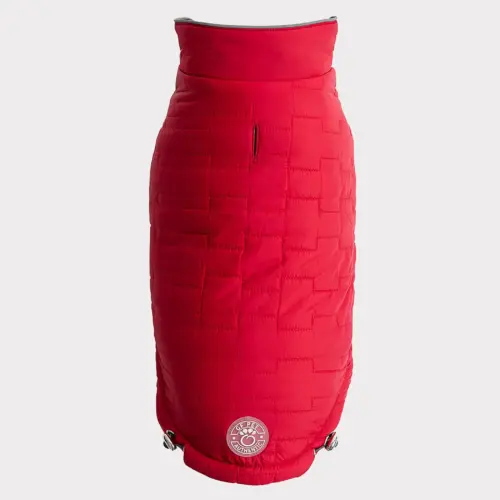
Reversible Chalet Dog Jacket, Choose size
Price range: $44.95 through $68.95
Why it fits: Reversible quilted and fleece sides, so one garment covers wet and dry cold with one wash routine.
-
GF PET
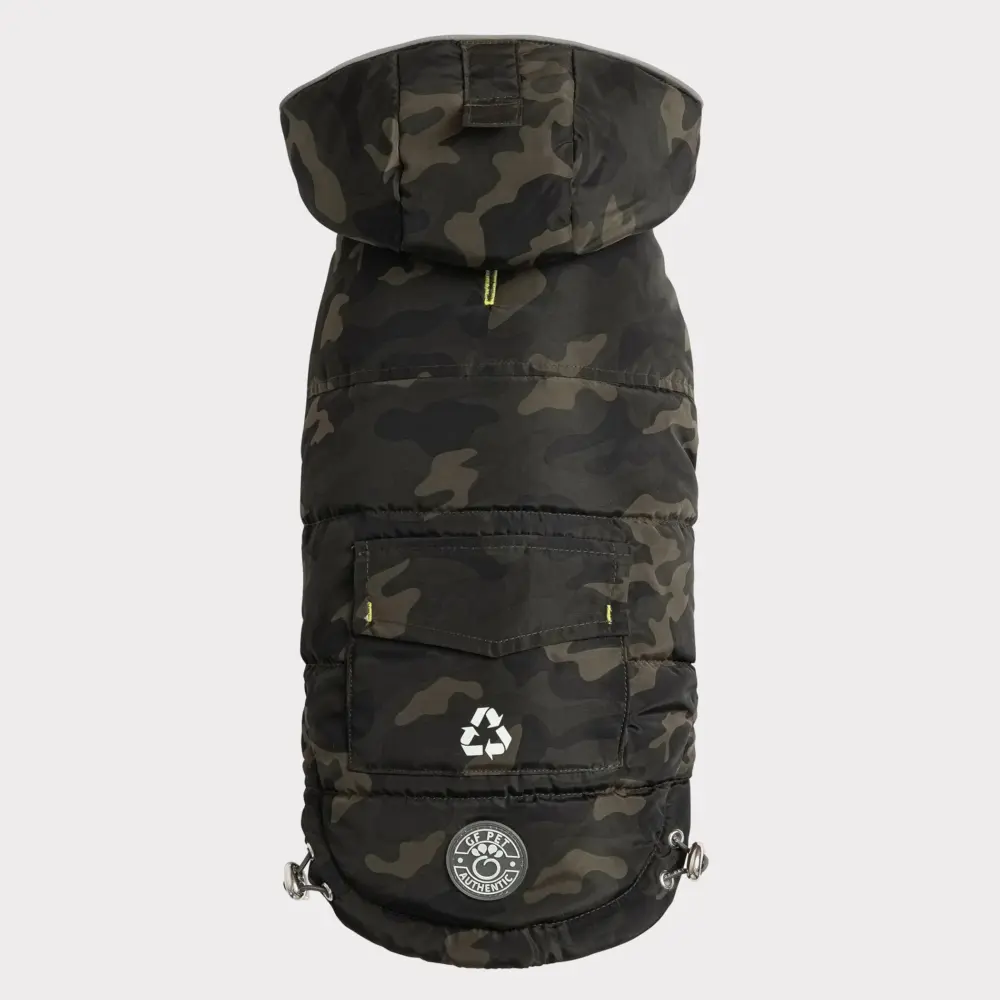
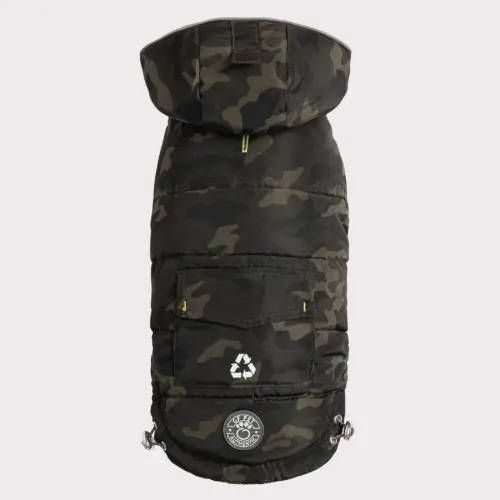
Recycled Dog Parka, Choose size
Price range: $44.95 through $78.95
Why it fits: A recycled-fabric parka with a water-resistant shell; cool wash and air dry keeps the finish working.
-
Klippo
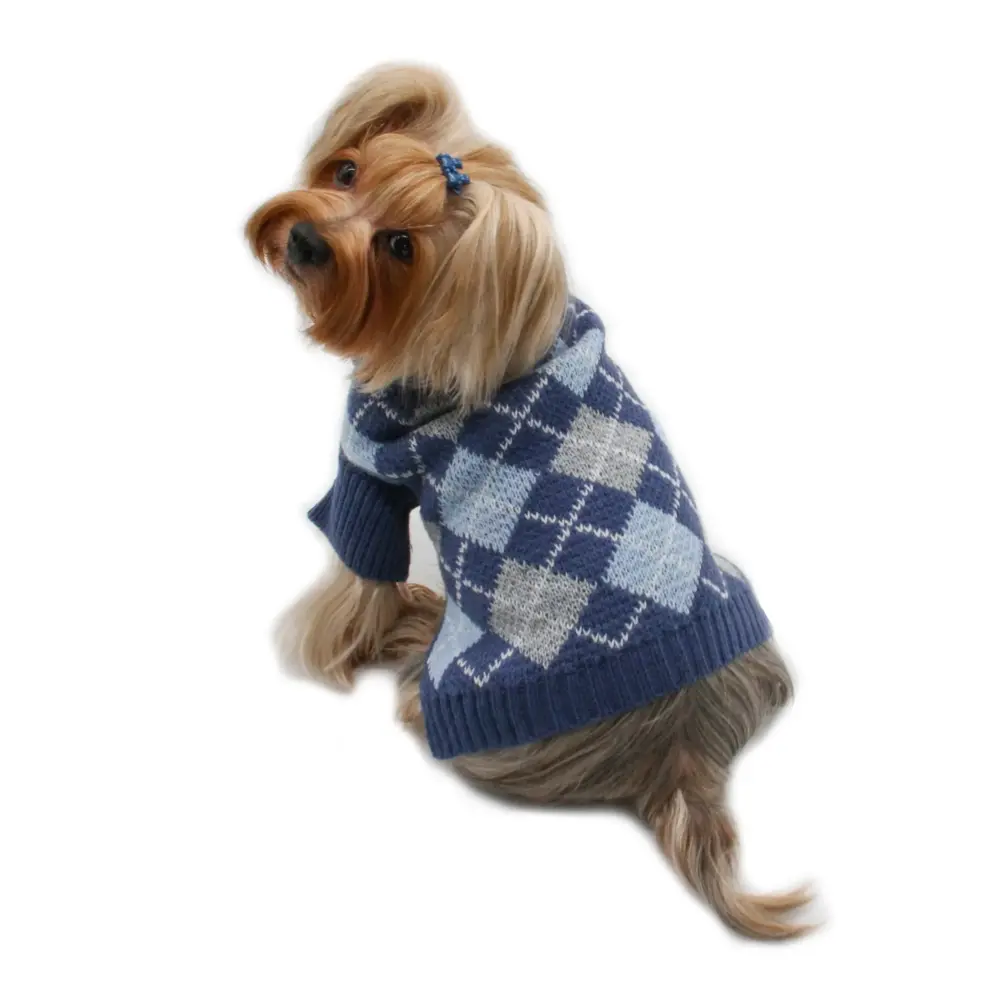
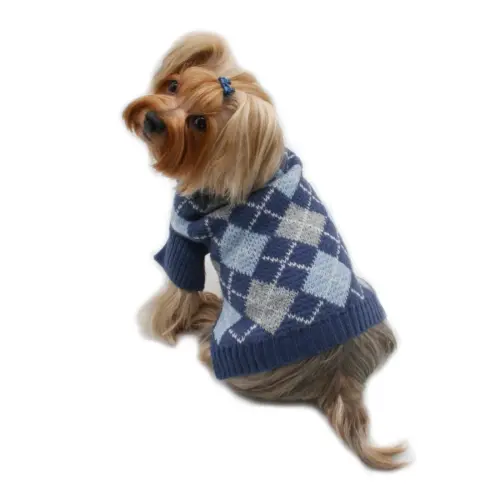
Argyle Turtleneck Dog Sweater, Choose size
$40.95
Why it fits: A knit sweater, which is the one item here that should be hand washed and dried flat.
-
Klippo
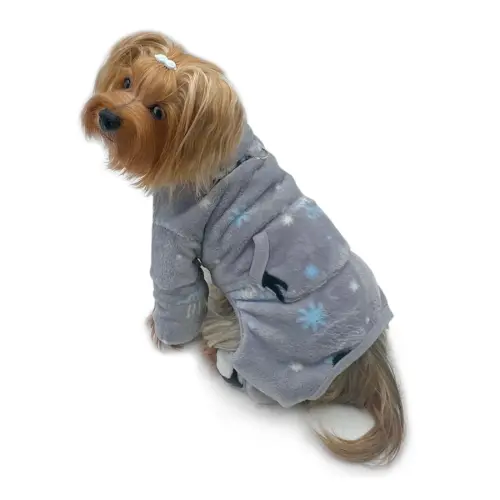
Plush Penguin Dog Pajamas, Choose size
$40.95
Why it fits: Thick plush pajamas that wash easily; turn them inside out and shake while damp to lift the pile.
Cotton canvas and denim
Canvas and denim are the most forgiving materials here and usually tolerate a warm gentle machine cycle. They do shrink slightly on a first wash, so stay cool if the fit is already close, and expect darker dyes to run a little initially. Wash a new dark canvas coat on its own the first time.
Drying, and why heat is the enemy
Air drying solves almost every problem on this page. Heat shrinks knits, mats fleece, degrades water-resistant coatings, melts reflective trim and warps plastic hardware. A tumble dryer also beats velcro and buckles against the drum.
Hang canvas and fleece, dry knitwear flat, and keep everything away from radiators. Allow a full day; a garment that goes back on damp will smell within hours.
Smells that survive a wash
If a garment still smells after washing, the usual cause is detergent residue holding onto oils rather than insufficient cleaning. Rewash with no detergent at all, on a long cool cycle, and dry fully.
For stubborn odour, a soak in cool water with a small amount of white vinegar before a plain rinse works on most fabrics, though not on anything leather or faux leather. Avoid enzyme stain removers on coated fabrics.
Repairs worth making
Dog clothing fails in predictable places, and most of those are repairable in ten minutes with a needle. Given what a decent coat costs, it is usually worth doing rather than replacing the whole garment.
- Velcro that no longer grips is usually clogged with hair; comb it out with a stiff brush or an old toothbrush.
- A seam that has opened at the strap can be restitched by hand before it runs.
- A broken buckle can often be replaced with a hardware part rather than binning the coat.
- A small tear in a shell can be patched from the inside with repair tape made for outdoor gear.
- Elastic that has gone slack is the one failure usually not worth repairing.
- Reflective trim that has cracked is a safety item; replace the garment if the coat is used in the dark.
Check straps and stitching whenever you wash something. A strap that fails mid-walk on a winter evening is a nuisance; one that fails on a coat with a lead slit while a dog is attached to it is worse.
Storing it between seasons
Store clothing clean and completely dry. Anything put away damp, or with mud left on it, comes out of the cupboard smelling and occasionally mildewed. Fold rather than hang knitwear, which stretches on a hanger, and keep coated fabrics out of direct sunlight.
Check the fit at the start of each season rather than on the first cold morning. Dogs change shape over a year, particularly young dogs and any dog whose weight has moved, and a coat that fitted last winter may not now. How to measure a dog for clothes takes two minutes.
How often to wash
| Item | Typical frequency |
|---|---|
| Daily winter coat | Every few weeks, or when visibly dirty |
| Raincoat | Rinse after muddy walks; wash occasionally |
| Indoor sweater or pajamas | Weekly or fortnightly |
| Anything after a swim | Rinse in fresh water the same day |
| Anything that smells | Now |
Washing more often than necessary wears garments out faster, particularly coated ones. Shaking out, brushing off dried mud and airing between wears does most of the work.
Washing harnesses and collars at the same time
If you are running a load of dog clothing, the walking gear may as well go in with it. The requirements are similar: fasten everything, use a mesh bag, keep the temperature low and air dry away from heat.
- Fasten every buckle so nothing catches
- Put hardware in a mesh bag to protect the drum
- Cool wash, mild detergent, no softener
- Rinse twice if the machine allows
- Air dry fully, never in a dryer
- Check stitching and clips while it is drying
- Wipe leather and retractable leads instead of washing
Our guide on washing a dog harness, collar and leash covers the detail, including what to do about webbing that still smells after a wash.
Dealing with the hair
The practical problem with washing dog clothing is not the clothing; it is what it leaves behind. A load of dog items puts a surprising amount of hair into a machine, which then transfers to the next load.
Shake everything out before it goes in, and lift the worst of the hair with a rubber glove or a lint roller while the fabric is dry. Run an empty rinse cycle afterwards if you are about to wash clothes, and clean the filter more often than you otherwise would. Getting pet hair off clothes covers the rest.
Common questions
Can I use my normal laundry detergent?
A small amount of a mild, non-biological detergent is fine for most items. Avoid heavily perfumed products, which can irritate skin, and skip fabric softener entirely.
What about faux leather and spot-clean items?
Follow the label exactly. Faux leather and faux suede generally need wiping with a damp cloth rather than immersion, and machine washing them usually ruins the finish permanently.
My dog has itchy skin. Does the detergent matter?
It can. Switch to a fragrance-free detergent, rinse twice, and drop softener. If the itching continues, it is a veterinary question rather than a laundry one.
Can I wash dog clothes with my own laundry?
Technically yes, practically no. Dog hair transfers to everything, and velcro catches on knitwear. Wash them together as their own small load.
How do I get hair off before washing?
A rubber glove dragged across dry fabric lifts most of it, as does a lint roller. Getting pet hair off clothes covers the rest.
If the fit is the problem rather than the fabric, see how to measure a dog for clothes. For the gear rather than the garments, how to wash a dog harness covers webbing and buckles, and which dogs need a coat covers whether you need one at all.
Related guides
-
Buying guide
Which Dogs Actually Need a Coat, and Which Do Not
Coat type matters more than temperature, and some dogs are worse off wearing one. This guide sorts dogs into those who need insulation, those who need a shell, and those who need nothing at all.
-
How-to
Harness Under or Over a Dog Coat? How to Layer Them Properly
Two pieces of gear on one dog is a mechanical problem nobody explains when you buy either of them. This covers when the harness goes underneath, when it goes on top, what a leash opening is for, and how to stop a coat twisting halfway down the street.
-
How-to
How to Measure a Dog for Clothes: Neck, Chest and Back Length
Dog clothing sizes are not standard between brands, which is why guessing produces returns. This guide covers the three measurements that matter, how to take them accurately, and how to handle dogs whose shape breaks the chart.