Beds & Comfort Checklist
What to Put in a Dog Crate: Bedding, Water, Toys and What to Leave Out
Short answer
A dog crate needs water in a bowl that won’t tip, washable bedding once your dog stops soiling or shredding it, a cooling mat for a warm sleeper and a food-stuffed chew toy you’ve seen them handle safely. Leave out the collar, tags and harness, anything they could swallow, and lick mats or squeaky toys unless you’re watching.
What to put in a dog crate: the checklist
A crate works when your dog treats it as a quiet bedroom, so everything inside has to earn its place. The test for each item is the same: could your dog chew it up, swallow it, get caught on it or overheat because of it while nobody is watching? We don’t sell crates, so this list starts from the one you already have.
Every time
- Water, in a bowl that clips to the crate or is too heavy to tip
- A floor your dog can lie on comfortably: a bed, a mat or a bare tray, depending on the dog
- Collar, tags, harness and any coat taken off before the door closes
- A spot where the family spends time, out of direct sun and away from heat vents, cords and curtains
Depends on your dog
- Washable bedding, once your dog is reliably housetrained and leaves fabric alone
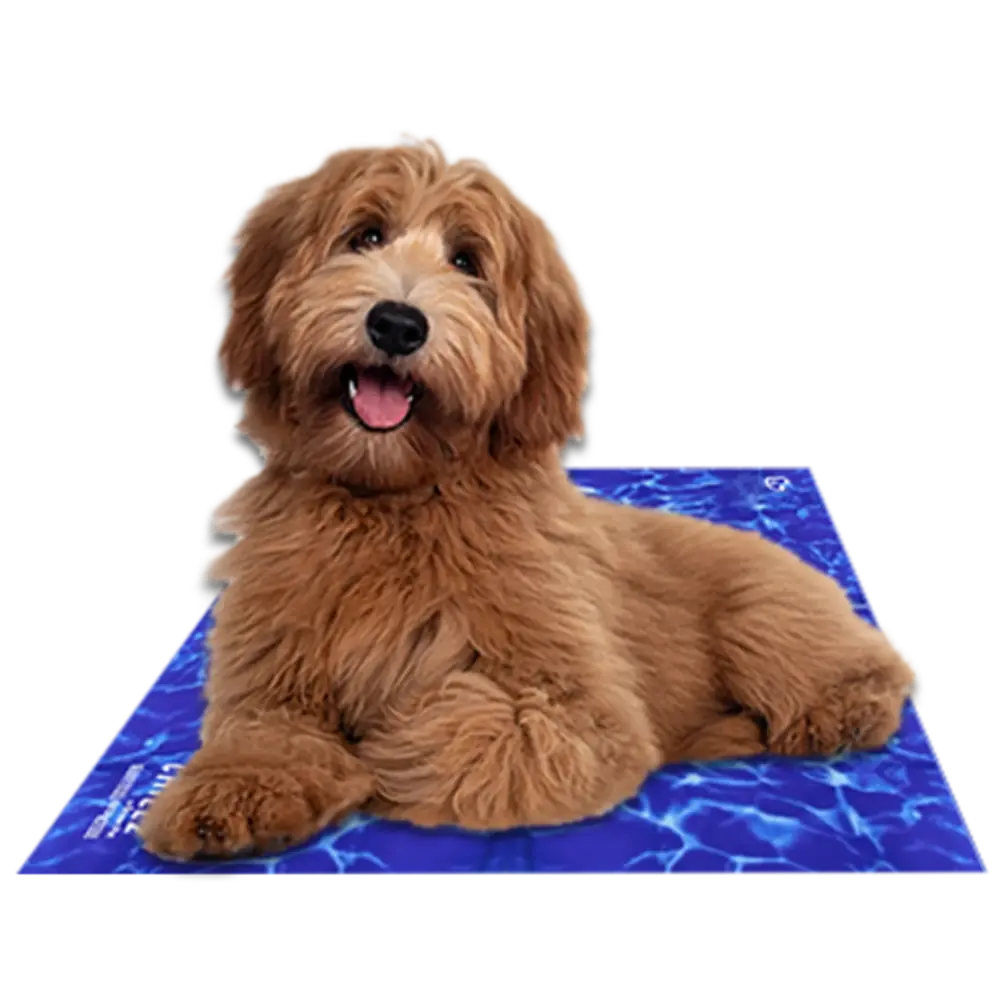
- A cooling mat for a dog who seeks out cold floors
- A food-stuffed chew toy, too big to swallow, once you’ve watched your dog use it safely
- A breathable cover over part of the crate for a dog who settles better in a den
- A worn T-shirt that smells of you, for a dog who doesn’t chew fabric
Only while you’re watching
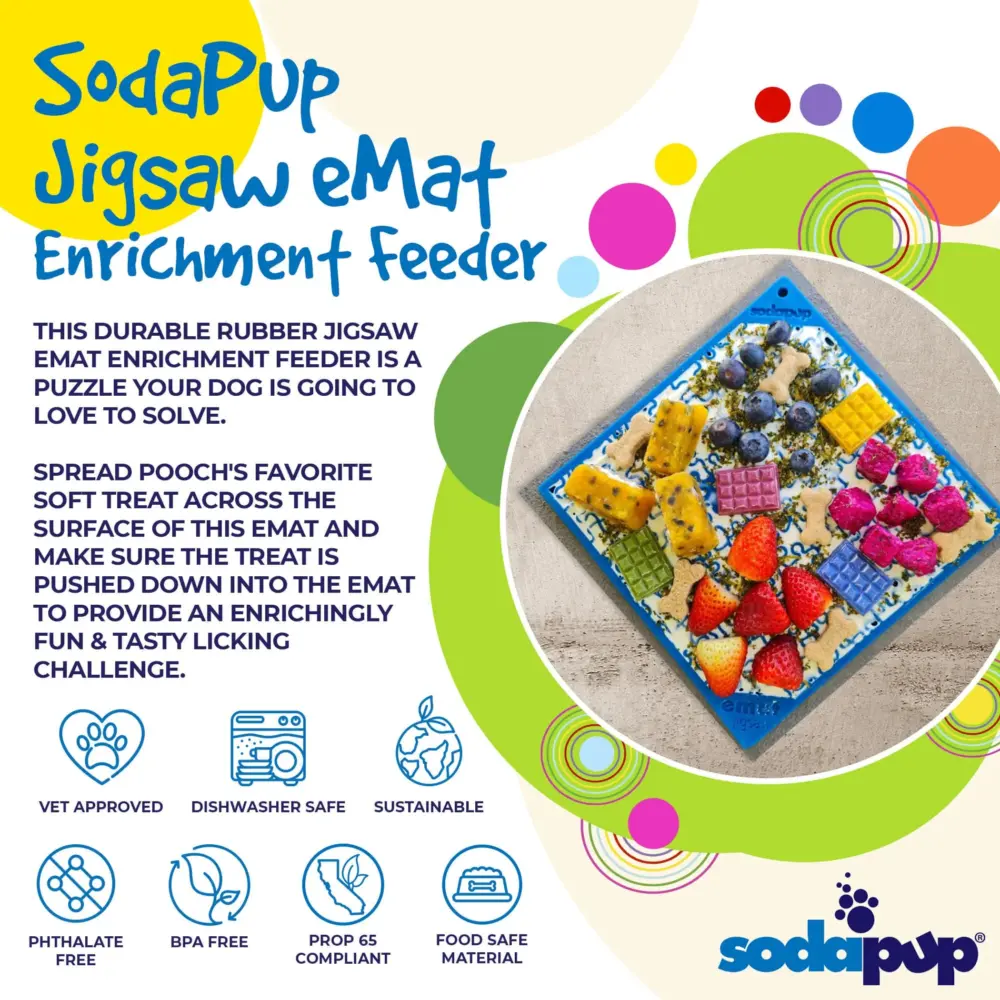
- A loaded lick mat
- Squeaky, plush and fabric toys, tough ones included
- Edible chews such as rawhide or bully sticks
- A new stuffed chew toy, until you’ve seen how your dog handles it
Leave out
- Anything small enough to swallow, and toys that are torn or coming apart
- Rope toys, string, ribbon and blankets with fringe or loose threads
- A puppy pad under or beside the bedding
- Cords, plug-in heating pads and anything your dog can reach through the bars
Bedding: when to add it, and when to wait
For an adult dog who is reliably housetrained and doesn’t chew fabric, bedding is what turns a crate into a place they choose. Humane World for Animals’ crate training guide recommends a comfortable bed or blanket to make the crate cozy, and a washable one makes sense, because every crate sees the odd accident or muddy paw.
Puppies are the exception. The AKC’s guide to crate training points out that many puppies prefer to go potty on soft, porous surfaces, and suggests waiting to add blankets and beds until your dog consistently has no accidents and doesn’t shred fabric. Until then, a bare crate tray is fine, or a single old towel you can wash and won’t miss.
Whatever you use should lie flat on the crate floor without riding up the walls, and your dog should still be able to stand up, turn around and lie down comfortably, which is the AKC’s test for crate size. A thick bed can take away the headroom a tall dog needs; our guide to measuring a dog for a bed shows how to measure the inside of a crate and check the height. Look the bedding over each time you wash it, since a frayed edge or a hole in the cover is often where shredding starts.
A cool layer for hot sleepers
A dog who leaves their bed for the kitchen tile is telling you they run warm, and a fully padded crate gives them nowhere cooler to go. Swap part of the bedding for a cooling mat, or leave a strip of bare tray beside the bed so your dog can choose. Lay the mat flat, and watch the first few sessions before you leave your dog alone with it, since a bored dog may test it with their teeth.
A mat helps in a warm room, not a hot one. Keep the crate out of direct sun and away from vents and radiators, and in warm weather leave at least two sides open to the air. Our comparison of a cooling mat and an elevated dog bed explains why a gel mat usually fits a crate more easily than a raised cot.
Safety note
A crated dog can’t move somewhere cooler on their own. If your dog is panting hard, drooling heavily, has bright-red gums or seems weak, let them out, move them somewhere cool and call your veterinarian. The AKC’s guide to overheating in dogs lists the signs to watch for.
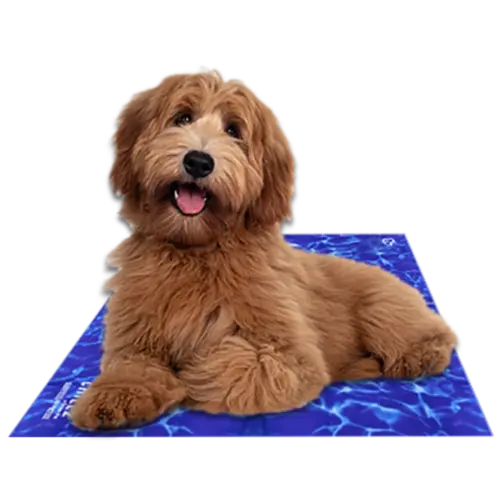
For the crate floor, here are two picks from our beds and comfort range, limited to Nilosi’s catalog. Neither is a pad made for a particular crate. The cuddler’s Small is 22 inches square, wider than many crates made for small dogs, and the mat’s listing gives no dimensions, so measure the inside of your crate and ask us before you order.
-
The Green Pet Shop
Chillz Cooling Gel Mat for Dogs & Cats, View product
$45.95
Why it fits: Gives a warm sleeper a cool patch on the crate floor, with pressure-activated gel that needs no water, freezing or power to work.
-
Armarkat
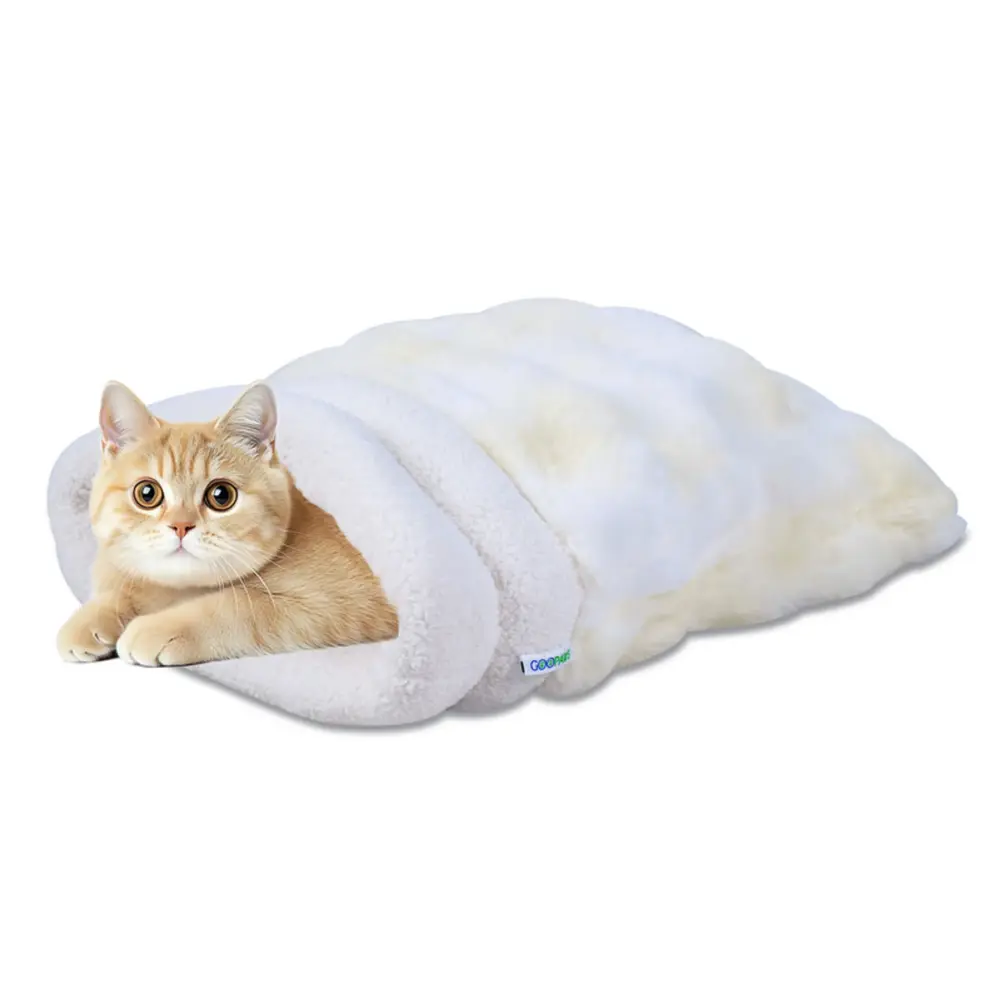
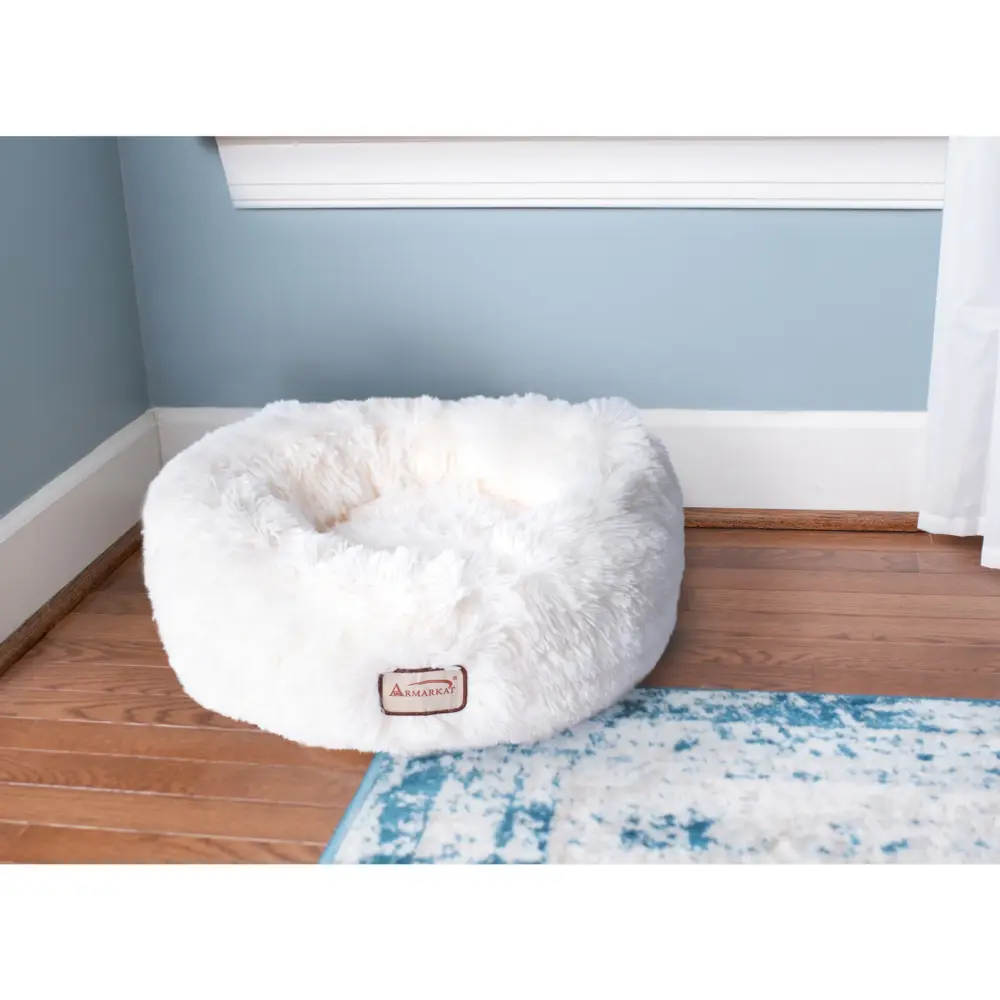
Ultra-Plush Cuddler Bed for Cats & Small Dogs, Choose size
Price range: $55.95 through $72.95
Why it fits: For a small dog who curls up and leaves fabric alone; the Small is 22 x 22 in, so it needs a crate or pen at least that wide inside.

Water in the crate
The AKC’s crate training guide says to provide water in the crate as well, and it matters most on longer stretches, in warm rooms and after exercise. The practical problem is spills: a light bowl gets tipped, the bedding gets soaked, and your dog spends the afternoon on a wet pad with nothing left to drink.
- A bowl that fixes to the crate: clipped or bolted to the wire at a height your dog can reach comfortably. We don’t sell these, but most pet stores do.
- Or a heavy, wide-based bowl: in a corner away from the bed, so a splash doesn’t reach the bedding.
- Fresh water each time: refill it whenever your dog goes in, and wash the bowl daily.
With a puppy who is still housetraining, it’s tempting to take the water away to cut down on accidents. Ask your veterinarian before limiting water at any time of day, and don’t leave a dog without it in a warm room.
Chews, toys and lick mats: what needs watching
A job for the mouth makes crate time easier. The AKC’s guide passes on trainer Rachel Lane’s advice to give your dog a food-stuffed chew toy whenever they go in, frozen first so it lasts longer. The classic choice is a sturdy rubber toy with a hollow center, too big to swallow. We don’t stock one, so buy it sized for your dog’s mouth, and watch how your dog handles it over several sessions before leaving them alone with it. If they work at the rubber rather than the food, or bite pieces off, it stays a supervised toy.
Meals can go in the crate too: VCA Animal Hospitals’ crate training overview suggests feeding your dog’s meals there from a food toy or slow-feeder bowl. Take the bowl out once it’s empty, so it doesn’t turn into something to chew.
Everything else in this group is for crate time while you’re in the room: a loaded lick mat while you cook dinner, a toy while you work at the desk beside the crate. When you leave, it comes out. Humane World for Animals’ toy safety advice explains why: a dog may set out to find and destroy the squeaker in a squeaky toy, and edible chews such as rawhide can be choking hazards, so both belong to supervised time. For spreads that suit a lick mat, and how long to freeze one, see what to put on a lick mat.
Two picks fit that supervised slot: a lick mat from our feeding and enrichment range and a tough, stuffing-free toy.
-
SodaPup
Jigsaw Enrichment Lick Mat for Dogs & Cats, Choose color
$25.95
Why it fits: A supervised job while you are home: press soft food into the jigsaw grooves, freeze it for longer, and remove it once licked clean.
-
Fire Hose Crocodile Dog Toy, View product
$30.95
Why it fits: A tough toy for crate time while you sit nearby; fire-hose material with no stuffing, but squeakers inside, so it leaves with you.


Safety note
If you think your dog has swallowed a piece of a toy, chew, mat or bedding, call your veterinarian right away, even if your dog seems fine.
A cover for dogs who like a den
Some dogs like to keep an eye on the room; others settle better in the dark. The AKC’s guide notes that some prefer a wire crate so they can see what’s going on, while others do better in a darker, more den-like crate, such as one with a removable cover. Try a cover while you’re home before you rely on it.
- Cover part of it: drape a breathable sheet or a fitted crate cover over the top and two or three sides, leaving the front or one side open.
- Keep fabric outside the bars: tuck or fit the cover so nothing hangs inside where your dog can pull it through and chew it.
- Lift it in the heat: take it off in warm weather, or as soon as your dog is panting.
- Watch the reaction: if your dog seems more unsettled under it, leave it off.
A plastic crate with solid sides already has that den feel. A corner also does part of the job: two walls behind the crate and a view of the family.
What to leave out of the crate
Collar, tags and harness
The AKC’s advice is plain: the collar comes off whenever your dog is in the crate. Tags, buckles and the collar itself can catch on the wire or the door, and a dog who panics against a caught collar may not be able to free themselves. A harness has more rings and straps to snag, so it comes off too, and so does a coat or sweater, since a crated dog can’t shed a layer if the room warms up. Our guide on whether a dog can wear a harness all the time covers the rest of the home routine.
Tip
Hang the collar and tags on a hook beside the crate, so they go back on before your dog gets anywhere near the front door. ID only helps if it’s on the dog.
Anything that can be swallowed
Small balls, torn toys, rope toys, ribbon and fringed blankets all come out, along with any bed with stuffing showing, because a bored dog can pull strands loose or chew pieces off with nobody there to notice. Humane World for Animals advises throwing toys away once they start to break into pieces or tear, and choosing toys too big to be swallowed or to lodge in the throat.
A puppy pad in the crate
A pad beside the bed gives a puppy a toilet inside their bedroom, which works against the habit crate training relies on, and a bored puppy may shred it. If your puppy can’t yet hold it for as long as they’re alone, shorten the stretch, or follow VCA’s housetraining advice: a pen or gated area with a resting spot, such as the open crate, and a separate potty spot, such as a pad.
Cords and anything in reach
Check what your dog can reach through the wire: charging cables, lamp cords, curtains, blind cords and houseplants. A plug-in heating pad puts a cord inside the crate itself, so leave it out for any dog who might chew.
For the bedding itself, a flat pad usually beats a full bed in a crate. Crate mat vs dog bed covers why, and where the opposite holds.
Puppies, chewers and seniors: adjusting the setup
| Dog | Bedding | Extras |
|---|---|---|
| Young puppy | Bare tray or one old towel | Water, a frozen stuffed chew |
| Shredder | Nothing it can tear apart yet | A tough chew, only while watched |
| Senior dog | Thick, supportive, non-slip | Water within easy reach |
| Hot sleeper | Thin bed with a bare patch | Cooling mat, airflow on two sides |
| Crate rest | What your vet advises | Quiet jobs your vet approves |
Puppies
Add a bed once accidents and shredding have stopped. If the crate is sized for the adult dog, the AKC suggests a divider so the space can grow with your puppy. Keep each stretch short: Humane World for Animals advises that puppies under 6 months shouldn’t stay in a crate for more than three or four hours at a time. Our new puppy checklist covers the rest of the first-week setup.
Chewers and shredders
Give a chewer one thing at a time and check it after every session. A dog who shreds bedding is safer on a bare tray for now than on a pad they can swallow pieces of; try a single folded towel again in a few weeks. Tougher toys last longer, but no toy is indestructible.
Heavy panting, drooling, nonstop barking or frantic attempts to get out, such as biting at the bars, suggest distress rather than boredom, and more toys won’t fix it. VCA’s crate training advice for a very distressed dog is to let them out, end the session and hold off on more crate time until you’ve talked to your veterinarian or a veterinary behaviorist.
Senior dogs
Older dogs often need more cushion. Choose a thick, supportive bed that lets your dog stretch out, not just curl up, with a non-slip base so it doesn’t slide when they get up. Keep water within easy reach, and leave the door open when you’re home so they can come and go. New leaks, stiffness getting up or restless nights are reasons to see your veterinarian; a waterproof layer under washable bedding helps in the meantime.
Dogs on crate rest
If your veterinarian has ordered crate rest after surgery or an injury, their instructions on bedding, toys and time out of the crate come first. For quiet activities that fit inside those rules, see enrichment for dogs on crate rest.
Related guides
-
Checklist
Bringing Your Dog to Work: Readiness, Packing and Etiquette
A checklist for bringing your dog to work: the readiness checks that matter (settling on a mat, polite greetings, ignoring food), the policy and coworker questions to ask first, a desk kit, a break schedule, office etiquette and the days your dog should stay home.
-
Buying guide
Gifts for Senior Dogs and Cats: Warmth, Gentle Care and Easy Outings
Gifts that make life a little easier for an older dog or cat, chosen from our catalog: warm beds for cats and small dogs, a gentle brush for older coats, a lick mat, a cooling mat for warm sleepers and a backpack for small seniors who tire, plus what to skip and what needs a vet.
-
Buying guide
What to Get Your Dog for Christmas: Gifts for Tuggers to Nappers
Choose your dog's Christmas gift by what they already do: a stuffing-free fire hose toy for tuggers and shredders, a plush fox for gentle carriers, a lick mat or slow feeder for lickers and fast eaters, and a cuddler bed or coat for small dogs, plus safety checks, unwrapping and gifts to skip.