New Puppy Checklist: Supplies, Home Setup and the First Week
A new puppy checklist comes down to six groups: a safe place to sleep, walking gear with ID, food and bowls, things to chew, cleaning supplies and a booked vet appointment. Set them up before pickup day, puppy-proof the rooms your puppy will use, then keep the first week quiet and predictable. We don’t sell crates, puppy food or enzyme cleaner, but your puppy needs them, so they are on the list.
Puppy arriving over the holidays? Finish the setup before the decorations go up, and choose a pickup day with quiet days after it.
The new puppy checklist at a glance
Here is what to buy for a new puppy; print the list or save it to your phone.
Sleep and a safe space
- A crate or playpen your puppy can stand, turn around and lie down in
- Washable bedding, such as old towels
- Baby gates for stairs and off-limits rooms
Walking and ID
- A flat collar with an ID tag showing your phone number
- A harness and a standard fixed-length leash
- Poop bags, plus a holder for full ones
Food and water
- The food your puppy already eats
- A food bowl and a water bowl that are easy to wash
- Small, soft treats for training
Chewing and play
- Two or three chew toys sized for your puppy’s mouth
- A soft toy for quiet time
Cleaning and care
- Enzyme cleaner for accidents
- Paper towels
- A soft brush, to get your puppy used to being handled
Paperwork and appointments
- A vet appointment booked for the first few days at home
- Records from the breeder or shelter, including any microchip number
- A look at your local dog license rules
Before day one: puppy-proofing room by room
Puppies explore with their mouths, so check each room from the floor, where cords and small objects are easier to spot.
- Living room: lift or cover cords and chargers, put small objects up high, and move houseplants out of reach until you have checked them against the ASPCA’s list of plants that are toxic to dogs.
- Kitchen and bathroom: use lidded trash cans, and keep cleaning products and all medications in closed cabinets.
- Bedrooms: shoes, socks, hair ties and laundry go behind closed doors or into lidded hampers.
- Garage and yard: lock away antifreeze, rodent and insect baits, and lawn and garden chemicals, then walk the fence line looking for gaps.
- Holiday extras: tinsel, ribbon, light cords and low ornaments are all chewable. During gatherings, give your puppy a quiet room, keep plates out of reach and ask guests to watch the door.
Then set up a puppy area: a gated room or a playpen with the crate, water and a chew toy on an easy-clean floor. Your puppy stays there whenever nobody can watch. If you think your puppy has swallowed something harmful, call your veterinarian straight away.
Sleeping, crate and a quiet spot
A crate gives your puppy a den-like space for naps and nights, and it helps with house training, because most puppies avoid soiling the place they sleep. If you buy one sized for the adult dog, use a divider panel to keep the space snug, and move it back as your puppy grows.
Make the crate a pleasant place: toss treats inside, feed meals beside it and leave the door open at first. Never use it as punishment or for long stretches, since puppies need frequent trips outside. Use washable towels as bedding for now, and take them out if your puppy starts shredding them. By day, keep the crate where the family spends time.
Walking gear: collar, harness, leash and ID
A collar carries ID, and a harness takes leash pressure off the throat, so many owners use both: tags on the collar, leash on the harness. For a growing puppy, get the fit right:
- Measure the chest and neck with a soft tape before you order, or ask the breeder or shelter to measure for you. Our guide on how to measure a dog for a harness, collar or coat shows where.
- Leave room to grow. Choose a size with adjustment to spare, and check that two fingers slide flat under the collar and each harness strap.
- Re-measure as your puppy grows. Check the fit weekly, and size up before the straps reach their last setting.
Put the ID tag on from day one, because a puppy can slip out an open door, and ask your veterinarian about a microchip. If your puppy already has one, update the registration with your own contact details.
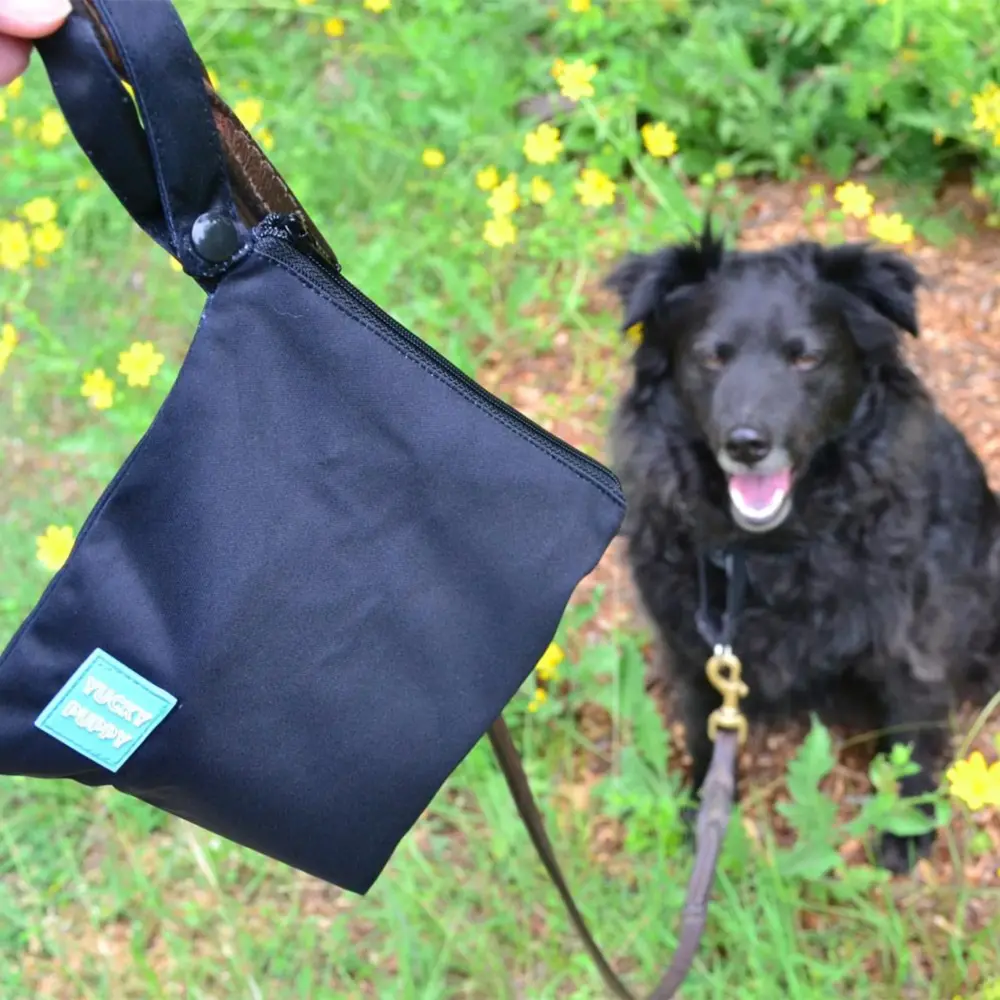
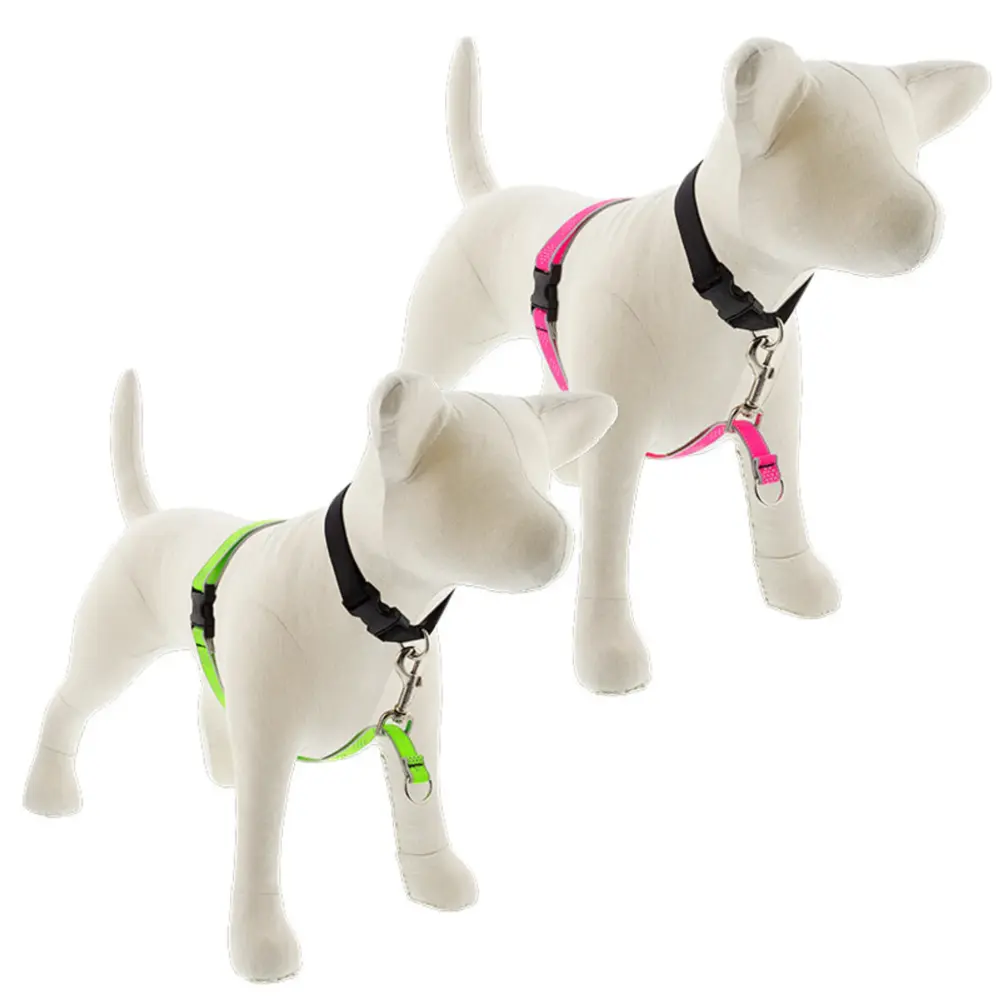
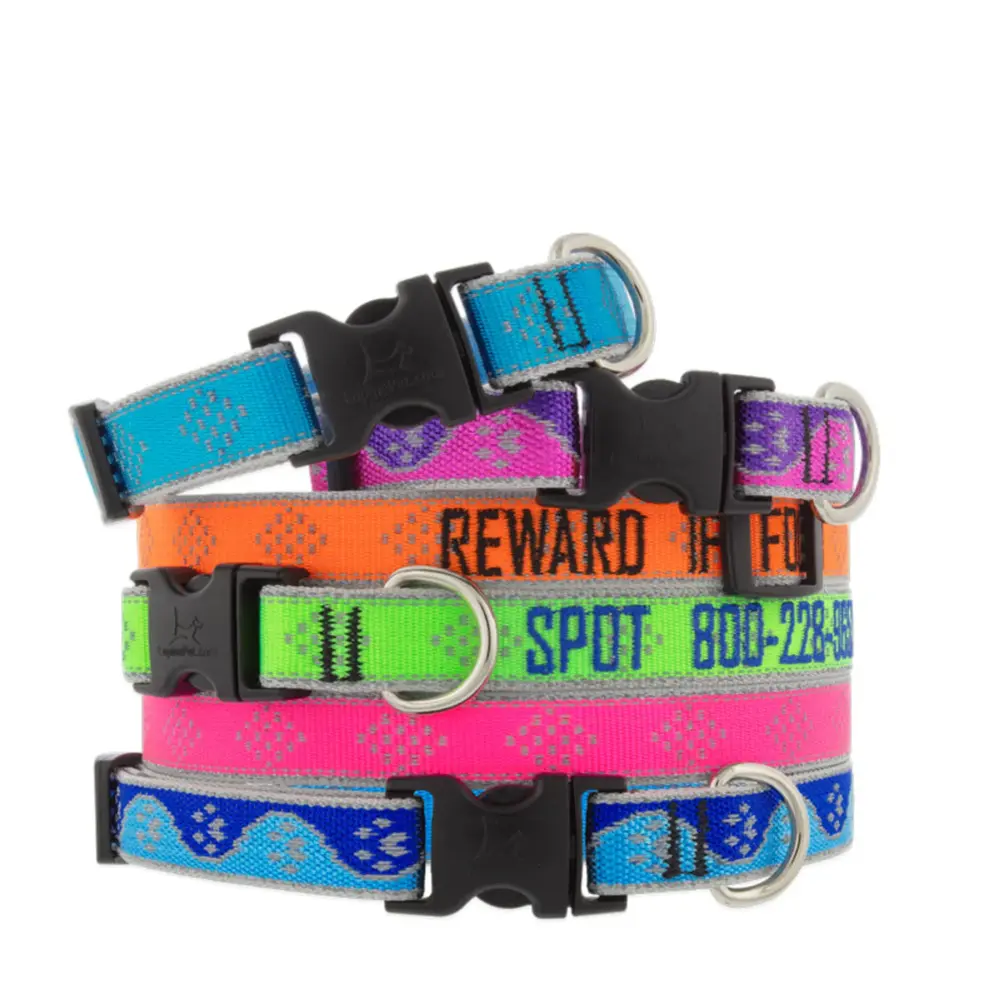
Three items we stock cover the basics. The Lupine Pet Reflective Dog Collar has reflective threads woven into the pattern, a strong D-ring for the leash and tags, and sizes for small necks; it is made in the USA. The Mr. Peanut’s PetTrek Padded Reflective Dog Harness & Leash Set pairs a padded oxford-nylon harness with a matching leash, both with reflective stitching, in XS to Large. The Yucky Puppy Waterproof Poop Bag Holder is a zippered pouch that clips to the leash and holds a full bag until you reach a bin; it comes as a set of two.
-
Lupine Pet
Reflective Dog Collar
Price range: $22.95 through $28.95
-
Mr. Peanut’s
PetTrek Padded Harness and Leash Set
Price range: $24.95 through $26.95
-
Yucky Puppy
Waterproof Poop Bag Holder
Price range: $23.95 through $24.95



Practice with the leash indoors, a few minutes at a time, before the first walk; our guide on how to leash train a puppy takes it step by step. When walks in public begin, the dog walking essentials checklist covers what else to carry, or browse more walking and training gear.
Feeding, chewing and settling
Food. Ask the breeder or shelter what your puppy eats, how much and when, and buy the same food so nothing changes on day one. Ask your veterinarian before switching foods. Keep fresh water within reach, and wash both bowls daily.
Chewing. Puppies chew to explore, and teething makes the urge stronger. Offer chew toys too big to swallow, and swap any chewed shoe or chair leg for a toy instead of scolding. Rather than putting every toy out at once, keep a few out and the rest put away, and swap them about once a week; for a puppy, that is a simple answer to how many toys a dog should have.
Settling. Puppies need a lot of sleep, and an overtired puppy often gets nippy. Build naps into the day in the crate or pen, and teach children to leave a sleeping puppy alone.
Getting home and the first vet visit
A short plan for pickup day:
- The ride home: bring a helper and a towel-lined crate or carrier secured in the back seat, not a puppy loose on a lap; our guide to getting a dog used to car rides covers the first drive home.
- Before you leave: ask when your puppy last ate, collect the records for the vet, and ask for a towel or toy that smells of the litter.
- Arrival: go to the potty spot first, reward your puppy for going, then show the puppy area.
- Visitors: keep the first few days to your household; friends can visit once your puppy has settled.
The AKC’s guide to what to expect at a puppy’s first vet visit notes that breeders generally build a vet exam, usually within three days, into their contracts, and that a prompt exam matters even more for a puppy from a rescue or shelter. Ask the clinic whether to bring a stool sample.
Your veterinarian handles the health side of this list: vaccinations, parasite prevention, portions and microchipping. Ask, too, which outings and puppy classes are safe before the vaccine series is finished; the early weeks matter for socialization, so plan safe experiences rather than waiting. Call the clinic right away if your puppy seems unwell, for example with vomiting, diarrhea, no interest in food, unusual tiredness or trouble breathing.
The first week: a simple daily routine
Your first week with a new puppy goes more smoothly when meals, potty trips, play and naps follow the same order:
- On waking, go straight outside to the potty spot, then praise and a treat.
- Breakfast, then outside again.
- A few minutes of play or practice: wearing the collar or harness, coming when called, gentle handling of paws and ears.
- A nap in the crate or pen.
- Repeat through the day, going outside after every nap, meal and play session.
- In the evening, calm play and a last potty trip just before bed.
Expect accidents. Clean them with an enzyme cleaner, which breaks down the odor that can draw a puppy back to the same spot, and never punish; take your puppy out more often instead.
Introduce everyday life calmly at home: new people, the vacuum, different floors and being picked up, all paired with treats. Keep each experience short, and if your puppy seems frightened rather than curious, back off and try again another day. For more on first walks and gear, see our walking and training guides.
New puppy FAQ
What do I need before I bring a puppy home?
The essentials are a crate or playpen, washable bedding, a collar with ID, a harness and leash, your puppy’s current food, bowls, chew toys, poop bags, enzyme cleaner and a booked vet appointment. Set it all up before pickup day.
What should I do on my puppy’s first night home?
Put the crate beside your bed for the first nights, with a towel or toy that smells of the litter, so your puppy feels less alone and you hear when they need to go out. Offer a last potty trip just before bed. If your puppy wakes and whines, keep the trip brief and boring: out, potty, praise and back to bed. Later, getting a dog to sleep in their own bed in another room comes down to moving the crate or bed a few feet at a time.
When should I take my new puppy to the vet?
Within the first few days at home, so book before pickup, and go sooner if your puppy seems unwell. That visit sets the schedule for vaccines, parasite prevention and safe outings.
How do I puppy-proof my house?
Look at each room your puppy will use from puppy height, and remove or secure anything that can be chewed, swallowed or pulled down: cords, small objects, shoes, plants, trash, chemicals and medications. Gate off stairs and off-limits rooms, and check again as your puppy grows taller and bolder.
Related guides
-
Checklist
What to Tell Your Dog Walker: A Handover Checklist
Everything a new dog walker needs on one page: where the gear lives and how it goes on, how your dog walks, leash and route rules, medications and treats, emergency contacts, the door routine, weather rules and a first walk together.
-
Guide
Walking a Dog in the City: Crowds, Crossings, Hazards and Potty Spots
Busy city sidewalks need their own habits. Learn how to keep your dog close in a crowd, teach a sit at every curb, pass doorways safely, spot glass, bones and rat bait before your dog does, and find a potty spot when grass is scarce.
-
How-to
Teaching Kids to Walk the Dog: When They’re Ready and How to Start
Your child wants to take the leash. Here’s how to tell whether your child and your dog are both ready, how to run practice walks with a backup leash, and what your child should do when the dog pulls, lunges or meets another dog.