Walking & Training How-to
Teaching Kids to Walk the Dog: When They’re Ready and How to Start
Short answer
Yes, many 10-year-olds can learn to walk the family dog, but readiness depends on your child and your dog, not age alone; a dog that pulls hard or lunges stays an adult’s job. Start with walks together, your child on the leash and you holding a slack backup leash, and hand over more as walks go smoothly.
Is your child ready? Is your dog?
No birthday makes a child ready to walk a dog. A calm 8-year-old with a small, easygoing dog may be ready before a distractible 12-year-old with a strong dog that surges at every squirrel. Check both of them.
Your child
- Follows a rule every time, even when excited. “Stop when the leash goes tight” and “stay on the sidewalk” have to hold up when a cat darts across the road.
- Can hold the dog still. In the yard, with you holding a backup leash, your child can keep the dog beside them while something exciting happens nearby. If your dog has ever pulled you off balance, it can pull your child over.
- Handles the street. Before any solo loop, your child should already be trusted to walk to a friend’s house alone. A dog adds a second set of decisions at every corner.
- Tells you what happened. “He pulled me over by the mailbox” is the news you need before the next walk, so make it safe to say.
Your dog
- Walks on a loose leash with you most of the time. A child can’t out-pull a dog that pulls, so if your own walks are a tug-of-war, that training comes first.
- Doesn’t lunge, bark or growl at dogs, people or bikes. Those walks stay with an adult, and a trainer who uses reward-based methods can help with the reactions.
- Is relaxed with strangers and children. No history of snapping or biting, and no habit of guarding things picked up off the ground.
- Is well within your child’s strength. Force matters more than size: a small dog that bolts after cats can be harder to hold than a big, placid one.
- Is comfortable on walks. A dog that limps, tires early or has changed how it walks needs your veterinarian before it needs a new walker.
Even with a gentle dog, plan on supervised walks for a long while. The CDC’s guidance on dogs and health notes that children are more likely than adults to be bitten by a dog, and that most bites to young children happen during everyday activities with dogs they know. A walk is exactly that kind of activity.
If either list has gaps, your child can still help: carrying the bag holder, handing out treats at your side or leading the dog around the yard while you hold the leash.
What your child needs for the walk
- A harness that fits. With the leash on a harness, a tug from small hands or a sudden lunge lands across the dog’s chest instead of the throat. For a dog that still surges now and then, a front clip gives a young walker more steering; see how front-clip and back-clip harnesses compare.
- A fixed 4- to 6-foot leash with a handle loop. Skip retractable leashes for children. The AKC’s advice on retractable leashes notes that the thin cord can burn or cut skin, and a dropped handle can startle a dog into running off.
- A second leash for you on practice walks, clipped to the collar or another ring and kept slack.
- A collar with ID tags, in case the leash slips out of a small hand.
- Treats in a pocket and bags in a clip-on holder, so both hands stay on the leash.
- Closed shoes with grip. No scooter, bike, skates or headphones on a dog walk.
These picks are limited to Nilosi’s catalog, and gear you already own works just as well if it fits. Check each size range before ordering; the rest of the range is in walking and training.
-
Lupine Pet
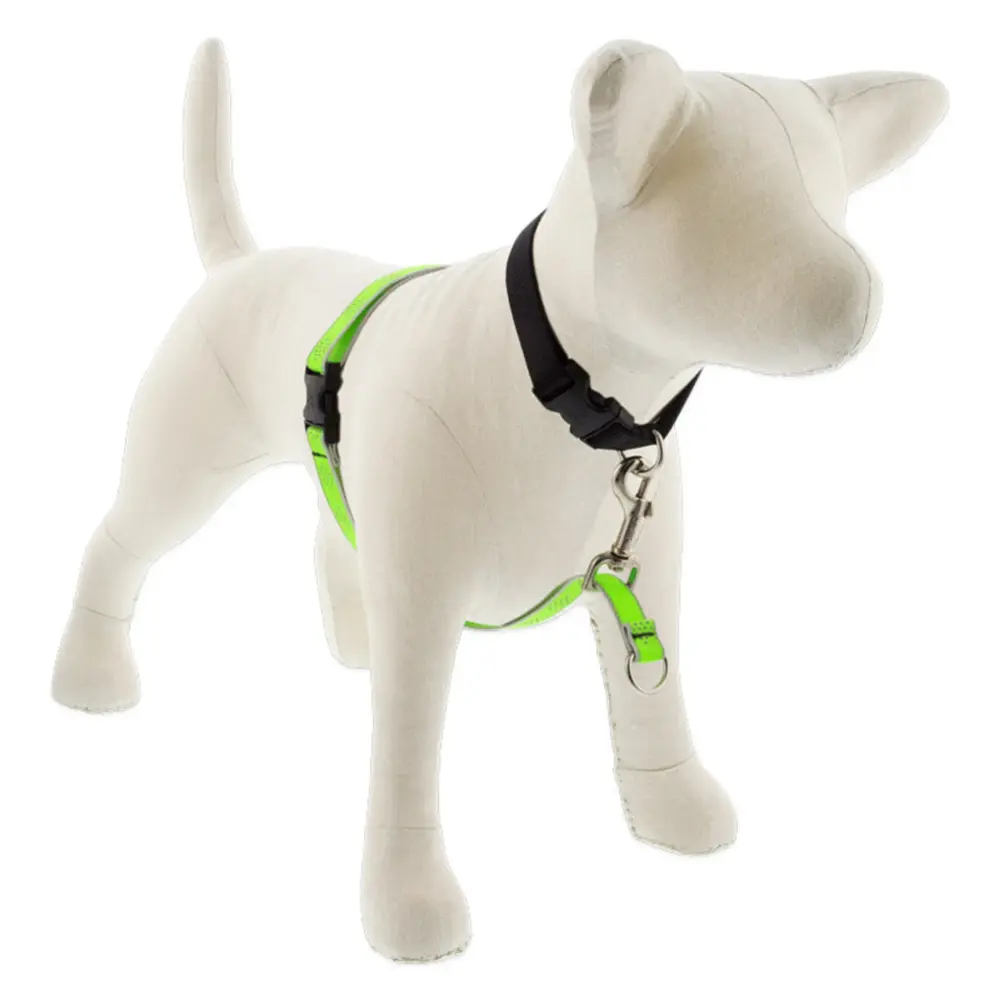
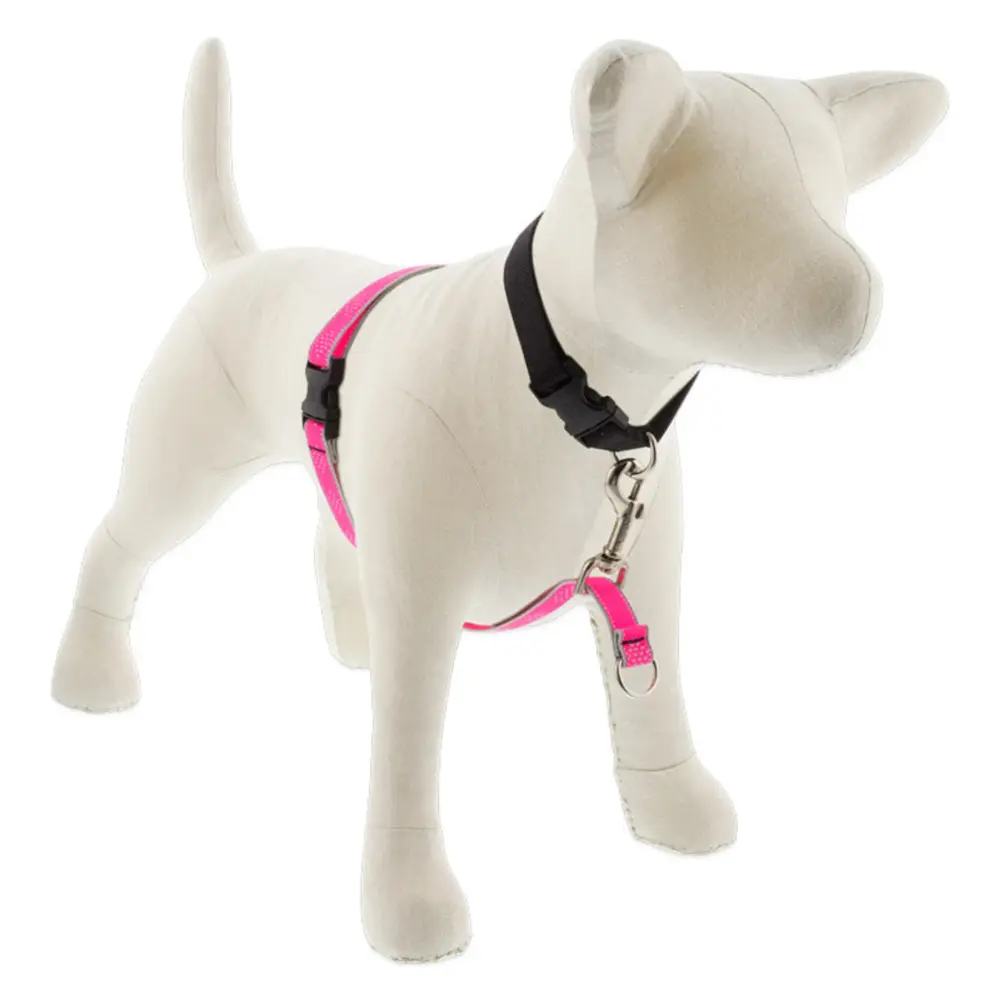
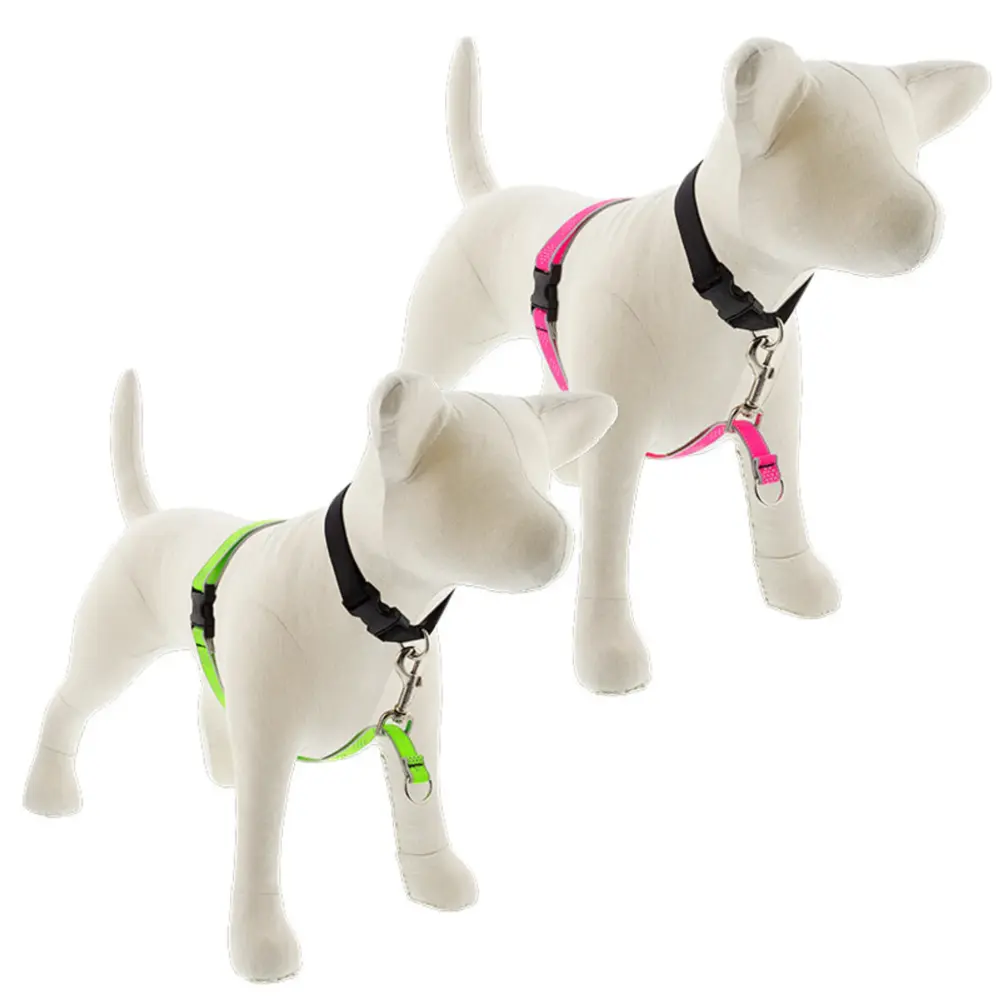
Reflective No-Pull Dog Harness, Choose size & design
Price range: $41.95 through $45.95
Why it fits: Gives a young walker more steering on a medium or large dog that still surges, turning it back toward them. Fits 16 to 38 in girths only.
-
Mr. Peanut’s
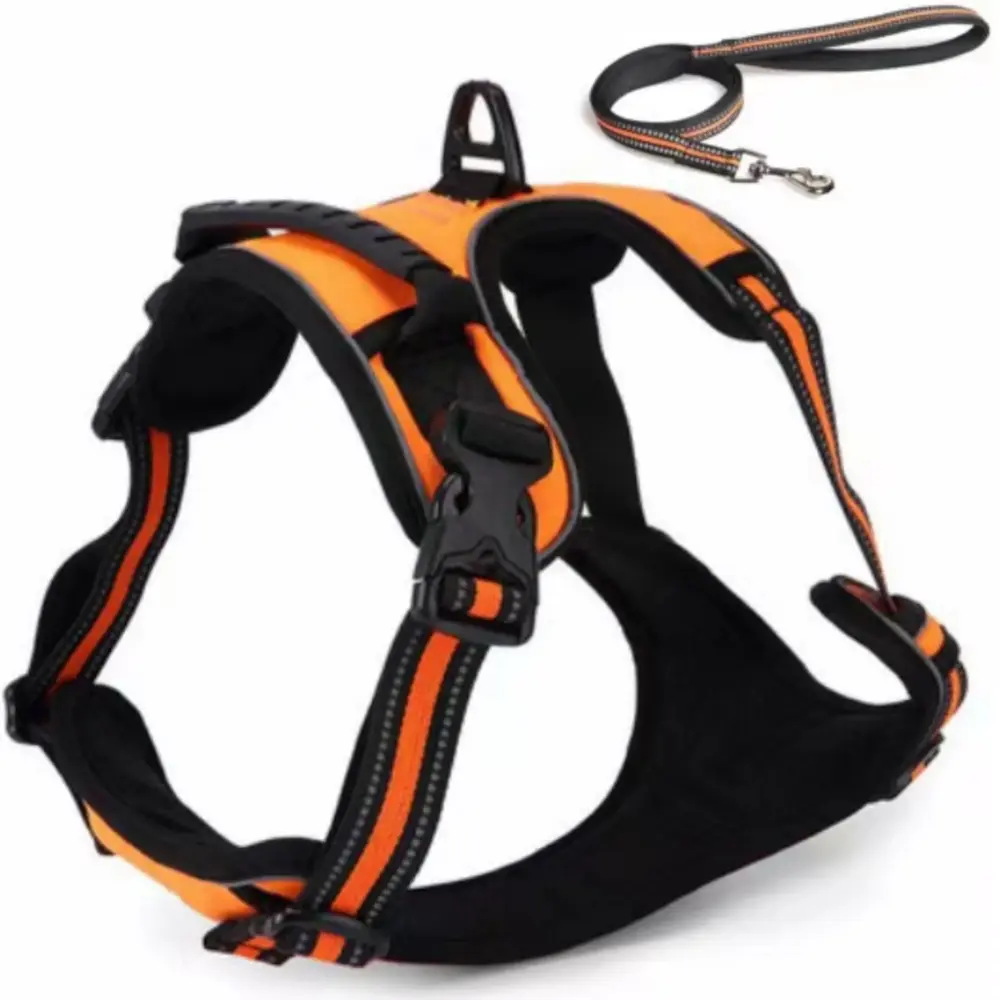
PetTrek Padded Harness and Leash Set, Choose size & color
Price range: $24.95 through $26.95
Why it fits: Keeps a tug from small hands off the neck, with a padded chest harness and a matching leash in one set. Sizes XS to Large only.
-
Lupine Pet
Reflective Dog Collar, Choose size & design
Price range: $22.95 through $28.95
Why it fits: Keeps ID tags on your dog in case the leash slips from a small hand, and the Lupine no-pull clips to it. Neck sizes 6 to 31 in.
-
Yucky Puppy
Waterproof Poop Bag Holder, Choose size
Price range: $23.95 through $24.95
Why it fits: Lets a child carry the full bag to a bin hands-free, zipped in a waterproof pouch on the leash or a belt. Set of 2, one per walker.




The grip: thumb in the loop, never around the wrist
Teach the grip indoors before the dog is even clipped on. It’s the same thumb-lock hold adults use, shown step by step in how to hold a dog leash, with a few rules that matter more for children:
- Thumb in the loop, extra folded. The handle goes over the thumb, the fist closes over it and spare leash folds into the same hand. Loops wound around a hand or wrist cinch tight when the dog pulls and can’t be opened quickly.
- Nothing tied on. The leash never gets tied or clipped to a belt, backpack, bike or stroller. A child who can’t let go can be dragged.
- Two hands, held low. The loop hand stays at the belly and the other hand holds the leash lower down. No phone, drink or ball in either one.
- One dog, one walker. Two dogs at once, or siblings sharing one leash, can wait until much later.
Safety note
Tell your child that if the dog is pulling them off their feet, opening their hand is allowed. On practice walks your backup leash covers that moment, and a dog that makes it happen isn’t ready to walk with your child alone.
Practice walks with an adult alongside
Plan on many short practice walks rather than one big handover. Each stage moves one job from you to your child:
| Stage | Your child | You |
|---|---|---|
| Walk along | Walks beside you, no leash | Hold the leash and talk through choices |
| Shared leash | Holds the leash, gives cues and treats | Hold a slack backup leash |
| Child leads | Holds the only leash | Walk alongside with hands free |
| Out ahead | Walks a few houses ahead on a known loop | Follow close enough to step in |
| Short solo | Walks a short, familiar loop alone | Agree on route, time and a check-in |
The first shared-leash walk
- Rehearse indoors. With the leash on, your child walks the dog down the hallway, practicing the grip and dropping a treat by their leg whenever the dog walks beside them.
- Teach two moves. When the leash goes tight, your child stops and plants their feet until it goes slack. When the dog locks onto something, they say a cheerful “let’s go” and turn the other way.
- Clip on your backup leash. Attach it to the collar or a second ring and keep it slack, so your child’s leash does the work.
- Set your positions. On the sidewalk, the dog walks on the side away from the road, your child walks next to the dog and you walk on the road side.
- Walk a short, quiet loop. Ten minutes on a route you both know is plenty. Point out what’s coming early: a driveway, a corner, a dog across the street.
- Let your child make the calls. They choose when to stop for a sniff and when to say “let’s go,” and you step in only for safety.
- Finish early and talk it over. End before anyone is tired, then ask what went well and what felt hard.
Move up a stage only after several walks in a row where you never needed your leash, and drop back a stage on a new route or a hard day. Teaching the dog that a loose leash is what moves the walk forward stays your job; our plan to stop a dog pulling on the leash covers it, and your child simply follows the same rules.
Mistakes that set kids back
- Changing two things at once. A new route and a new stage on the same walk makes it hard to tell what went wrong.
- Walking against the clock. A child hurrying before school drags the dog along, so rushed walks stay yours until the habit is solid.
- Taking over with a yank. If you need to step in, take up your leash quietly, walk a few steps and hand control back.
When the dog pulls, lunges or sees another dog
Go through these at home before the first walk, and quiz your child now and then. An answer practiced on the couch is the one that comes out on the sidewalk.
| Situation | Your child |
|---|---|
| Dog pulls | Stops, plants feet, waits for slack |
| Squirrel | Says “let’s go” and turns away early |
| Leashed dog | Crosses or steps aside with you |
| Loose dog | Stands still and quiet, leash short |
| Grabs trash | Calls you; never reaches into the mouth |
| Dog lunges | Hands to belly, feet wide, calls you |
| Leash drops | Doesn’t chase; calls you right away |
A loose dog running up frightens children most. The ASPCA’s dog bite prevention advice is to stay quiet and still when an unknown dog approaches rather than running or screaming. Your child keeps your dog close and leaves the rest to you; our guide on what to do when an off-leash dog approaches covers the adult’s side.
For another leashed dog, distance is the easy answer: cross the street, or step onto a driveway with your dog on the far side until the other dog has passed. Kid walks skip on-leash dog greetings altogether.
Two of these rules are about your child’s safety more than the dog’s. Even a gentle dog may guard a chicken bone it found, so your child calls you instead of reaching in. And a child running after a loose dog can drive it toward the road, so the rule is to stay put and shout for you.
Greetings: ask first, and read the dog’s signals
When someone wants to pet your dog
Your child is allowed to say no, and “Not today, thanks, we’re practicing” is plenty. If they say yes, they shorten the leash so all four paws stay on the ground, and they end the greeting the moment the dog jumps up. If another child rushes at the dog with arms out, your child steps back, keeps the dog close and calls you.
When your child wants to pet another dog
Petting someone else’s dog while holding your own brings two dogs nose to nose, so on kid walks the answer is “another time.” When your child isn’t walking a dog, the ASPCA’s steps are simple: ask the owner first, let the dog sniff a closed hand, then stroke the shoulders or chest rather than the head. VCA adds: no hugs and no face-to-face greetings, even with dogs your child knows well.
Signals that mean “give me space”
VCA’s advice on children and pets suggests teaching kids the signs of a fearful or aggressive dog:
- Frightened: shaking, ears back, tail between the legs, crouching or trying to get away.
- Warning: growling, showing teeth, barking, hair standing on end.
A wagging tail doesn’t always mean a friendly dog, the ASPCA points out. Whichever dog shows these signs, theirs or someone else’s, your child stops petting, moves calmly away with your dog and tells you. The rest of the sidewalk manners are in our dog walking etiquette guide.
Picking up after the dog
Clean-up makes a good first job, even before a child holds the leash, and it’s the part of the walk neighbors notice. A squeamish child can start as the bag carrier.
- Glove, grab, flip. Bag over the hand like a mitten, pick up, then pull the bag inside out over the pile and tie the top.
- Carry it to a bin. The bag rides in the zippered holder until a public trash can or your own bin, never a neighbor’s.
- Wash hands at home. The CDC advises washing hands after contact with dog poop, even when you use a bag.
- Report anything odd. Runny, bloody or unusual poop is something your child tells you about. Call your veterinarian about any blood, or loose stools that don’t clear up quickly.
Routes, times and when an adult takes over
Good first routes and times
- The same short loop, every time, with sidewalks the whole way and as few street crossings as possible.
- No hot spots. Leave out yards with fence-charging dogs, dog parks and stretches where dogs often run loose.
- Daylight and quiet hours, away from the school drop-off rush. Dusk and dark walks stay yours, and our dog walking essentials list covers lights and reflective gear for those.
- Mild weather. Ice, storms and hot afternoon pavement make for adult walks, whatever the stage.
When an adult takes over
- Anywhere new or busy: a vet visit, a festival, a trail, a downtown street, trash day or a school-pickup crowd.
- Any change in the dog: a new rescue in its first weeks, a dog that seems unwell, sore or unusually jumpy, or a harness that has slipped off before.
- After any incident: the dog pulled your child over, got loose or reacted to a person or dog. Go back a stage for a while.
Before a first solo loop, walk the route together many times, agree on how long it should take and what happens if your child is late, and make sure they know your phone number by heart.
Safety note
If your dog ever growls at, snaps at or bites your child, or anyone on a walk, stop kid walks for now. If your child is bitten, wash the wound well with soap and water and call their doctor. Then talk to your veterinarian, who can check your dog for pain and refer you to a qualified behavior professional.
Related guides
-
How-to
How to Wash a Dog Harness, Collar and Leash by Hand or Machine
Check the care label, then hand wash nylon webbing in warm, mildly soapy water or machine wash it in a mesh bag if the label allows. Plus leather and retractable leashes, drying without heat, smells that won’t wash out and when to replace the gear.
-
How-to
How to Walk Two Dogs at Once Without Tangles or Pulling
Two dogs, two leashes and no knots: train each dog alone first, give each one a usual side, walk at the slower dog’s pace, untangle crossed leashes safely and know what to do when one dog pulls or reacts.
-
How-to
How to Hold a Dog Leash: Grip, Slack and Which Side Your Dog Walks On
Hold the handle in a thumb lock, fold spare leash into your palm instead of wrapping it and keep a loose J of slack. Plus how to brace for a lunge, pick a side, handle a front-clip harness and practice the grip in the hallway.