How to Stop a Dog Pulling on the Leash: A Short-Session Training Plan
To stop a dog pulling on the leash, stand still the moment the leash goes tight, walk on as soon as it goes slack and reward your dog for staying by your side. Do it every time, in sessions of a few minutes, starting in a hallway and working out to real streets, until your dog learns that pulling never gets them anywhere and a loose leash does. This plan is for adult dogs with everyday pulling; for a puppy still getting used to a collar, start with how to leash train a puppy.
Short answer: make a loose leash the only thing that moves the walk forward
Teaching a dog to walk on a leash without pulling works best in four short stages, each a little harder than the last:
- Hallway reward zone, 3 to 5 minutes indoors: reward your dog for staying beside your leg.
- Stop and wait, about 5 minutes somewhere quiet outside: a tight leash means you stand still.
- Direction changes: turn away cheerfully when your dog forges ahead.
- Real streets: short trained stretches inside normal walks, with sniff breaks as the payoff.
Move up a stage when your dog spends most of a session on a loose leash, and drop back when a new place makes it fall apart. If your dog lunges, barks or growls at dogs or people, that is reactivity rather than pulling: work with a certified professional dog trainer who uses reward-based methods.
Why dogs pull, and why yanking back doesn’t fix it
A dog pulls on the leash for simple reasons: most dogs walk faster than people, and everything interesting lies ahead of them. When pulling gets them there, it is rewarded, and even pulling that pays off only now and then keeps the habit alive. That is why consistency matters more than any single technique.
Yanking the leash back doesn’t show your dog what to do instead, and leash jerks can strain the neck and throat, especially on a collar. Holding the leash tight fails too, because many dogs simply lean harder into steady pressure.
Before you start: treats, a fixed-length leash and a quiet practice spot
- Small, soft treats. Pea-sized pieces your dog can swallow in a second. Count them toward the day’s food; if your dog is on a special diet, ask your veterinarian which treats fit.
- A fixed-length leash. A standard 4- to 6-foot leash keeps the rule clear. A retractable leash pays out more line whenever your dog pulls, which rewards the habit you are trying to change. Never wrap the leash around your hand or wrist, where a sudden lunge can hurt your fingers.
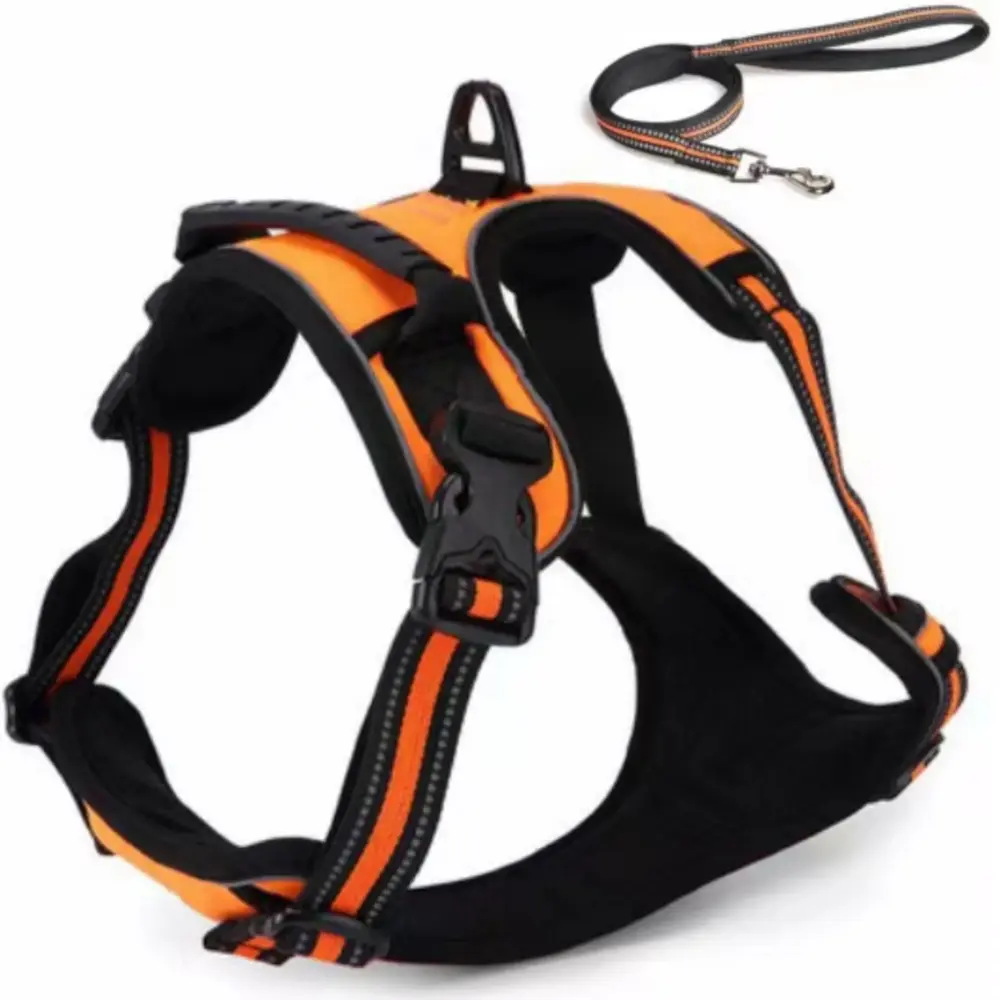
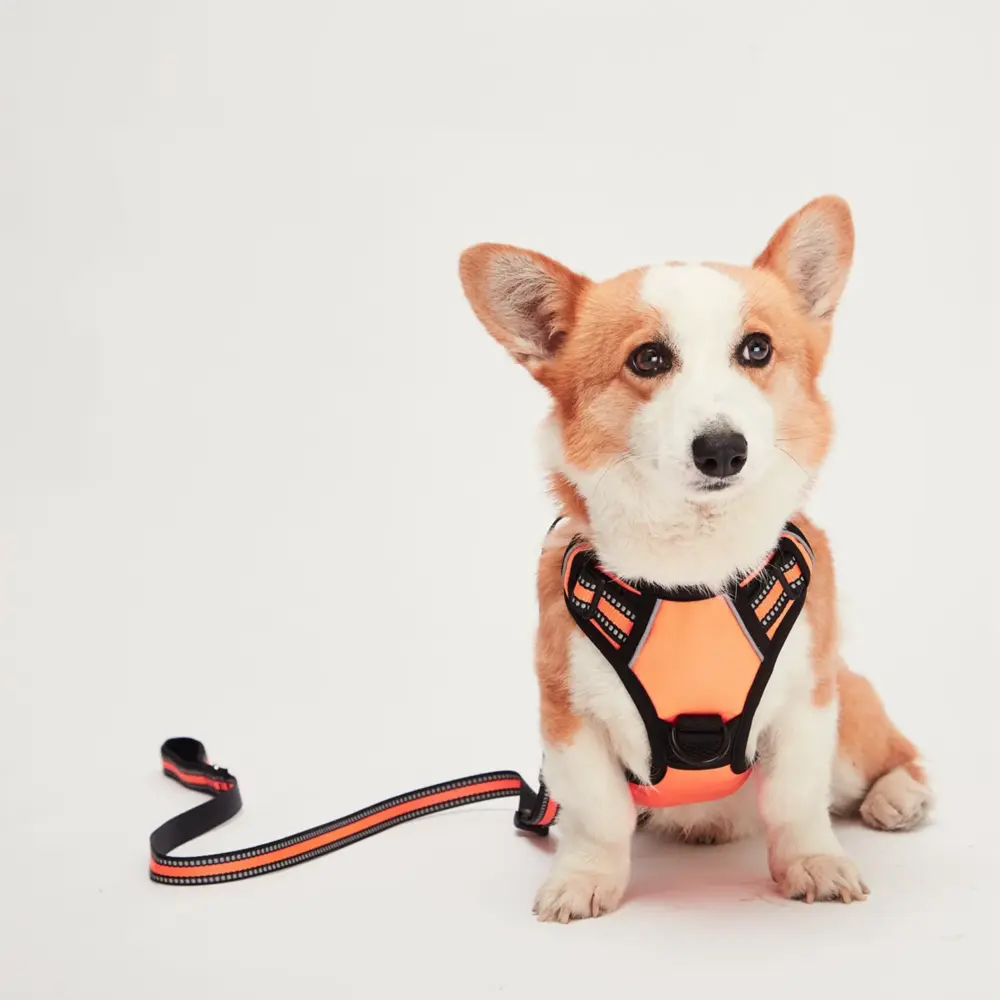
- A harness for the leash. Clipping the leash to a harness rather than a collar keeps pressure off the throat. The Mr. Peanut’s PetTrek Padded Reflective Dog Harness & Leash Set spreads pressure across the chest, comes with a matching leash and runs from XS to Large. Check how to measure a dog for a harness before you order, or browse more walking and training gear.
- A reward zone and a marker word. Pick one side and deliver every treat right beside your leg. A short, upbeat yes tells your dog the exact moment they got it right.
- A quiet practice spot. A hallway first, then a yard, driveway or empty sidewalk, ideally when your dog is a little hungry rather than just fed.
How to stop a dog pulling on the leash, step by step
Aim for one or two short sessions a day, and end each one while your dog is still keen.
Stage 1: the hallway reward zone (3 to 5 minutes)
- Clip on the leash indoors, in a hallway or clear room, with treats ready.
- Stand still. Each time your dog comes to your chosen side, say yes and drop a treat by your leg. Repeat five or six times.
- Take one step. If your dog moves with you and stays beside your leg, mark and treat. Then try two steps, then three.
- Walk the length of the hallway, marking and treating every few steps while the leash hangs in a loose curve.
- Turn at the end and come back.
Stage 2: stop and wait (about 5 minutes outside)
Stop-and-wait leash training puts the core rule to work where there is something worth pulling toward, and it is the heart of the American Kennel Club’s advice on leash pulling.
- Walk in your yard, driveway or a quiet stretch of sidewalk, still rewarding often in the reward zone.
- The moment the leash goes tight, stop. Plant your feet, keep your hand close to your body and say nothing.
- Wait. Don’t pull back or repeat cues.
- As soon as the leash slackens, because your dog glances back, steps toward you or sits, say yes and walk on. Moving forward is the reward; add a treat when your dog reaches your side.
- Do this every time the leash tightens. Expect lots of stops at first; fewer stops per session shows it is working.
Stage 3: direction changes
For a dog that will lean on a tight leash for minutes, add direction changes:
- Say let’s go cheerfully, turn and walk briskly the other way.
- When your dog catches up and reaches your side, mark and treat in the reward zone.
- Turn smoothly, and slow down if the leash tightens mid-turn so it never becomes a jerk. Mixing in U-turns and changes of pace before the leash tightens keeps your dog watching you.
Stage 4: short trained stretches on real streets
Now take the rule onto your usual route, one stretch at a time. Walk from one driveway or lamp post to the next with your full attention: stop when the leash tightens, turn when needed and reward often. Then release your dog for a sniff break and pick the next stretch.
Try quiet times of day before busy ones, and reward more often anywhere new. If your dog pulls through every stretch, go back to stop-and-wait somewhere easier.
Sniff breaks and “let’s go” as rewards
Sniffing and moving forward are rewards you control, and they make a loose leash pay off without emptying your pocket. Use treats on every trained stretch while you teach; as the habit sets in, lean on sniffing and praise, but keep a few treats for squirrels.
- Teach a release cue. After a stretch of loose-leash walking, say go sniff and walk your dog to the grass or hedge they were eyeing. Give them time to sniff properly; a rushed sniff is a poor reward.
- End it with let’s go. Say it cheerfully, step off and reward your dog for joining you, so the cue means good things rather than a tug.
- Never let pulling earn the sniff. If your dog pulls toward a smell, stop as usual, and release them to it once the leash goes slack.
Steer your dog away from trash, spilled food and anything else they might try to eat.
Where a front-clip harness fits: a management aid, not the fix
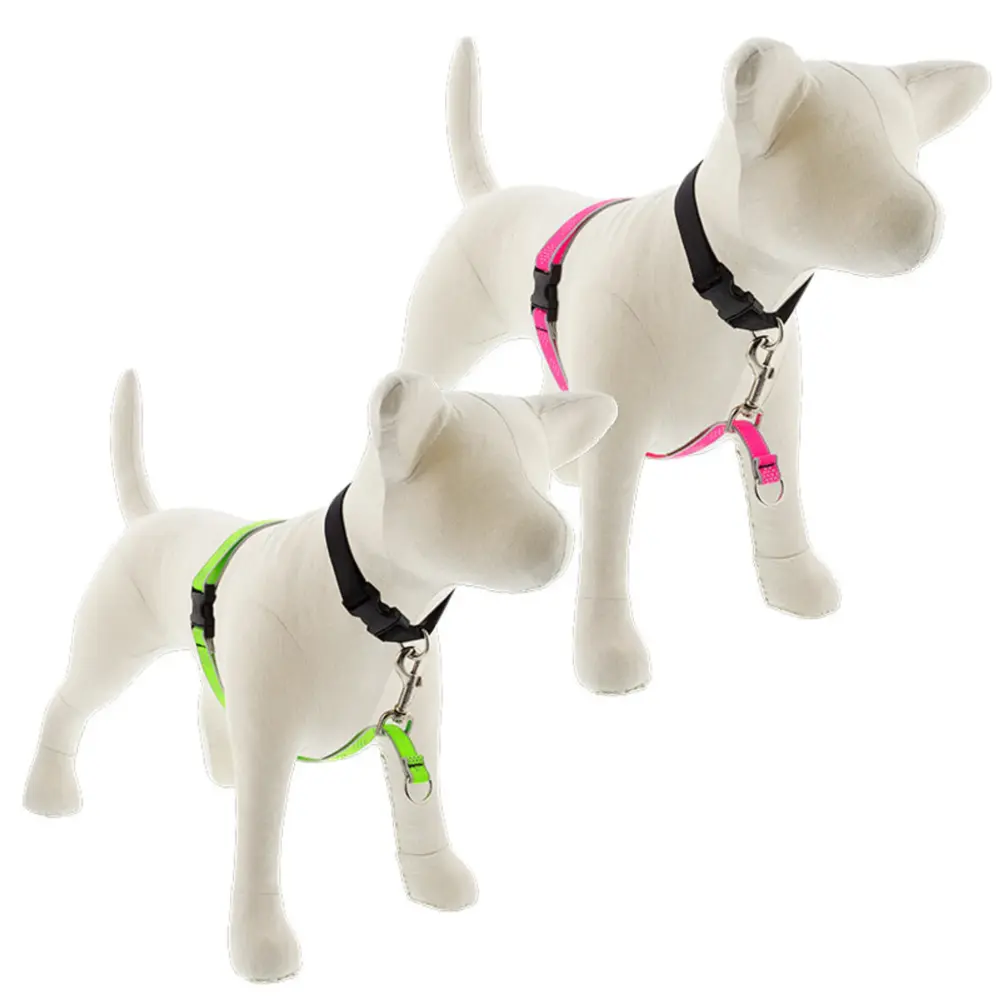
A front-clip harness can make pulling less effective while you train: with the leash at the chest, forward momentum is turned back toward you. The Lupine Pet No-Pull Harness, for example, has a front attachment, works with the collar and leash your dog already uses and comes in two girth ranges, 16–26 in and 26–38 in, sized for medium and large dogs. The harness changes how pulling feels; the stages above change what pays, so use the two together. For whether no-pull harnesses work on their own, see how front-clip and back-clip harnesses compare.
-
Mr. Peanut’s
PetTrek Padded Harness and Leash Set
Price range: $24.95 through $26.95
-
Lupine Pet
Reflective No-Pull Dog Harness
Price range: $41.95 through $45.95


Common setbacks: squirrels, other dogs and the walk home
- Squirrels, cats and birds. Say let’s go and turn away as soon as your dog spots one, before they lock on. Add distance and reward generously for looking back at you.
- Other dogs. Cross the street or curve wide, and reward your dog for looking at the other dog and then back at you. Don’t allow greetings at the end of a tight leash. Lunging, barking or growling calls for a trainer, not this plan.
- The walk home. Many dogs speed up near home. Keep the rule to the front door and reward more often on that stretch.
- Two dogs at once. Train each dog on its own first, and walk them together only once both keep a loose leash alone.
- Rushed walks. On days you can’t stop and wait, keep the walk short and use a front-clip harness if you have one. Everyone who walks your dog should follow the same rule.
- A sudden change. Pain, limping, coughing on the leash or a sudden change in how your dog walks is a reason to see your veterinarian before training continues.
For the rest of the routine, from ID tags to after-dark gear, see what to bring on every walk, or browse more of our walking and training guides.
Leash pulling FAQ
How long does it take to train a dog not to pull on the leash?
There is no fixed timeline. It depends on your dog, how long pulling has worked for them and how often you practice. Judge progress by how many stops a stretch takes, not by the calendar.
Why does my dog pull hardest at the start of a walk?
The first few minutes hold the most pent-up energy and the freshest smells. Wait at the door until the leash is slack before you open it, then do a minute of reward-zone practice in the hallway or offer an early sniff break.
Can you train an older dog not to pull?
Yes. Adult and senior dogs learn with the same stages; a long history of pulling usually just means more repetitions. Keep sessions short for an older dog, and ask your veterinarian first if stiffness or pain could be making walks harder.
Should I let my dog sniff on walks?
Yes. Sniffing is one of the main things dogs get out of a walk, which is exactly why it works as a reward. Just make every sniff break start on a loose leash.
Related guides
-
Checklist
What to Tell Your Dog Walker: A Handover Checklist
Everything a new dog walker needs on one page: where the gear lives and how it goes on, how your dog walks, leash and route rules, medications and treats, emergency contacts, the door routine, weather rules and a first walk together.
-
How-to
What to Do When an Off-Leash Dog Approaches You and Your Dog on a Walk
A loose dog is heading for you and your leashed dog. How to read its body language in seconds, walk away without running, block it with your body and a firm voice, buy time with treats or an umbrella, and what to check and report if the dogs make contact.
-
How-to
Teaching Kids to Walk the Dog: When They’re Ready and How to Start
Your child wants to take the leash. Here’s how to tell whether your child and your dog are both ready, how to run practice walks with a backup leash, and what your child should do when the dog pulls, lunges or meets another dog.