How to Get a Dog Used to Car Rides, One Short Step at a Time
To get a dog used to car rides, take the driving out of it at first. Sit together in the parked car until getting in is no big deal, then add the engine, one block, ten minutes on quiet roads and a short trip somewhere fun, moving up only while your dog stays relaxed. Drooling, vomiting or panic on most rides is a question for your veterinarian.
Short answer: make the parked car dull and pleasant before you drive anywhere
A dog that whines or balks at the car door is often reacting to what the car has meant so far, so start with car visits where nothing much happens and something good does.
- Short sessions. Two to five minutes, ending while your dog is still calm.
- No force, no scolding. Pushing a frightened dog in, or telling a whining one off, adds to the fear.
- The same setup every time. Harness on, same seat, same spot.
Why some dogs dislike the car
- Bad associations. Rides that mostly end at the vet or groomer, or a first ride away from the litter, teach a dog to expect the worst.
- Motion sickness. It is most common in puppies, whose inner-ear balance system is still developing. VCA’s guide to motion sickness in dogs notes that many outgrow it by about a year old, but the wariness can outlast the nausea.
- No settled spot. A dog that slides around a bare seat, or stands to brace at every turn, rarely relaxes.
- Getting in is hard. A high seat is a big jump for a small, young or older dog. A dog that suddenly hesitates may be sore, which is a question for your veterinarian.
A settled spot: the same place in the back every ride
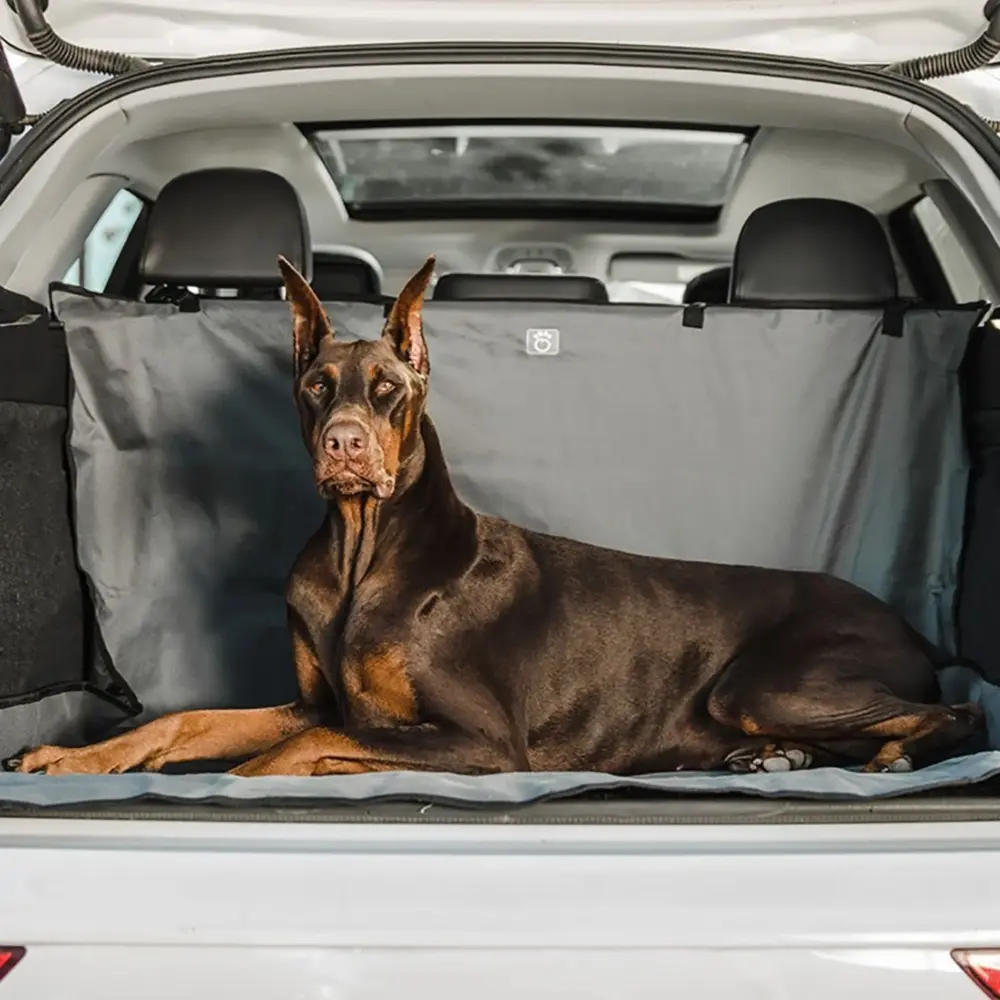
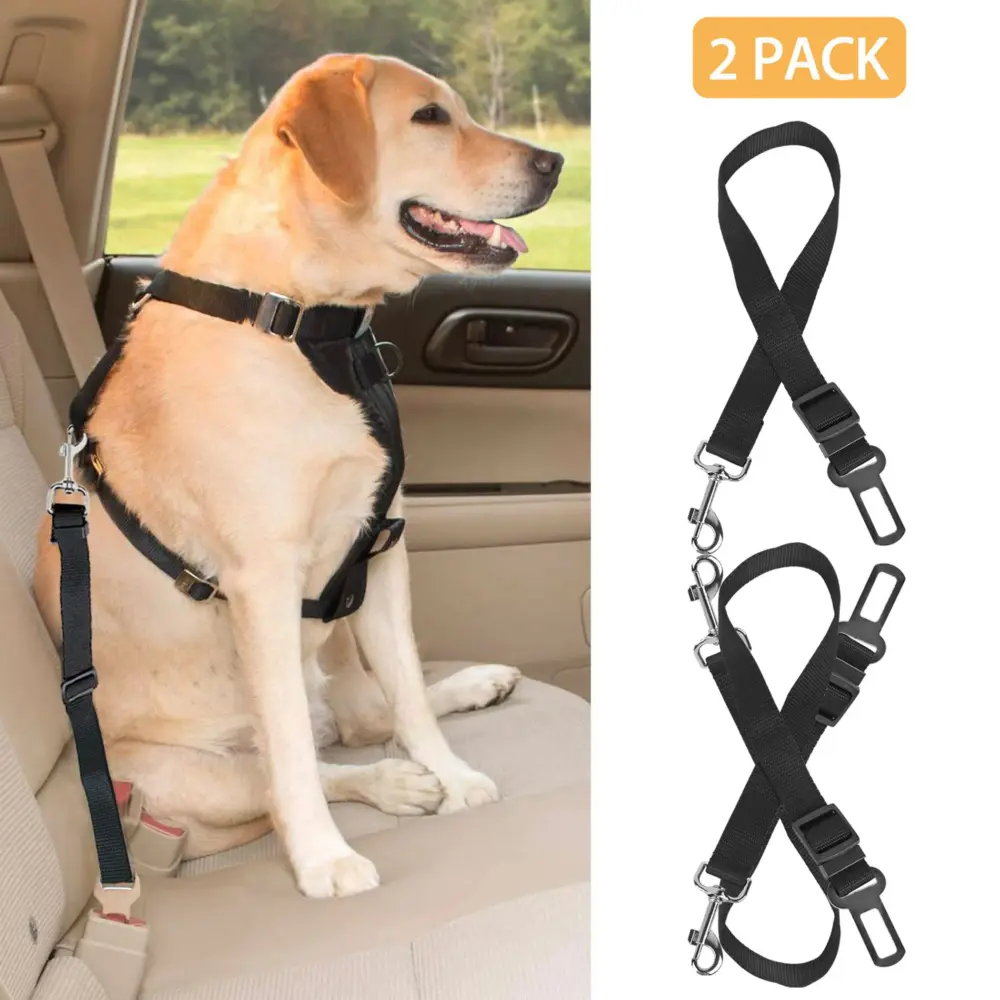
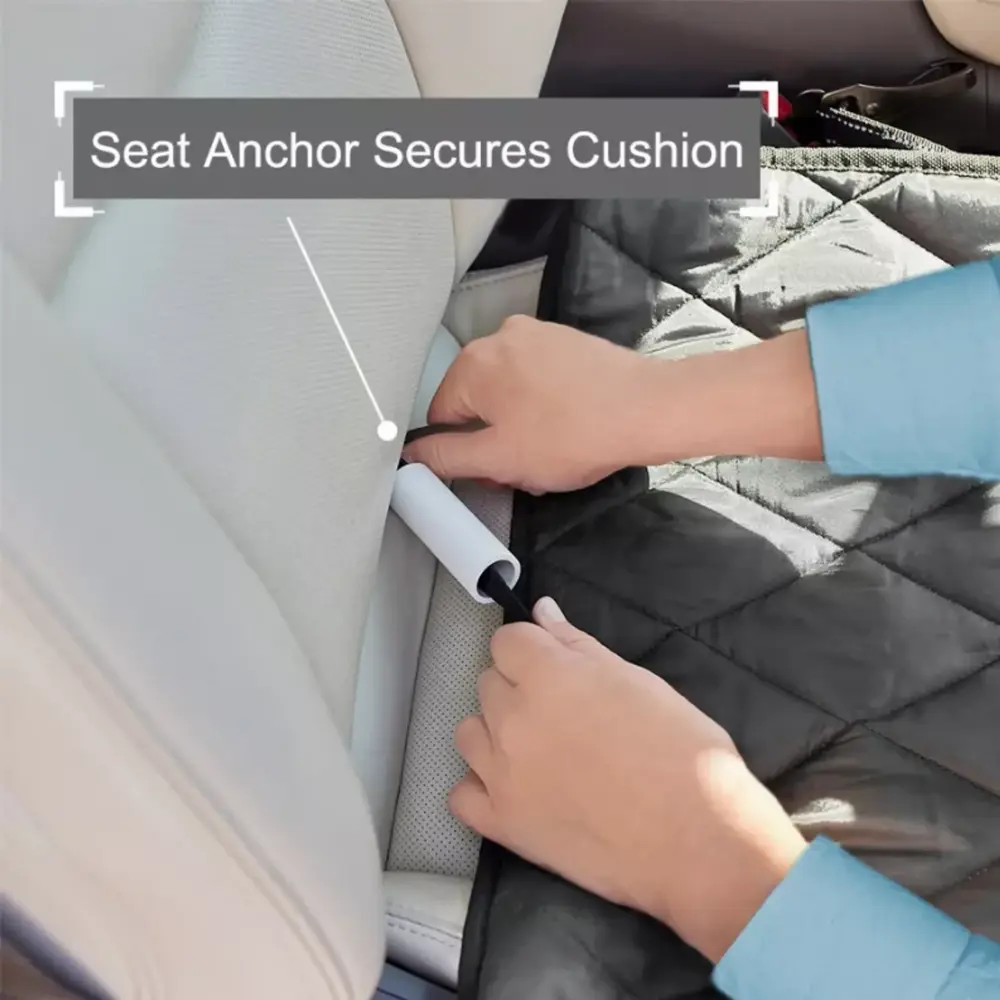
Pick one riding spot in the back seat and use it from the very first parked session: a GOOPAWS booster seat gives a small dog up to 24 lb a cushioned spot of its own at window height, a seat belt tether clipped to a harness (never a collar) limits how far your dog can wander across the seat, and a waterproof, machine-washable GF PET hammock covers the back seat, so the same familiar cover is there every ride. None of these is a crash restraint; our guide to choosing and setting up a dog seat belt or booster seat covers fit and tether length.
-
Adjustable Dog Car Seat Belt Tether
$23.95
-
GF PET
Waterproof Dog Car Hammock Seat Cover
$60.95
-
GOOPAWS
Dog Booster Car Seat with Safety Tether
$53.95

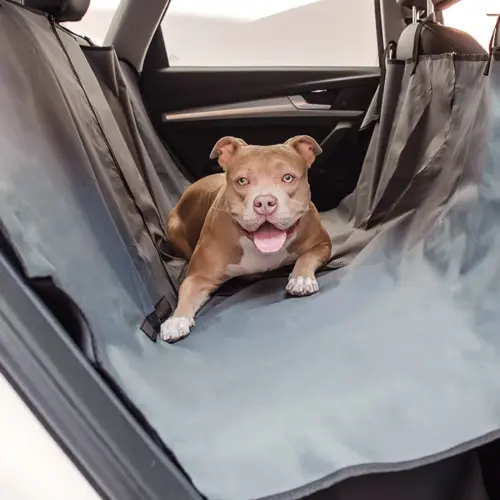
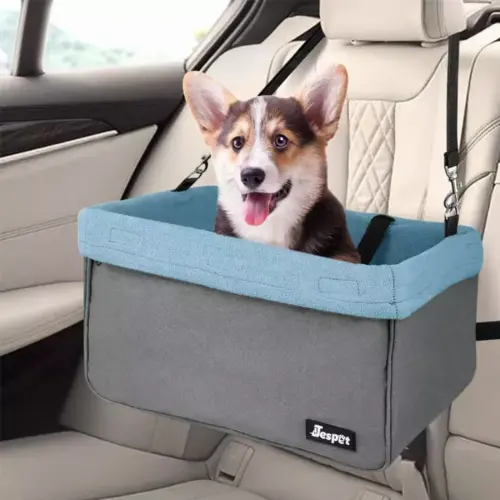
How to get a dog used to car rides, from the parked car to fun trips
Run one or two sessions a day when your dog is calm, ideally after a walk and a potty break, with small, soft treats.
- Make the open car interesting. Car parked, engine off, back door open. Drop treats beside the car, then on the sill, then on the seat, and let your dog choose to climb in. Lift a small dog in gently, and help a bigger one up rather than pulling on the leash. If your dog won’t go near the car, start by feeding treats a few steps away and close the gap over several days.
- Sit together, going nowhere. Clip the tether to your dog’s harness, or settle a small dog in the booster with its tether clipped on. Sit for two or three minutes, reward lying down, then go back inside.
- Engine on. Start it in the driveway or on the street, never in a closed garage, and idle for a minute while you reward calm. Build to a few minutes, then add quiet radio.
- One block. Roll to the end of the driveway and back. On a later day, drive slowly around a single block and go home.
- Ten minutes. Pick a quiet loop and brake, accelerate and turn gently. A helper in the back, not the driver, can hand out treats.
- A fun destination. Drive a few minutes to a place your dog enjoys, get out together, then drive home. From here, add a few minutes at a time.
When to move up a step, and when to go back
Move up after a few relaxed sessions: your dog gets in willingly, takes treats gently and lies down with a loose body. At whining, pacing, panting on a cool day, lip licking, yawning, drooling or refusing treats, end calmly and start the next session a step earlier, without scolding.
Choosing first destinations your dog will like
The first places the car goes teach your dog what the car means. Choose well and you train a dog to like car rides, not just put up with them.
- Close by. Under ten minutes away, so the good part arrives before any unease does.
- Somewhere quiet your dog gets out with you. A calm park, a trail with plenty to sniff or a friend’s yard, rather than a busy dog park. Never leave your dog alone in the parked car, whatever the weather.
- Some trips to nowhere. Now and then, drive around and come straight home, so an excitable dog learns the car doesn’t always mean a big event.
- More good trips than vet trips. Some clinics welcome a quick drop-in for a treat; ask yours.
Once your dog rides calmly for half an hour or so, our road trip with a dog checklist covers longer drives, and there are more car travel guides in the hub.
Bringing a new puppy home in the car
Bringing a puppy home in the car is often its first ride and its first time away from its littermates, so aim for the dullest drive you can manage. On a cold December pickup day, warm the car before your puppy gets in; in summer, cool it first.
What to bring
- A crate or carrier your puppy can stand up, turn around and lie down in, lined with a towel and belted into the back seat or set on the floor behind a front seat, so it can’t slide or tip. Ask the breeder or shelter for a blanket that smells of the litter.
- A helper to sit in the back beside the crate while you drive.
- A collar with an ID tag, plus a harness and leash for stops; see how to measure a dog for a harness.
- Old towels, paper towels, poop bags and wipes for accidents; how to get dog smell out of a car covers the cleanup afterward.
- A waterproof cover under the crate to save the seat; see choosing between a dog hammock and a seat cover.
On the day
- Ask the breeder or shelter when your puppy last ate. Setting off a few hours after a meal, not straight after one, is easier on a young stomach.
- Take a potty stop first, on leash, in a quiet spot at the pickup.
- Put your puppy in the crate in the back, with your helper alongside. Never let a puppy ride loose, up front, on a lap or tethered by its collar.
- Drive smoothly and keep the car quiet. Expect some crying: your helper can talk softly, but the puppy stays in the crate while you’re moving.
- On longer drives, clip the leash on before the door opens at each stop. Until your puppy’s vaccinations are complete, skip rest-stop pet areas that many dogs use, and ask your veterinarian where to set your puppy down.
- At home, carry your puppy straight to the potty spot.
Give your puppy a few days to settle, then get your puppy used to car rides with the plan above, from Step 1. For the rest of your pickup-day prep, see our new puppy checklist.
Signs of motion sickness or panic: when to call your veterinarian
Motion sickness and fear can look alike, and one often feeds the other.
- Motion sickness: yawning, lip licking, drooling, restlessness or whining, going very still and quiet, and vomiting.
- Panic: heavy panting, trembling, trying to climb out, howling, or losing control of the bladder or bowels.
If your dog is sick or panicking, pull over somewhere safe, clip the leash on before you open the door, take a short walk and start a step back next time. The AKC’s advice on keeping your dog comfortable during car rides suggests feeding several hours before a trip, a forward-facing spot and a comfortable temperature.
Call your veterinarian if:
- your dog vomits or drools heavily on most rides, even short ones;
- panic doesn’t ease with smaller steps, or gets worse;
- a dog that used to ride happily suddenly refuses the car or seems sore getting in;
- vomiting or diarrhea continues after the ride.
Your veterinarian can look for a medical cause and talk you through the options, including a referral to a veterinary behaviorist for a dog that panics.
Car ride FAQ
How long does it take for a dog to get used to car rides?
It depends on the dog and the starting point, but many nervous dogs do learn to ride calmly. A curious puppy may get through the steps in days, while a dog already scared of car rides can spend weeks on the parked stages alone. Short, regular sessions matter more than the calendar.
Should a puppy ride in a crate in the car?
Usually, yes. For the ride home and the first few weeks, a secured crate or carrier in the back seat is usually simplest, because it works before your puppy is used to a harness. Later, a booster suits small dogs up to 24 lb that wear a harness comfortably and like to see out.
Why does my dog shake in the car?
Fear, excitement, nausea and cold can all cause shaking. A tucked tail and wide eyes point to worry, while drooling and lip licking point to an upset stomach. Go back a step in training, and call your veterinarian if the shaking comes with vomiting or doesn’t ease over time.
How can I calm my dog in the car?
Go back to the last step where your dog was relaxed, keep the car cool with a window open an inch or two, and drive smoothly. Reward settling with small treats, and save long-lasting chews for parked sessions where you can watch. A dog that refuses a favorite treat is telling you the step is too hard.
Related guides
-
Comparison
Cargo Liner vs Back Seat Cover: Where Should Your Dog Ride?
Where your dog rides decides which cover you need, and the two are not interchangeable. This comparison covers coverage, fitting, belt slits and cleaning, and is clear about what a cover does not do.
-
How-to
Traveling With Two Dogs in the Car: Seats, Tethers, Loading and Stops
How to set up one back seat for two dogs: a seat each with a gap between, tethers short enough that the dogs can't reach each other or tangle, a booster for a small dog beside a big one, which dog loads first, rest stops on two leashes and what to do if they squabble.
-
Guide
How to Travel With a Dog in a Pickup Truck: In the Cab, Not the Bed
Your dog rides in the cab, never the open bed. See where a dog sits in a crew, extended or regular cab, how to tether and cover truck seats, how to get in and out of a tall cab, and why a parked truck is no place to wait.