Car Travel Checklist
Moving With a Dog: Weeks Before, Moving Day and Settling In
Short answer
Update the ID tag and microchip record weeks ahead, and keep walks, meals and the familiar bed unchanged while you pack. On moving day, keep your dog at a friend’s house or behind a closed, signed door. At the new home, check the house and yard first, then build up leash walks and time alone slowly.
Most of the danger in a move sits in a few predictable moments: a front door propped open for the movers, a car left in the driveway during unloading, a yard nobody has checked yet. The rest, from boxes to new smells and a changed schedule, is unsettling rather than dangerous. Moving a cat as well? Our guide to helping a cat adjust to a new home covers the cat’s side.
Moving with a dog checklist at a glance
| When | The main jobs |
|---|---|
| Weeks before | Tag, microchip, records, a new vet |
| While packing | Same routine, the bed packed last |
| Moving day | A friend’s house or a closed room |
| The drive | Harness and tether, never left alone |
| Arrival | House and yard checks, then a leash tour |
| First weeks | Leash walks and short absences |
Weeks before the move: ID and records
- An ID tag with a cell number you’ll answer on moving day; if the current tag shows an old address or a landline, order a new one now
- A collar that fits snugly, with two fingers’ room underneath, so it can’t slip over the head in a scramble
- The microchip registry updated with your new address and phone number, plus a second contact if it allows one
- Copies of vaccination records and the rabies certificate from your current vet, on paper and on your phone
- Enough of any regular medication to cover the move and the weeks before you see a new vet
- A new veterinarian near the new home, and the nearest 24-hour emergency clinic saved in your phone
- The rules at the new address: dog licensing, leash laws and any lease or HOA pet terms
- Leash walks starting now if your dog is used to a yard, and calm outings to busy places if you’re moving to a city
- Short practice drives, if your dog rarely rides in the car
Why the tag comes first. A dog who slips out during a move is loose in the place they know least, and whoever finds them can read a tag on the spot. The microchip is the backup, and it helps only if the registry has your current details; if you’re not sure which registry holds it, your veterinarian can scan the chip. Our guide on how to choose a dog collar covers what to engrave and what to leave off the tag.
Why the paperwork matters. The AKC’s advice on moving with a dog suggests transferring medical records, filling prescriptions before you go and checking the licensing and leash laws where you’re headed.
Moving to another state? USDA APHIS explains that the state you move to sets the entry rules for pets, which can include a health certificate, updated vaccinations, testing or treatments. Ask your vet as soon as you know your dates. Hawaii requires a passing rabies blood test followed by a waiting period of at least 30 days, and lab results can take a month or two, so start months ahead for a move there.
Buying a new collar or harness? Order it a few weeks ahead, allowing for delivery time, so your dog is used to it by moving day.
-
Lupine Pet
Reflective Dog Collar, Choose size & design
Price range: $22.95 through $28.95
Why it fits: Holds the new ID tag through the move and after, with a strong D-ring for tag and leash and woven reflective threads for dusk walks.
-
Mr. Peanut’s
PetTrek Padded Harness and Leash Set, Choose size & color
Price range: $24.95 through $26.95
Why it fits: A padded harness to clip the car tether to, sold with a matching leash. Four sizes, XS to L; measure the chest before ordering.


While you pack: keep the routine and the bed
- Walks, meals and bedtime at the usual times, even on the busiest packing days
- Boxes brought in a few at a time, early, so they’re old news by the last week
- Packing done while your dog is out with a sitter or friend, or busy with a stuffed chew or a lick mat
- Tape, bubble wrap, packing peanuts and box cutters kept off the floor
- Your dog’s bed, blankets and favorite toys packed last, and not washed that week
- A separate dog bag that rides in your car: food for several days, the scoop, bowls, medications, records, leash, poop bags, a towel, a chew and the bed
- A plan for house showings if you’re selling: a long walk, daycare or a friend’s house
Why the bed goes last. VCA’s guide to moving with your dog suggests keeping the familiar bed and blankets out until your dog is loaded into the car. Their smell of home is exactly what you want in the new house on the first night.
Why the dog bag rides with you. The truck may arrive hours after you do, or not until the following morning. Everything your dog needs for the first night and morning should be in your car, not in a box marked “kitchen.”
-
SodaPup
Jigsaw Enrichment Lick Mat for Dogs & Cats, Choose color
$25.95
Why it fits: A calm job while you pack or unpack nearby; spread soft food in the grooves, stay in the room and pick the mat up once the food is gone.
-
Flipo
Fold-A-Bowl Dog Water Bottle with Fold-Out Bowl, Choose color
$28.95
Why it fits: Water for the drive and first hours from the dog bag: a 26 oz bottle whose cover folds into a bowl, plus a wrist strap for leash stops.


Moving day: a closed room or a friend’s house
Doors stand open for hours, strangers carry furniture past and everyone is busy. The ASPCA’s advice on moving with your pet gives two options: a friend’s house, or a quiet room with the door shut, ideally one you plan to pack up last. A day away with a friend, sitter, daycare or kennel your dog knows is the simpler choice. If your dog stays home:
- A long walk before the truck arrives
- Collar and tag on all day, with the leash hung by the door you’ll leave through
- The quietest room, emptied last, with water and the bed inside
- A sign at eye level on that door: “Dog inside, keep closed”
- A crate inside the room only if your dog is already crate-trained
- One person in charge of the dog, who checks on them between loads and takes them out for potty breaks on leash
- When the last room is emptied, your dog leashed and loaded into your car right before you drive off
Tip
Tell each mover about the closed door as they arrive, since someone carrying a box may not stop to read a sign. If your dog does get out, our checklist for what to do if your dog or cat is lost covers the first hour.
The drive to the new home
- Your dog rides with you, in your car, never in the moving truck or a trailer
- A harness with a seat belt tether clipped to it, never to the collar, or a crate secured so it can’t slide
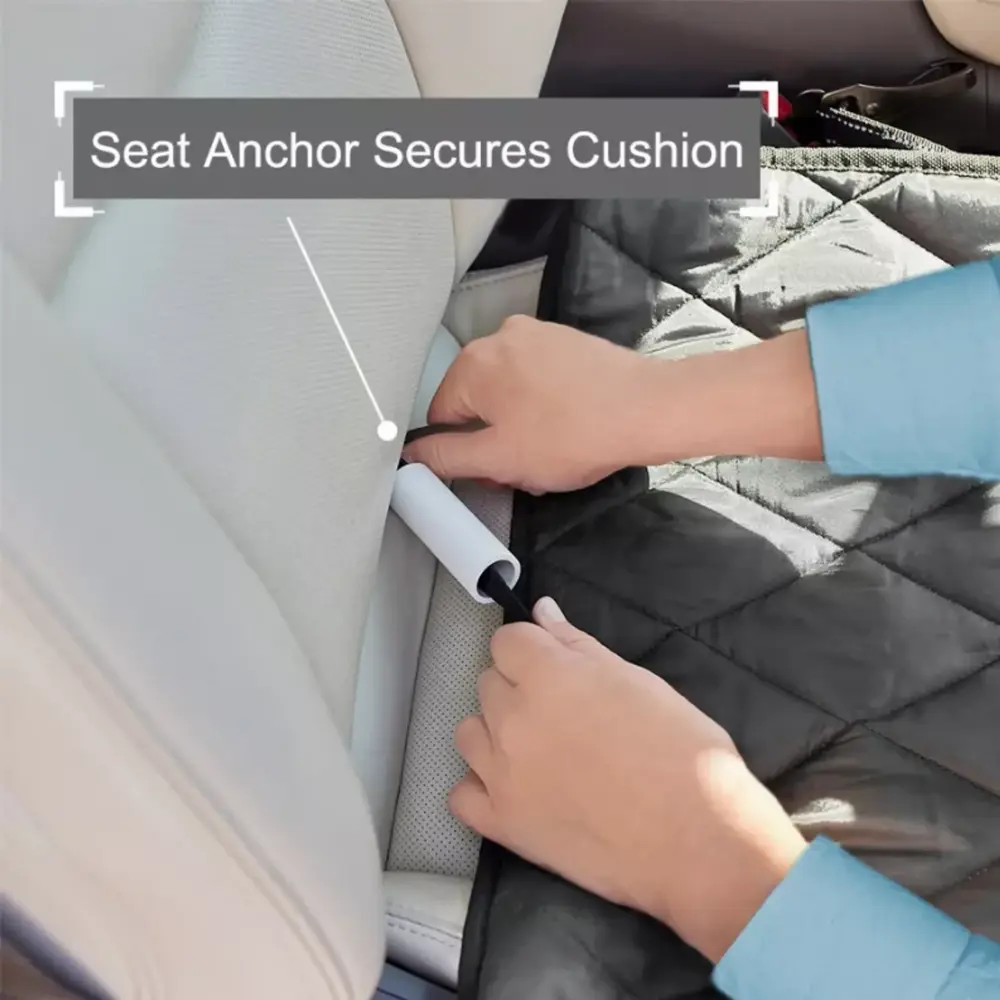
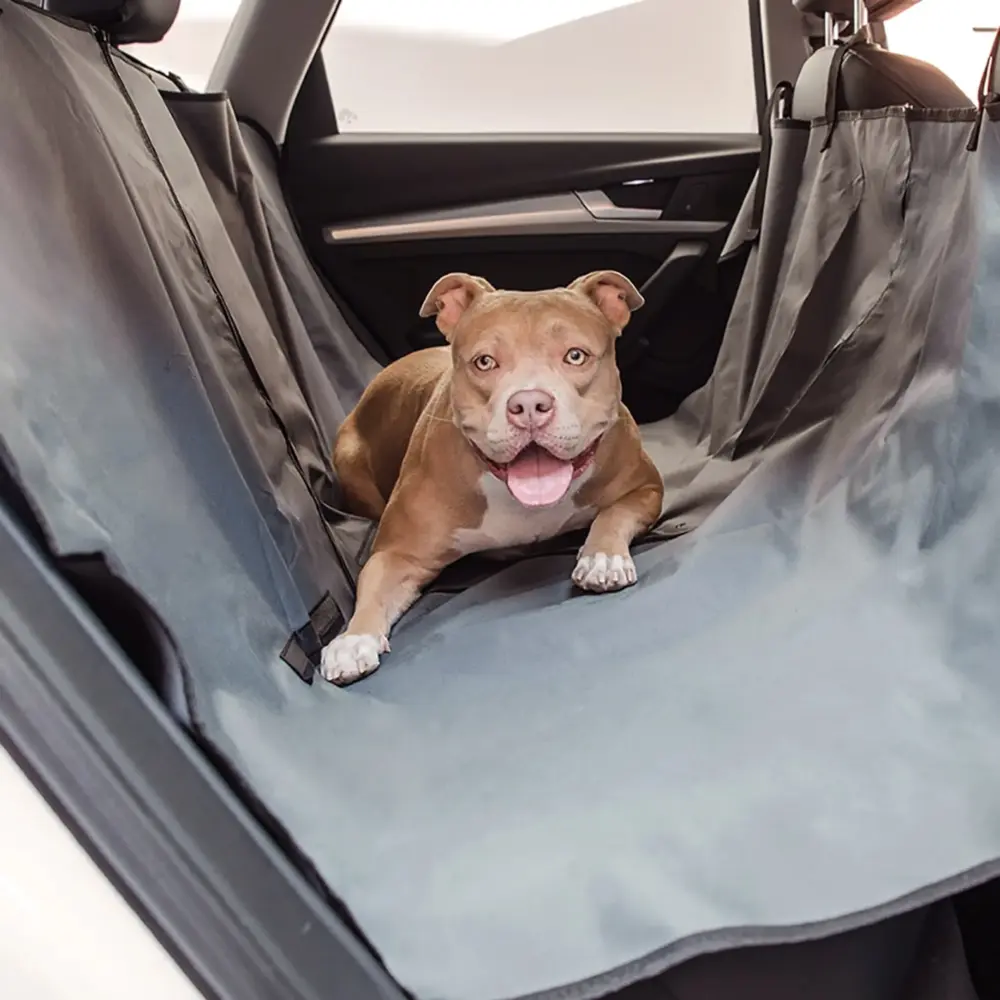
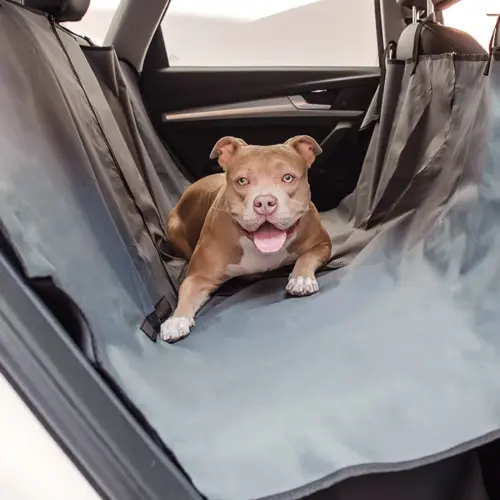
- A washable hammock or seat cover for hair and muddy paws, which protects the seats but restrains nothing
- The dog bag within reach and the leash in a door pocket, so a stop doesn’t mean digging through boxes
- For a long move, a pet-friendly room booked ahead for any overnight stop
A tether limits how far your dog can roam in the back seat and keeps them out of the front, but it isn’t crash protection. For a drive of a day or more, our road trip with a dog checklist covers setting the tether length, feeding before the drive, the routine at each stop and a clean-up kit.
Safety note
Never leave your dog alone in the parked car while you load or unload, even for a few minutes or with the windows down. A car heats up fast, and unloading always takes longer than planned. If your dog can’t be with a person, they belong behind the closed door, not in the driveway.
-
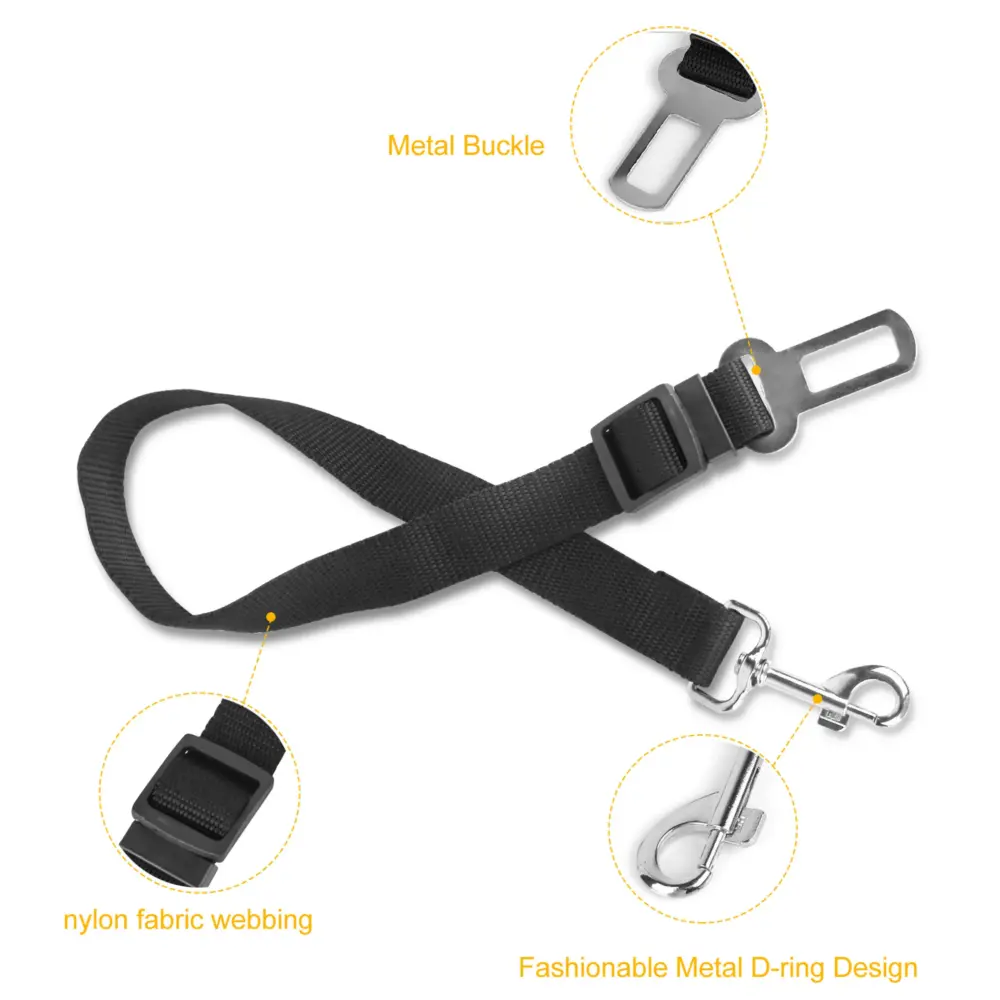
Adjustable Dog Car Seat Belt Tether, View product
$23.95
Why it fits: Keeps your dog on the back seat for the drive; clip it to the harness, never the collar. Two in the pack, for two dogs or two cars.
-
GF PET
Waterproof Dog Car Hammock Seat Cover, View product
$60.95
Why it fits: Protects the back seat on a long moving drive, covering bench and seat backs, with seat-belt openings that keep buckles free. 58 x 57 in.

Arriving: check the house and yard first
The house was set up for its last owners, not your dog, and moving day adds boxes, tools and open doors. Check it before your dog explores:
- Pick one quiet room for your dog. Check its windows and floor, then set out water and the bed from home.
- Bring your dog in on leash, straight to that room. Shut the door and put up the same sign while the unloading goes on.
- Walk the rest of the house and the yard with the checks below, before your dog goes anywhere else.
- Once the truck has gone, give your dog a slow tour on leash, room by room, with a treat in each.
- Show them their bed, water and food bowl, set up in spots like the ones they had before.
- Take your dog to the spot you want them to use outside, and go back there often in the first days.
Inside the house
- Window screens that are secure and in place
- Electrical cords tucked away, and gaps behind appliances or under cabinets blocked
- No pest-control bait or traps left by the previous owners, including in the garage and under sinks
- Houseplants you aren’t sure about moved out of reach until you check them against the ASPCA’s list of plants toxic to dogs
- Screws, nails and packing materials picked up from the floors after the furniture goes in
- Exterior doors that close fully, and stair gates in place if your dog needs them
The yard
- The whole fence line walked: gaps underneath, loose boards and broken wire
- Every gate opened and closed, to check it latches on its own
- Nothing stacked against the fence that a dog could climb, such as a woodpile or bins
- Pools, ponds and drop-offs found and closed off
- Old dog waste, food scraps or trash from the last owners cleared
- Lawn, garden and pool chemicals left in the shed or garage put out of reach
The first four inside checks are from the ASPCA’s list; the fence check is the AKC’s. If you think your dog has eaten bait, a plant or a chemical, call your veterinarian or the ASPCA Animal Poison Control Center at (888) 426-4435 right away; a consultation fee may apply. Some dogs have a few housetraining slips in a new home, even reliable ones: take them out after meals, naps and play, clean accidents with an enzyme cleaner and don’t scold. If painters or contractors are still finishing the new place, our home renovation with pets checklist covers the dust, fumes and open doors.
The first weeks: walks and time alone
- Every walk on leash, at the usual times, starting with short loops and adding a street at a time
- Yard time supervised for the first days, even inside a fence you’ve checked
- The same food, bowls and mealtimes
- The bed in a quiet spot near the family, out of drafts, where it can stay for good
- Collar and tag kept on indoors, since doors and gates are still new to everyone
- Time alone kept short at first, and built up slowly
- A first appointment with the new vet, with the records sent over
Why time alone waits. VCA advises not leaving your dog alone in the new home for at least one to two weeks. Then start after a walk and a meal, when your dog would usually rest. The ASPCA suggests a food-stuffed puzzle toy as you leave, picked up when you return; use one your dog already handles safely alone. Step out for a few minutes, come back calmly, and lengthen absences only while your dog stays relaxed.
How long settling takes, and when to get help
VCA notes that most dogs relax within a few days, though a bigger change, such as a large house to a small one or the city to the country, can take longer. Until then, some unsettled behavior is normal: pacing, panting, whining at night, sticking close to you or skipping dinner on the first evening. If nights are restless, our guide to getting a dog to sleep in their own bed covers bed placement and a bedtime routine. Get help if you see:
- Distress when left alone. The ASPCA notes that moving to a new residence can trigger separation anxiety. Watch for accidents, constant barking or howling, chewing or digging at doors and windows, and escape attempts that happen only when your dog is alone.
- Changes in eating or health. If your dog refuses food for a day, vomits, has diarrhea or seems low on energy, call your veterinarian, and sooner for a puppy, a senior or a dog with a health condition.
- Accidents that don’t ease. Ongoing slips in a dog who was reliably trained are worth a vet visit to rule out a medical cause.
- Fear that grows. Hiding, trembling or barking at new noises that gets worse rather than better after the first week.
Don’t punish anxious behavior; it’s distress, not spite. Your veterinarian can check for medical causes and refer you to a board-certified veterinary behaviorist or a certified applied animal behaviorist, and any medication should come only on their advice.
What to skip
- New bedding or a new crate in moving week. The old ones smell of home; anything new, like a harness for the car, belongs weeks earlier.
- A food change during the move. If you plan to switch, do it gradually once the routine is back.
- A first try of a calming product on moving day. VCA mentions pheromone diffusers for moves; ask your vet, and test any product weeks ahead so you know how your dog responds.
- The dog park in the first weeks. A crowd of unfamiliar dogs is a lot to add to a move, and your dog’s recall hasn’t been tested somewhere new.
The gear for the drive is in our travel and car accessories, and collars and harnesses are in walking and training.
Related guides
-
Guide
How to Travel With a Dog in a Pickup Truck: In the Cab, Not the Bed
Your dog rides in the cab, never the open bed. See where a dog sits in a crew, extended or regular cab, how to tether and cover truck seats, how to get in and out of a tall cab, and why a parked truck is no place to wait.
-
Checklist
Winter Hiking With a Dog: Checklist for Cold, Ice and Short Days
A winter trail-day checklist: plan a shorter, sheltered route around daylight, keep your dog leashed and off frozen water, pack water that won't freeze and a coat for dogs who feel the cold, check paws for ice balls and salt, and know when to turn back.
-
Checklist
Traveling With a Senior Dog in the Car: A Checklist for Easier Rides
A car-trip checklist for an older dog: what to ask your veterinarian before a long drive, how to help a stiff dog in and out without a jump, a padded, secured spot in the back seat, hot and cold cars, more frequent stops, and the medications and records to keep in the cabin.