Car Travel Comparison
Dog Boarding vs a Pet Sitter: Which Is Better While You Travel?
Short answer
A pet sitter in your home suits homebodies, older dogs and dogs stressed by other dogs, because their bed and routine stay the same. Boarding suits a sociable dog who enjoys company, veterinary boarding suits complex medical needs, and a dog who can’t be left alone needs an overnight sitter or boarding. Book a trial before the week away.
VCA’s overview of pet care options while you travel describes four choices: a sitter who looks after your dog in your own home, in-home boarding at the sitter’s house, a boarding kennel, and boarding at a veterinary hospital. None of them is right for every dog. What decides it is how your dog copes with a new place, with other dogs and with hours on their own.
Once you’ve chosen, what to pack for dog boarding covers the bag. If your dog is coming along instead, start with the road trip with a dog checklist.
Boarding vs a pet sitter at a glance
Here is how the four compare on the things that shape your dog’s week. Prices vary too much by area and number of visits to tabulate; the one cost point VCA makes is that a stay at the sitter’s home may cost less than having the sitter stay at yours.
| Option | Routine | Other dogs | Nights | Medical needs |
|---|---|---|---|---|
| Sitter at home | Unchanged: own bed and schedule | None, so the least germ exposure | Alone unless the sitter stays over | Pills and simple care |
| Sitter’s house | New house, home-style days | Sitter’s pets, maybe other guests | Sitter usually in the house | Simple meds, if agreed ahead |
| Kennel | The facility’s schedule | Many dogs; play groups if offered | Ask who is on site overnight | Ask about meds and vet access |
| Vet boarding | Hospital schedule | Other boarders and patients | Ask who checks on boarders | Monitoring and daily therapy |
The pattern is a trade. Staying home keeps the routine and keeps other dogs away, but unless the sitter sleeps over, your dog spends the gaps between visits alone. Boarding swaps the familiar house for company, more people around and more contact with other dogs.
A pet sitter in your home
A sitter comes to your house, either for drop-in visits through the day or to stay overnight. Your dog keeps the same bed, the same yard and the same walk, and meets no new dogs. That is why VCA and the AKC’s guide to selecting a pet sitter both point to less stress and less exposure to illness. VCA adds individual attention, a house that looks lived in, and no need to take several pets to a boarding facility.
Drop-in visits or overnight stays
With drop-ins, your dog spends the hours between visits alone, including the whole night. That suits an adult dog who already naps through your workday. For a pet who doesn’t like staying home alone, VCA suggests considering boarding if the sitter can’t stay at your house around the clock. An overnight sitter closes that gap.
Tip
Count the hours alone. Find the longest gap between visits, usually evening to morning, and compare it with how long your dog is relaxed on their own today. If the gap is longer, add visits or book overnight stays.
You’re also handing over your keys and relying on one person, so ask who covers if the sitter is sick. And a sitter who only drops in won’t notice a dog who stops eating or starts coughing until the next visit.
In-home boarding at the sitter’s house
Here your dog moves into the sitter’s home for the trip. It’s a house, not a facility, so the days can look like home life: a sofa, a yard, walks, and usually the sitter’s own pets and sometimes a few guest dogs. VCA notes that it may cost less than having a sitter stay at your home and lets pets socialize under supervision, but it takes your dog out of familiar surroundings. It suits dogs who are comfortable with other animals and new places.
The questions that matter most are about the household:
- How many dogs stay at once, counting the sitter’s own
- Whether dogs are ever left alone together, and where each one sleeps
- Whether the yard is fully fenced, and how doors and gates are managed
- Whether the resident pets are vaccinated and easygoing with visiting dogs
- How often the sitter leaves the house, and for how long
A strange house is also where escapes happen. A dog who doesn’t know the gate can slip out into streets they’ve never walked, so the ID advice in the verdict below matters most here.
Boarding kennels and veterinary boarding
Boarding kennels
A boarding kennel cares for many dogs in a facility built for the job. VCA’s guide to boarding your dog calls a kennel possibly the safest option, since well-designed kennels are safe and secure. That counts most for a dog who climbs fences or slips through doors. The AKC’s advice on boarding your dog describes a good one as something like summer camp: regular meals, frequent playtime in groups of dogs picked for compatibility, and at some places basic obedience work.
The setting is also the drawback: a new place, new people, barking and a schedule that isn’t yours. Some dogs thrive on it and some are stressed by it. VCA notes that many dogs who aren’t used to boarding eat less or drink less water during their stay, one more reason to try a short stay first.
Safety note
Group settings share germs. The AKC’s page on kennel cough says it spreads among dogs in close quarters, including boarding facilities, through direct contact, coughing and sneezing, and shared bowls, toys and bedding. The Bordetella vaccine helps, but a vaccinated dog can still catch kennel cough from other germs, usually with milder signs. The AKC adds that puppies, senior dogs and dogs with weakened immune systems may get sicker, so ask your veterinarian before boarding one of them in a group setting.
Veterinary boarding
Some boarding facilities are part of a veterinary hospital, with trained staff close at hand. VCA suggests this for pets who need vigilant monitoring of a medical condition or complicated daily therapy, such as breathing treatments, wound care, physical therapy or frequent medications. Ask how often boarders are walked and where they’re housed in relation to sick patients.
Which option suits your dog
Homebodies and dogs wary of other dogs
A sitter in your home. VCA suggests a sitter for a pet who prefers to stay home or doesn’t do well in a kennel, and a dog who doesn’t enjoy other dogs gets nothing from a play group.
Older dogs
Usually a sitter at home: their own bed, the floors and steps they know, and no boisterous play group. If an older dog needs close watching or several medications a day, ask your veterinarian whether veterinary boarding would suit them better.
Social, high-energy dogs
In-home boarding, or a kennel with supervised play groups. A dog who loves company may come back tired and content, one of the signs the AKC says a trial stay went well. A sitter works too, if they’ll commit to long walks and real play.
Dogs who can’t be left alone
An overnight sitter, or in-home boarding with a sitter who is home most of the day; skip drop-ins. The ASPCA’s guide to separation anxiety suggests having someone stay at your home with your dog, or taking your dog to a sitter’s house or a daycare. If the anxiety is severe, talk to your veterinarian well before the trip; VCA notes a veterinarian may prescribe calming medication for very anxious boarders.
Dogs on medication
For a daily pill, any option can work, as long as the carer confirms they can give it on your schedule. For close monitoring or the kinds of daily therapy VCA lists, choose veterinary boarding.
Puppies
VCA says most kennels require written proof of vaccination from a veterinarian and lists rabies, distemper, parvovirus and Bordetella as universally required, so a puppy who hasn’t finished their shots may not qualify yet; ask your veterinarian about timing. A young puppy also needs frequent potty breaks, which suits a sitter who stays over or a boarding home where someone is in all day.
Homes with cats or several pets
A sitter at home cares for everyone without moving anyone, one of the advantages VCA lists. If your cats stay home while the dog boards, our cat sitter checklist covers their side of the trip.
What to check before you book
Whichever you choose, meet the people and see the place before the trip, and leave time for a trial.
Hiring a pet sitter
- A meet-and-greet at your home with your dog; the AKC says to reconsider anyone unwilling to meet first
- Experience and training, including pet first aid and CPR
- A business license, insurance and bonding
- References, which you then call
- A backup sitter if they fall sick or get delayed
- How many visits a day, how long each lasts, and whether “overnight” means sleeping at your house
- How they’ll send updates, and how you can reach them while you’re away
- A written agreement: payment, cancellation and bad-weather policies, a veterinarian release form and an emergency contact
A sitter needs the same notes you would leave for a walker, from how the harness goes on to your vet’s number; start from what to tell your dog walker and add meals and the bedtime routine.
Choosing a kennel or boarding home
- A tour of where dogs eat, sleep and play; the AKC advises walking away from a place that won’t show you
- Indoor and outdoor areas that look clean, roomy and comfortable
- Proof of vaccines required at booking; the AKC treats a kennel that doesn’t ask as a red flag
- Play groups matched by compatibility, and a quieter option for dogs who don’t join in
- A veterinarian on staff, or an arrangement with a local clinic for emergencies
- How often runs and crates are cleaned, and whether coughing dogs are kept apart
- Whether staff can give medications and special diets on your schedule
- Who is on site at night, and how often dogs are checked
A trial run first
VCA suggests boarding for a short period, such as a weekend or a few days, before a longer trip, and the AKC notes that many kennels offer a trial run. For a sitter, the AKC suggests hiring them for a single day. Afterward, look for the good signs the AKC describes: a tired, happy dog with no signs of distress or injury. Book the trial a few weeks before you leave, so there is time to change plans.
Verdict, and what to send either way
Start with your dog, not the price:
- Sitter in your home: the default for homebodies, older dogs, dogs wary of other dogs and homes with several pets. Book overnight stays if your dog can’t be alone for long.
- In-home boarding: the middle ground for a sociable dog who likes a home setting, and it may cost less than a sitter staying at your house.
- Boarding kennel: for confident dogs who enjoy play groups, and for escape artists who need a secure facility, with vaccines current and a trial stay done.
- Veterinary boarding: for dogs who need medical monitoring or complicated daily care.
Whichever you pick, the bag is the same job, and our dog boarding packing checklist covers it item by item. Two things are worth sorting as soon as you book, because they take time.
- ID that reaches someone nearby. Your phone may be off on a plane, so add a tag with a local friend’s or the carer’s number, and check that the microchip registration lists your current number.
- Gear your dog already wears. A harness that fits and that your dog accepts is easier for someone new to put on than one fresh from the box.
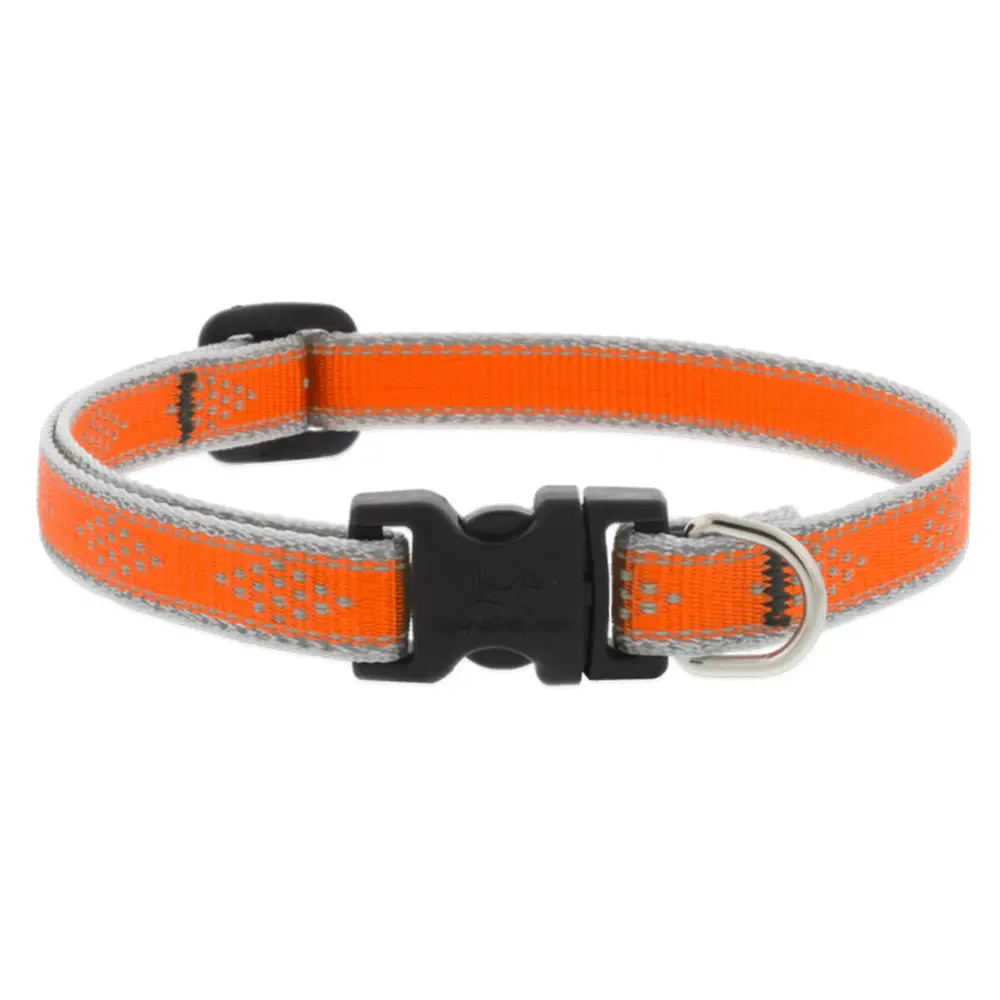
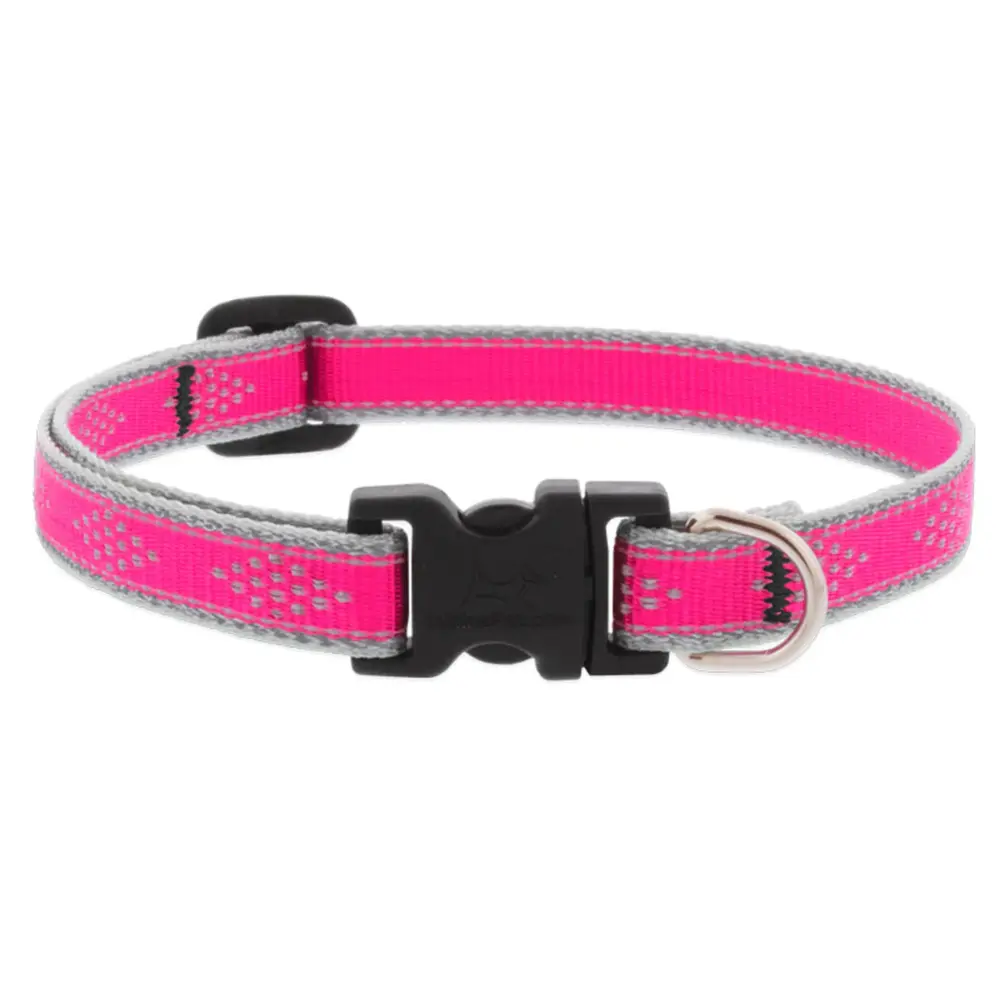
If the old collar is worn or no longer fits, the Lupine Pet Reflective Dog Collar has a strong D-ring for the leash and tags and comes in adjustable sizes from tiny dogs to XXL; two fingers should slide under it once fastened. If you’re buying a harness, measure your dog first, and allow for delivery time plus a few weeks of your own walks in it before the trip.
Related guides
-
Checklist
What to Pack for Dog Boarding: A Checklist for the Kennel or Sitter
What to send with your dog to a boarding kennel or a sitter’s home, in the order it matters: vaccine records and the facility’s rules, meals portioned and labeled, medications with written doses, ID that reaches someone nearby, comfort items, and what to check at pick-up.
-
Checklist
Pet Emergency Kit Checklist: What Your Dog or Cat Needs to Evacuate
Everything your dog or cat needs to evacuate with you: records and ID, two weeks of food, water and medicine, a carrier or harness per pet, sanitation and first aid, plus where pets can stay and when to refresh the kit.
-
Checklist
Moving With a Dog: Weeks Before, Moving Day and Settling In
A checklist for moving to a new home with a dog, in the order you’ll need it: ID and records weeks ahead, a steady routine while you pack, a safe plan for moving day and the drive, house and yard checks on arrival, and the first weeks of walks and time alone.