Puppies & Kittens Guide
Bringing Home a Rescue Dog: Decompression and the First Weeks
Short answer
Decompression is the settling-in period after adoption, when a new dog gets time, space and a calm, predictable day before you ask much of them. Give your dog a quiet retreat, steady times for meals, potty trips and rest, and the choice of when to seek contact. Expect at least a few weeks, longer for a fearful dog.
A dog who hides behind the couch, skips dinner or paces half the night in the first week isn’t being difficult: nearly everything they knew changed in a single day.
Adopting a puppy? Our new puppy checklist covers the setup and first week. Bringing home an older dog? The adopting a senior dog checklist lists what to ask the shelter and have ready.
What decompression means, and how long it takes
The AKC’s guide to decompression when bringing home a new dog describes it as giving a newly adopted dog space, a routine and time to build trust, rather than rushing into training, outings and introductions. A well-socialized puppy may need a few days; a fearful or anxious dog, weeks or months. For most dogs, the AKC suggests allowing at least a few weeks.
A second AKC article, on helping an adult dog adjust to a new home, quotes behaviorist Patricia McConnell’s rough pattern, often shortened to the 3-3-3 rule: for the first three days a dog is often in a bit of shock, after three weeks many dogs have settled, and a new dog may not really fit into your routine until about three months in. Treat it as a signpost, not a deadline.
Why so slowly? The AKC warns about trigger stacking, a buildup of stress from several new things that can leave a dog struggling to cope. A dog who has managed the car ride and the new house may then react strongly to something small, such as a hand reaching over their head. A quiet day keeps that stack low.
Signs your dog is settling
- Eats normally, even with people in the room
- Sleeps soundly and stretches out, instead of dozing with one eye open
- Leaves the retreat to explore other rooms
- Comes over for contact, then wanders off relaxed
- Bounces back quickly from a doorbell or a dropped pan
Progress is rarely a straight line. After a wobbly day, such as one with a visitor or a thunderstorm, go back to the quieter routine for a day or two.
A quiet retreat your dog can choose
The AKC recommends what it calls a Zen zone: a quiet place your new dog can go without being disturbed. Some dogs pick a crate, others a spot under a table or a corner of a bedroom. Notice where your dog heads on the first day, and build the retreat there if you can.
- Quiet but not isolated. A bedroom corner or the space under a desk, not a hallway or a spot near the front door.
- Soft and familiar. A bed or folded blanket, water close by and, if the shelter sent one, a blanket or toy that smells of their old space.
- A crate only if it helps. If your dog already likes one, drape a blanket over it and leave the door open. Heavy panting, drooling or frantic attempts to get out mean a gated room is the better choice for now.
- Off-limits to people. Nobody reaches in, follows your dog in or pulls them out, children included.
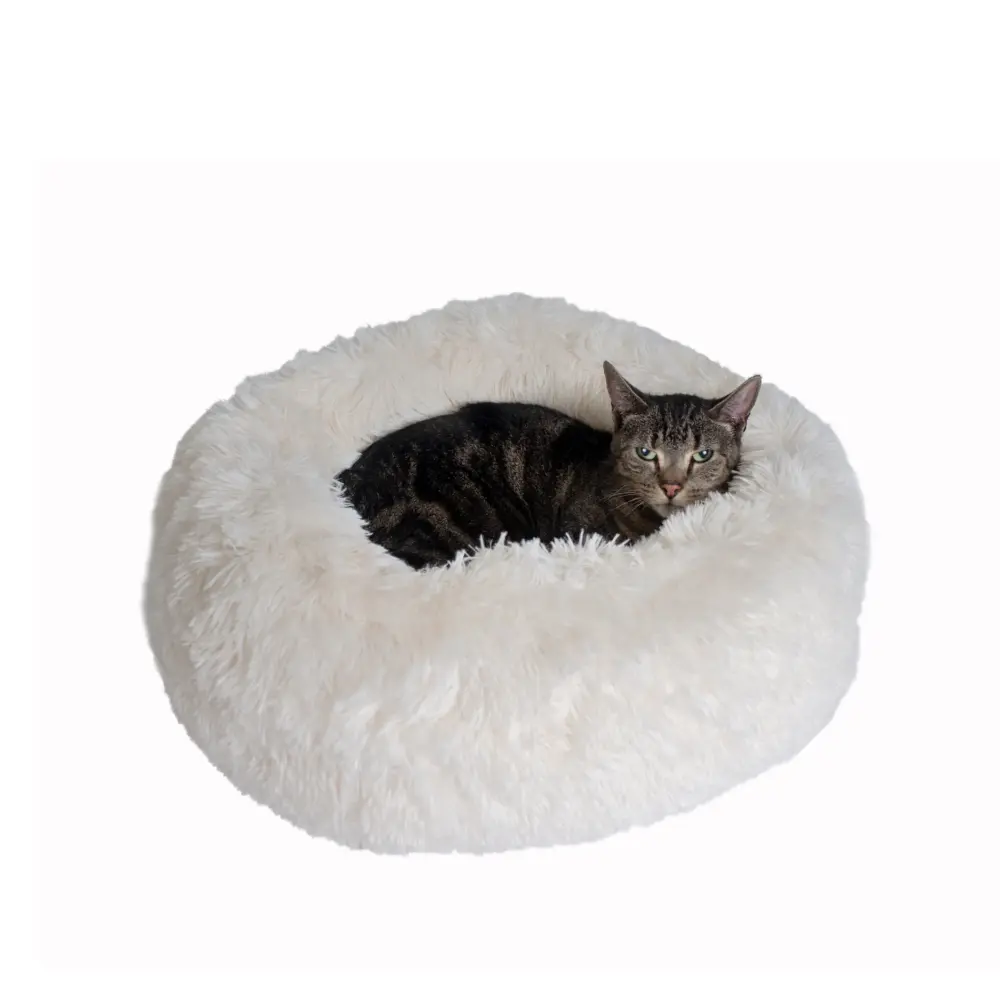
For a small dog, the Armarkat Ultra-Plush Cuddler Bed gives a curled-up sleeper a raised rim to lean against, and its water-resistant, skid-free base stays put on a hard floor. It’s machine washable on a gentle cycle, handy if accidents happen, but it’s made for cats and small dogs only (the Small measures 22 x 22 x 8 in), so a bigger dog is better off with a larger bed or a folded blanket. For what a rim can and can’t do for a nervous dog, see do calming dog beds work.
At night, many new dogs settle better near people, and the AKC suggests putting the bed or crate in your bedroom at first. You can move it later, a few feet at a time, with the steps in how to get a dog to sleep in their own bed.
A simple, predictable daily routine
Once a new dog knows when food, potty trips and quiet time arrive, they no longer have to watch for them. Humane World for Animals’ guide to bringing a new dog home advises keeping things as quiet and consistent as possible for the first week or more, and deciding ahead of time who feeds and walks your dog, and when.
- Meals at set times, in the same spot. Feed what your dog ate at the shelter or foster home; the AKC recommends keeping the same diet for at least two weeks, then switching gradually. Ask your veterinarian before any change.
- Potty trips on a schedule. On leash after waking, after meals and naps, and before bed. Humane World suggests assuming a new dog isn’t house-trained, since even house-trained dogs may have accidents in a new home. Use an enzyme cleaner and skip the scolding.
- Short outings only. Potty trips, then a short loop near home once your dog is ready. Our first walks with a rescue dog checklist covers gear, a quiet route and what to do if your dog slips loose.
- The same bedtime. A last potty trip, lights down and the same few words every night.
What can wait a few weeks
- Visitors. The AKC suggests waiting before you invite other people over.
- Dog parks, pet stores and busy outings. Humane World notes that most dogs are overwhelmed simply by the move to a new home.
- Baths, haircuts and nail sessions, unless truly needed, until your dog is comfortable being handled by you.
Safety note
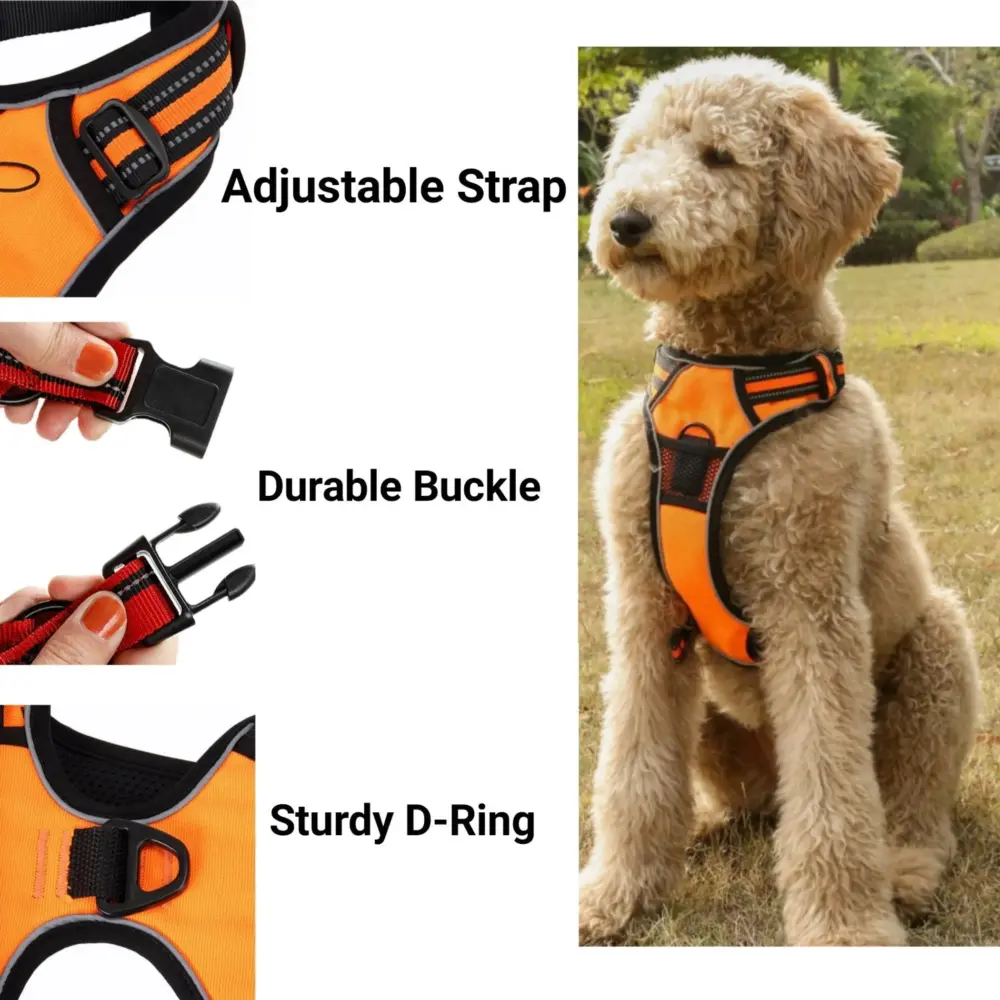
Doors are the biggest escape risk in the first weeks: a new dog may bolt through an open front door, gate or car door. Put a collar with an ID tag on before the ride home, keep it on whenever your dog is out of the crate, gate off the entry if you can and register the microchip in your name. The Lupine Pet Reflective Dog Collar has a D-ring for tags, in neck sizes from 6–9 in up to 25–31 in.
Quiet jobs: slow feeders and lick mats
A decompressing dog has little to do: short walks, no visitors, no classes. Small, self-paced jobs fill the gap without asking anything social of them, and the AKC notes that enrichment such as treat-dispensing toys and nosework can be an effective stress reliever.
- A slow feeder, for a dog who eats readily. Ridges stretch dinner into a few minutes of work. If your dog is barely eating, use a plain bowl in a quiet spot, with nobody hovering, until appetite returns.
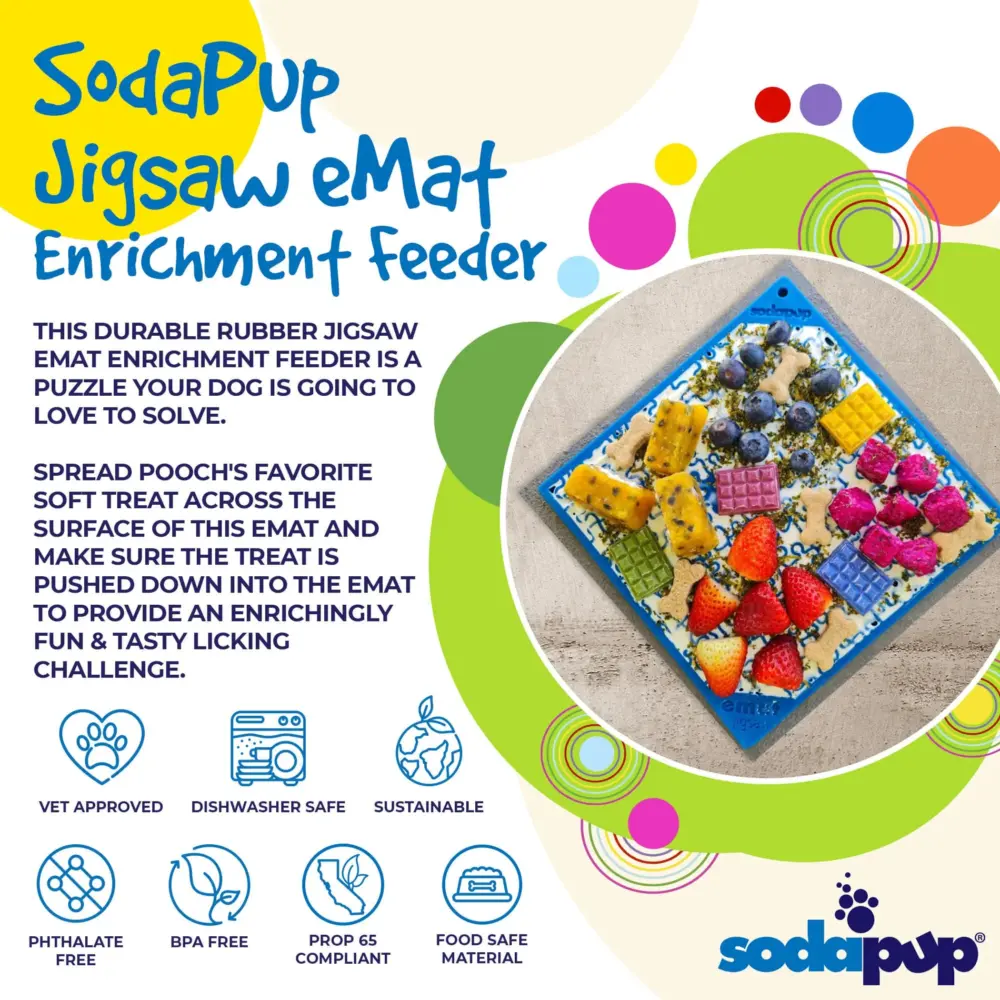
- A lick mat in the retreat. Licking a thin layer of food out of grooves is slow and steady, and your dog can do it in the retreat while you step back. Use part of the day’s food or a plain, xylitol-free spread; our guide to what to put on a lick mat has more options.
- Easy sniffing games. Scatter a few pieces of kibble on a towel and let your dog find them.
- Separate meals. With other pets at home, feed your new dog in another room or behind a gate; the AKC advises putting food and water where your dog feels safe, so you don’t stir up guarding. Never take food away from a dog who stiffens or growls over a bowl.
Two items from our feeding and enrichment range suit this stage. They are limited to what Nilosi stocks; any sturdy lick mat or ridged bowl does the same job.
-
SodaPup
Jigsaw Enrichment Lick Mat for Dogs & Cats, Choose color
$25.95
Why it fits: Lets a shy dog enjoy a treat without being handled; set it in the retreat and step away. Jigsaw grooves hold a soft or frozen spread.
-
SodaPup
Honeycomb Slow Feeder Dog Bowl, View product
$30.95
Why it fits: Turns dinner into a small daily puzzle once your dog eats well; deep honeycomb ridges make a meal take minutes, not seconds.


Reading stress signs, and what to do
A stressed dog usually says so with their body long before they growl or snap. The AKC lists excessive panting, pacing, tucked ears or tail, lip licking, yawning, freezing, crouching and growling. VCA Animal Hospitals’ guide to signs that a dog is stressed adds whining, drooling, turning away, moving behind a person or object, and refusing food. Some first-week behavior looks worrying but is common while a dog adjusts:
| You notice | Often a sign of | What helps |
|---|---|---|
| Hiding | Needing distance from the household | Leave the retreat open and quiet |
| Skipped meals | Stress dulling the appetite | Same food, quiet spot, no hovering |
| Sleeping a lot | Recovering from a big change | Let them rest undisturbed |
| Accidents | A new door and a new schedule | More potty trips, no scolding |
| Night pacing | Unfamiliar sounds and rooms | Same bedtime, bed near you |
| Following you | Looking for something familiar | Calm company, brief absences |
Don’t ignore any of these if it lasts or gets worse; the last section covers when to call your veterinarian. In the moment, a stress signal calls for less, not more:
- Create distance. VCA advises removing your dog from the stressor and finding a quiet place to regroup: walk away from the visitor, switch off the blender or close the blind.
- Don’t crowd. Sit nearby, talk softly and let your dog decide how close to come.
- Note the trigger, and keep it out of the next few days.
Safety note
Never punish a growl. It’s a warning, and the AKC’s article on why dogs growl notes that punishing it may stop the sound without changing the emotion behind it, which can make your dog harder to read. Back off and work out what caused it, and never reach into the retreat or drag a hiding dog out.
Letting your dog start the contact
The AKC’s advice is to keep interactions on your dog’s terms: begin by simply spending quiet time near them, and offer affection when they are ready and looking for it. With a shy dog, short sessions like this help:
- Sit on the floor a few feet from the retreat, side-on, with a book or your phone. Don’t stare or call your dog over.
- Every so often, toss a small treat so it lands between you, a little closer to you each time.
- When your dog comes to sniff you, stay still. They can approach and leave as often as they like.
- If they lean in or nudge your hand, stroke the chest or the side of the neck for a few seconds, then stop.
- Lean in for more? Carry on. Walk away? Let them go, and start next time where they were comfortable.
Family, children and other pets
- Household members, one at a time. The AKC suggests calm, separate introductions.
- Children. Teach them to let the dog come to them and to leave a sleeping or eating dog alone. No hugging or picking up for now, and an adult watches every interaction.
- Other pets. Keep your new dog separate at first. The AKC recommends brief, leashed introductions outdoors on neutral ground, then gates, crates or pens indoors.
Practicing short absences
The ASPCA’s guide to separation anxiety in dogs lists being given to a new guardian or family among its triggers, and notes the problem is far more common in dogs adopted from shelters. So practice short absences from the first days, starting with a few seconds out of sight and building up slowly; a lick mat gives your dog something to do while you step away. If your dog howls, chews at doors or has accidents only when alone, don’t scold: the ASPCA stresses that anxious behaviors are distress, not disobedience or spite. Talk to your veterinarian or a behavior professional instead.
Training: short, positive and mostly indoors
Training can start in the first week if it stays small: the AKC suggests beginning indoors, with sessions that are short, fun and positive. A few minutes at a time builds trust as much as skills. Four things are worth teaching now:
- Their name. Say it once in a happy voice, and reward the moment your dog looks at you.
- Potty outside. Reward right after your dog goes in the right spot.
- A bed cue. Toss a treat onto the bed, say a word such as “bed” and reward when they step on, which gives the retreat a name.
- Settling on their own. When your dog lies down calmly, quietly drop a treat between their paws.
Skip corrections, leash pops and scolding, which make a nervous dog more nervous, and save long sessions and group classes for later. Once your dog is comfortable at home, the AKC suggests slow, quiet walks with time to sniff, on a harness and a long line.
When to call a trainer or veterinarian
Book a checkup within the first week, even if your dog seems well; Humane World recommends one for a health check, vaccinations and flea and tick prevention.
Call your veterinarian sooner if
- Your dog goes more than a day without eating (sooner for a puppy or a small dog), or won’t drink
- Vomiting or diarrhea continues, or you see blood
- Your dog coughs, sneezes often or has discharge from the eyes or nose
- Your dog limps, yelps when touched or shows other signs of pain
- Your dog seems weak or listless, not just catching up on sleep
Stress can cause refused meals, vomiting and diarrhea, but so can illness, and your veterinarian is the one to tell them apart. VCA also advises seeing your veterinarian if your dog becomes stressed often or in response to many triggers; options can include behavior modification, routine changes and medication.
Bring in a behavior professional if
- Your dog growls, snaps or bites, especially over food, toys, resting places or handling
- Fear isn’t easing after a few weeks of a quiet routine, or is getting worse
- Your dog panics when left alone
- Children live in the home and your dog guards things or growls at them
Your veterinarian can check for pain and refer you to a board-certified veterinary behaviorist. For separation problems, the ASPCA also points to Certified Applied Animal Behaviorists and to Certified Professional Dog Trainers experienced in desensitization and counterconditioning. Look for reward-based methods, and ask early, before a worry becomes a habit.
Related guides
-
Checklist
Adopting a Senior Dog Checklist: What to Ask, Buy and Set Up
Adopting an older dog from a shelter or rescue? Ask the right questions before pickup, buy less than you would for a puppy, set up a quiet corner with easy footing, and arrive at the first vet visit with the records that matter.
-
How-to
How to Calm an Overtired Puppy: Signs, Naps and a Wind-Down Routine
Wild, nippy and deaf to cues by evening? That is often an overtired puppy, not an under-exercised one. Here is how to tell the difference, settle a wound-up puppy step by step, plan naps around meals and potty trips, and set up a nap spot they will use.
-
Buying guide
What to Get Your Dog for Christmas: Gifts for Tuggers to Nappers
Choose your dog's Christmas gift by what they already do: a stuffing-free fire hose toy for tuggers and shredders, a plush fox for gentle carriers, a lick mat or slow feeder for lickers and fast eaters, and a cuddler bed or coat for small dogs, plus safety checks, unwrapping and gifts to skip.