Senior Pets Guide
When Is a Cat a Senior? Life Stages, Aging Changes and What to Adjust
Short answer
Most cats count as seniors from 10 or 11. International Cat Care calls cats of 11 to 14 senior and 15 and up super senior, while the AAHA/AAFP veterinary guidelines start the senior stage at 10, so an 11-year-old qualifies on both. Book a senior checkup first, then adjust food, beds and play as she needs.
Cat life stages in human years
No single birthday makes a cat a senior, but the main schemes land within a year of each other. International Cat Care (iCatCare) splits a cat’s life into six stages in its guide to telling your cat’s age in human years:
| Stage | Cat’s age | Roughly in human years |
|---|---|---|
| Kitten, junior | Birth to 2 years | Up to 24 |
| Adult | 3 to 6 years | 28 to 40 |
| Mature | 7 to 10 years | 44 to 56 |
| Senior | 11 to 14 years | 60 to 72 |
| Super senior | 15 years and up | 76 and up |
The human-year column follows iCatCare’s rule of thumb: the first two years equal about 24 human years, and every year after that adds about four. By that math an 11-year-old cat is roughly 60, and a 16-year-old is about 80.
Veterinary guidelines draw the line a year earlier. The 2021 AAHA/AAFP Feline Life Stage Guidelines call cats of 7 to 10 mature adults and cats of 10 and older seniors. VCA Animal Hospitals also treats cats older than 10 as senior and those over 15 as geriatric, and adds that the exact timing varies with breed and size, so read these ages as a guide rather than a deadline.
Tip
Write down her baseline while she’s well: her weight on the same scale, how often you refill the water bowl, how many urine clumps you scoop a day if you use clumping litter, and which counters and sills she still jumps to. A slow change stands out far sooner against a note than against memory.
What changes as a cat gets older
Most aging changes arrive over months rather than days, which makes them easy to explain away. iCatCare’s notes on caring for senior cats describe the usual ones:
- More sleep, less activity. Longer naps, shorter bursts of play and, for cats who go outdoors, less time outside.
- Fussier eating. Smell and taste fade with age, so food can seem less tempting than it used to.
- Less grooming. Stiffer joints make the lower back and hindquarters harder to reach, so the coat there starts to look less tidy.
- Stiffer movement. A pause before each jump, slower stairs, or naps in lower, easier-to-reach places.
- Claws that catch. Older cats can struggle to retract their claws, so they snag on carpets and furniture.
- More need for you. Older cats tend to become more insecure and dependent, and they cope less well with changes to their routine.
Small changes at mealtime
For a cat who’s simply less keen on her food, iCatCare suggests smaller, more frequent meals, with four to six a day as a starting point; food gently warmed to just below body temperature, which can make it more appealing; and soft food if chunks or kibble seem hard work. Set out water bowls in several easy-to-reach places, away from where she eats, since older cats are at greater risk of dehydration. Ask your veterinarian before changing her diet: whether she needs a senior or prescription food depends on her weight and test results, not her birthday.
Changes that need a vet, not a new bed
The trouble with “she’s just getting old” is that several common illnesses of older cats look a lot like aging. Three examples:
- Stiffness is often pain. VCA notes that osteoarthritis affects more than 90% of cats 10 years and older. Cats hide pain well, often by simply doing less: they stop jumping onto the bed, have accidents outside the litter box or object to being stroked over the hips. Arthritis pain can often be managed, so it’s worth raising with your veterinarian.
- Weight loss with a good appetite can be a sign of hyperthyroidism, which iCatCare’s guide to the condition says is usually seen in middle-aged and older cats. Other signs include more thirst, restlessness and an unkempt coat.
- Drinking and peeing more can point to kidney disease or diabetes, both on VCA’s list of conditions seen in older cats. It’s easy to miss in a cat who also drinks from dripping faucets or your glass, which is where your baseline helps.
Signs to book a visit for
Based on VCA’s senior cat care advice and iCatCare’s list, call your veterinarian rather than waiting for the next checkup if you notice:
- Drinking or urinating more, or accidents outside the litter box.
- Weight or muscle loss, or a clear change in appetite.
- Repeated vomiting, or diarrhea that lasts more than three days.
- Limping that doesn’t settle, or a new reluctance to jump.
- A new lump, or scabs or sores that last more than a week.
- Bad breath, drooling or trouble chewing.
- Much less activity than usual, unsteady walking, or a change in grooming.
- Misjudged jumps, bumping into things or other signs of failing sight.
- A cough that keeps coming back, or a belly that’s getting bigger.
Safety note
Get veterinary care right away for collapse or sudden weakness, labored or open-mouth breathing, a seizure, or straining in the litter box with little or nothing coming out.
Night yowling and other behavior changes
Some older cats change in how they think and behave. VCA’s guide to cognitive dysfunction in senior pets recommends yearly screening for cats from age 10 and sums up the signs as VISHDAAL: vocalizing, often overnight; changes in how she interacts with you; sleeping by day and waking at night; house soiling; getting stuck or seeming lost; less play; new anxiety; and no longer responding to her name. The same guide stresses that each of these can, and often does, come from a physical illness, so tell your veterinarian rather than putting it down to dementia.
Vet visits for a senior cat
VCA recommends a veterinary exam at least twice a year for senior cats, and iCatCare suggests agreeing on a schedule with your vet based on your cat’s age and health. At about four human years for every cat year, six months between visits is roughly two years in human terms, long enough for a slow change to become a big one.
At the first senior visit, ask what wellness testing makes sense: VCA mentions blood and urine tests and, where needed, imaging of the chest and abdomen. Bring your baseline notes, the name of her food and how much she eats, and any medicines or supplements. Between visits, VCA suggests weighing her every two months on the same scale, because a change in weight can be an early sign of disease.
If getting her there is the hard part, how to make vet visits less stressful for your cat covers booking a quiet time, the carrier, the drive and the waiting room. Bringing home an older cat from a shelter instead? Our adopting a senior cat checklist covers the questions to ask, the first vet visit and the first two weeks.
Home changes for an older cat
The aim at home is that everything she needs can be reached without a jump. Make one change at a time and watch which ones she uses:
- A low-sided litter box on the floor where she spends her day. iCatCare recommends lower sides for older cats, and VCA suggests boxes on each floor of the home.
- Steps or a gentle ramp up to the sofa, bed or windowsill she still wants to reach.
- Grip underfoot: rugs or runners on slippery laminate, tile or wood floors.
- Food and water without a climb, on the floor she uses most rather than on a counter.
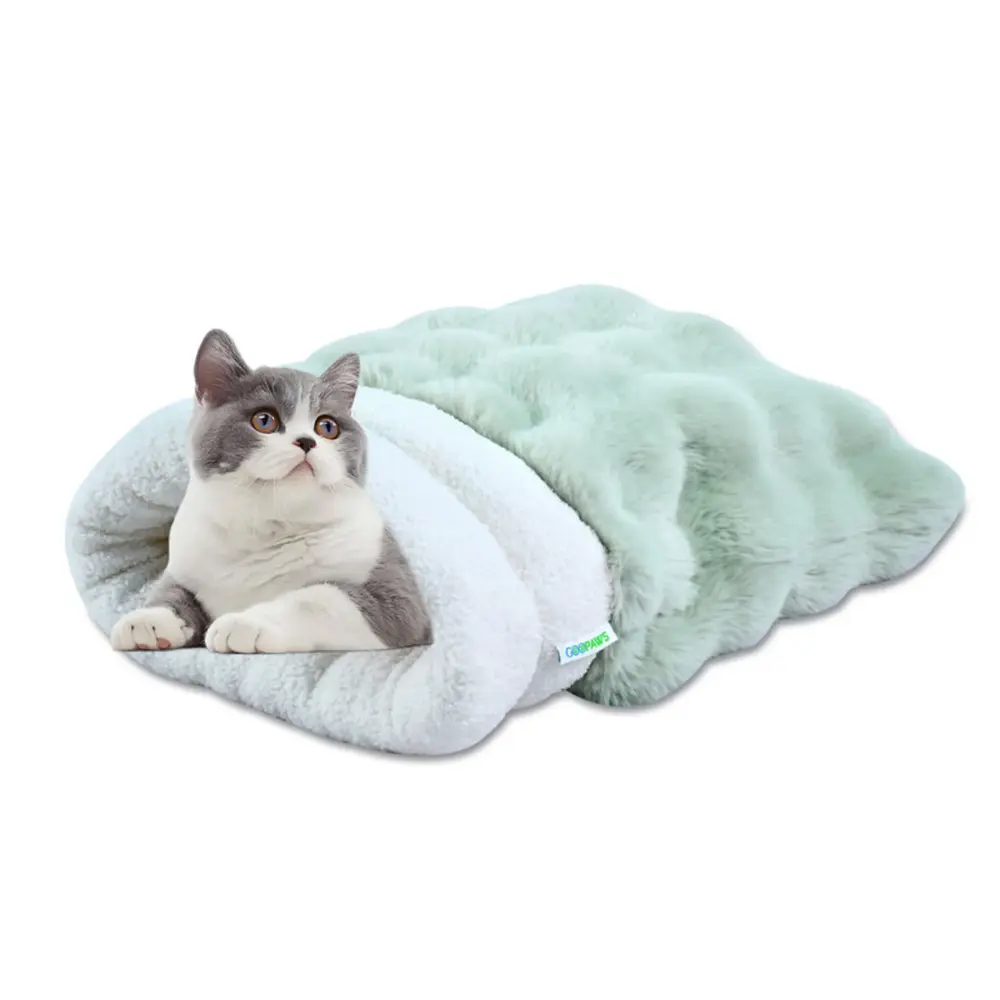
- Warm, draft-free beds, at least one low enough to step into. iCatCare also suggests a washable thermal blanket.
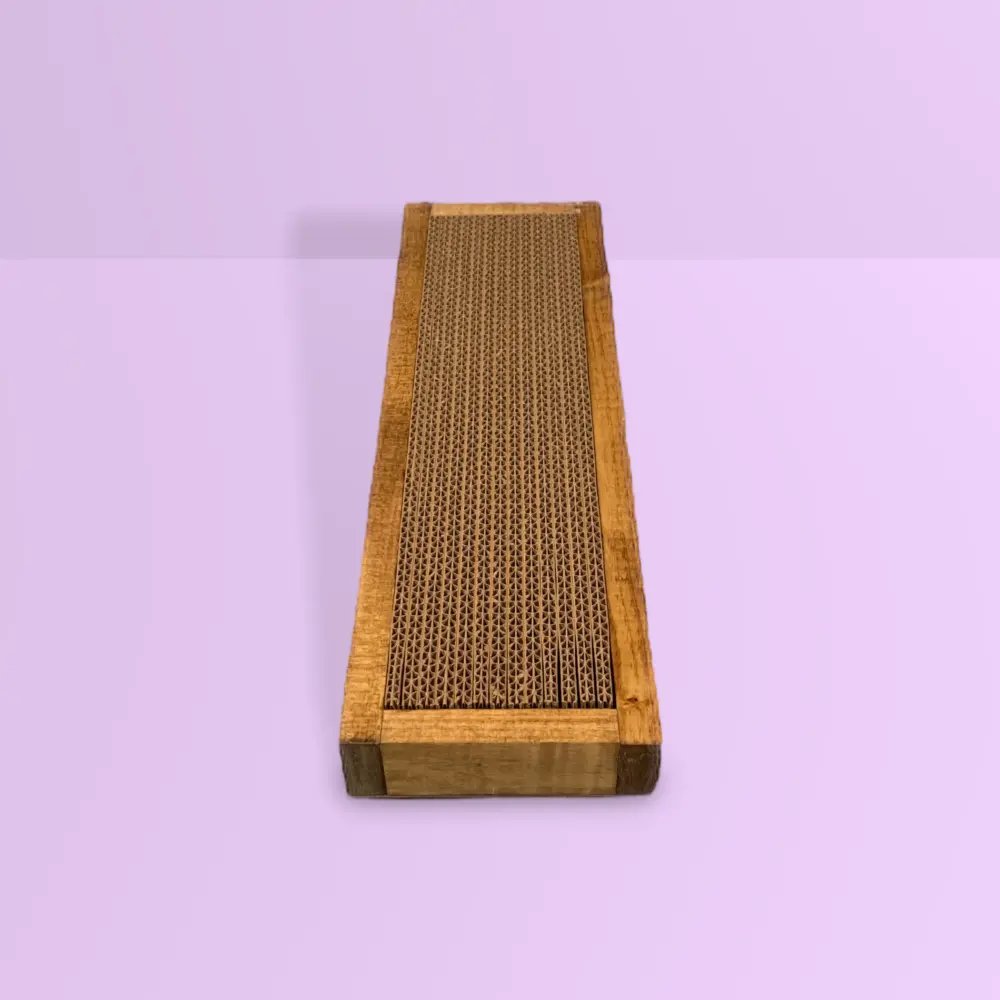
- A horizontal scratcher, which iCatCare notes is easier for older cats than a tall post.
For the room-by-room version, including where to move the litter box and how to light the way at night, see how to make your home senior-cat friendly.
Grooming help for a cat who grooms less
When an older cat grooms less, the fur over her lower back, hips and tail base is usually the first to look greasy or clumped, because reaching it means twisting a stiff spine. A few minutes of soft brushing most days does that reaching for her. How often to brush a cat gives the starting schedule for her coat length; expect to brush a little more often from here on.
Look at her claws every week or so as well. iCatCare warns that claws can overgrow, curl around and embed in the pads, which is painful and can lead to infection. The full routine, from soft tools to thick claws and a clean back end, is in how to groom a senior cat. A cat who suddenly stops grooming altogether belongs on the vet list above, not just the brushing schedule.
Play and enrichment for older cats
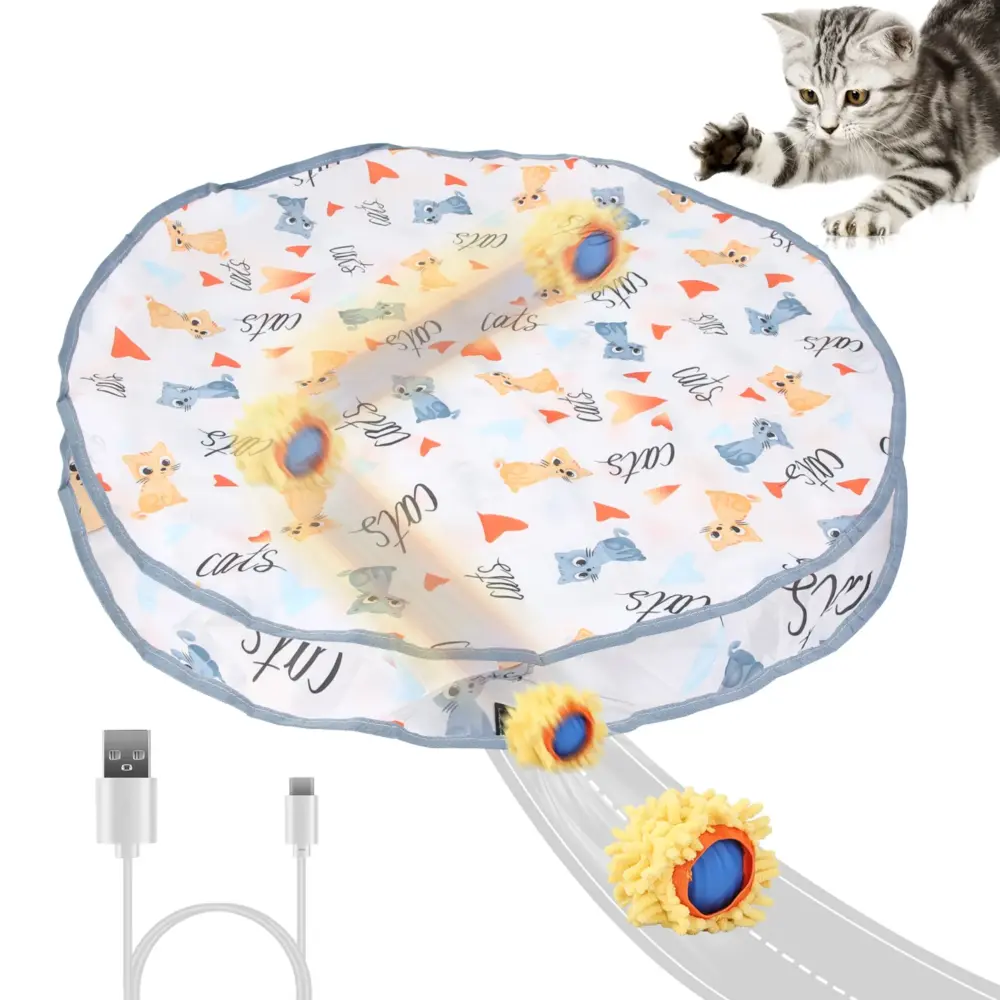
Older cats still want to hunt; they just do it lower and in shorter bursts. Drag a wand toy slowly along the floor instead of high in the air, stop after a few minutes and let her make the catch. iCatCare suggests larger kick toys she can grab and kick with her back legs, a cardboard box laid on its side so she can walk in rather than jump in, and puzzle feeders, as long as they’re easy enough that she still eats her full meal. A warm spot at a window, reached by a step, counts as enrichment too.
Our guide to enrichment for senior cats has more gentle games and scent work. If she loses interest in play she used to love, mention it at her next checkup, since pain is a common reason an older cat does less.
Four items from Nilosi’s catalog fit the changes on this page. The picks are limited to what we stock, and we don’t carry low-entry litter boxes or pet steps, so look elsewhere for those. More cat gear is in our cat essentials collection.
-
GOOPAWS
4-in-1 Self-Warming Cat Cave Bed, Choose color
$40.95
Why it fits: Opens out flat as a mat she can step straight onto, or folds into a cave; the self-warming design holds in her own body heat.
-
Cat Scratcher Guy
Wooden Cat Scratcher with Reversible Insert, View product
$32.95
Why it fits: A flat scratcher for a stiff cat who no longer stretches up a tall post; flip the reversible cardboard insert, then replace it when worn.
-
3-in-1 Steam Grooming Brush for Cats & Dogs, View product
$36.95
Why it fits: Soft silicone pins for the hips and tail base she has stopped reaching; the fine mist settles loose hair, or brush dry if it bothers her.
-
SodaPup
Jigsaw Enrichment Lick Mat for Dogs & Cats, Choose color
$25.95
Why it fits: An easy food game with no chasing: press a thin layer of her usual wet food into the grooves and let her lick it clean. Dishwasher safe.




Senior cat FAQ
Is a 10-year-old cat a senior?
By the AAHA/AAFP guidelines, yes: senior means 10 and older. iCatCare would still call her mature until 11. Either way, 10 is a sensible age to ask your veterinarian whether it’s time for senior checkups and screening.
Do cats age seven human years every year?
No. On iCatCare’s scale a cat reaches about 24 in human terms by her second birthday, then adds about four years for each year after. That makes an 11-year-old about 60 rather than 77, a 15-year-old about 76 and a 20-year-old about 96.
My cat is 11 and seems fine. What should change?
Very little, at first. Book the senior checkup, write down her baseline and keep doing what she enjoys. Most of the home, grooming and play changes above can wait until she shows you she needs them; the twice-yearly vet visits are the one thing not to put off.
Related guides
-
Guide
Enrichment for Senior Cats: Gentle Play and Easy Scent Games
Your older cat still wants to hunt; the trick is games without the leaps. Slow wand play at floor level, food and scent finds beside the bed, a flat scratcher, warm lookouts one step up, where automatic toys fit, and when playing less means a vet visit.
-
Guide
What to Get Your Cat for Christmas: Gifts for Hunters, Scratchers, Nappers and Snackers
Choose a Christmas gift by instinct: a chase toy for the hunter, a floor scratcher for the rug clawer, a warm cave bed for the napper and a lick mat for the fast eater. Plus safe unwrapping, gifts for cat owners and what to skip in a home with cats.
-
Guide
Should You Get a Second Cat? How to Tell if Yours Would Welcome One
A second cat can be good company or a daily source of stress. Learn what lonely behavior often means, what makes a cat likelier to accept a newcomer, which pairings tend to work, what one more cat takes in space, money and time, and what to try first.