Senior Pets How-to
How to Groom a Senior Cat: Gentle Brushing, Mats and Nails
Short answer
Start with a vet check, because an older cat who stops grooming may be stiff, sore or unwell. Then do the reaching for them: a few minutes of soft brushing a day over the lower back, hips and tail base, a damp cloth under the tail and weekly claw checks. Leave tight mats to a groomer or vet.
Why older cats stop grooming themselves
To clean the lower back, the backs of the thighs and the area under the tail, a cat has to twist and stretch, and for a cat with arthritis in the spine or hips, that twisting is what hurts.
- Stiff, painful joints. VCA Animal Hospitals says osteoarthritis affects more than 90% of cats aged 10 and older, and that a cat with arthritis in the spine may stop caring for the coat, leaving the ungroomed areas to mat. International Cat Care lists less grooming and a matted, scruffy coat among the signs of arthritis, which can go unnoticed because cats quietly do less.
- Extra weight. VCA notes that an overweight cat may have difficulty reaching certain areas of the body.
- Feeling unwell. VCA notes that a cat’s coat may be the first sign of a health problem; a healthy one is shiny, without dandruff or greasiness.
So the vet visit comes before the new brush. Brushing tidies the coat, but it can’t treat the pain or illness that made your cat stop.
Safety note
Never give your cat human pain relievers or a dog’s medication for stiffness. Some common ones are dangerous to cats, so ask your veterinarian what is safe.
Signs your older cat needs a hand
Look where a stiff cat can’t reach: along the spine from the shoulders to the tail and down the back legs.
- Greasy or clumped fur on the lower back and at the base of the tail, sometimes parting into spiky strands.
- Dandruff-like flakes, often along the lower back.
- Small felted clumps along the spine, on the rump or on the backs of the thighs, even on a short coat.
- Soiled fur or litter caught under the tail.
- Claws that catch on blankets and carpet, or look thick and curved.
- A thin or bald patch from licking one spot; International Cat Care notes that some cats with arthritis overgroom where their joints hurt.
If you notice matted hair or flaky skin on an aging cat, VCA’s advice is to make a veterinary appointment.
Gentle tools for thin skin and a bony spine
Cat skin is thin at any age, and an older cat who has lost weight has less padding over the spine and hips, where wire pins land hardest. Choose for softness first:
- A soft-pinned brush for the daily strokes.
- A slicker brush for tangles only, used with the lightest touch.
- A wide-tooth metal comb to find tangles close to the skin.
- Soft cloths and warm water for the eyes and the back end.
- A nail grinder or small cat clippers, with styptic powder or cornstarch in case you nick a quick.
- Treats or a little wet food to end each session well.
On a long or plush coat, soft pins tidy only the top layer, so the comb check matters more. Keep the de-shedding tool in the drawer if the coat has thinned: its steel edge is designed for a thick double coat and is easy to overdo over bony hips. Nilosi doesn’t sell combs, clippers or cloths, so our picks are limited to two brushes from our own catalog:
-
3-in-1 Steam Grooming Brush for Cats & Dogs, View product
$36.95
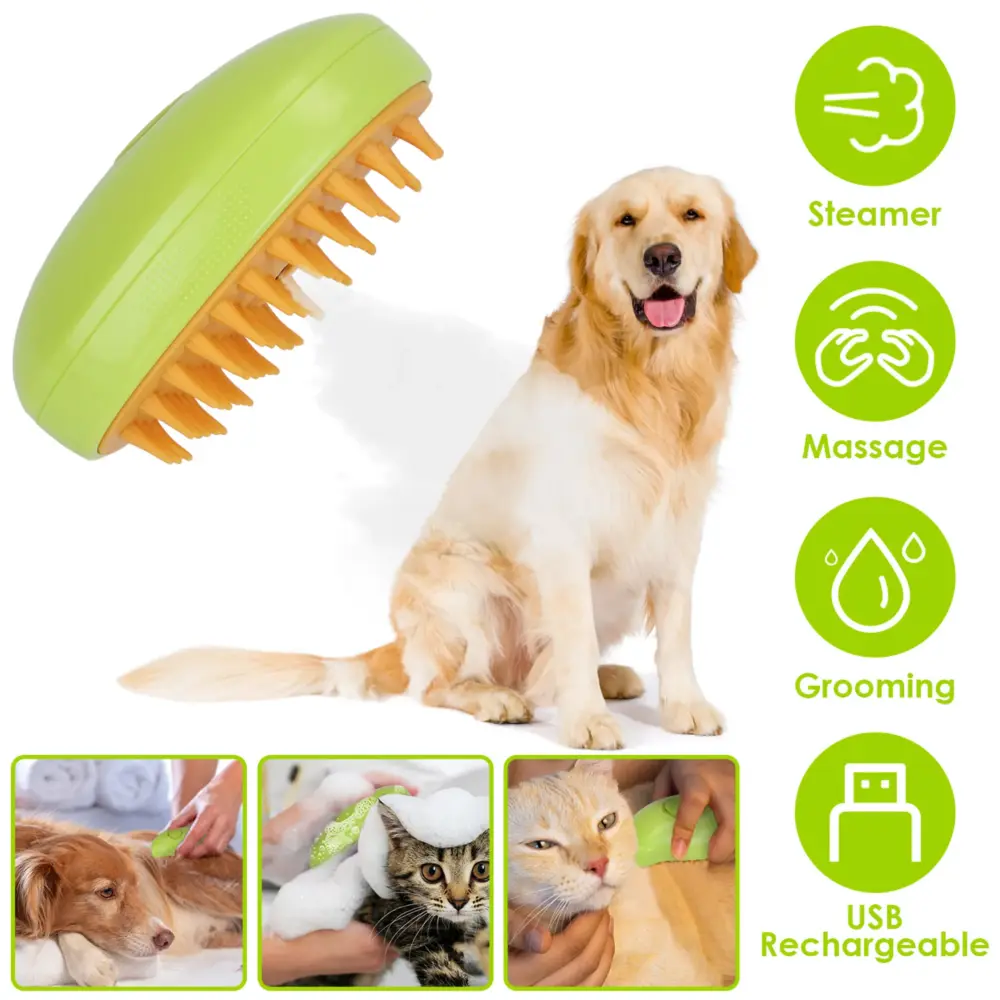
Why it fits: Soft silicone pins for daily strokes over a bony spine and hips; the mist is optional, so you can brush dry if the spray bothers your cat.
-
Sakabase
Curved Slicker Brush, View product
$39.95
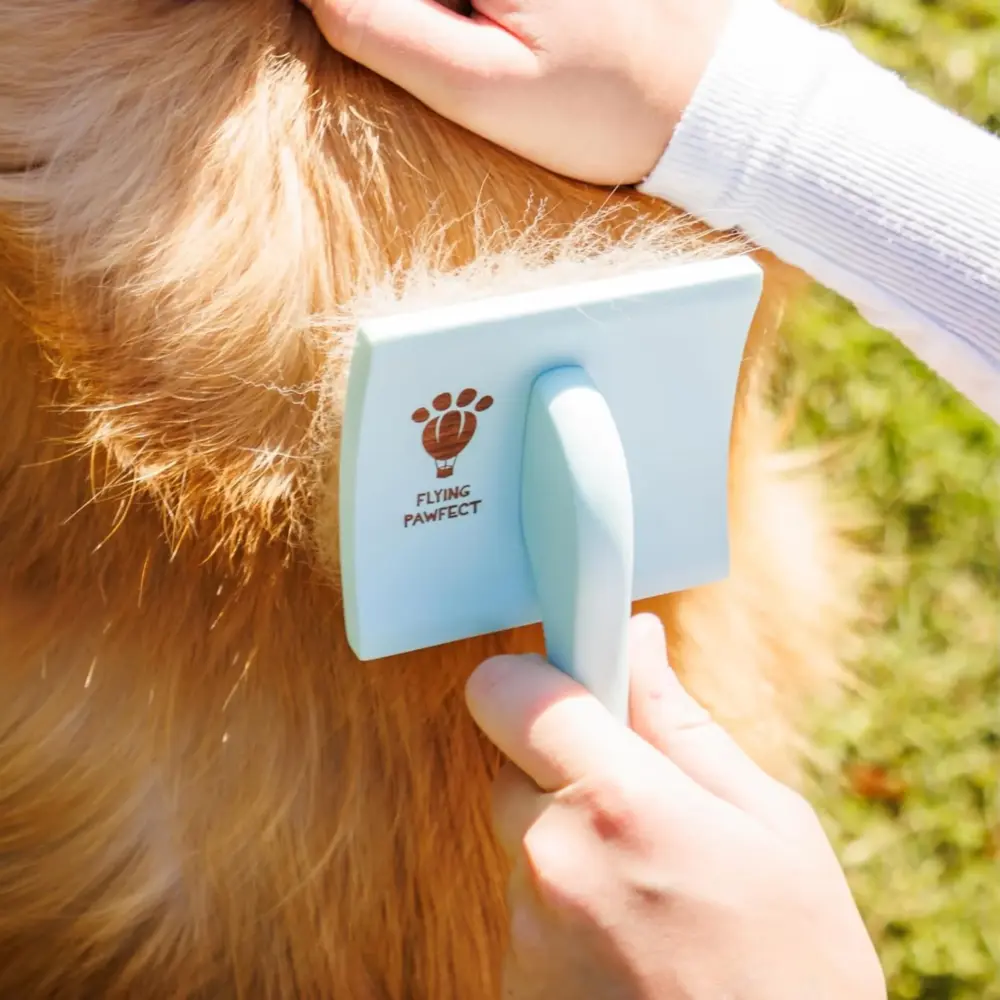
Why it fits: Eases small tangles out of medium and long fur on the rump and thighs; its fine, firm pins need the lightest touch, never a full brush-down.


Despite its name, the steam brush releases a fine water mist only when you press for it, so start dry. Add the mist later, lightly on the back and sides and away from the face.
How to groom a senior cat, step by step
Aim for two to five minutes a day rather than one long weekly session. VCA’s advice on helping senior cats age gracefully is that daily brushing can help a cat groom the areas arthritis puts out of reach.
- Go to your cat. Groom wherever they already rest, on a bed, a cushion or your lap, instead of lifting a stiff cat onto a counter.
- Start with your hands. Stroke from head to tail, feeling for tangles, lumps, scabs and spots where your cat flinches. Skip any sore spot and mention it to your veterinarian.
- Begin where it feels good. A few strokes on the cheeks, chin and shoulders tell your cat this is the pleasant kind of handling.
- Work the hard-to-reach zone. Use the soft brush in short strokes along the lie of the fur over the lower back, hips and tail base. Rest your free hand lightly on the shoulders; don’t press down.
- Leave stiff legs where they are. Brush the backs of the thighs while your cat lies on one side, and do the other side another day. Never lift or straighten a leg to reach underneath.
- Run the comb through. A wide-tooth comb along the spine and rump shows where tangles are starting. Work one small one if your cat is relaxed, or leave it for tomorrow.
- Wipe what they can’t. A cloth dampened with warm water clears crust at the corners of the eyes; use a fresh one under the tail.
- Stop early and reward. End before the tail starts lashing, with a treat or a lick of wet food.
A senior grooming routine at a glance
| Task | How often | Senior notes |
|---|---|---|
| Brushing | Daily, 2 to 5 minutes | Lower back, hips and tail base first |
| Comb check | Every few days | Spine, rump and backs of thighs |
| Rear check | Daily, a quick look | Wipe soiled fur before it dries |
| Claw check | Weekly | Thick or curved tips, pads beneath |
| Claw trim | As needed | One or two claws a session |
| Vet exam | At least twice a year | VCA’s advice for senior cats |
Schedules by coat length are in how often to brush a cat; this routine is for an older cat who no longer does their share.
Mats along the spine and hindquarters
In an older cat, mats form where the tongue no longer reaches: along the spine, above the tail and on the rump. On a long-haired senior they can join into a sheet across the back; on a short coat they are smaller and easy to miss until you run a hand along the spine. They are worth catching early: VCA’s senior cat care advice notes that mats can contribute to skin infections and may hide skin tumors.
If you can slip a comb tooth or fingertip between the mat and the skin, and the skin looks normal, a small mat can come out at home, with tighter limits for a senior:
- One small mat per session, for a minute or two at most.
- Hold the hair at the base so your fingers take the pull, tease the edge apart, then brush from the outside in with the Sakabase Curved Slicker Brush and almost no pressure.
- Stop at the first flinch; a mat over a sore hip may hurt to touch at all.
The full mat technique, cornstarch tip included, is in how to groom a long-haired cat at home.
When a mat goes to a professional
Leave it to a groomer who works with cats, or to your veterinarian, if the mat is tight to the skin, has spread into a sheet, sits under the tail, or your cat reacts when you touch it. Never cut a mat out with scissors: VCA’s grooming advice is clippers only, and International Cat Care warns that in a dense mat it is very hard to see where the skin ends and the hair starts.
For a frail or arthritic cat, the clinic is often the better choice: International Cat Care notes that severe mats often need shaving by the veterinary team, sometimes under sedation, and the skin underneath gets checked at the same visit. If you book a groomer, mention your cat’s age and arthritis. If a long-haired cat still can’t keep up once pain is managed, VCA suggests asking a groomer about a lion cut, which keeps the body hair short and easy to keep clean.
Thick, overgrown claws in older cats
Older cats move and scratch less, so their claws get less of the sharpening that sheds the old outer layers. VCA’s senior-care advice is to check the nails every week, because older cats can develop thick nails that don’t shed normally and may grow into the paw pads. International Cat Care adds that an overgrown claw can curl into the pad and cause more pain.
The weekly claw check
During a lap cuddle, press each toe gently so the claw extends, and look from the side and from below. Watch for tips curving back toward the pad, claws that look thick or layered, and redness or a dent in the pad. Check the dewclaw on the inside of each front paw too: it never touches the ground, so it is easy to miss.
Trimming a stiff older cat
- Keep the paw close to the body. Let your cat lie as they like and bring your hand to the paw, rather than stretching a stiff leg toward you.
- One or two claws a session, starting with the most curved.
- Try a grinder on thick claws. It takes the nail down a little at a time, where clippers can crack or split a thick claw. Use the low speed and keep long toe fur clear of the grinding head.
- Don’t peel thick outer layers. Leave anything that won’t come away on its own to your veterinary team.
For treats, the towel wrap and clipper technique, see trimming a cat’s nails when they won’t let you. From our catalog, two things make these sessions easier:
-
Quiet Rechargeable Pet Nail Grinder, View product
$50.95
Why it fits: Shortens a thick senior claw a little at a time instead of in one hard squeeze; two speeds, a quiet motor and a cat-sized guard opening.
-
SodaPup
Jigsaw Enrichment Lick Mat for Dogs & Cats, Choose color
$25.95
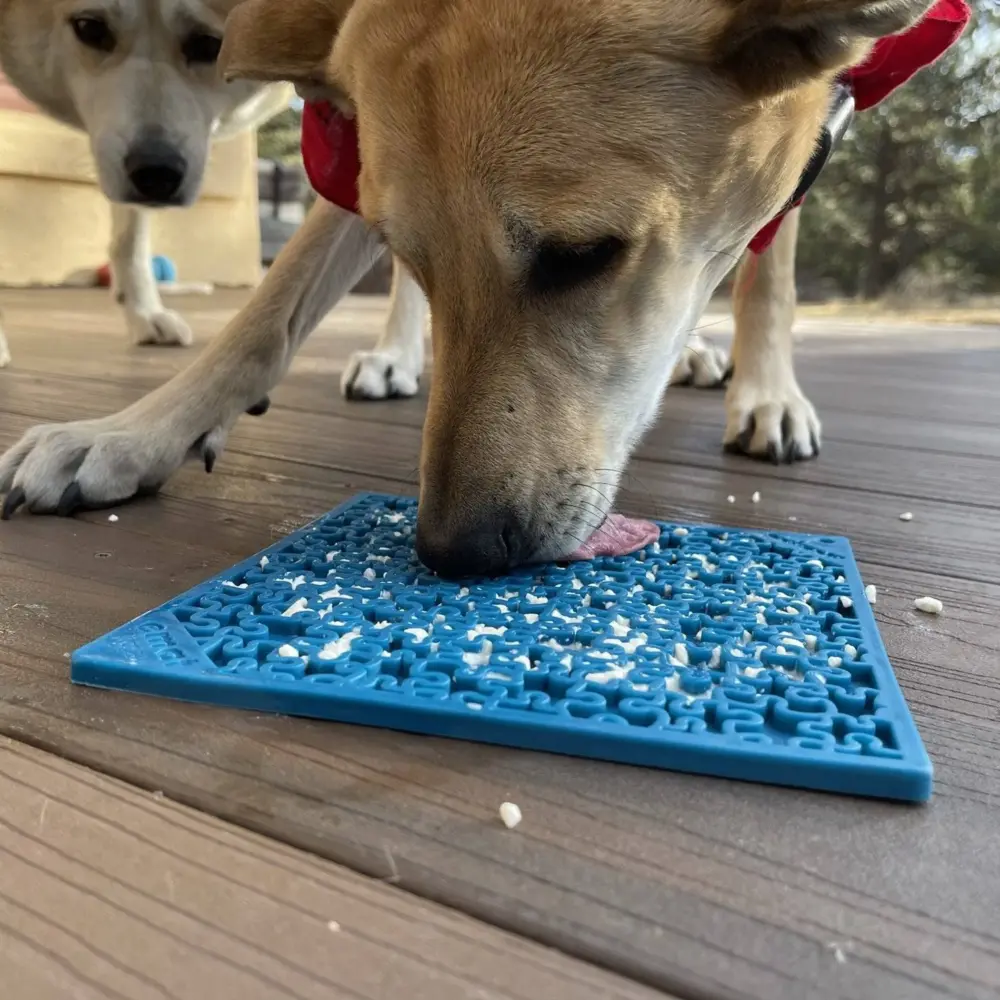
Why it fits: Keeps your cat busy licking during claw checks: spread a thin layer of the usual wet food, then trim a claw or two. Dishwasher safe.


If your cat eats a prescription diet, use a little of that food, and ask your veterinarian before offering anything new.
Safety note
A claw that has grown into the pad needs your veterinarian. Don’t try to pull it out yourself: VCA warns that a nail grown into the pad can cause an infection.
Keeping the back end clean
Cleaning under the tail means curling right around, which a cat with stiff hips or a heavy middle may no longer manage. The ASPCA’s cat grooming tips suggest a regular peek under the tail for feces stuck to the fur. Left in place, soiled fur dries into clumps and can irritate the skin.
For a senior, make that peek daily, when your cat walks past or settles on your lap. Soften anything dried on with a warm, damp cloth instead of pulling it, wipe away from the genitals and pat the fur dry. The full method, from setup to stubborn clumps, is in how to clean a cat without a bath.
If the mess keeps coming back, two changes help an older cat:
- A sanitary trim. If long fur on the thighs keeps trapping mess, ask a groomer to clip the area around the rear short, with clippers rather than scissors.
- An easier litter box. A stiff cat may struggle to step in, and International Cat Care suggests a box with at least one low side. Making your home senior-cat friendly covers the box, where to put it and the exit.
Skip baby wipes, scented sprays and other products made for people, since your cat will lick off whatever stays on the fur. If you think a frail cat needs a full bath, ask your veterinarian first.
Mistakes and troubleshooting
Common mistakes
- Brushing for weeks before anyone checks why your cat stopped grooming.
- Saving it all for one long weekend session.
- Pressing a slicker or de-shedding tool over the spine and hips.
- Bathing a greasy coat instead of finding out why it’s greasy.
Your cat flinches when you reach the hips
Stop brushing there and tell your veterinarian: VCA notes that a cat in pain may object to being brushed. Meanwhile, stick to the places your cat enjoys.
The greasy patch is back within days
That’s expected while your cat can’t reach it, so keep up the daily strokes. If the patch spreads, smells, or comes with flakes or scabs, ask your veterinarian to look at the skin.
Your cat walks off after a few strokes
Split the session into several tiny ones and fold the strokes into petting your cat already likes. The slow plan in how to brush a cat that hates being brushed works for seniors too, with shorter steps.
When to call your veterinarian
VCA recommends a veterinary exam at least twice a year for senior cats, and grooming is a good time to note things to mention. Don’t wait for the routine visit if you see:
- Grooming that has stopped, suddenly or over a few weeks.
- Greasy, flaky or matted fur that keeps spreading.
- Flinching, crying out or biting when touched along the back or hips.
- A claw curling into a pad, a swollen toe or a limp.
- Diarrhea, urine-soaked fur, or sore skin under the tail.
- Lumps, scabs or sores, or a thin patch from constant licking.
- Changes in appetite, thirst, weight or litter-box habits.
The brushes and nail grinder are in our dog and cat grooming tools.
Related guides
-
How-to
How to Groom a Senior Dog at Home: Brushing, Nails and Lump Checks
Many older dogs tire of standing, and shorter walks wear their nails down less. Here is how to set up a comfortable spot, brush gently by coat type, keep nails short, clean up between baths, check for lumps as you go and know when a groomer or veterinarian should take over.
-
How-to
How to Get a Puppy Used to Grooming: Touch, Brushing and the Groomer
Short, rewarded sessions that teach a puppy to accept grooming before any dislike sets in: touch for paws, ears, mouth and tail, a first brush matched to the coat, wipes between baths, groomer practice at home, and the signs your puppy needs a break.
-
Guide
Can Dogs and Cats Share Water Bowls, Beds and Brushes?
A healthy dog and cat can share a water bowl, beds, cooling mats and grooming tools if you clean them between pets; food, the litter box and small toys stay separate. Here's the item-by-item guide, plus when to stop sharing and the dog flea products that can poison cats.