Car Travel How-to
How to Clean a Dog Car Seat Cover Without Ruining the Coating
Short answer
Get the hair off while the cover is dry and still in the car, then machine wash cold on a gentle cycle with a small amount of plain detergent and no fabric softener. Air dry it flat or over a rail. Heat is what ruins these covers: a hot wash or a tumble dryer breaks down the waterproof coating, and once it has gone you cannot fully restore it.
Before anything gets wet
The order matters more than the products. Every step is easier on a dry cover, and water turns loose hair into a mat that bonds to the fabric and survives a wash cycle.
Take the cover out of the car first, outdoors if you can. Shake it hard, then lay it flat rather than bundling it, which keeps the debris from redistributing across the clean side.
Check the pockets, the seat-belt slits and the corners for anything that should not go in a washing machine: stones, a lost ball, a poo bag, sand. Sand in particular will wreck a machine seal over time.
Hair first, always
This is the step people skip and then wonder why the cover comes out of the machine still furry and the machine filter is blocked. Hair woven into fabric does not wash out; it has to be lifted out mechanically.
- Rubber glove, damp, swept in one direction. The single most effective method and it costs nothing.
- A rubber or silicone pet brush, again in one direction, which rolls the hair into a removable clump.
- A stiff-bristled brush or a pumice stone for hair that has worked into a weave.
- Vacuum with an upholstery head after brushing, not instead of it.
- A lint roller for the finish, and for the straps and edges.
- Static reduction: a very light mist of water helps hair release from synthetic fabric.
Do the car at the same time while the cover is out, since that is the only moment the seats are accessible. Getting dog hair out of carpet covers the same techniques for the footwells and boot lining.
What the label is really telling you
The care label on a waterproof cover is not conservative advice; it is the limit of what the coating survives. The usual instruction is cold, gentle, line dry, and all three parts matter for different reasons.
| Instruction | Why | What happens if you ignore it |
|---|---|---|
| Wash cold | Heat softens the laminate or coating | Waterproofing degrades, often permanently |
| Gentle cycle | Agitation stresses seams and taping | Seams open; taping lifts at the edges |
| No fabric softener | It leaves a film on the fibres | Water stops beading; the cover wets out |
| No bleach | It attacks the coating and the stitching | Fabric weakens and discolours |
| Line dry | Tumble heat is worse than wash heat | Coating cracks; the cover shrinks or distorts |
Machine washing, if allowed
- Fasten any velcro and buckles so they do not snag the fabric or each other.
- Turn the cover so the dirtiest side faces outward.
- Wash it on its own; a large cover plus a full load means neither gets clean.
- Cold water, gentle cycle, a small amount of plain liquid detergent. No softener, no bleach, no scented booster.
- Add a second rinse so no detergent residue is left in the fabric.
- Take it out as soon as the cycle ends rather than leaving it folded wet.
- Shake it out and hang it with the coated side facing the air.
Tip
Powder detergent often leaves residue in coated fabric that is hard to rinse out, and that residue is what makes a cover feel stiff and stop repelling water. Liquid, in a small quantity, is the safer choice.
Hand washing a large cover
Cargo liners and full bench covers frequently will not fit a domestic machine. The bath is the usual answer, and it works well.
Fill the bath with cold water and a little liquid detergent, submerge the cover, and agitate it by hand for a few minutes. Let it soak for twenty minutes, then drain, refill with clean water and rinse at least twice until no suds appear. Press the water out rather than wringing, which breaks down seam taping.
Drape it over the bath edge for an hour to drain before moving it, because a soaked cover is heavy enough to tear at the straps if you lift it wet by one corner.
Mud, sick and the worst cases
Dried mud comes off dry. Let it dry completely, then break it up and brush it off before any water touches it. Washing wet mud spreads it into the weave and sets the stain.
For vomit or a toileting accident, rinse the solids off outdoors with a hose or under a tap first, then soak the area in cold water with an enzymatic pet cleaner before washing. Enzymatic cleaners break down the proteins that cause the lingering smell; ordinary detergent masks it and it returns when the car warms up.
Safety note
Never use bleach, solvent-based stain removers or steam on a coated cover. Bleach destroys both the coating and the stitching, solvents dissolve the laminate, and steam is heat applied directly to the layer you are trying to protect.
Drying without heat
Air drying is not just the recommendation; it is the whole difference between a cover that lasts five years and one that lasts one. Hang it over a rail, a line or a drying rack with air reaching both sides.
Keep it out of direct sun for long periods, since ultraviolet light degrades polyurethane coatings and fades the fabric. Shade with a breeze is ideal.
It must be completely dry before it goes back in the car. A cover that is slightly damp and then shut in a warm vehicle grows mould in the seams within days, and mould in a coated fabric is very difficult to remove. If you need the car before the cover is dry, drive without it.
Restoring water repellency
Water repellency works by the surface finish making droplets bead and run off. That finish wears away with use and washing, and when it goes the fabric wets out: water soaks the face of the material instead of beading, and the cover feels cold and heavy even though the membrane underneath is intact.
The fix is a spray-on or wash-in reproofer of the kind sold for outdoor clothing. Clean the cover first, since reproofer applied over dirt does nothing, then follow the product instructions. Many need gentle warmth to set, which is the one case where a cool tumble or a warm iron through a cloth may be permitted; check your cover’s label first, because for most of them it is not.
Reproofing restores the surface finish. It cannot restore a membrane that has cracked from heat, which is why the cold-wash rule matters so much in the first place.
Our picks
-
GF PET
Cargo Cover, View product
$62.95
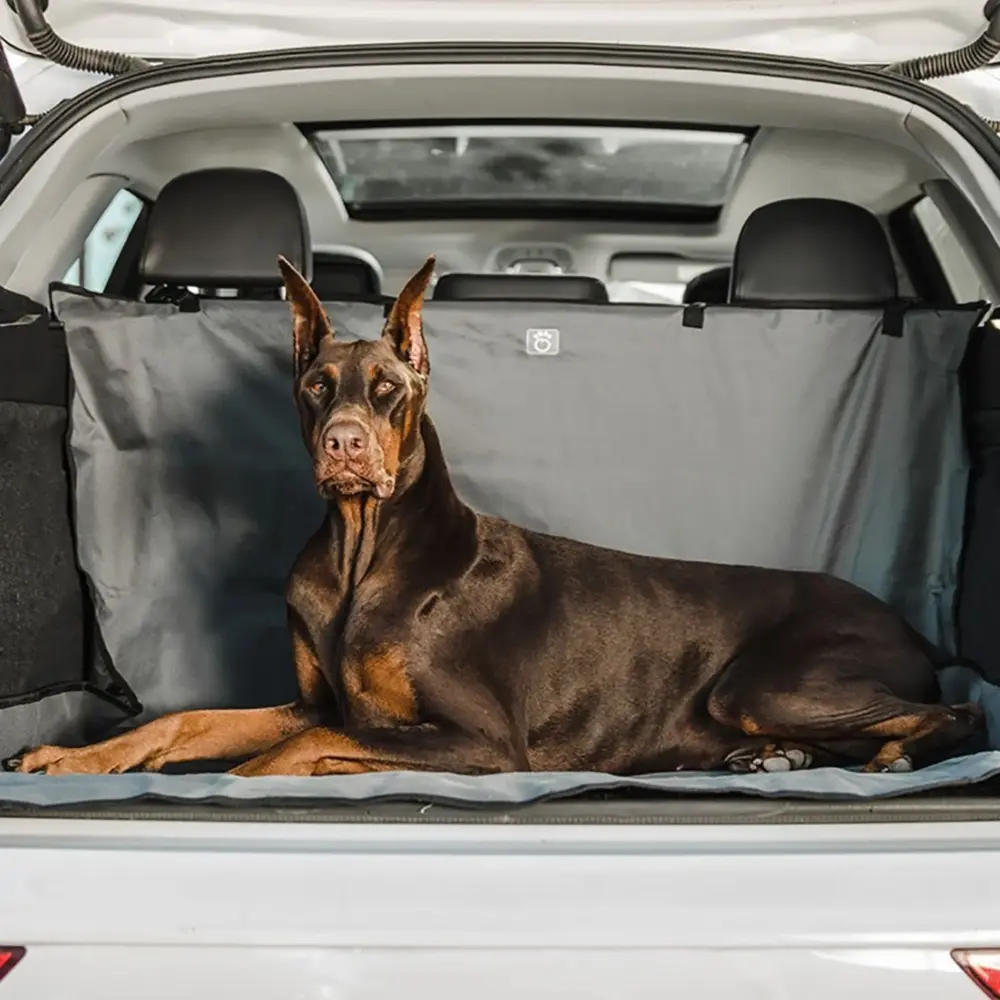
Why it fits: A cargo liner held by velcro strips and headrest straps, waterproof and machine washable, at fifty by fifty-nine inches for the boot.
-
GF PET
Bench Seat Cover, View product
$62.95
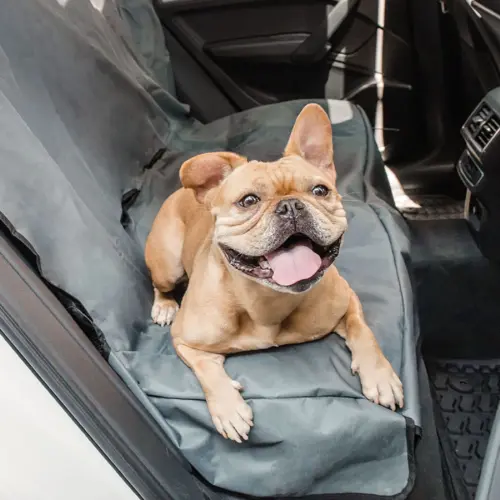
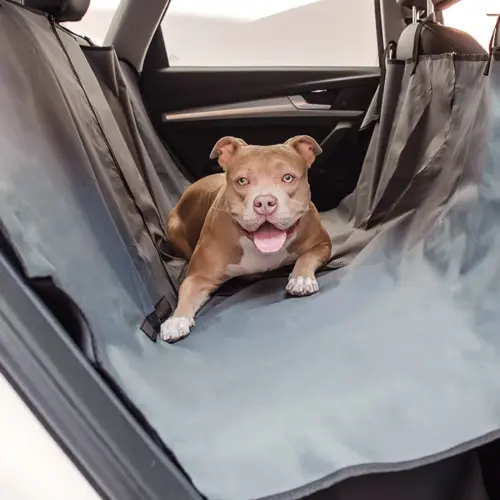
Why it fits: A full back-seat cover including the backrests, with belt slits so the seatbelts and a harness tether still work through it. Machine washable.
-
GF PET
Waterproof Dog Car Hammock Seat Cover, View product
$60.95
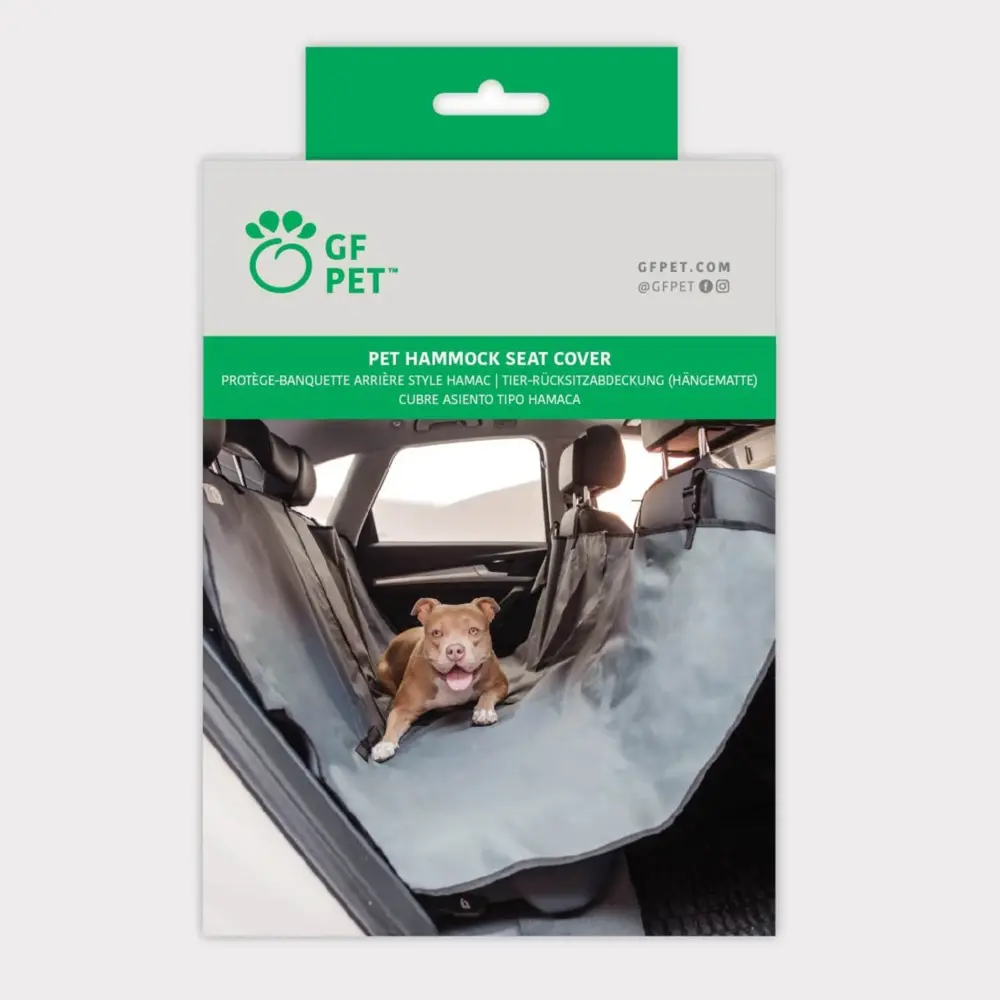
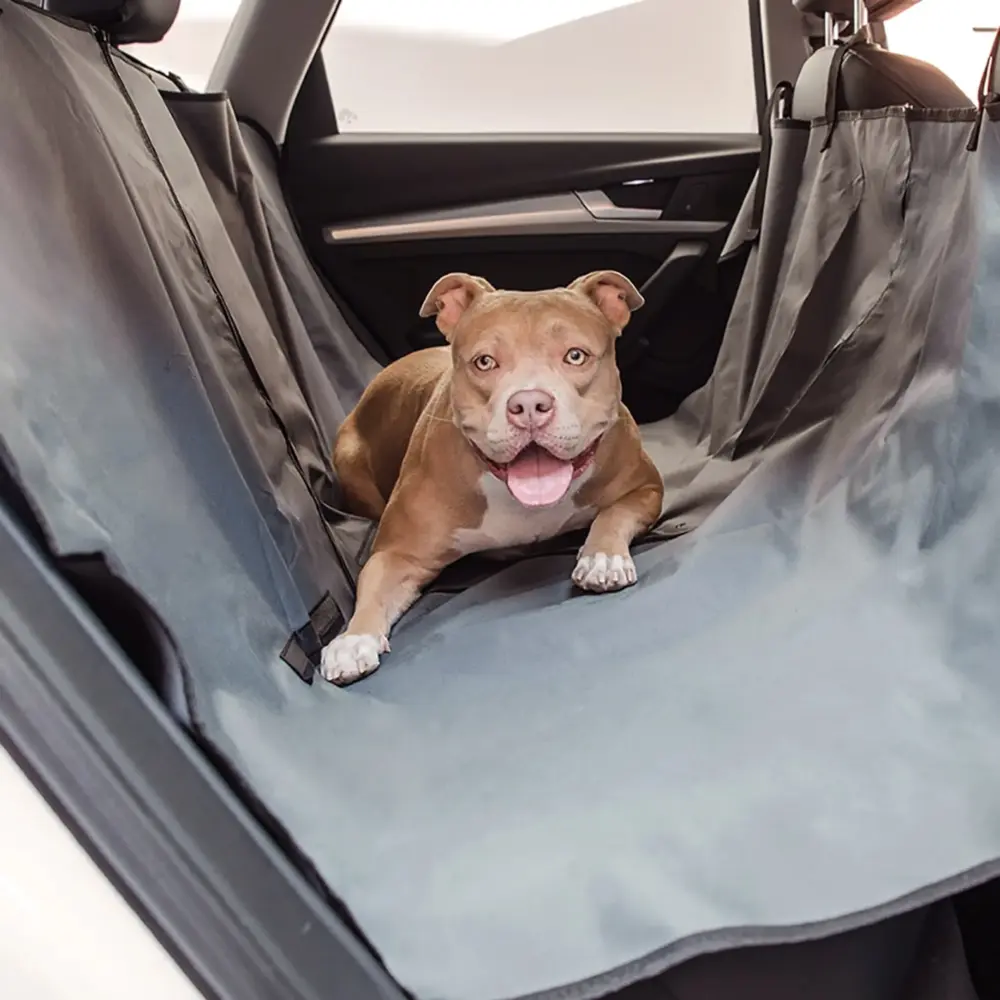
Why it fits: A hammock covering the rear bench and the backs of the front seats, with a detachable zipper so you can open one seat. Machine wash cold, lay flat to dry.
-
GOOPAWS
Waterproof Front Seat Cover for Dogs, Choose color
$43.95
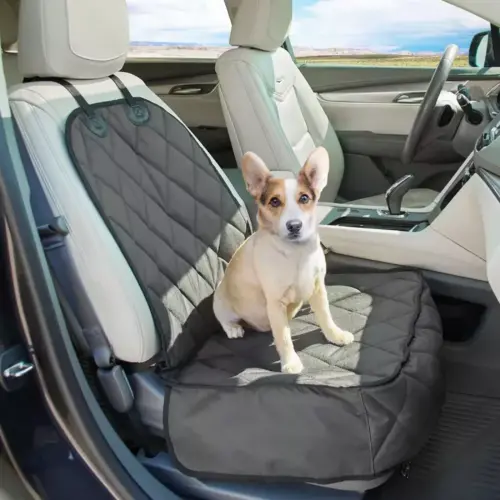
Why it fits: A front passenger seat cover in heavy oxford fabric with a non-slip backing, waterproof and machine washable without the colour bleeding.
A routine that keeps it easy
- Shake and brush the cover out after any muddy or hairy trip, before the hair sets in
- Wipe spills the same day; a waterproof cover gives you time, not immunity
- Full wash monthly for a dog in the car most days, seasonally otherwise
- Keep a towel in the car to dry the dog before they get on the cover
- Reproof once a year, or when water stops beading
- Check the straps and velcro for wear each time it goes back on
- Store it flat or rolled rather than creased in the same places
A cover protects the upholstery and does nothing for the rest of the interior, where most of the smell actually lives. Getting the dog smell out of a car covers the vents, carpet and headlining, and cargo liner vs back seat cover covers which cover you should be using in the first place.
Common questions
Can I put it in the dryer on low?
Unless the label specifically allows it, no. Low on a domestic dryer is still warm enough to damage a coating over repeated cycles, and the tumbling stresses the seam taping.
Why does my cover smell even after washing?
Either detergent residue trapping odour, or the smell is in the car rather than the cover. Run a cold wash with no detergent at all and two rinses to strip residue, then smell the cover and the seat separately.
How often should it be washed?
Monthly for regular use. More often if your dog swims, rolls in things or comes home wet, and immediately after any accident rather than at the next scheduled wash.
Related guides
-
Comparison
Cargo Liner vs Back Seat Cover: Where Should Your Dog Ride?
Where your dog rides decides which cover you need, and the two are not interchangeable. This comparison covers coverage, fitting, belt slits and cleaning, and is clear about what a cover does not do.
-
How-to
How to Protect Leather Car Seats From Your Dog
Claws, grit and wet coats are what mark leather seats. Fit a waterproof cover that stays put, keep nails short and smooth, clean paws at the car door, tether your dog so they lie down on turns, and wipe the leather the right way after muddy rides.
-
How-to
How to Install a Dog Car Hammock So It Stays Put
Fit a back-seat dog hammock so it stays put: prep the seat, clip the rear then the front headrest straps, tension them evenly, bring the buckles through the seat-belt openings for a tether, use the zipper for a passenger and fix sagging, sliding and gaps.