Walking & Training Guide
When You Need a Harness With a Handle, and How to Use It
Short answer
A grab handle gives you immediate close control without grabbing the collar or the scruff, which is useful at kerbs, doorways, on a vet table and when another dog appears without warning. It is not a lifting aid on an ordinary harness: the strap sits over the spine and lifting from a single point there is uncomfortable and potentially harmful. Harnesses built for assisted lifting have a different construction and usually two handles.
What the handle is for
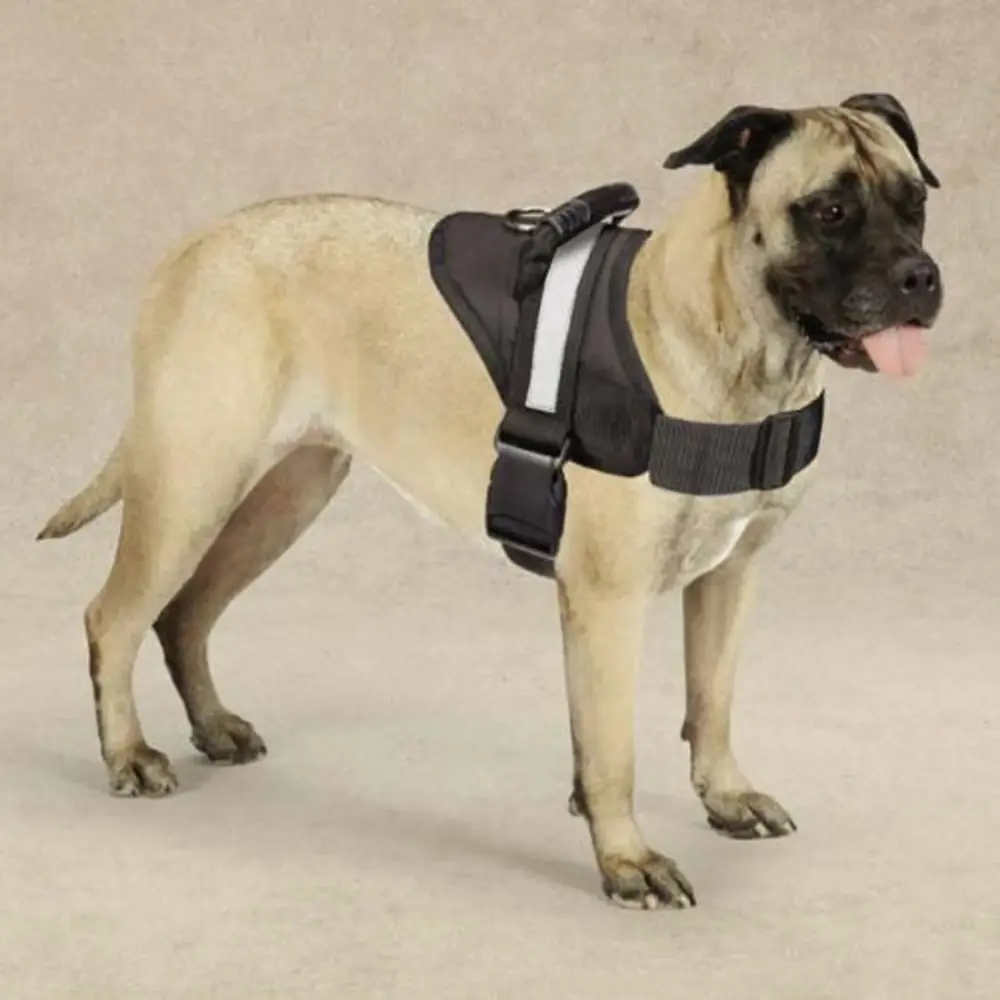
The handle is about the half-second where a lead is too long and a collar is the wrong thing to grab. It puts your hand on the dog’s back, which gives you control over direction and speed without any pressure on the neck.
Grabbing a collar in a moment of stress is a common cause of defensive bites, because it puts a hand at the face of a dog who is already aroused and restricts the throat. Grabbing the scruff is worse. A handle gives you a third option that most dogs barely notice.
Situations where it earns its place
- Kerbs and crossings. Shortening the lead takes two hands; the handle takes one.
- Narrow pavements and doorways, where another dog is passing closer than either dog would choose.
- Cyclists and runners coming from behind, where you need the dog beside you immediately.
- Getting in and out of a car, to stop a dog jumping out before you are ready.
- Vet tables and grooming tables, where steadying a dog is safer than holding the collar.
- Stairs with a nervous or elderly dog, as a steadying hand rather than taking weight.
- Scrambles on a walk: a steep step, a stile, a riverbank.
- Training with a reactive dog, where a predictable physical cue is calmer than hauling a lead.
For a dog who lunges or startles, the handle is genuinely valuable, and it works best alongside a training plan rather than instead of one. What to do when an off-leash dog approaches covers the situation it is most often used for.
The lifting question
This is where the honest answer differs from what the handle looks like it is for. People assume a strap across the back is for picking the dog up, and on most harnesses it is not.
A standard harness handle is a single strap stitched over the spine. Lifting a dog by it concentrates the dog’s whole weight along a narrow line over the vertebrae and pulls the shoulder straps up into the armpits. For a small dog lifted briefly it is uncomfortable. For a large dog, or for a dog with any back or joint problem, it can cause real harm.
Safety note
Do not use a single-handle harness to lift a dog over an obstacle, into a car or up stairs as a routine. If your dog needs help getting about, that is a conversation with your veterinarian, and the equipment for it is a support harness designed for the purpose. Dogs with suspected spinal injury should not be lifted by a harness at all; support the whole body on a flat surface and go straight to a veterinary practice.
Why a handle is not a lifting aid on most harnesses
| Standard grab handle | Assisted-lifting harness | |
|---|---|---|
| Number of handles | One, over the shoulders | Usually two: chest and hindquarters |
| Where the load goes | The spine, in a line | Spread across the chest and belly |
| Intended use | Control for a few seconds | Supporting weight repeatedly |
| Padding | Light | Substantial, wide panels |
| Suits | Any dog, for control | Older or mobility-impaired dogs |
| Can be left on unsupervised | No | No |
Harnesses built for assisted lifting
If the reason you are looking at handles is that your dog struggles with stairs, the car or standing up, the product you want is a mobility or support harness rather than a walking harness with a handle.
Those have wide padded panels under the chest and the belly, two handles so you can lift evenly front and back, and are sized to spread load rather than to control direction. Some are front-end only, some rear-end only, and some full body, depending on where the weakness is.
Get the underlying problem assessed first. Difficulty rising, reluctance on stairs and a changed gait are signs worth a veterinary appointment rather than equipment alone; signs a dog is in pain covers what to look for, and senior-proofing your home covers the changes that often help more than a harness.
Handle position and length
A handle sited too far back sits over the lumbar spine, which is the worst place to apply upward force. It should sit across the shoulders, roughly above the front legs, where the dog is strongest and where you have most control over direction.
Length matters for your hand rather than the dog. A handle you can only get two fingers into is useless in a hurry, especially in gloves. A handle long enough to grip properly but short enough that it lies flat is the compromise to look for.
Padding under the handle spreads the pressure and is worth having. So is the handle lying flat when not in use, since a loop standing proud of the back is the one that catches on things.
Hazards: doors, car doors and scrambles
A handle is a loop, and loops catch. The realistic risks are a handle hooking on a door latch, a car door, a crate fastening, a branch or a fence, and a dog who panics when caught.
- Take the harness off when the dog is loose in the house or garden
- Never leave a handled harness on a dog in a crate
- Watch it around car doors and boot latches, where it is at exactly the right height
- Avoid handled harnesses for dogs who run through undergrowth off lead
- Check the stitching at the handle base regularly, since that takes the most load
- Do not clip a lead to the handle unless the maker says it is rated for it
Our picks
-
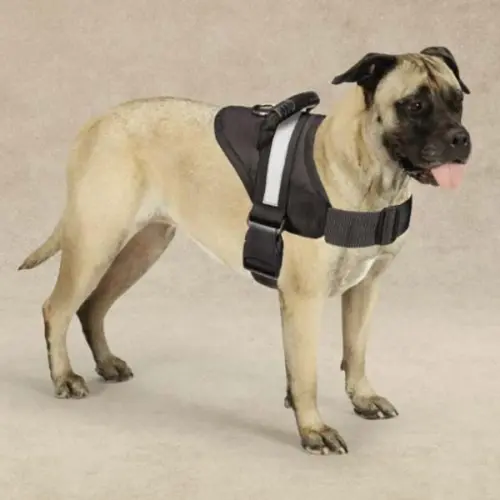
Guardian Gear
Excursion Dog Harness, Choose size
Price range: $35.95 through $48.95
Why it fits: A padded harness with an easy-grab handle across the shoulders and a reflective strip above the D-ring, with quick-release buckles and four chest sizes.
-
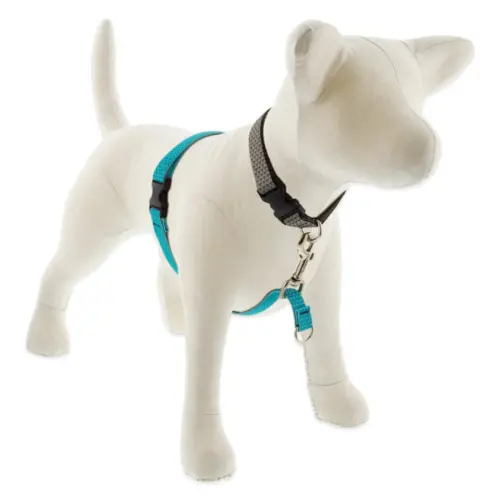
Lupine Pet
Lupine Eco No-Pull Training Harness, Choose size & design
Price range: $38.95 through $40.95
Why it fits: A no-pull harness that attaches to the collar and lead you already own, with welded steel hardware, for control through training rather than a handle.
-
Lupine Pet
Reflective No-Pull Dog Harness, Choose size & design
Price range: $41.95 through $45.95
Why it fits: A front-clip training harness with reflective weave, which redirects a pulling dog back toward you rather than relying on a grab.

How to practise using it
Reaching for a handle in a real moment should be automatic, and it will not be unless you have done it when nothing is happening.
- With the dog standing calmly, take the handle, hold it for a second, release and reward. Repeat ten times across a few days.
- Add gentle steering: take the handle, guide the dog a step sideways, release, reward.
- Practise at doorways and kerbs with no traffic, so the dog associates the handle with pausing rather than with alarm.
- Practise with your non-dominant hand, since the lead will be in the other one.
- Practise in gloves and in the dark, which is when you will actually need it.
- Never use it as a punishment or to drag the dog; a handle that predicts something unpleasant stops being usable.
Fit comes first for any of this to work. A harness that shifts when you take the handle is the wrong size: see measuring a dog for a harness, and if you are layering over a coat, harness under or over a dog coat.
Handles in the car
Getting a dog out of a car is one of the moments a handle is most useful and most misunderstood. The useful part is control at the door: taking the handle before you open it, so the dog cannot jump out into a road or a car park before you are ready.
The part that is not useful is lifting a dog down from a boot by it. That is the same single-point load over the spine, applied to a dog who is also moving, and for a large or elderly dog a ramp is the correct answer rather than a handle and a strong back.
A handle is also not a restraint. A dog travelling must be secured by a harness and tether made for vehicle use, or in a crate anchored to the car; holding the handle while driving is neither possible nor safe. A dog who jumps out of the car covers the training that removes the need to grab anything.
Fitting a handled harness correctly
A handle magnifies every fitting error, because taking hold of it applies force to whatever is underneath. A harness that is slightly loose will slide forward and press on the throat the moment you lift the handle.
- Measure the chest at its widest point, just behind the front legs, and choose the size range that includes it.
- Fit the harness with the dog standing, not sitting, so the straps sit where they will be in use.
- Adjust until two fingers slide under every strap with moderate resistance.
- Take the handle and lift gently until the harness is just taking tension; nothing should slide.
- Check that the chest strap sits across the breastbone and not against the windpipe.
- Walk a few paces, then re-check, since webbing settles as the dog moves.
Re-check the fit monthly, and after any change in weight or coat length. A harness that fitted a dog with a winter coat is loose once they have shed.
Common questions
Can I lift a small dog by the handle?
Briefly and rarely, supporting the chest with your other hand. For anything routine, pick the dog up properly with a hand under the chest and one under the hindquarters: when to pick up a small dog covers both the technique and when not to.
Is a handle useful for a puppy?
Yes, for steadying at kerbs and in the car, and it is a good age to make being held by the harness entirely unremarkable. Do not use it to lift a growing puppy.
Does a handle replace a short lead?
No. A handle is for a second or two of close control. A short lead or a traffic handle on the lead is the right tool for walking in a crowd or along a busy road.
Related guides
-
Comparison
Slip Lead vs Standard Leash: When Each One Belongs
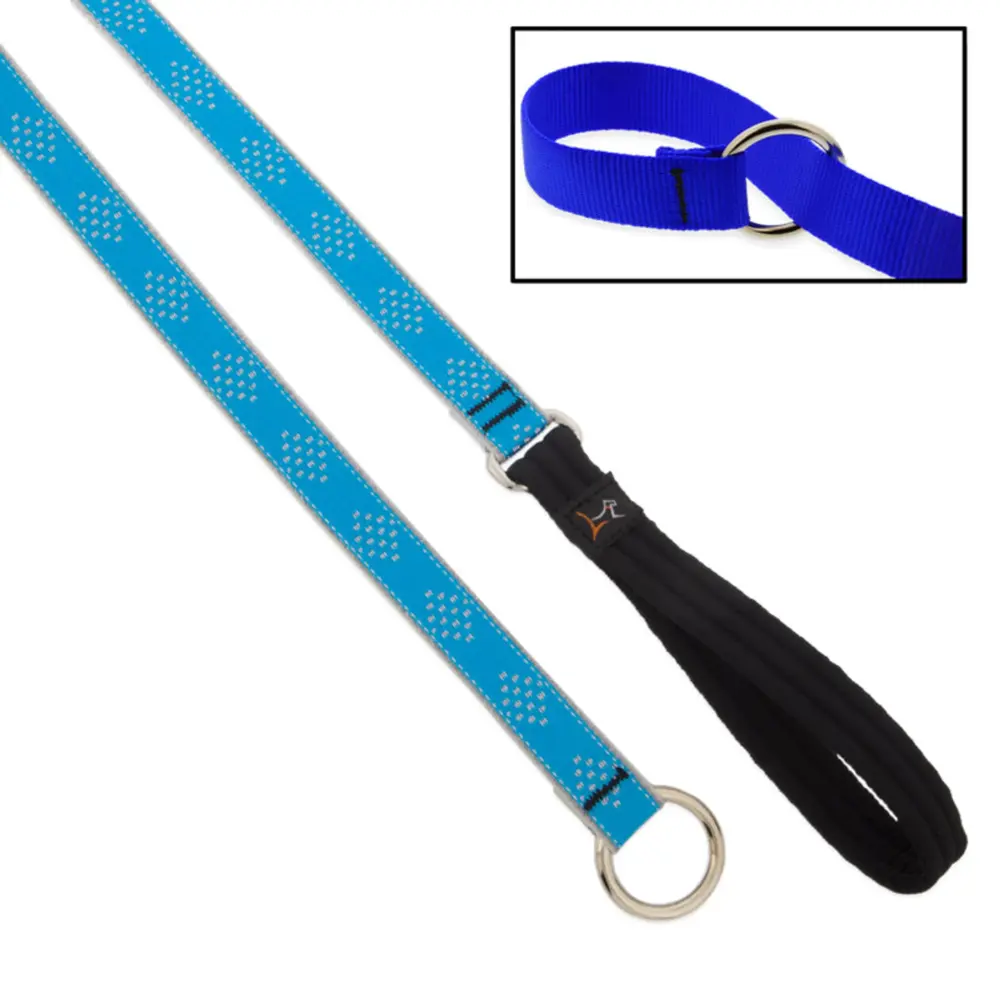
A slip lead is a collar and lead in one piece that tightens when a dog pulls. That makes it excellent for handling and a poor everyday choice for a dog who pulls constantly. This comparison covers both sides honestly.
-
How-to
How to Use a Long Line for Recall Training
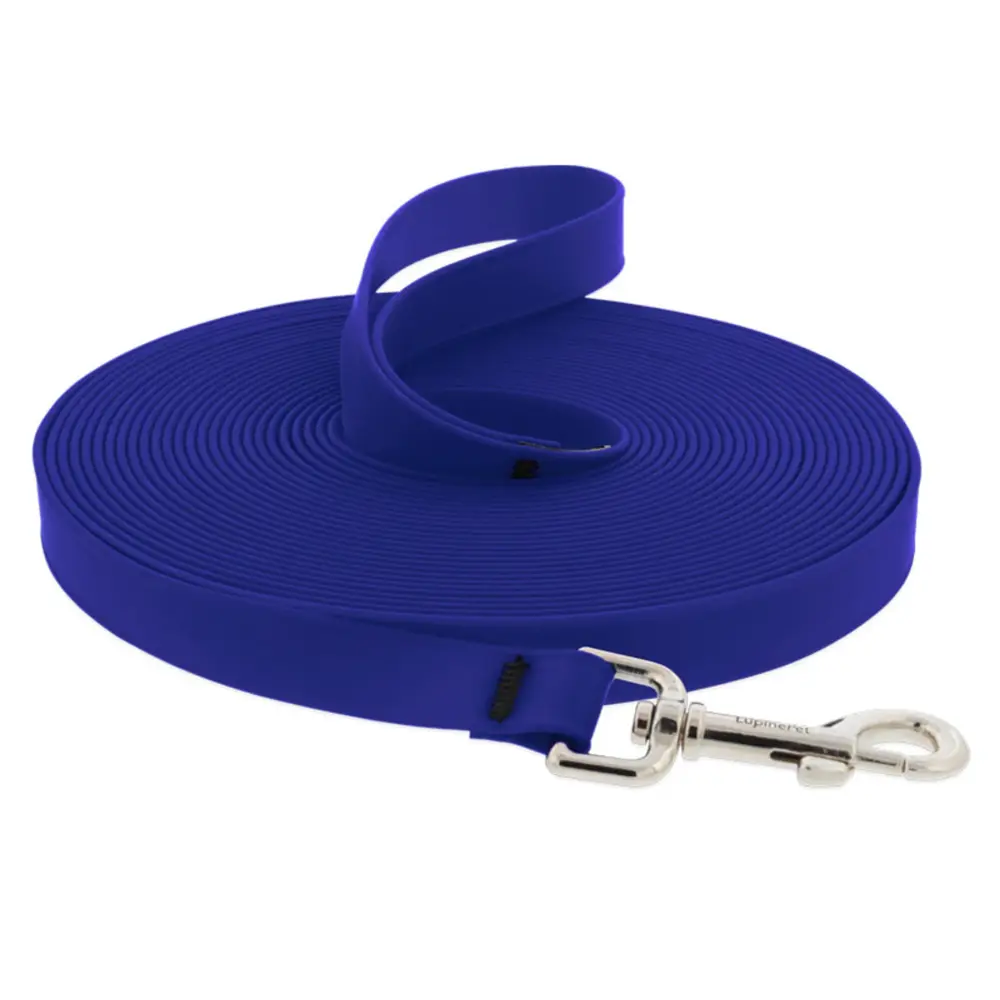
A long line gives a dog real freedom while you keep a way to stop things going wrong. This guide covers choosing a length, why it goes on a harness, how to handle it without burning your hands, and how recall training actually progresses.
-
How-to
Harness Under or Over a Dog Coat? How to Layer Them Properly
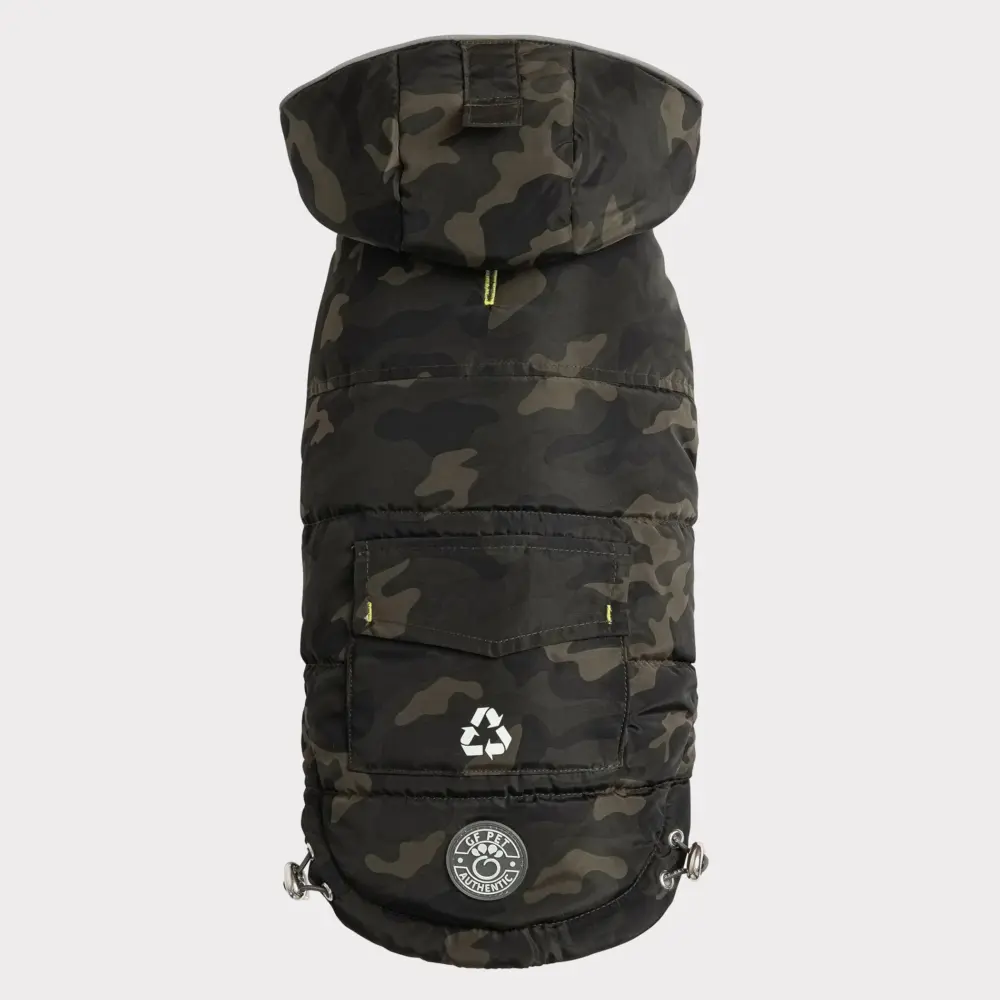
Two pieces of gear on one dog is a mechanical problem nobody explains when you buy either of them. This covers when the harness goes underneath, when it goes on top, what a leash opening is for, and how to stop a coat twisting halfway down the street.