Walking & Training How-to
How to Use a Long Line for Recall Training
Short answer
Attach a long line to a well-fitted harness, never a collar, and let it trail or hold it in loose folds rather than wrapping it around your hand. Use it in open space away from other dogs, and treat it as a safety net for recall practice rather than a way to control the dog.
What a long line is for
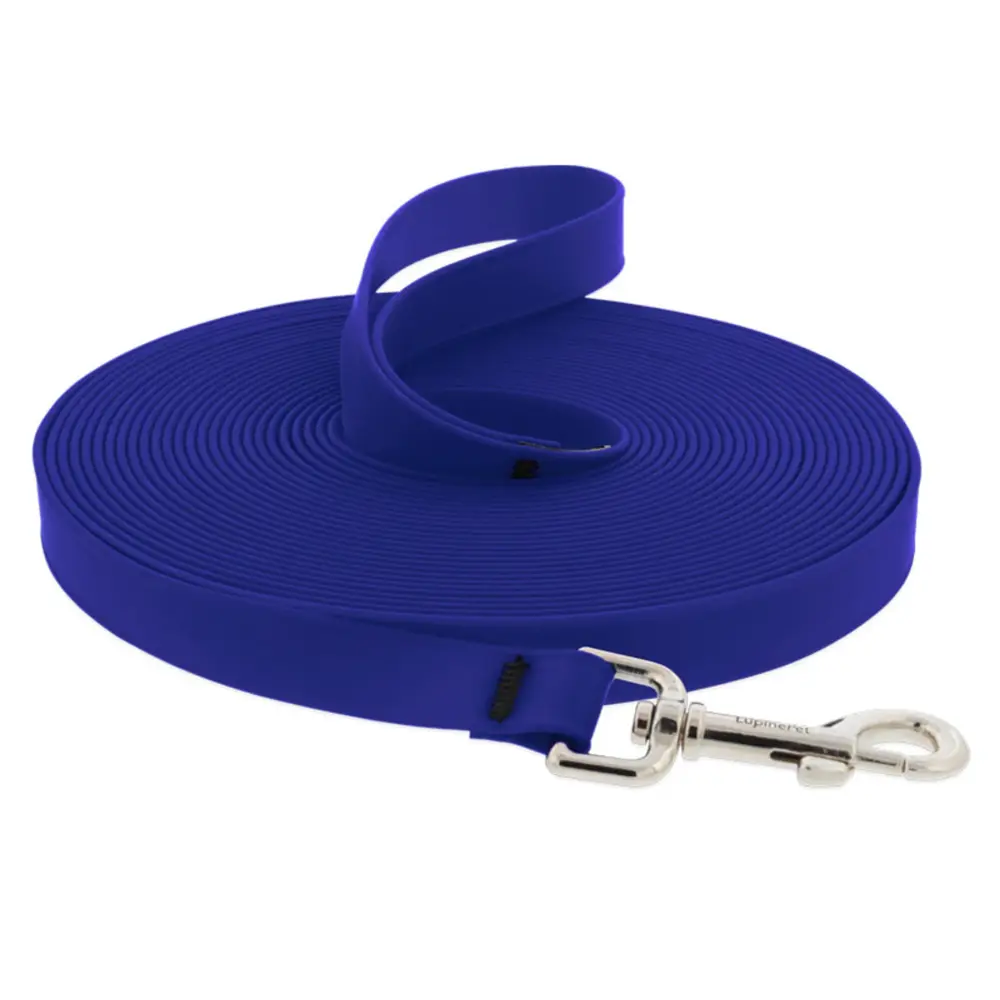
A long line is a training lead, typically between fifteen and thirty feet. Its job is to give a dog genuine freedom to move, sniff and make choices while you keep the ability to prevent a disaster. It is how most reliable recalls are built, and it is also how dogs who cannot yet be trusted off lead get a decent walk.
It is not an extendable lead. A retractable lead keeps constant tension, which teaches a dog that pulling produces freedom, and it offers very little in training terms. A long line is slack by default, which is the entire point.
Choosing a length
| Length | Best for |
|---|---|
| 10 to 15 feet | Close recall work, busy areas, small spaces |
| 20 feet | A general-purpose compromise |
| 30 feet | Open fields, distance recall, sniffing walks |
| Over 30 feet | Specialist work; difficult to manage safely |
Start shorter than you think. A thirty-foot line in a hedgerow is a knot, and a dog at full extension moving fast generates a surprising amount of force. Many handlers keep a fifteen-foot line for most days and a thirty for open ground.
Harness, never a collar
This is the safety rule that matters most. A dog running at full speed who hits the end of a thirty-foot line puts a sudden, considerable force through whatever it is attached to. Through a collar, that force goes into the neck.
Use a well-fitted harness with a back attachment point. Check the fit first: two fingers under every strap, no rubbing behind the front legs, and nothing your dog can back out of. Measuring a dog for a harness and a dog backing out of a harness both cover fit.
Holding it without hurting yourself
Safety note
Never wrap a long line around your hand, wrist or waist. Rope burns and broken fingers are the common injuries, and they happen in the moment a dog accelerates unexpectedly. Gloves are sensible with rope lines.
- Hold the line in loose folds in one hand, ready to drop
- Let the excess trail on the ground rather than carrying all of it
- Step on the line to stop a dog rather than grabbing it as it runs out
- Keep it slack; a long line under constant tension is just a long lead
- Watch where the line is relative to your own legs and other people
- Coil it loosely when you finish, never in tight loops that tangle
The first session
- Choose open, flat ground with no other dogs and no roads.
- Fit the harness and attach the line to the back ring.
- Let the line trail and walk normally, saying nothing.
- Let your dog discover the freedom for several minutes before asking for anything.
- Call once, in a bright voice, when your dog is already heading vaguely toward you.
- Pay generously when they arrive, then release them again immediately.
- Finish while it is going well, after ten minutes or so.
That last point does most of the work. A recall that always ends the fun teaches a dog that coming back is a bad deal. Calling, rewarding and releasing again several times a walk is what makes recall reliable.
Building recall step by step
Progress by distance and distraction separately, never both at once. A dog who recalls from thirty feet in an empty field cannot necessarily recall from ten feet with another dog in view, and expecting that is the usual reason recall training stalls.
- Short distance, no distractions, high reward. Repeat until it is boring.
- Increase distance gradually, keeping distractions at zero.
- Return to short distance and add a mild distraction.
- Build distraction slowly at short distance.
- Only then combine moderate distance with mild distraction.
- If a recall fails twice, make it easier rather than repeating it.
- Keep the line on far longer than you think you need to.
-
Splash Waterproof Training Leash, Choose size & design
Price range: $55.95 through $83.95
Why it fits: BioThane in 15 and 30 foot lengths, which wipes clean instead of soaking up mud and smell.
-
Lupine Pet
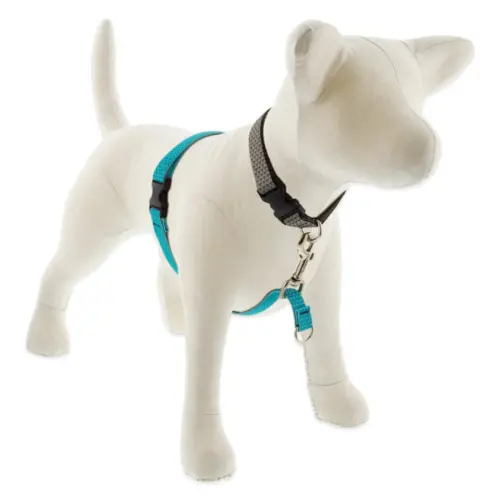
Lupine Eco No-Pull Training Harness, Choose size & design
Price range: $38.95 through $40.95
Why it fits: A no-pull harness that attaches to an existing collar and lead, with welded steel hardware.
-
Guardian Gear
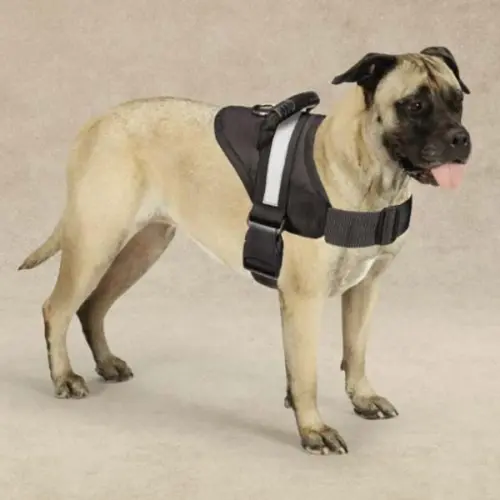
Excursion Dog Harness, Choose size
Price range: $35.95 through $48.95
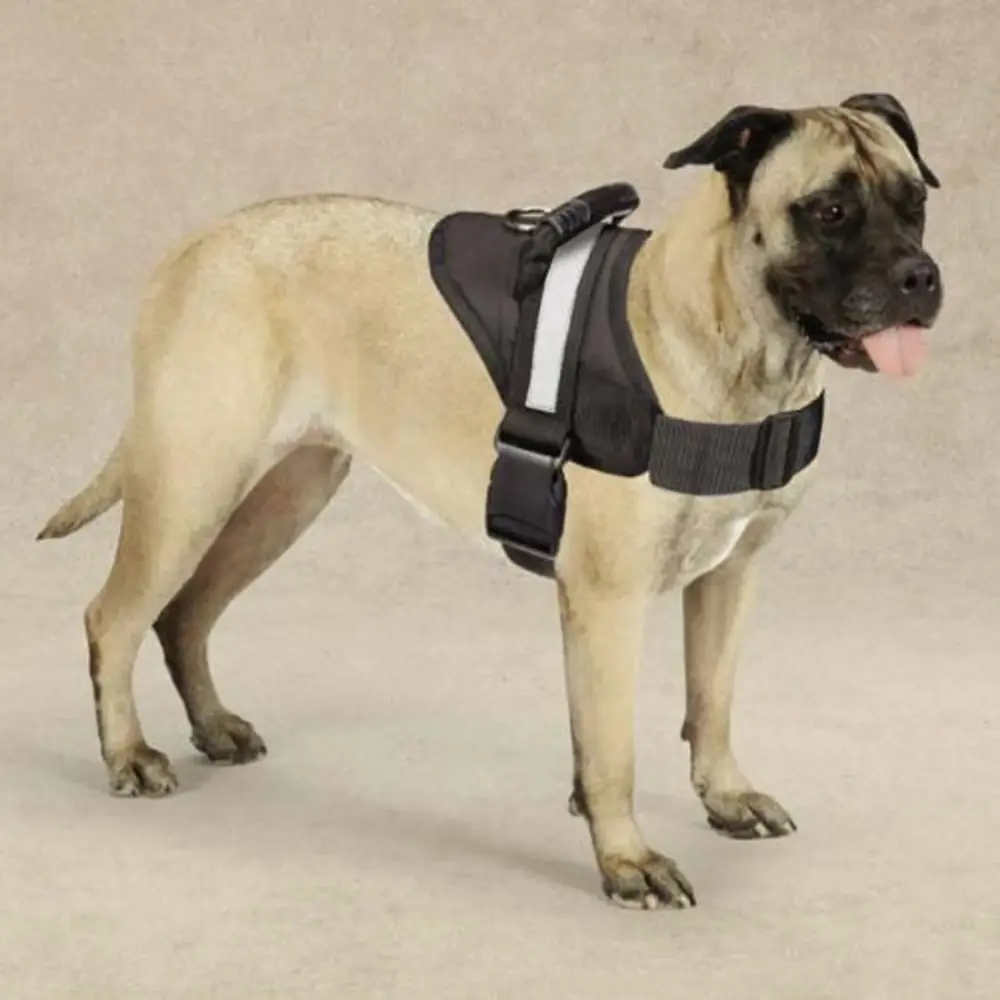
Why it fits: A padded harness with a grab handle, useful for the moments when you need immediate control.
-
Dockside Adventures
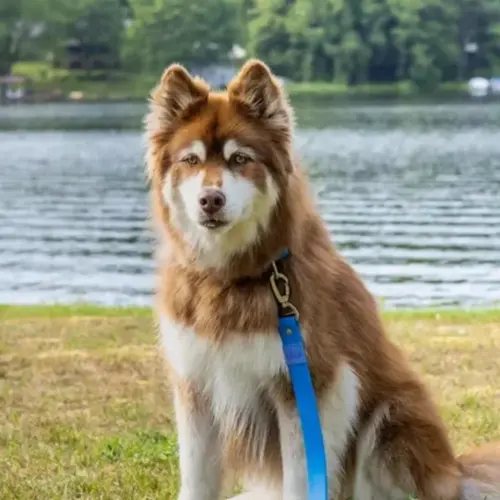
Waterproof Dog Leash, View product
$42.95
Why it fits: A six-foot waterproof lead for the walk to and from the training ground.
Where not to use one
- Anywhere with traffic close by
- Narrow paths, where the line crosses other people and dogs
- Around unfamiliar dogs, where a trailing line becomes a tangle
- Woodland with dense undergrowth, which catches the line constantly
- Beaches with other dogs off lead, for the same reason
- Anywhere your dog could get the line caught and be stuck
Tip
Material matters here. Webbing soaks up water and gets heavy; rope holds mud and burns hands. A coated line of the sort used for all-weather training lines wipes clean and stays flexible in the cold. BioThane versus nylon leashes compares them.
Common mistakes
- Using it to reel a dog in. That teaches the dog to resist, not to come.
- Calling when you know the dog will not come. Every ignored recall weakens the cue.
- Only calling to end the walk. The dog learns what recall predicts.
- Removing it too soon. Most people go off lead weeks before the recall is ready.
- Attaching to a collar. Covered above, and worth repeating.
- Wrapping it around a hand. Also covered above, also worth repeating.
Moving to off-leash
Before dropping the line entirely, there is a useful intermediate stage: let the line trail without holding it for several sessions, then shorten it to a few feet of trailing cord, then remove it. That keeps the dog’s experience consistent while removing your safety net gradually.
Be honest about whether your dog is ready. Reliable means responding first time, in that environment, with that level of distraction, most of the time. A dog who comes back when nothing interesting is happening is not yet trained; they are just not currently tempted.
Choosing the ground
Where you use a long line matters as much as how. The ideal is open, flat, enclosed if possible, with few other dogs and nothing the line can wrap around.
| Location | Verdict |
|---|---|
| Enclosed training field | Ideal |
| Open park, quiet hours | Good |
| Beach at low tide | Good; rinse the line after |
| Woodland with undergrowth | Poor; constant tangles |
| Busy park | Poor; a hazard to others |
| Anywhere near traffic | No |
Enclosed hire fields have become widely available and are worth the cost for the early sessions, particularly for a dog with no recall at all or one who is reactive to other dogs.
Looking after the line
- Rinse after salt water or heavy mud
- Check the clip weekly; it is the part that fails
- Check the stitching at both ends
- Store it coiled loosely rather than knotted
- Replace any line with a cut, fray or crack
- Keep a shorter everyday lead as well; a long line is not a walking lead
The last point is worth stating plainly. A thirty-foot line is a training tool, not something to walk a dog on along a pavement, and using it that way is how people and dogs get tangled and hurt.
Common questions
Is a long line the same as a retractable lead?
No. A retractable lead keeps constant tension and rewards pulling. A long line is slack by default, which is what allows the dog to make choices and you to train them.
What length should I start with?
Fifteen feet suits most people for most of the time. Move to thirty only when you are comfortable handling the shorter one and you have the space for it.
Can I use one on a puppy?
Yes, and it is one of the best uses for it. Puppies naturally stay close, which makes early recall training easy, and a line prevents the one bad incident that sets everything back. How to leash train a puppy covers the basics first.
My dog just stands still when the line is on. Why?
Usually the weight, or the novelty. Start with a lighter, shorter line indoors or in the garden, let them drag it with no pressure, and build up. Most dogs ignore it within a couple of sessions.
How long before I can let my dog off lead?
Longer than most people allow, and it depends entirely on the dog and the environment. Scent hounds and young adolescents often need months of line work. There is no cost to leaving the line on an extra month, and a real cost to removing it a week early.
For walking manners rather than recall, see how to stop a dog pulling on the leash and how to hold a dog leash. For why this matters to the dog, see what dogs actually enjoy.
Related guides
-
Comparison
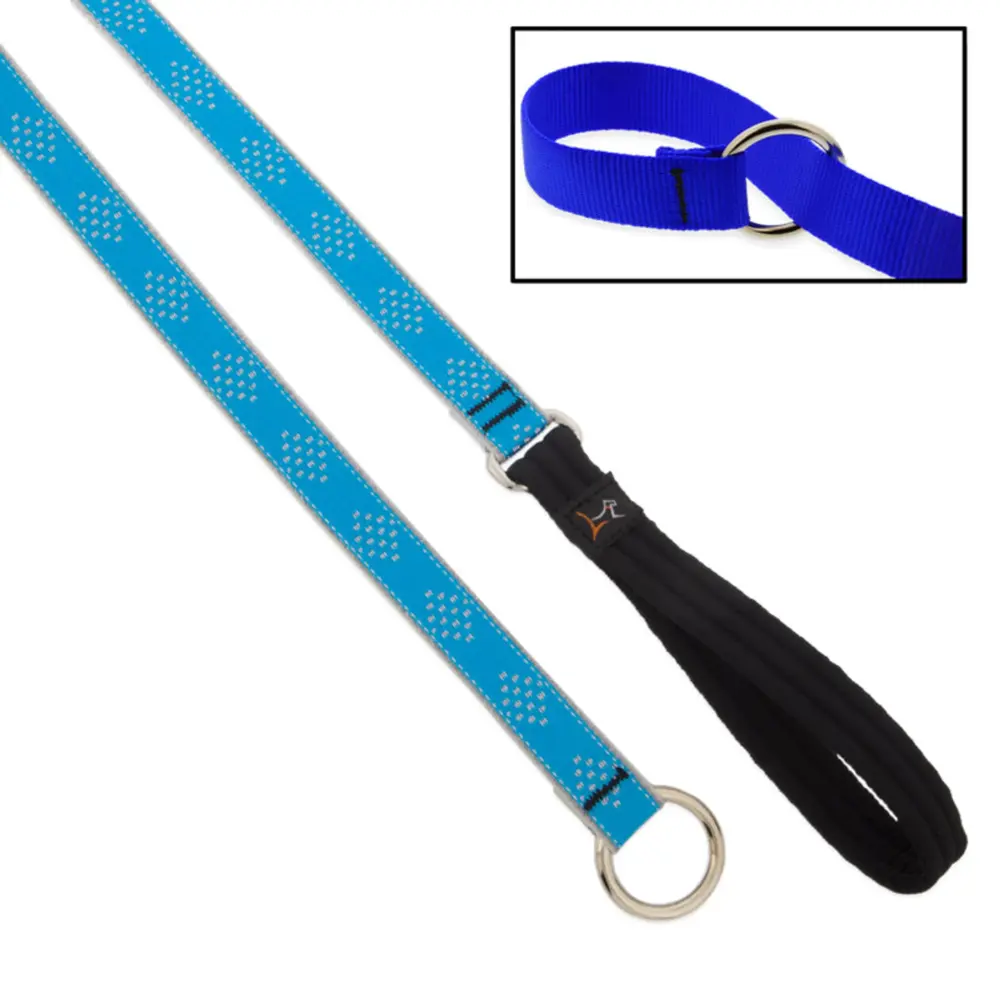
Slip Lead vs Standard Leash: When Each One Belongs
A slip lead is a collar and lead in one piece that tightens when a dog pulls. That makes it excellent for handling and a poor everyday choice for a dog who pulls constantly. This comparison covers both sides honestly.
-
Guide
When You Need a Harness With a Handle, and How to Use It
The handle on a harness looks like a lifting strap and is not one. This covers the situations where it earns its place, the honest answer about lifting a dog by it, the harnesses actually built for assisted lifting, and the hazards of leaving a handle on a loose dog.
-
Comparison
BioThane vs Nylon Leashes: Which Holds Up Better
Coated webbing and traditional nylon behave completely differently once they get wet. This comparison covers how BioThane is made, where it genuinely wins, and the situations where nylon remains the sensible choice.