Journal Guide
What Dogs Actually Enjoy: Sniffing, Chewing, Company and Choice
Short answer
Most dogs enjoy sniffing, chewing, company on their own terms, and having some say in what happens. A slow walk with time to sniff is usually more satisfying than a fast long one, and choice matters more than quantity in almost every part of a dog’s day.
Enjoyment is not the same as exercise
The default answer to a dog who is unsettled is more walking. Sometimes that works. Often it produces a fitter dog with the same problem, because distance is not what most dogs were asking for.
Dogs are built around a set of behaviours: finding things, investigating them, carrying, chewing, dissecting, and being near their group. A day that includes those tends to produce a settled dog. A day of brisk road walking and nothing else usually does not.
Sniffing is the main event
Scent is the primary sense for a dog in a way that is hard to imagine. A dog reading a lamp post is doing something cognitively demanding, which is why sniffing walks tire dogs out and why a dog who has been allowed to sniff properly often sleeps afterwards.
- Let the walk be slow. A twenty-minute sniffing walk can do more than an hour of heeling.
- Use a longer lead on safe ground, so your dog can follow a scent rather than being pulled off it.
- Change the route. New ground has new information. The same loop every day is the canine equivalent of rereading one page.
- Scatter feed. Throwing a handful of kibble into grass turns a meal into twenty minutes of searching.
- Let them choose direction sometimes. On a quiet route, following the dog is an activity in itself.
Tip
This is the single cheapest change most owners can make. Nothing on this page costs less than letting a walk take longer and go nowhere in particular.
Chewing and shredding
Chewing is self-soothing for dogs and the urge does not go away with age. A dog with no legitimate outlet chews whatever is available, which is where most skirting boards go. Shredding and dissecting, pulling a toy apart to get at what is inside, is the same instinct in a different form.
The practical version is to provide the behaviour rather than suppress it: something safe to chew in the evening, a toy that can be taken apart, or a cardboard box with food hidden in it. Supervise anything destructible, and retire a toy once it starts coming apart in pieces that could be swallowed.
Company, and the dogs who want less
Most dogs want to be near their people, which is different from wanting constant attention. A dog lying in the same room while you work is getting what they want. Being handled, talked at and moved around is often not.
Dog-to-dog company is more individual. Some dogs love other dogs, many are selective, and plenty of adult dogs would rather walk past than meet. Forcing greetings on a dog who does not want them is one of the more common causes of lead reactivity. If your dog does enjoy company, arranging it properly helps: how to set up a dog playdate covers matching and management.
Working out what your own dog likes
Breed tendencies are a starting point, not an answer. The reliable method is to offer options and watch what gets chosen, which takes a week and tells you more than any list.
- Pick four activities: a sniffing walk, a tug game, a food puzzle, and a training session with something your dog finds easy.
- Offer two of them in the same session and let the dog choose which to engage with.
- Note what they pick, how long they stay with it, and how settled they are afterwards.
- Repeat across a week, varying the pairings.
- Look at what they return to rather than what they engage with first; novelty skews the first minute.
- Build the week around the two or three that come out on top.
The after-effect is the most useful measure. An activity that genuinely suits a dog leaves them settled and sleepy. An activity that winds them up without satisfying them leaves them pacing, mouthy or unable to lie down, which is a common outcome of repetitive ball chasing.
Choice: the most underrated reward
Dogs live in a world where almost everything is decided for them: when they eat, where they go, how long they get to sniff, who they meet. Giving back small amounts of choice has a visible effect on confidence.
- Which way to turn at a junction on a quiet route
- Whether to greet a person or dog, with your support either way
- Where to settle in the room
- Whether to join an activity or sit it out
- When a grooming or handling session ends
Breed and individual differences
What a dog enjoys is partly what they were bred to do. Retrievers want to carry things. Terriers want to dig and dissect. Herding breeds want to chase movement and are often happier with a job than a walk. Scent hounds want to follow a trail for as long as you will let them.
Working with that is far easier than working against it. A terrier with a digging pit and a shredding toy is a much calmer terrier than one told to stop doing both.
Things people assume dogs enjoy
A few of the standard rewards are less popular with dogs than they look, and knowing which ones saves a lot of wasted effort.
- The dog park. Brilliant for some dogs, genuinely unpleasant for many. A crowded park full of unknown dogs with no exit is a stressful place for anything other than a confident, sociable adult.
- Constant petting. Most dogs want contact in bursts, with gaps. Watch whether your dog re-initiates when you stop; if they do not, they were tolerating it.
- Being hugged. A human affection signal that restricts a dog. Most accept it from their own people and few actively enjoy it.
- Dressing up. Clothing has real uses in cold and rain, as our guide on which dogs need a coat explains, but costumes are for the photograph rather than the dog.
- Endless ball throwing. Repetitive high-speed chasing is hard on joints and winds some dogs up rather than tiring them. Mix it with sniffing and finish before they are exhausted.
Signs you got it right
The feedback is easy to read once you know what to look for. A dog whose needs are being met sleeps deeply and often, settles without being asked, greets people and then disengages, eats normally, and recovers quickly from something startling. They are curious rather than hyper-vigilant, and they can do nothing for an hour without inventing a project.
The opposite picture, a dog who cannot settle, follows you room to room, chews the furniture or barks at every sound, usually means one of the four needs above is missing rather than that the dog needs another walk.
Building a week your dog would choose
A workable pattern for most adult dogs: one or two slow sniffing walks a day, one short burst of real movement a few times a week, something to chew most evenings, a food puzzle on days you are busy, and plenty of uninterrupted sleep around all of it.
-
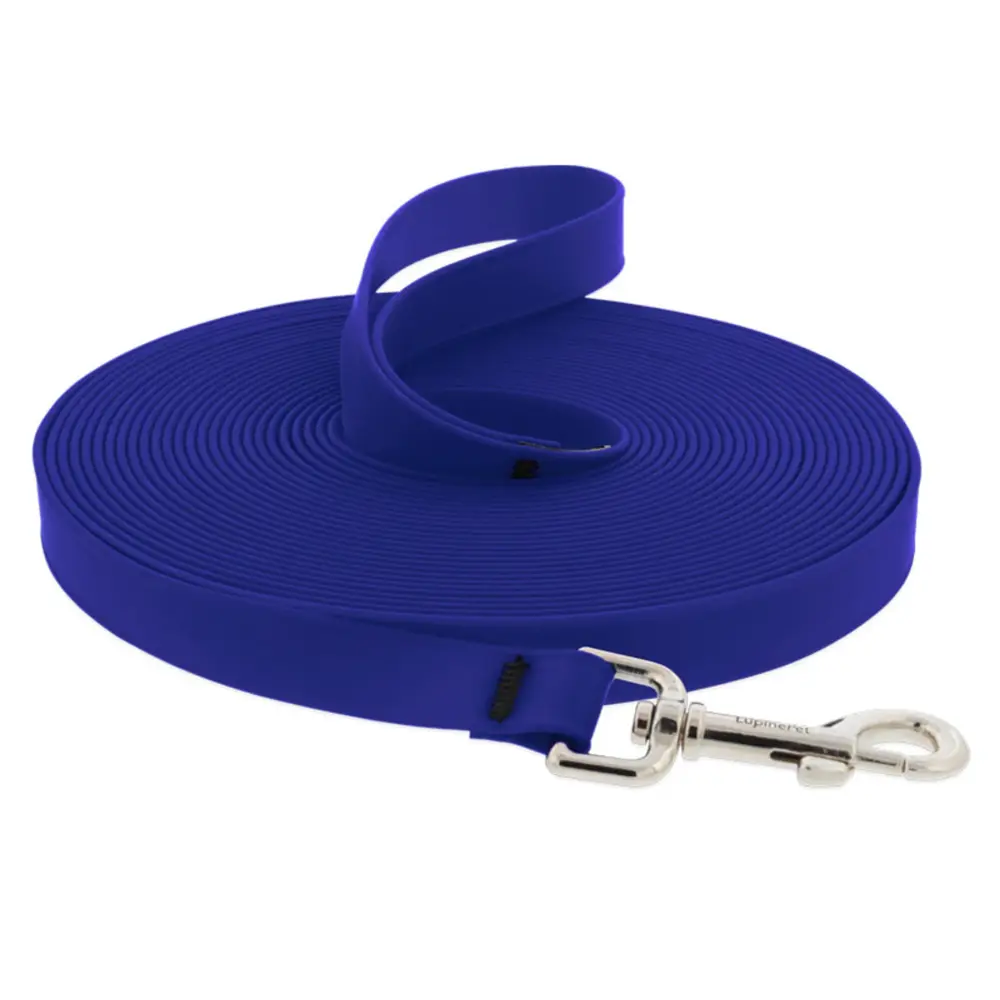
Splash Waterproof Training Leash, Choose size & design
Price range: $55.95 through $83.95
Why it fits: Gives a dog real sniffing range on safe ground; distance on a long line beats distance on a tight lead every time.
-
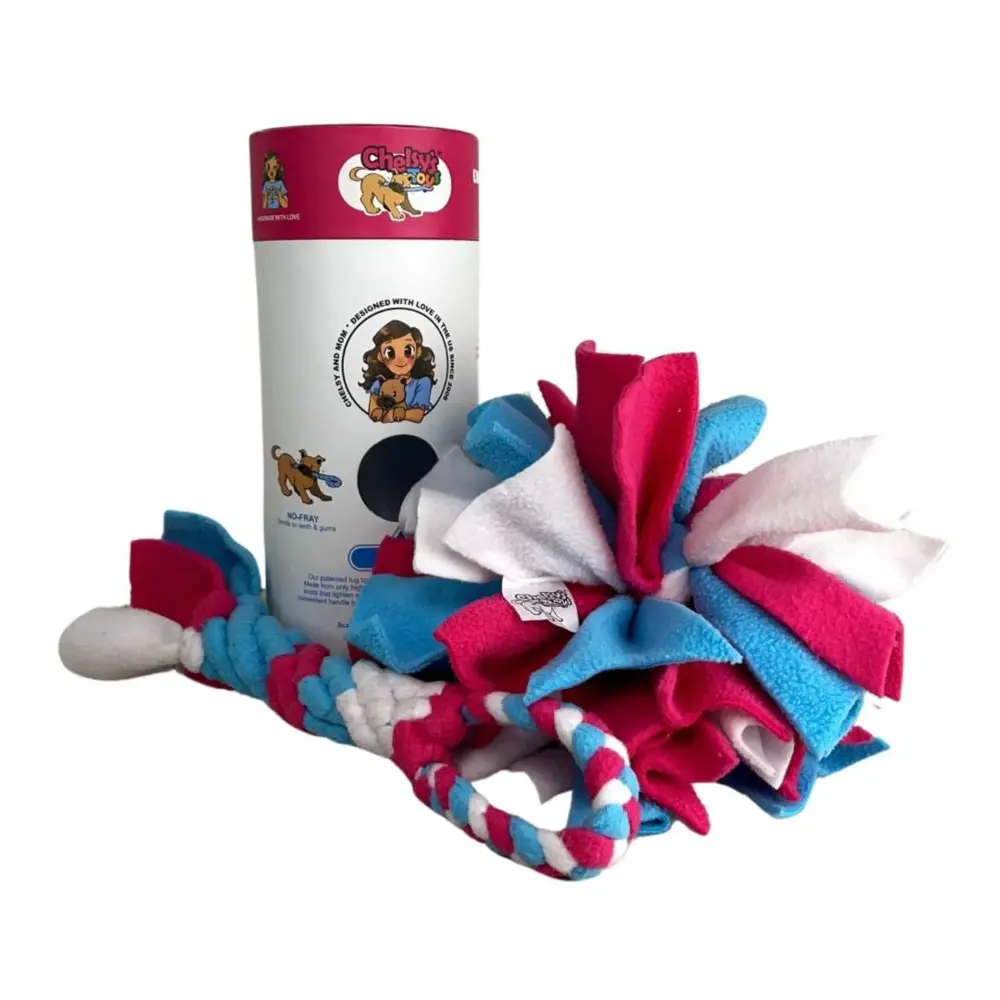
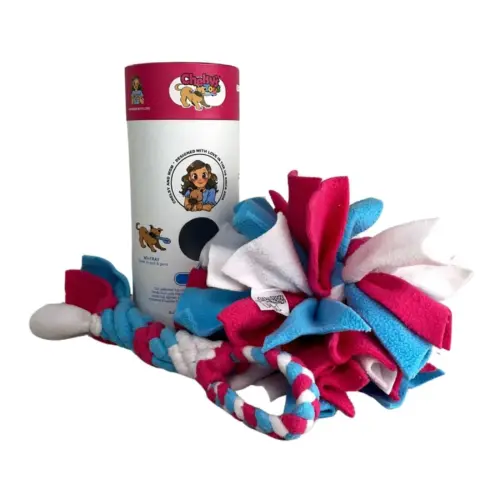
3-in-1 Dog Enrichment Tube, Choose color
$42.95
Why it fits: Three jobs in one toy: tugging, working food out and snuffling, which covers most of what dogs enjoy indoors.
-
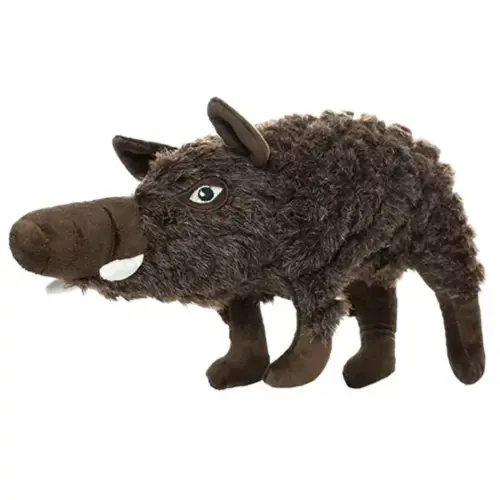
Mighty
Massive Javelina Dog Toy, Choose color
Price range: $48.95 through $55.95
Why it fits: A big plush toy for dogs who shake and carry; the two-layer build survives the game it is designed for.
-
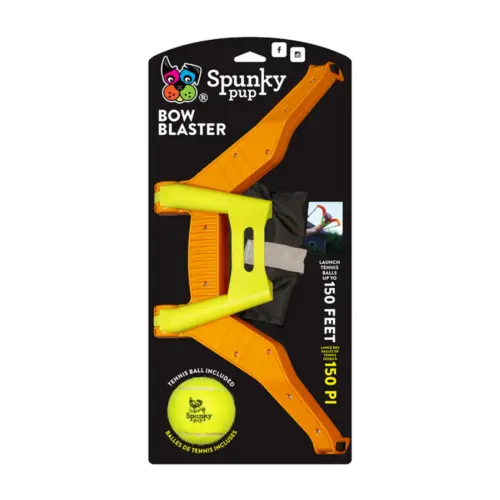
Spunky Pup
Bow Blaster Ball Launcher, View product
$34.95
Why it fits: Throws much further than you can; useful for dogs who genuinely need to sprint, in open space.
Age changes the answer
What a dog enjoys shifts across their life, and matching the activity to the stage prevents both frustration and injury.
| Stage | What tends to suit |
|---|---|
| Puppy | Short bursts, new surfaces, lots of sleep |
| Adolescent | Problem solving, sniffing, clear structure |
| Adult | Longer sniffing walks, chewing, real play |
| Senior | Shorter walks, scent games, warm rest |
Puppies are the group most often over-exercised, usually with the best intentions. Growing joints do not benefit from long walks or repetitive jumping, and a puppy who seems to want more exercise is frequently overtired rather than under-exercised. Short outings, plenty of new things to investigate and a great deal of sleep is the right combination.
Senior dogs usually still want the same activities in smaller doses. Scent games are particularly valuable late in life, because they are mentally satisfying without demanding anything of stiff joints, and a dog who can no longer manage a long walk can still work a scatter feed across a lawn for twenty minutes.
The cost of getting it wrong
A dog whose needs are unmet does not usually look unhappy. They look busy: barking at the window, following you room to room, chewing the furniture, unable to settle in the evening. Those are the behaviours that get dogs rehomed, and a large share of them are a mismatch between what the dog needs and what the week provides.
The reverse is worth stating too. A dog whose needs are met is noticeably easy to live with. They sleep deeply, settle without being asked, greet visitors and then disengage, and can do nothing for an hour without inventing a project.
Common questions
Is a long walk better than a short one?
Not usually. A shorter walk with real sniffing time generally produces a more settled dog than a longer, faster one. Distance matters for fitness; sniffing matters for satisfaction.
Do dogs get bored of the same route?
Yes, though less than people assume, because the scent picture changes daily even when the pavement does not. Varying the route a couple of times a week is plenty for most dogs.
My dog is obsessed with the ball. Is that a problem?
It can become one. Repetitive high-speed chasing is hard on joints and raises arousal in a way that some dogs struggle to come down from. Keep sessions short, mix in sniffing and tug, and finish before your dog is exhausted rather than after.
Do dogs need other dogs?
Many enjoy selected dog friends; few need a crowd. Plenty of adult dogs are perfectly content with human company and a couple of familiar dogs, and forcing greetings on a dog who does not want them is a common route to lead reactivity.
How much is too much enrichment?
If your dog cannot settle without something to do, the balance has tipped. Enrichment should punctuate the day, not fill it. Dogs need long stretches of doing nothing at all, and learning to be bored is part of being a calm adult dog.
If your dog seems restless despite all of this, the problem may not be enrichment. Read signs your dog is bored to tell boredom from anxiety, and things people do that dogs quietly dislike for the other half of the picture.
Related guides
-
Guide
Signs Your Dog Is Bored, and What Actually Fixes It
Boredom, anxiety and pain produce similar behaviour and need completely different responses. This guide separates them, explains why more walking often fails, and sets out a weekday plan that works.
-
Guide
Signs Your Dog Is Stressed, and What Actually Helps
Stress in dogs rarely starts with a growl. This guide covers the early signals people walk past, the common household and walk triggers behind them, and the changes that genuinely lower a dog’s stress over time.
-
Guide
How to Read Dog Body Language: Ears, Tail, Eyes and the Whole Picture
A dog signals with the whole body, not the tail alone. This guide works through tail, ears, eyes, mouth and posture, then covers the quiet signals most people walk past and what a genuinely relaxed dog looks like.