Toys & Play Checklist
How to Set Up a Dog Playdate: Matching, Meeting and Reading Play
Short answer
Pick one playmate who matches your dog’s size, energy and play style, with both dogs healthy and current on vaccines. Meet in a fenced spot neither dog calls home, walk side by side first, then unclip both leashes with toys and food put away. Watch closely, pause for water, and end while both dogs still want more.
The playdate checklist at a glance
One chosen playmate and two attentive owners make a playdate easier to get right than a busy park, if you plan the match, the place and the first few minutes.
Before you set a date
- A playmate close to your dog in size, energy and play style
- Both dogs healthy, current on vaccines and parasite prevention, and not in heat
- A frank chat with the other owner about guarding, fears and past scuffles
- Your veterinarian’s OK first, if your puppy hasn’t finished the vaccine series
- A fenced, neutral spot you have checked in person
Bring along
- A leash and harness for the walk in
- A flat collar with an up-to-date ID tag, for the walk in and out
- Water and a separate bowl for each dog
- Poop bags, and somewhere to put full ones
- Two or three tiny treats, pocketed, to call your own dog out of play
- Your phone, with your veterinarian and the nearest emergency clinic saved
Leave out
- Toys, balls, chews and food bowls, yours and the host’s
- A full treat pouch rustling at your hip
- Prong, choke and slip collars, and retractable leashes
- A third dog, or children running through the game
On the day
- A side-by-side walk before anyone comes off leash
- Collars and harnesses off once the gate is latched, back on before it opens
- Both dogs let off leash at the same moment
- Both owners watching the dogs, not chatting or scrolling
- A short pause every few minutes
- An exit before either dog is tired
Choosing the right playmate
The AKC’s guide to setting up a safe puppy playdate starts with knowing your own dog’s habits, likes and dislikes, then choosing a playmate whose size, breed and temperament complement theirs. The same holds for adult dogs:
- Size. Similar sizes are the easy match. With a big gap, ordinary rough-and-tumble can injure the smaller dog even when both mean well; our play rules for big and small dogs sharing a home apply on a playdate too.
- Energy and age. A bouncy adolescent can wear out, or frighten, a quiet senior. A young puppy does best with a similar-sized puppy or a calm adult known to be patient with youngsters.
- Play style. Some dogs wrestle, some chase, some love being chased and some mostly sniff alongside a friend. Pair styles that fit, such as two wrestlers.
- Temperament and history. A dog who has had a bad experience with other dogs, or is easily overwhelmed, needs a confident, gentle partner rather than a boisterous one.
Questions for the other owner
- How does your dog play, and with which kinds of dogs?
- Does your dog guard toys, food, a bed or a person?
- Is there anything that upsets your dog, such as being mounted or crowded?
- Is your dog current on vaccines and on flea, tick and heartworm prevention, as the AKC advises for both dogs?
- Has your dog been sick, sore or in heat lately?
For a puppy who hasn’t finished the vaccine series, ask your veterinarian whether a playdate makes sense yet, with which dog and where. In the meantime, how to socialize a puppy before vaccinations has carried outings, visitors and other safer early experiences.
A playdate isn’t the right tool for every dog. If yours lunges, growls, freezes or hides around other dogs, work with a certified trainer or a veterinary behaviorist before arranging one.
Where to meet: fenced, neutral ground
For a first meeting, the AKC recommends neutral ground, where neither dog has territory to protect. It also suggests a secure area big enough for every kind of play but not so big that you can easily lose sight of the dogs. Good options include:
- A friend’s fenced yard with no resident dog.
- A private fenced field rented by the hour, where your area has one.
- A small fenced park at a reliably empty hour, with a plan to leave if other dogs arrive.
If the weather pushes you indoors, the AKC suggests the home of a pet-loving friend who has no dogs of their own. Before the dogs arrive, walk the space yourself:
- Fence and gate. No gaps, a gate that latches, and nothing stacked by the fence to climb.
- Footing. Grass or packed dirt for grip, not slick decks, loose gravel or steep slopes.
- Hazards. An unfenced pool, garden tools, compost, fertilizer or freshly treated lawn.
- Shade and a quiet corner where a tired dog can step out of the game.
Once the dogs know each other, a playdate at one dog’s home is reasonable, with the resident dog’s toys, chews and bowls picked up and a room it can retreat to.
The first minutes: walk, then unclip
Leashes help at the start and get in the way later. The AKC’s advice on introducing dogs notes that some dogs act differently on a leash because they feel trapped and unable to get away, so a tight leash in a face-to-face greeting can add tension. Humane World for Animals’ advice on introducing a new dog to your other dogs starts at a distance where both dogs can see each other without getting worked up, then closes the gap in stages, as in these steps.
- Meet outside the play area, each owner with their own dog, far enough apart that both dogs can see each other and stay relaxed.
- Walk in the same direction with leashes loose, one dog a few lengths behind the other, then switch. Praise or treat your dog for calm looks at the other dog.
- While both bodies stay loose, close the gap until the dogs walk side by side, owners on the inside, sniffing the same spots in turn.
- Allow a brief side-on sniff with slack leashes, then call your dogs on and keep walking.
- Walk into the fenced area together and latch the gate. Slip off collars and harnesses, then let both dogs go at the same moment.
- Step back and let the dogs sniff and circle without hands in the way.
If either dog keeps yawning, turns its head away, tenses its jaw, holds its tail low, shakes or raises the hair along its back, the AKC advises separating the dogs and giving them more distance; Humane World adds a stiff-legged walk, a prolonged stare, bared teeth and growling. If the tension doesn’t fade as you walk on, call it a walk together and try another day, or another playmate.
Why collars come off: the AKC’s article on collar dangers describes a puppy who died when a playmate’s lower jaw caught in its buckle collar during wrestling, and advises that if in doubt, you remove the collar. Harness straps can catch teeth too. ID still matters on the walk in and out, so put everything back on before the gate opens. To keep ID on during play, ask about a breakaway safety collar, which releases under pressure; we don’t sell one. The two picks below come from our walking and training gear.
-
Mr. Peanut’s
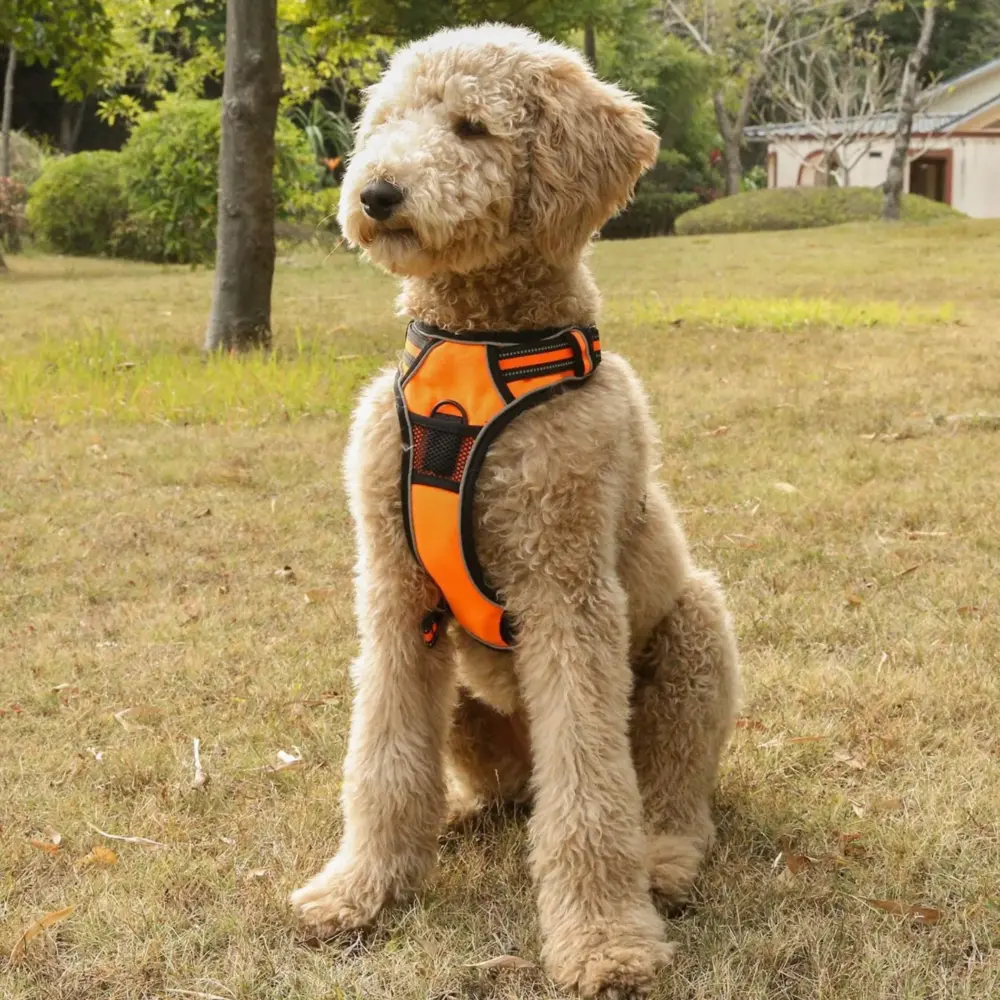
PetTrek Padded Harness and Leash Set, Choose size & color
Price range: $24.95 through $26.95
Why it fits: A padded harness and matching leash for the parallel walk; quick-release buckles make it fast to take off once the gate is latched.
-
Lupine Pet
Reflective Dog Collar, Choose size & design
Price range: $22.95 through $28.95
Why it fits: A flat collar to carry your dog's ID tag on the walk in and out; adjustable sizes from tiny to XXL, with a strong D-ring for tags.


Toys and food away, water out
Resource guarding is the easiest playdate trouble to prevent: take the resources away. The AKC warns that dogs can be possessive about favorite toys, and that a puppy who claims an object during a playdate may guard it; it also suggests new or unfamiliar water bowls to discourage guarding. Humane World’s introduction advice goes further: leave no toys, food or treats around that the dogs could fight over. Sweep the area before the dogs arrive for balls, chews, bones, food bowls and dropped snacks.
At home, a handful of toys out at once suits most dogs, as our guide to how many toys a dog should have explains. On a first playdate, the right number is zero. Once the dogs are regular friends, try two identical toys, one per dog, and pick both up at the first stiff look or hard stare.
Keep treats few and pocketed, hand them over away from the other dog, and ask before giving any to someone else’s dog.
Play is thirsty work. Set out two bowls of clean water a few feet apart and offer a drink at every break. On a warm day, play in the shade and keep it shorter: heavy panting, rapid breathing, excessive drooling and bright red gums are early signs of heatstroke in dogs, per the AKC. Stop play, move to shade, wet your dog with cool (not cold) water and call your veterinarian. And since it’s someone’s yard, pick up after your dog straight away.
-
Flipo
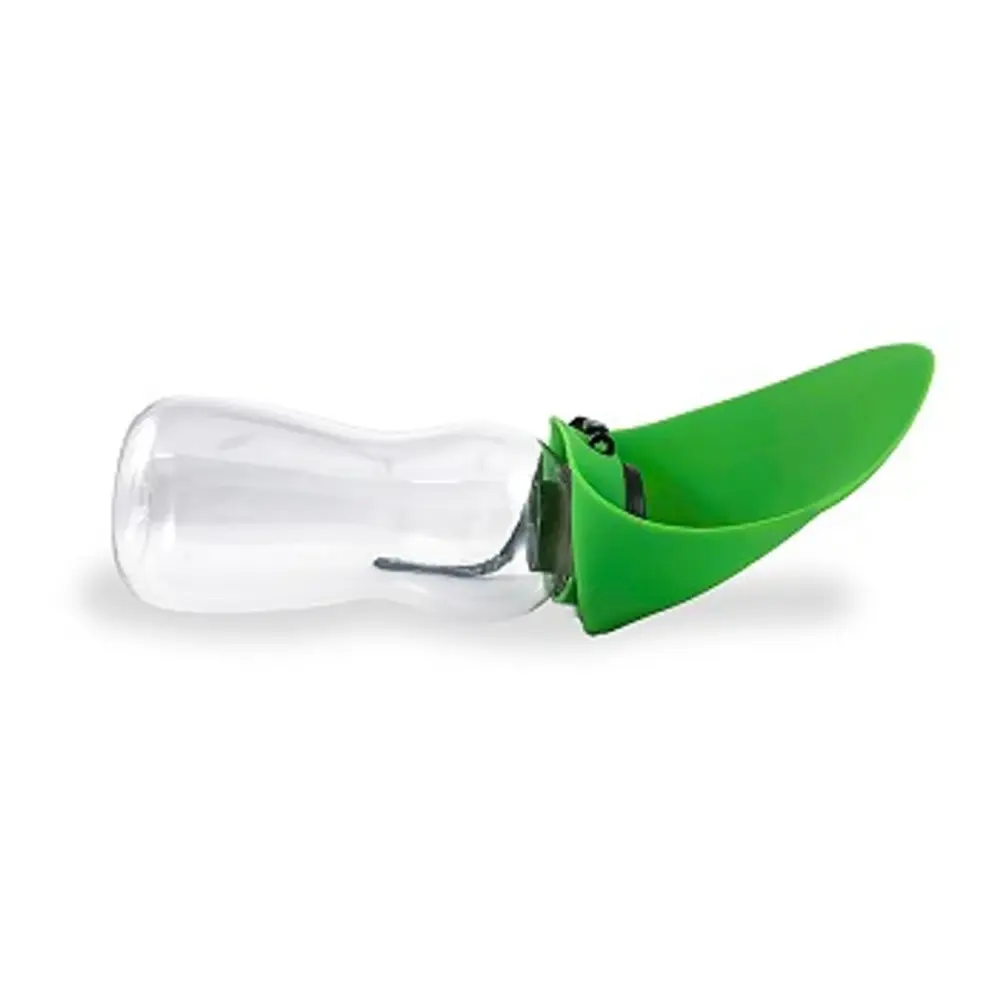
Fold-A-Bowl Dog Water Bottle with Fold-Out Bowl, Choose color
$28.95
Why it fits: Water breaks from a bowl neither dog knows: a 26 oz bottle whose cover folds out into a bowl, with a wrist strap to free a hand.
-
Yucky Puppy
Waterproof Poop Bag Holder, Choose size
Price range: $23.95 through $24.95
Why it fits: Keeps full poop bags zipped away until you reach a bin; a waterproof pouch for a belt or leash, in a set of two for both owners.


Is it play or a fight? Signs to watch
Healthy dog play is noisy and can look rough: chasing, wrestling, mouthing and play growls that, as the AKC’s guide to evaluating rough play points out, often sound scarier than a real fight. What matters is whether the play stays loose, bouncy and two-sided.
| Signal | Healthy play | Time to step in |
|---|---|---|
| Body | Loose, wiggly and bouncy | Stiff and still, hackles raised |
| Face | Open mouth, relaxed and silly | Closed mouth, curled lip, ears pinned |
| Sounds | Play growls and barks | A low growl, or a yelp that is ignored |
| Movement | Exaggerated, with play bows | Quick, direct and efficient |
| Taking turns | Chaser and chased swap often | One dog always on top or chasing |
| After a pause | Both come back for more | One dog leaves or hides |
Playing dogs also make themselves vulnerable on purpose, rolling onto their backs or letting the other dog catch them. The last row is the clearest test. In play, the AKC notes, dogs keep circling back for more; in a fight, the dog getting the worst of it tries to get away.
The pause test
When you can’t tell, run a consent test: call the more boisterous dog over, reward it and hold its attention for a few seconds, and watch what its playmate does. If it trots after its friend, play bows or barks to restart the game, carry on. If it takes the chance to sniff elsewhere, shakes itself off or leans on its owner’s legs, it wanted a break, and the game stays paused. A dog who spends the session behind your legs is telling you the same thing.
How to interrupt play safely
Short breaks keep play from boiling over, so build them in rather than waiting for trouble. Practice your dog’s recall at home first; a playdate is a real test of it.
Routine pauses
- Every few minutes, each owner calls their own dog by name in a cheerful voice.
- Reward your dog away from the other one, with a treat from your pocket or a scratch.
- Wait a few seconds, until breathing slows, then release with a cue such as “go play.”
- If your dog won’t come away, walk off briskly the other way and call again, rather than wading in.
When play gets too rough
Step in at the first stiff pause, hard stare or one-sided chase, rather than waiting for a yelp. A clap and a cheerful “let’s go,” with both owners walking away from the dogs, can break their focus on each other. Get harnesses and leashes back on, take a short sniffing walk apart, and let them try again only if both are loose and keen. Otherwise, end the playdate there.
Safety note
If a real fight breaks out, don’t reach in or grab for a collar or harness; the AKC warns that you’ll most likely get bitten. Interrupt with a loud noise, a spray of water from a hose, or a flat barrier such as a sheet of plywood or a baby gate slid between the dogs. Once they are apart, leash both, end the playdate and check each dog over. VCA’s guide to bite wounds warns that small punctures from canine teeth can close over quickly and be missed, and it advises notifying your veterinarian right away after any fight. Call even if both dogs seem fine.
Ending on a good note
End while both dogs still want more. The AKC says to stop if play turns aggressive, avoidant or lethargic, and overtired dogs can get short-tempered, so wrap up at the first signs: slowing down, lying down mid-game, heavy panting, snappier play, or a reliable recall going unanswered.
A first playdate can be short. Put collars, harnesses and leashes back on before the gate opens, offer water and walk out at an easy pace, so the dogs calm down before the car ride. At home, run your hands over your dog’s neck, ears and legs for scratches or sore spots. Anything that bleeds, swells or makes your dog flinch means a call to your veterinarian.
Planning the next playdate
- It went well. Repeat with the same playmate and place, a little longer, before changing anything else.
- It was mixed. Keep the playmate, but shorten the session, add more pauses or try a quieter time.
- It didn’t click. Try a playmate who is a closer match, or settle for walks side by side. Not every pair of dogs wants to play.
- Your dog seemed worried throughout. Ask a certified trainer, or your veterinarian, for help before the next one.
Between playdates, our indoor games for dogs burn energy with you on rainy days. If a dog park is the next step you’re weighing, start with our dog park checklist, which also handles gate etiquette and when to leave.
Related guides
-
Checklist
What to Tell Your Dog Walker: A Handover Checklist
Everything a new dog walker needs on one page: where the gear lives and how it goes on, how your dog walks, leash and route rules, medications and treats, emergency contacts, the door routine, weather rules and a first walk together.
-
Checklist
Pet Emergency Kit Checklist: What Your Dog or Cat Needs to Evacuate
Everything your dog or cat needs to evacuate with you: records and ID, two weeks of food, water and medicine, a carrier or harness per pet, sanitation and first aid, plus where pets can stay and when to refresh the kit.
-
Checklist
Dog Camping Essentials: A Packing Checklist for Tent and Car Camping
What to pack for your dog for a night or two at a campground, and why: pet rules to check before you book, ID that stays on after dark, dog food stored like your own, a pad off the cold ground, a tent-door clean-up routine, safe tie-outs and what to leave at home.