How Many Toys Should a Dog Have? A Simple Toy Rotation Plan
How many toys should a dog have? For most dogs, six to twelve in all is plenty: three or four out at any one time, and one or two more sets in a cupboard to swap in. Pick each toy for a different kind of play, swap the set about once a week and check every toy as it comes out and goes away. A small rotating set keeps old toys interesting without buying new ones.
Short answer: a handful out at once, a few more in the cupboard
- Out at once: three or four toys, one for each kind of play your dog enjoys, such as one to tug, one to carry and one to chew or lick.
- In the cupboard: one or two more sets of the same kinds, ready for swap day.
- Swap: about once a week, or every few days if your dog loses interest quickly.
- Size: every toy too big to fit entirely in your dog’s mouth.
- Check: seams, squeakers and loose parts each time a toy comes out or goes away.
Treat these numbers as a starting point, not a rule: variety, size and condition matter more than the count.
A toy for each play style: tugger, carrier, steady chewer and shredder
There is no fixed list of types of toys every dog needs, because it depends on how your dog plays. Our guide to toys for dogs who destroy toys sorts dogs into four play styles, which also work for planning a rotation. Many dogs mix two, so most sets end up with two or three kinds of toy.
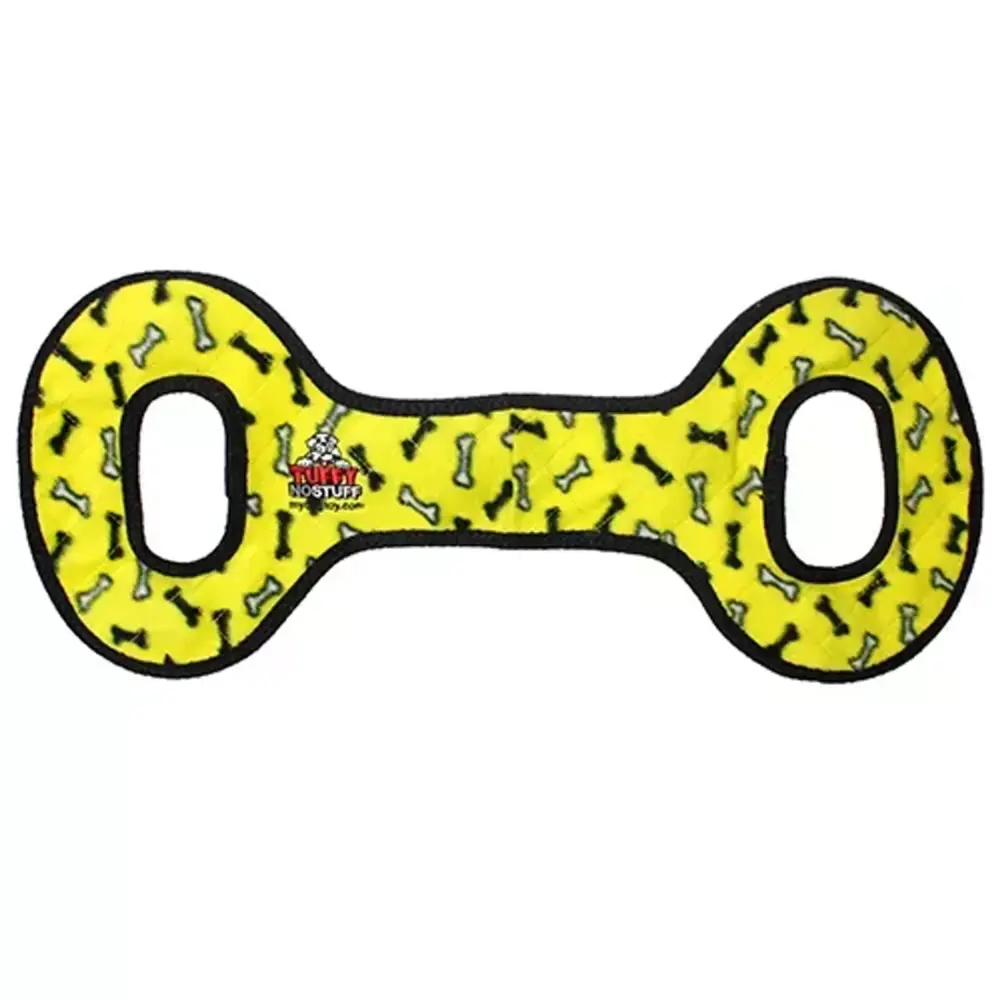
- Tugger: one or two long tug toys, kept for games you play together and put away between games.
- Carrier: one or two soft toys to pick up, walk around with and nap beside. Plush often lasts well with gentle carriers.
- Steady chewer: one or two chew items for long, calm gnawing. Fabric toys are made for play, not solo chewing, so ask your veterinarian which chews suit your dog’s teeth and size.
- Shredder: tough, stuffing-free toys only, one at a time and only while you are watching. Plush stays out of a shredder’s rotation.
Whatever the style, add a quiet option, such as a food toy or lick mat, for times you want your dog settled rather than playing. Humane World for Animals’ advice on picking safe dog toys takes a similar line: it suggests at least one toy to carry, one to shake, one to roll and one for comfort, with only a few out at a time and a weekly rotation.
How many toys should a dog have out at once?
Three or four is enough for most dogs, as long as each one does a different job; a dog who only tugs, or only carries, may be happy with two. A floor covered in toys tends to become background: nothing feels new, worn toys go unnoticed and it is harder to see which ones your dog likes. Split the set that is out into two groups.
Everyday toys
These stay within reach while you are home: usually a soft comfort toy and a chew your dog uses calmly, with no squeaker to dig for. Check them daily, since they get the most use. When you go out, leave only things your dog has already shown they use calmly on their own.
Play-together toys
Tug toys and squeaky toys, squeaky plush included, come out for a game and go back on a shelf afterward. Keeping them for shared play makes them more exciting, and you are there if a dog digging for the squeaker opens a seam.
Dog toy rotation: a simple weekly swap
Rotation costs nothing, and after the first sort it takes a few minutes a week.
- Gather every toy, including the ones under the sofa, in the yard and in the car.
- Check each one and throw away anything with an open seam, a loose part, a reachable squeaker or wear that has made it small enough to swallow.
- Wash dirty toys as their label directs and let them dry fully.
- Sort the rest into two or three sets, with one of each kind your dog uses in every set.
- Put one set out and store the others in a closed bin or cupboard, out of sight.
- Swap sets on the same day each week. A favorite comfort toy can stay out through every swap.
- Note any toy your dog ignores two weeks running, and try it in a game with you before you give up on it.
How often to rotate dog toys
Weekly suits most dogs. If your dog loses interest within a day or two, swap every three or four days; if your dog keeps going back to the same toys, there is no need to rush. Bring a returning toy out with a minute of play so it gets a proper welcome.
If your dog ignores toys however fresh they are, start with our step-by-step plan for when your dog doesn’t play with toys. Swap day is also a good excuse for a game: our indoor games for dogs include tug, hallway fetch and find-the-toy for days stuck inside.
Choosing a safe size for your dog’s mouth
However many you keep, size matters: toys that are too small can be swallowed or get stuck in the throat, so choose toys too big to fit entirely in your dog’s mouth, and balls large enough that they cannot slip to the back of it.
- Use a toy your dog already handles safely as a reference, and compare it with the listed size of anything new.
- For tug, a longer toy keeps your hand farther from your dog’s teeth.
- Size up as a puppy grows; a toy that suited a young puppy can become a swallowing risk a few months later.
- In a home with dogs of different sizes, size shared toys for the largest dog.
- Skip toys with ribbons, strings, plastic eyes or other parts that could be chewed off, or remove those parts first.
A toy that started out big enough can be chewed down to a risky size, so check sizes at every swap. If you think your dog has swallowed part of a toy, call your veterinarian promptly.
Building a starter rotation
One of each kind your dog uses fills the first set; the second can be toys you already own. For the tug and carry slots, two toys from our dog toys and play range fit the plan:
- Tug and fetch: the Fire Hose Crocodile Tough Dog Toy is about 26 inches long, made from real fire-hose material and stuffing-free, with squeakers that keep squeaking after a puncture. It suits tuggers and dogs who pull plush apart.
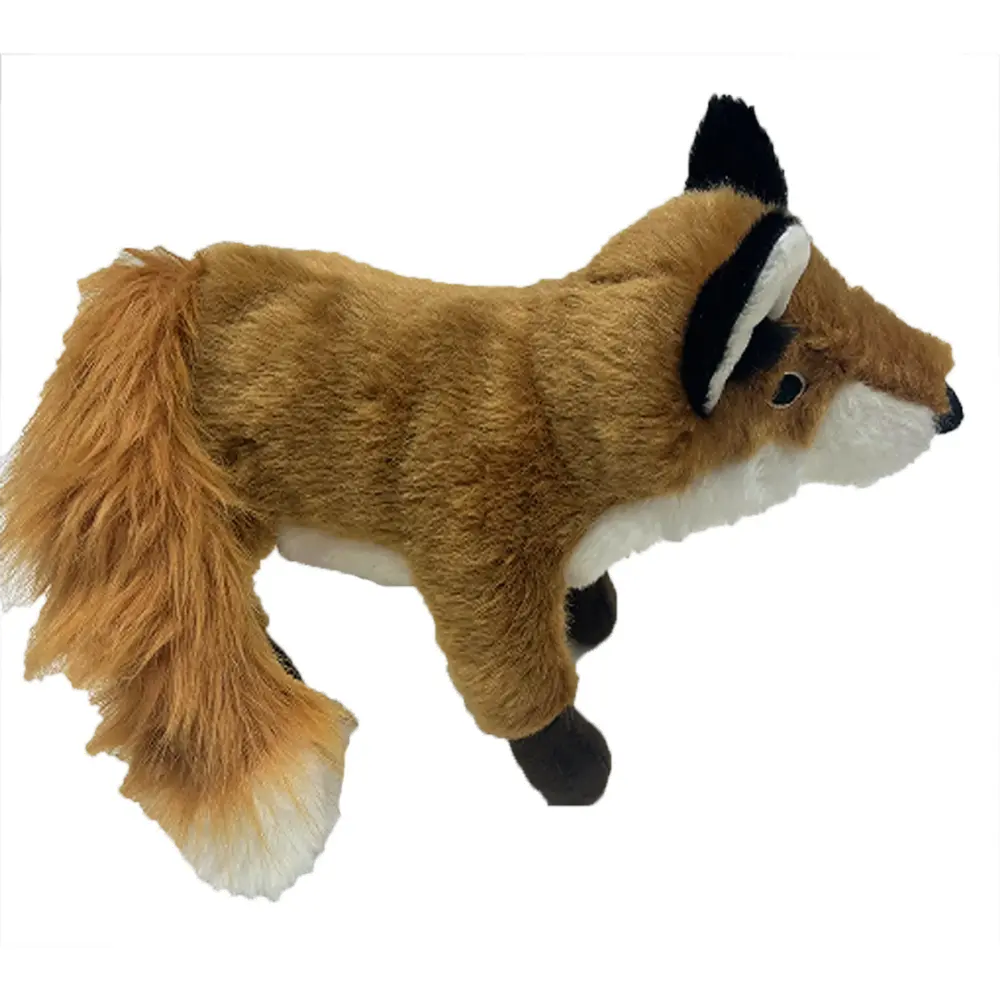
- Carry: the Realistic Plush Fox Dog Toy with Squeaker is soft, realistic plush, about 10 inches from head to rear, with a 6-inch tail for gentle tug and a squeaker in the body. It is best for gentle to moderate chewers who like to carry a toy around the house, so keep it out of a shredder’s set.
- Chew: ask your veterinarian which chew suits your dog’s teeth and size; we don’t sell chews.
- Food or lick: a lick mat or food toy for quiet time; our guide on what to put on a lick mat covers spreads and freezing.
Both toys have squeakers, so they belong in the play-together group: supervise play, and remove either toy once it is damaged. No toy is indestructible, fire hose included.


New or gifted toys can go straight into a cupboard set rather than all coming out at once. For more ideas, browse our toys and play guides.
Puppies, seniors and multi-dog homes
Puppies
Puppies explore with their mouths and chew more while teething, so give chew items a bigger share of the rotation and keep toys sized for the puppy’s current mouth. Our new puppy checklist covers the rest of the shopping list.
Senior dogs
Older dogs often still enjoy toys but may prefer softer ones and shorter, gentler games. Keep a familiar comfort toy in every set; our guide to enrichment for senior dogs has sniffing games and easier food puzzles. If a dog who used to play stops picking up toys or seems uncomfortable chewing, ask your veterinarian, as it can point to a sore mouth or joints.
Multi-dog homes
Multiply the set: at least one of each kind per dog, plus a spare, so two dogs who both love tug have two tug toys rather than one to compete over. Give special toys and chews in separate rooms, and pick toys up when the dogs are together without you. If a dog stiffens, growls or snaps over toys, talk to your veterinarian or a qualified trainer.
Dog toy FAQ
Do dogs get bored of their toys?
Many do, especially with toys that are always lying around. A toy that has been out of sight for a week often gets a much warmer welcome, which is why rotation works. If your dog suddenly loses interest in play altogether, ask your veterinarian.
Should I leave my dog’s toys out all the time?
A favorite comfort toy and one or two everyday toys can stay out while you are home, if your dog uses them calmly and you check them daily. Put squeaky and tug toys away after supervised play, and keep the rest in rotation.
How many toys is too many for a dog?
There is no hard limit, but once more toys are out than your dog actually uses, each one gets less interesting and worn toys are easier to miss. If you count more than four or five on the floor, store the extras and split them into rotation sets.
Should my dog have a comfort toy?
If your dog has a soft toy they carry around and nap beside, keep it, and let it stay out through every swap. Check it often and replace it when it tears. If your dog starts chewing it apart, it has become a play toy and belongs in the supervised group.
Related guides
-
Comparison
Stuffed vs Stuffing-Free Dog Toys: Which Lasts, Which Is Safer
Both are plush toys, and they fail in completely different ways. This comparison covers why dogs gut a stuffed toy, what stuffing-free versions gain and lose, how layer counts change durability, and which one suits the way your own dog plays.
-
Guide
Why Does My Dog Bring Me Toys? What It Means and How to Respond
A toy at the door is usually a greeting, an invitation to play or both. Learn to tell which, when to play, say hello or trade, and what to do when it turns into demand play or keep-away.
-
Guide
Why Do Dogs Like Squeaky Toys? And How to Keep Squeaker Play Safe
A squeak sounds like small prey and goes off the instant your dog bites, so every chomp pays off. Why some dogs squeak for hours or whine with a toy, what to do about a dog who digs out the squeaker, how to choose a squeaky toy and how to live with the noise.