Journal Guide
Signs Your Dog Is Bored, and What Actually Fixes It
Short answer
Bored dogs invent work: chewing furniture, digging, barking at nothing, pestering for attention and raiding bins. The giveaway is that it stops when something interesting appears. Anxiety, pain and under-sleep produce similar behaviour and need a different response, so it is worth telling them apart first.
Boredom has a look
A bored dog is an unemployed dog with initiative. They are not distressed; they are looking for something to do and are perfectly capable of finding it. The behaviour usually appears in the gaps: mid-afternoon, after breakfast, in the hour before you usually go out.
The useful question is what happens when you offer an alternative. A bored dog drops the chair leg immediately and comes to see what you have. A dog who is anxious or in pain often does not, and that difference is the fastest piece of diagnostic information available to you.
Signs it is boredom
- Chewing or dismantling things when there is nothing else to do
- Digging, in the garden or at the carpet
- Barking at nothing in particular, often rhythmically
- Raiding bins, counters and laundry baskets
- Pestering for attention and accepting almost any response
- Over-excitement when anything at all happens
- Behaviour that stops the instant something interesting is offered
- A dog who sleeps badly in the day but is otherwise content
Signs it is not boredom
Several other things look like boredom at a glance. The responses are different, and giving a puzzle feeder to a dog in pain will not help.
| What you see | Also consider |
|---|---|
| Destruction only when alone | Separation-related distress |
| Pacing and inability to settle | Stress, pain or lack of sleep |
| Barking at the window | Vigilance and arousal, not boredom |
| Chewing own feet or legs | Skin problems or joint pain |
| Sudden change in an adult dog | Pain or illness first |
| Frantic in the evening only | Overtiredness, especially in puppies |
The alone-only pattern is the one to take seriously. Damage concentrated around doors and windows, within the first half hour of being left, with vocalising or toileting, points to separation-related distress rather than boredom. That needs a different approach and is worth discussing with your vet and a qualified behaviourist.
Why more walking often fails
The instinctive response to a busy dog is more exercise, and for some dogs it works. For many it does not, because physical tiredness and mental satisfaction are different things. A dog who runs for an hour comes home fitter, and a fitter dog needs more running next week.
What tends to produce a genuinely settled dog is work that involves the nose and the brain: searching, problem solving, chewing and licking. Twenty minutes of that frequently does more than an hour of walking, and it can be done on a wet Tuesday without leaving the house.
Sniffing, chewing and problem solving
- Scatter feeding. Throw a meal into the grass or across a rug and let your dog find it.
- Food puzzles. Start easy; a puzzle that defeats a dog on the first attempt gets abandoned.
- Lick mats. Smear soft food into the texture and freeze it for a longer session.
- Chewing. A safe, long-lasting chew in the evening settles most dogs better than anything else on this list.
- Find it games. Hide a toy or treats around a room and send the dog to search.
- Short training sessions. Three minutes of something new is surprisingly tiring.
- Sniffing walks. Slow, on a longer lead, going nowhere in particular.
- Cardboard. A box with food wrapped inside is free and genuinely engaging.
-
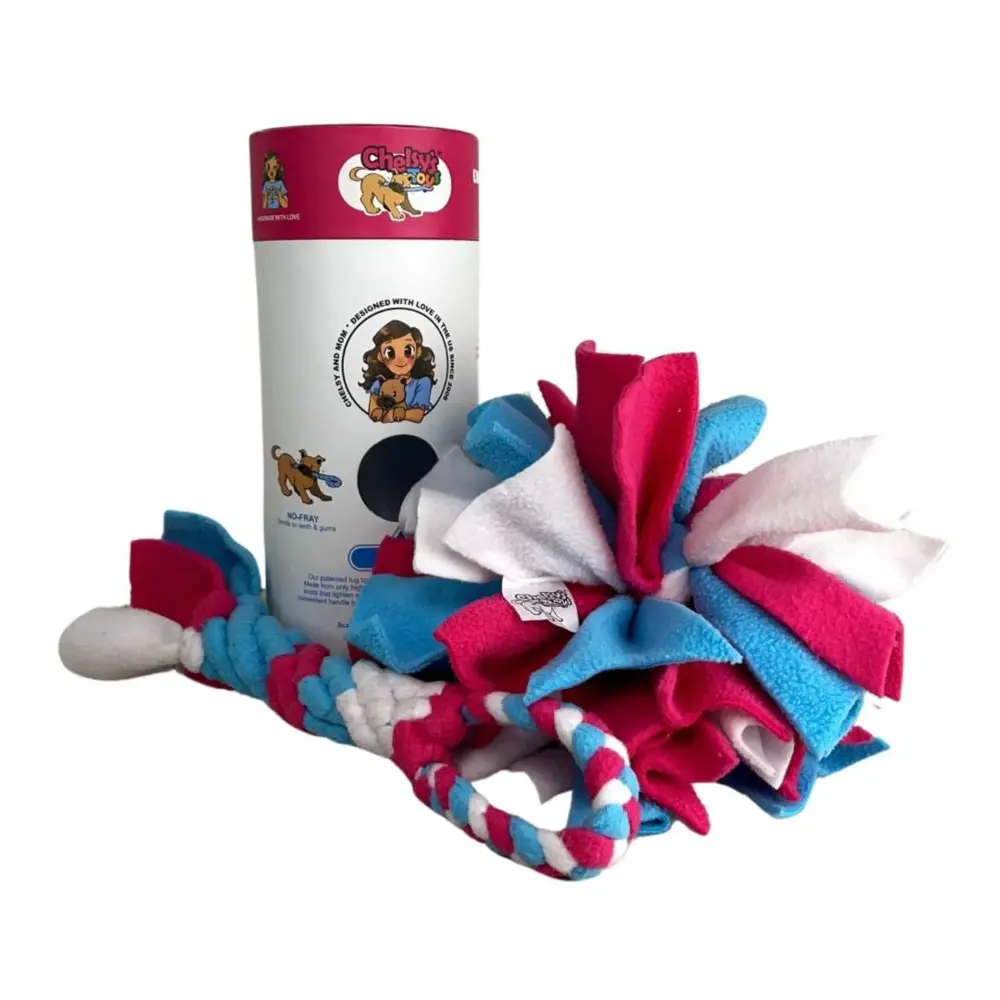
3-in-1 Dog Enrichment Tube, Choose color
$42.95
Why it fits: Three jobs in one toy: tug, a treat puzzle with adjustable difficulty, and a snuffle ball for foraging.
-
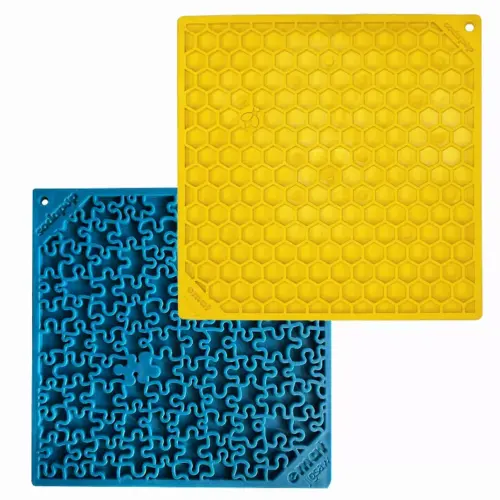
eMat Lick Mat Bundle, View product
$35.95
Why it fits: Two lick mats at different difficulties; freeze one and an afternoon gap takes care of itself.
-
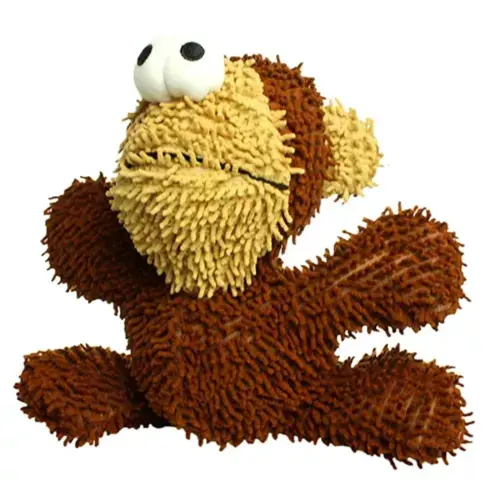
Mighty
Microfiber Ball Dog Toy, Choose color
Price range: $40.95 through $41.95
Why it fits: A plush ball for indoor carrying and shaking games on days when a walk is not happening.
-
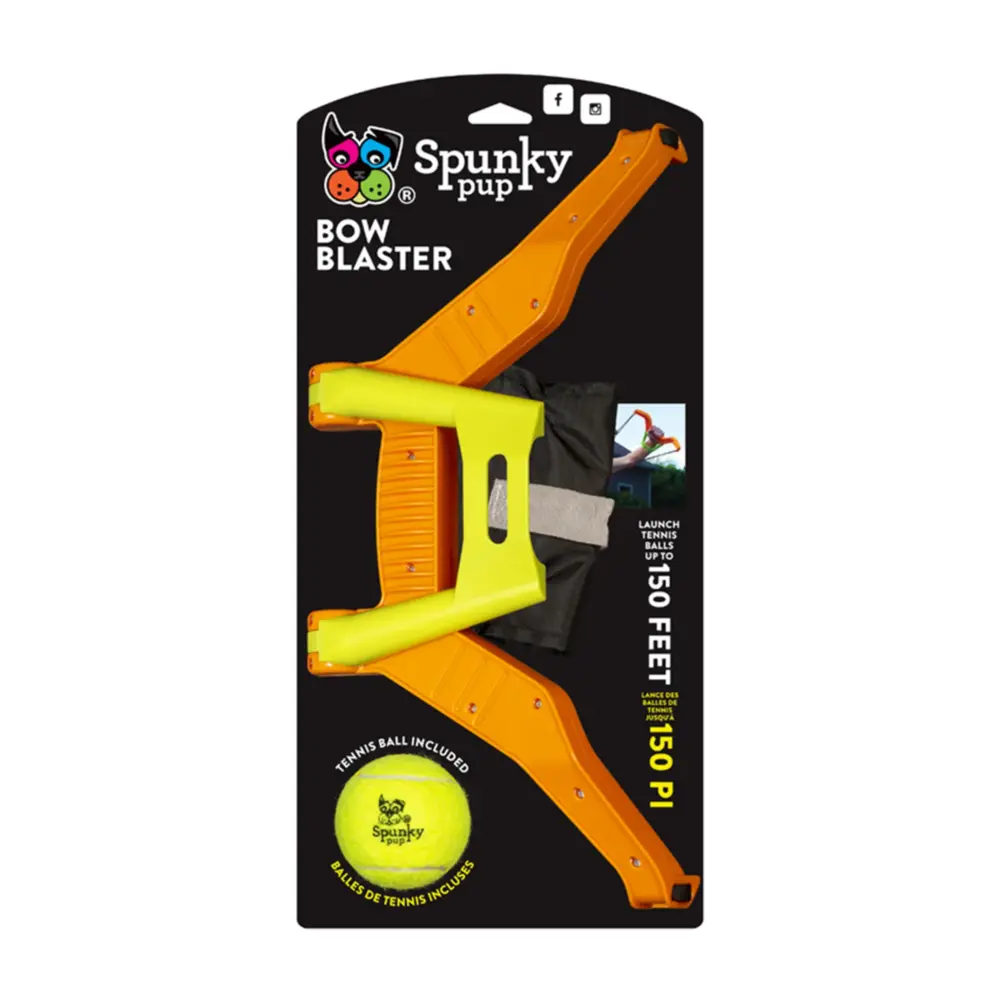
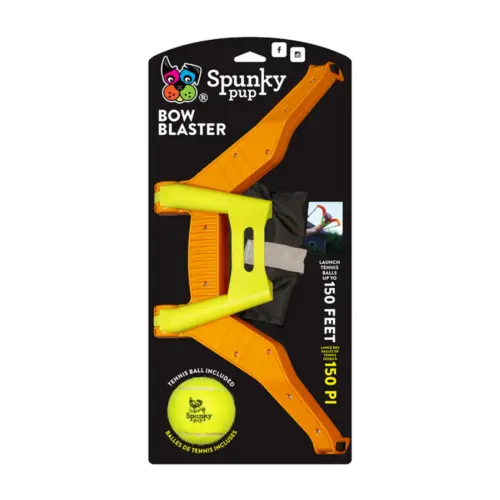
Spunky Pup
Bow Blaster Ball Launcher, View product
$34.95
Why it fits: Throws much further than you can, for dogs who genuinely need to sprint, used in open space.
A workable weekday plan
- Morning: toilet, then breakfast from a puzzle or scattered rather than a bowl.
- Mid-morning: a sniffing walk, slow, on a longer lead where it is safe.
- Midday: a chew or a frozen lick mat, then leave the dog alone to sleep.
- Afternoon: three minutes of training, then a find-it game in one room.
- Evening: the main walk, with time to investigate rather than distance.
- Night: dinner, something slow to finish, and an undisturbed bed.
Protecting the sleep in that plan matters as much as the activity. Dogs need long, uninterrupted blocks of rest, and an under-rested dog looks exactly like a bored one. How much sleep does a dog need covers the totals.
When to rule out pain first
If a settled adult dog has suddenly become destructive, restless or irritable with no change in routine, book a veterinary appointment before building an enrichment plan. Pain, itchy skin and several medical conditions produce behaviour that is indistinguishable from boredom, and treating the wrong one wastes months.
Our guide on signs a dog is in pain covers what else to look for, and signs your dog is stressed covers the anxiety side.
Boredom at different life stages
| Stage | How boredom shows |
|---|---|
| Puppy | Biting, zoomies; usually overtiredness instead |
| Adolescent | Destruction, selective hearing, restlessness |
| Adult | Barking, pestering, bin raiding |
| Senior | Withdrawal and sleeping, not destruction |
Adolescents are the group most often misread. A dog between roughly six and eighteen months is going through a genuine developmental stage, with real changes in impulse control and confidence, and it is the age at which most dogs are rehomed. More structure, more sniffing and considerably more sleep tends to help more than more exercise.
Seniors are misread in the opposite direction. An older dog who has stopped engaging is usually assumed to be slowing down with age, when they may be bored, in pain, or losing hearing or sight. Scent games are particularly valuable here, because they are satisfying without demanding anything physical.
Enrichment without buying anything
- Scatter a meal in the garden or across a rug
- Hide treats around a room and send the dog to find them
- A cardboard box with food wrapped inside
- A muffin tin with treats under tennis balls
- A towel rolled up with kibble in the folds
- Teach a new trick, three minutes at a time
- Walk a different route rather than a longer one
- Let the dog choose the direction on a quiet path
None of these cost anything and several work better than equipment, because novelty is most of the value. Rotate them rather than running the same one daily.
Common questions
How much enrichment does a dog need in a day?
Less than people think, provided it is the right kind. Two or three short activities plus a decent sniffing walk suits most adult dogs. A dog who cannot settle unless something is happening has usually had too much rather than too little.
Will a second dog fix boredom?
Sometimes, and it is a large commitment to take on as a solution. Two bored dogs can be considerably more work than one, and dogs with separation-related distress are generally not helped by another dog.
Is it bad to leave a dog with the television on?
It is harmless and occasionally soothing, though it is background rather than enrichment. Something to chew does more.
My dog only destroys things when I am out. Is that boredom?
Possibly, but check the pattern. Damage at exit points, within the first half hour, alongside vocalising or toileting, points to distress rather than boredom, and that needs professional help rather than more toys.
How long should a puzzle feeder take?
Five to fifteen minutes is a reasonable target. If your dog finishes in thirty seconds it is too easy; if they walk away, it is too hard. Adjust the difficulty rather than replacing the toy.
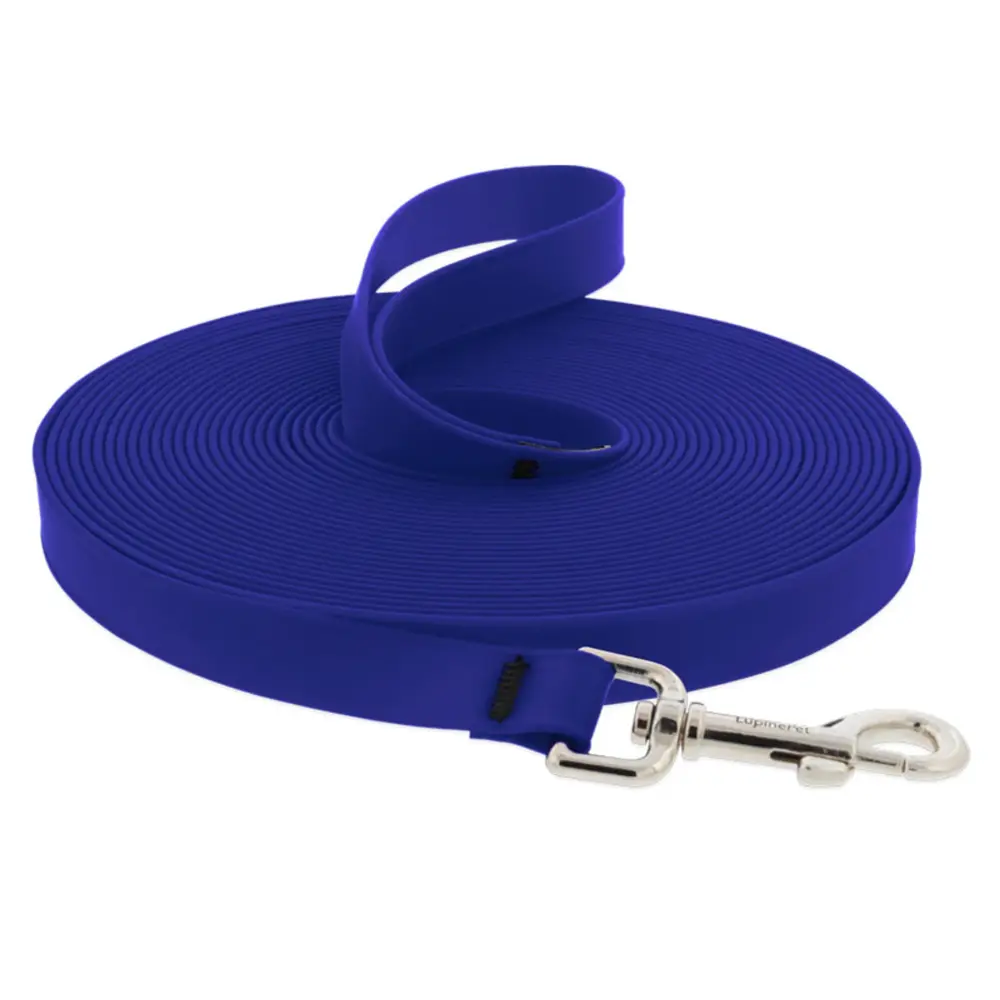
For what dogs find rewarding in the first place, see what dogs actually enjoy. For feeding tools, our comparison of slow feeders and lick mats explains which solves which problem, and how to use a long line covers giving a dog real sniffing range.
Related guides
-
Guide
What Dogs Actually Enjoy: Sniffing, Chewing, Company and Choice
Dogs and their owners often disagree about what a good day looks like. This guide covers the four things most dogs genuinely find rewarding, why sniffing beats distance, and how to build a week your dog would choose.
-
Guide
Signs Your Dog Is Stressed, and What Actually Helps
Stress in dogs rarely starts with a growl. This guide covers the early signals people walk past, the common household and walk triggers behind them, and the changes that genuinely lower a dog’s stress over time.
-
Guide
Are Ball Launchers Bad for Dogs? Joints, Adrenaline and How Much Is Too Much
A launcher throws further than your arm and lets a dog sprint and brake repeatedly until something gives. This covers what repetitive fetch does to a body, the adrenaline problem behind the dog who never seems satisfied, and how to use a launcher without the downsides.