Journal Guide
Signs a Dog Is in Pain: What Changes Before They Limp
Short answer
Pain in dogs usually shows as change rather than obvious distress: slower to get up, reluctant to jump or use stairs, sleeping in a new position, shorter fuse, licking one spot, or eating less. Any of these lasting more than a day or two deserves a veterinary appointment.
Safety note
This page helps you notice pain. It does not diagnose it, and nothing here is a substitute for a veterinary examination. Never give a dog human painkillers; several common ones, including ibuprofen and paracetamol, are toxic to dogs.
Dogs hide pain well
Dogs rarely cry out. Chronic pain in particular, the kind that builds over months, almost never produces a dramatic signal. It produces a dog who is a bit slower, a bit grumpier and a bit less interested, which is easy to file under getting older.
That is the single most common miss in this area. Slowing down is not a condition. Arthritis, dental pain and a dozen other things are, and most of them are treatable.
How they lie down and get up
Watch the transitions rather than the dog at rest. These are the first things to change and the easiest to film.
- Circling more than usual, or hesitating, before lying down
- Dropping the last part of the way down rather than lowering
- Pushing up with the front legs and dragging the back
- Taking a moment to get going after sleep, then loosening up
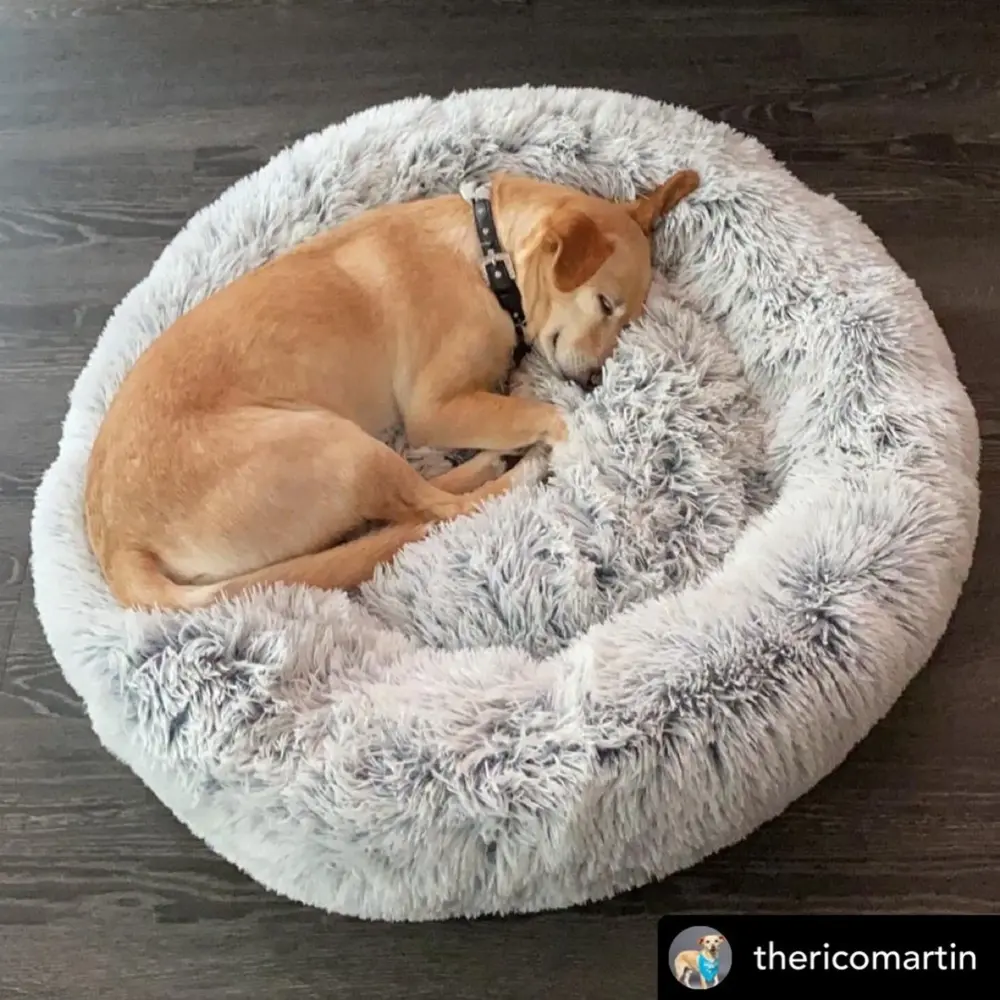
- Sleeping in a new position, often stretched out instead of curled
- Choosing a different surface, often harder or cooler than usual
Changes in movement
- Reluctant to use stairs, or taking them one at a time
- Hesitating before jumping into the car or onto the sofa
- Falling behind on walks that used to be easy
- Sitting down early, or lying down on the walk
- A bunny-hopping gait with both back legs together
- Head bobbing when trotting, which often points to a front leg
- Standing with the weight shifted off one leg
- Slipping on floors they used to manage
Tip
Limping is obvious and relatively rare. A dog with pain in both hips or both knees often does not limp at all, because there is no good leg to favour. Symmetry hides a lot.
Changes in behaviour and mood
Pain makes dogs irritable, withdrawn or clingy, and behavioural change is frequently the first thing an owner notices even though it is the last thing they attribute to pain.
- Growling when touched in a place that was fine before
- Not wanting to be stroked, or not wanting to be left alone
- Snapping at a housemate dog they have lived with for years
- Restlessness at night, pacing or repeatedly resettling
- Loss of interest in toys, walks or greeting people
- Panting at rest, in a cool room, with no exercise
If your dog has become reactive or anxious with no obvious trigger, pain belongs at the top of the list of explanations rather than the bottom. Our guide on signs your dog is stressed covers the overlap, which is substantial.
Signs on the body itself
- Licking or chewing one spot repeatedly, often a joint or a paw
- A patch of saliva staining on light fur
- Flinching, tensing or turning the head when an area is touched
- Muscle loss on one side compared with the other
- Reluctance to let you handle the mouth, or chewing on one side only
- Dropping food, or turning away from hard food they used to eat
- Swelling, heat or an area that feels different to its opposite number
Mouth pain is badly under-recognised. A dog who has gone off hard food, chews on one side or has noticeably bad breath may well have dental disease, which is painful and common.
Pain in older dogs, and what gets dismissed as age
Degenerative joint disease is extremely common in older dogs and frequently goes untreated because the signs are read as ordinary ageing. A dog who no longer wants a long walk, who takes a while to warm up in the morning, who has stopped getting on the sofa or who snaps when the children lean on them is often in pain rather than simply old.
The reason it matters is that a great deal can be done. Weight control, appropriate exercise, pain relief prescribed by a vet, non-slip flooring, a supportive bed and ramps instead of jumps all make a real difference to how a dog spends their last years.
- Slippery floors are a bigger problem than most owners realise; rugs and runners along the usual routes help immediately.
- Raised bowls can make eating more comfortable for a dog with neck or shoulder pain.
- A ramp into the car saves a jump that hurts twice a day.
- Short, frequent walks suit stiff joints better than one long one.
- Keeping weight down reduces load on every joint and is the single most effective intervention available.
What not to do at home
- Do not give human painkillers. Ibuprofen, paracetamol and aspirin are dangerous for dogs and can be fatal.
- Do not massage or manipulate an area you have not had examined.
- Do not enforce rest or exercise on your own guess; both are wrong for some conditions.
- Do not wait to see if it settles when the dog is non-weight-bearing, in obvious distress, or deteriorating.
- Do not assume age. Old age is not a diagnosis.
What to tell your vet
A consultation is short, and pain is often invisible in the room because adrenaline masks it. Arrive with specifics and your vet gets far more to work with.
- Film it. A ten-second video of your dog getting up, walking away from the camera and climbing stairs is worth more than any description.
- Note when it started and whether it is getting worse, better or staying the same.
- Note the time of day it is worst, and whether rest helps or stiffens them up.
- List what has changed: sleep position, appetite, stairs, jumping, mood.
- Bring the weight if you have it, since weight loss or gain is relevant.
- Say plainly what you have already tried and for how long.
While you are waiting for the appointment, comfort is the one thing you can safely improve: a supportive bed on a warm, non-slip surface, food and water at a height that does not require bending, and short, flat walks instead of long ones.
-
Mr. Peanut’s
OrthoPlush Pet Bed, View product
$41.95
Why it fits: A firm core under a plush top supports a dog who struggles to get up; soft alone is not supportive.
-
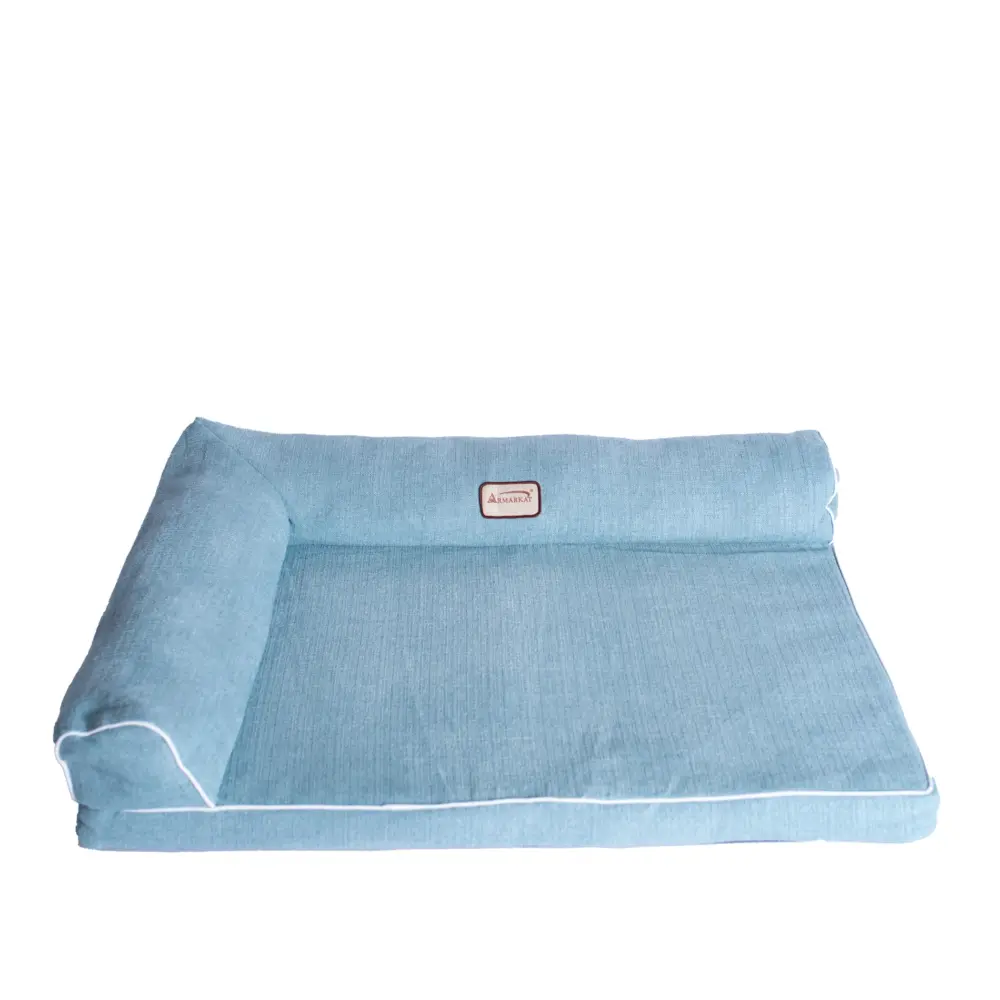
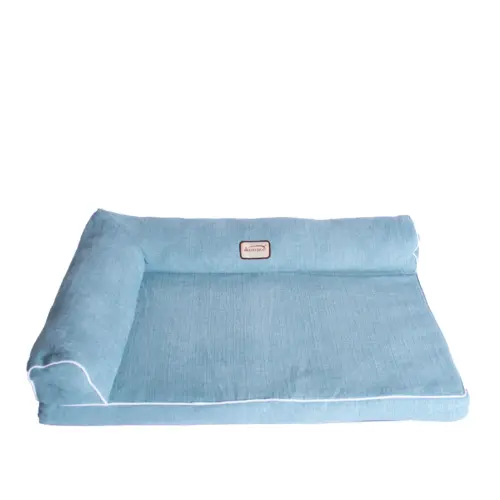
Armarkat
Bolstered Dog Bed, View product
$89.95
Why it fits: Bolstered sides give a dog something to lean against and push off, which matters for stiff joints.
-
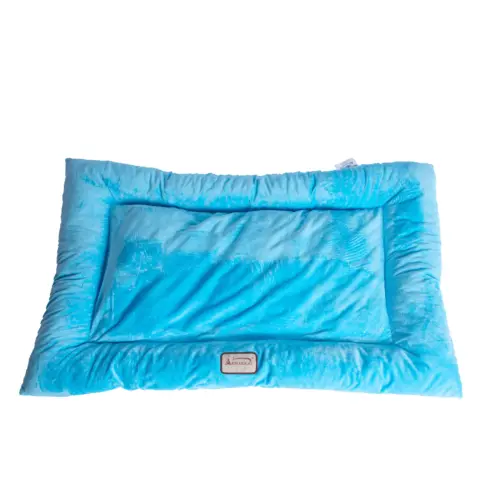
Armarkat
Velvet Crate Mat, Choose size & color
Price range: $45.95 through $47.95
Why it fits: A flat two-inch mat for crates and car journeys; gets a sore dog off a hard floor without bulk.
-
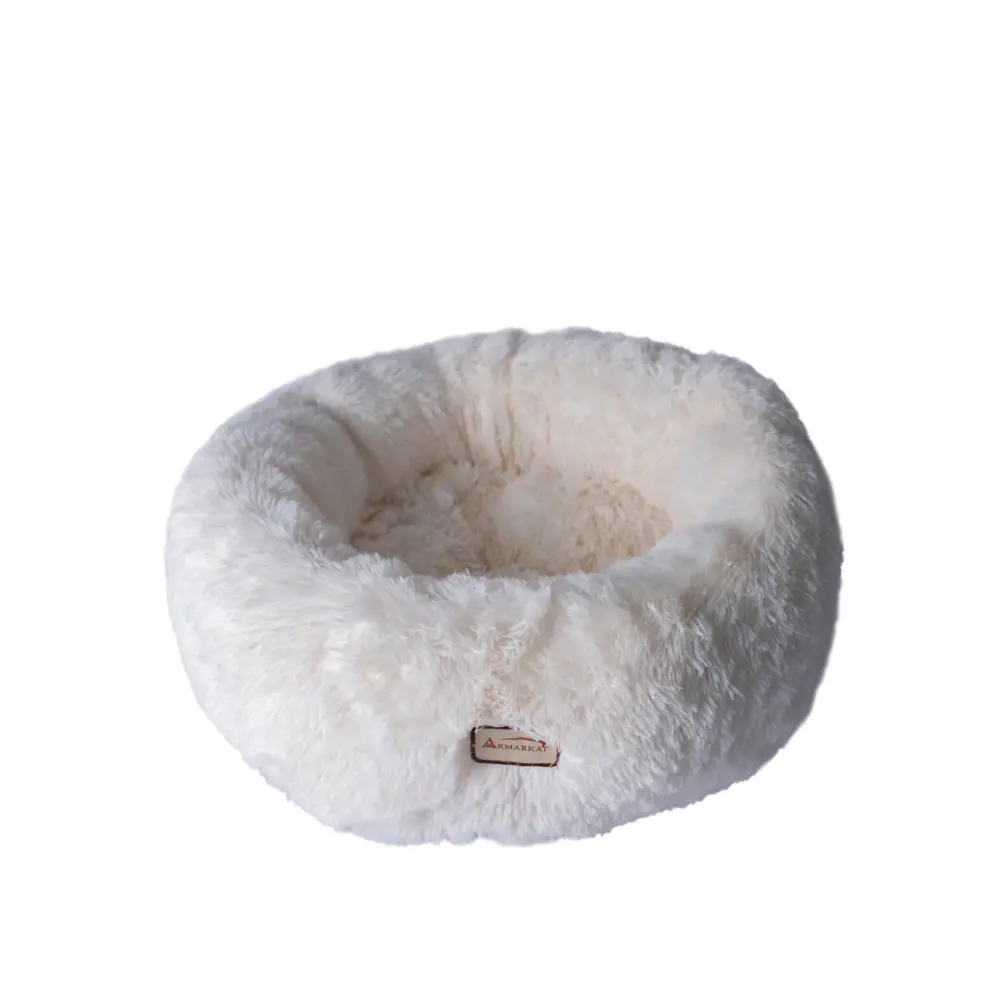
Armarkat
Ultra-Plush Cuddler Bed for Cats & Small Dogs, Choose size
Price range: $55.95 through $72.95
Why it fits: A walled bed for a dog who wants somewhere quiet; pain and wanting to be left alone travel together.

Building a baseline while your dog is well
Pain is detected by comparison, which means the most useful work is done before anything is wrong. Spend ten minutes while your dog is healthy recording what normal looks like, and every future assessment becomes far easier.
- Film your dog walking away from and toward the camera on a flat surface
- Film them getting up from lying down, and going up a few stairs
- Note how they sleep: position, how long, where
- Note their normal appetite and how fast they eat
- Record their weight
- Run your hands over the whole body so you know what normal feels like
- Note what they can do easily: the sofa, the car, a full walk
Keep it somewhere you will find it. Owners are routinely asked when a problem started and whether it is getting worse, and a video from six months ago answers both questions in a way memory cannot.
Pain relief and why it is a veterinary decision
Effective pain relief exists for dogs and it is worth having. What it is not is something to improvise at home. Human anti-inflammatories are dangerous for dogs, dosing depends on weight, kidney and liver function, and other medication, and the right drug depends on the cause.
There is also a monitoring question. Dogs on long-term pain relief usually need periodic blood tests, which is a reason to have the conversation with a vet rather than a friend with leftover tablets from another dog.
Common questions
Would my dog cry out if they were in pain?
Usually not. Vocalising is associated with sudden, severe pain. Chronic pain, which is far more common, produces slow changes in posture, movement and mood instead, and dogs rarely make any noise about it at all.
My dog is limping but still happy and eating. Can I wait?
A mild limp that improves within a day or two with rest can reasonably be monitored. A limp that persists beyond that, worsens, or comes with swelling, heat or an inability to put weight on the leg needs an appointment.
Can I give my dog aspirin or paracetamol?
No. Human painkillers are dangerous for dogs and several are potentially fatal. Only give medication prescribed for that specific dog by a vet, at the dose they specified.
How can I tell pain from anxiety?
You often cannot from the outside, which is exactly why a veterinary examination comes first when behaviour changes. Pain and anxiety produce very similar pictures, and in a dog who has changed suddenly, pain is the more likely of the two.
Does my dog need a bed with memory foam?
Not necessarily, and the label matters less than the structure. What a sore dog needs is enough depth that they do not touch the floor, a firm enough base to push up from, and a non-slip surface underneath.
Is panting always a sign of pain?
No, but panting at rest, in a cool room, with no recent exercise, is worth noting. It appears in pain, stress and several medical conditions, and in combination with anything else on this page it is a reason to book an appointment.
To judge how urgently to act, see when to call the vet about a dog. For what to take with you, read what to bring to a vet visit, and how much sleep does a dog need covers the rest that recovery depends on.
Related guides
-
Guide
How Much Sleep Does a Dog Need, and What Disrupts It
Adult dogs sleep far more than most owners expect, and puppies more again. This guide covers typical totals by life stage, what interrupted rest does to behaviour, and how to set up a bed that actually gets used.
-
Comparison
Bolster vs Flat Dog Bed: What Your Dog’s Sleeping Position Tells You
The shape of a bed matters more than the price, and the way your dog already sleeps tells you which shape to buy. This compares bolstered and flat beds for curlers, sprawlers and leaners, covers the overhang problem on big dogs, and what changes as a dog gets older.
-
Guide
Signs Your Dog Is Stressed, and What Actually Helps
Stress in dogs rarely starts with a growl. This guide covers the early signals people walk past, the common household and walk triggers behind them, and the changes that genuinely lower a dog’s stress over time.