
Journal Checklist
What to Bring to a Vet Visit, and What to Ask
Short answer
Bring a secure carrier or lead, a list of what you have noticed with dates, current medication and food details, your pet’s weight, and short videos of anything intermittent. Write your questions down beforehand, because consultations are short and most people forget half of them.

A short appointment goes fast
A standard consultation is often ten to fifteen minutes, and a good part of it is taken up by the examination itself. Arriving organised roughly doubles the useful content, and it is the difference between leaving with a plan and leaving with a follow-up appointment.
It also helps your vet in a specific way: owners see the animal at home, where most of the relevant behaviour happens, and vets see them for a few minutes in a stressful room. The home observations are genuinely diagnostic information, not background colour.
What to bring
- A secure carrier for a cat or small dog, or a well-fitted harness and lead
- A towel or familiar blanket, which doubles as something to sit on and something to wrap in
- Your list of observations, with dates
- All current medication, in the original packaging
- The food you are feeding, or a photograph of the label
- A recent weight if you have one
- Vaccination and parasite treatment records
- A urine or faeces sample if your practice has asked for one
- Treats your pet actually likes
- A second person if your pet is large, anxious or difficult to handle
Tip
Bring the packaging of anything your pet may have eaten. Brand names matter, because formulations vary and the active ingredient decides the treatment.
What to write down beforehand
Do this the evening before, not in the waiting room. The specifics are what get lost under pressure.
- What you noticed, in plain language, without trying to name a condition.
- When it started, and whether it is better, worse or unchanged.
- How often it happens, and at what time of day.
- What makes it better or worse: rest, exercise, food, cold weather.
- Eating, drinking and toileting: any change, in either direction.
- Sleep: more, less, in new places, or disturbed.
- Behaviour: anything out of character, including irritability.
- What you have already tried, and for how long.
Video beats description
For anything intermittent, film it. Limping, coughing, a strange breathing pattern, a seizure, difficulty jumping, straining in the litter box: all of these are usually absent in the consulting room and obvious on a ten-second clip.
Film in landscape, in good light, with the whole animal in frame. For movement problems, record your pet walking away from the camera and back toward it on a flat, non-slip surface. For breathing, film the chest from the side while the animal is resting and quiet.
Questions worth asking
- What are the most likely explanations, and what would rule each one in or out?
- What does this test tell us, and what would we do differently depending on the result?
- What are the options, including doing nothing for now?
- What should I expect over the next few days, and what would mean coming back sooner?
- How do I give this medication, and what if a dose is missed?
- Are there side effects I should watch for?
- What is the likely cost, including follow-ups?
- Is there anything I should change at home: food, exercise, bedding, access to stairs?
The question about doing nothing is worth asking aloud. For some findings, monitoring is a legitimate option, and knowing that it is on the table makes the conversation about the others more useful.
Before you leave the room
- Repeat the plan back in your own words and check you have it right.
- Write down the medication name, dose and how often.
- Ask when to come back, and what would mean coming back sooner.
- Ask who to call out of hours if things change.
- Check whether anything needs to be weighed, measured or recorded at home.
- Get the next due dates for vaccinations and parasite treatment while you are there.
Travelling there and back
A cat should always travel in a carrier, covered with a towel, held or belted rather than loose on a seat. A small dog is safer in a carrier than on a lap. Large dogs need a harness and a restraint in the car, both for safety and because an anxious dog in a moving vehicle is a hazard.
The journey home matters too. A pet who has been sedated, examined or vaccinated wants quiet, warmth and somewhere to hide rather than attention. Multi-cat households should keep a returning cat separate for a few hours, because the clinic smell frequently causes the other cats to react to them as a stranger.
-
Armarkat
Soft-Sided Pet Carrier, View product
$65.95
Why it fits: A soft carrier with three openings, so a frightened animal can be lifted out instead of tipped out.
-
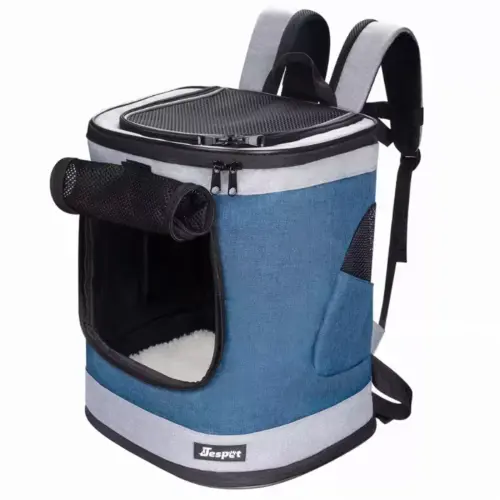
JESPET
Soft Dog Backpack Carrier, Choose color
$65.95
Why it fits: A ventilated backpack for small dogs, which frees your hands for paperwork and doors.
-
Mr. Peanut’s
Naturals Pet Wipes
$26.95
Why it fits: Wipes for the journey, for muddy paws before you go in and anything unpleasant on the way home.
Currently out of stock
-
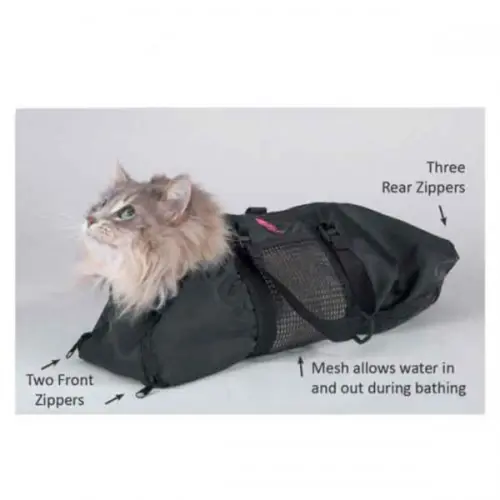
Top Performance
Cat Grooming Bag, Choose size
Price range: $30.95 through $33.95
Why it fits: A grooming bag for safe handling of a cat who cannot be held still for ears or medication at home.


Getting the most from a short appointment
Appointments run to time because everyone else needs one too. Three habits make the difference between a rushed conversation and a productive one.
- Lead with the main concern rather than working up to it.
- Give specifics: dates, frequency, what changed, not just impressions.
- Show the video before describing the problem at length.
- Ask your most important question first, in case time runs out.
- Take notes, or ask to record the explanation on your phone.
- Repeat the plan back before you leave.
If you have several unrelated concerns, say so at the start and ask whether a longer appointment would be better. Most practices would rather book the time than run over, and it costs less than two separate consultations.
Costs, estimates and difficult conversations
Money is a legitimate part of veterinary decision-making and most vets would far rather discuss it openly than discover afterwards that a recommended plan was never affordable. Asking for an estimate is normal, and asking what the options are at different price points is reasonable and common.
If cost is a genuine constraint, say so plainly. There is often more than one acceptable approach, and a vet who knows the budget can recommend within it rather than presenting one plan and assuming silence means agreement.
Tip
Ask whether the practice offers payment plans, and in some countries whether charitable veterinary support exists for people on low incomes. Both are more widely available than most owners realise.
Common questions
Should I feed my pet before the appointment?
Ask when you book. Some tests and procedures need an empty stomach. For an ordinary consultation it is usually fine, and arriving slightly hungry is helpful because treats work better.
Is it rude to ask about cost?
Not at all, and most vets would rather discuss it upfront than discover afterwards that a plan was unaffordable. Ask for an estimate and for the alternatives at different price points.
Can I ask for a second opinion?
Yes, and it is a normal part of veterinary practice, particularly for serious diagnoses or major surgery. Ask for your records to be shared with the other practice.
My pet behaves completely differently at the vet. Does that matter?
It matters a great deal, which is why your home observations and videos are so valuable. Adrenaline masks lameness, pain and lethargy, and many animals appear noticeably better in the room than they are at home.
How do I keep track of everything afterwards?
Keep one note on your phone per pet: weight by month, medication, dates of treatments, and anything you have noticed. It takes seconds and it turns every future appointment into a more productive one.
For deciding whether an appointment is urgent, see when to call the vet about a dog and the cat version. For the schedule of routine visits, see the preventive care calendar, and for carriers, how to choose a dog carrier backpack.
Related guides
-
Guide
When to Call the Vet About a Cat: Signs That Cannot Wait
Cats hide illness, so by the time something looks obvious it is often urgent. This guide sorts common signs by urgency, covers the feline emergencies people miss, and explains how to get a reluctant cat to the clinic.
-
Guide
When to Call the Vet About a Dog: Emergency and Same-Day Signs
Sorting a worrying symptom into emergency, same-day or monitor is the decision every owner faces at ten at night. This guide groups the common ones, explains what to have ready when you call, and does not attempt to diagnose anything.
-
Checklist
Pet Emergency Kit Checklist: What Your Dog or Cat Needs to Evacuate
Everything your dog or cat needs to evacuate with you: records and ID, two weeks of food, water and medicine, a carrier or harness per pet, sanitation and first aid, plus where pets can stay and when to refresh the kit.