Car Travel Buying guide
How to Choose a Dog Carrier Backpack
Short answer
Measure your dog from collar to the base of the tail and buy by that number, not by weight. For short walks and errands an unframed pack is fine; for long or strenuous trips you want an internal frame and a padded hip belt. Check the fit on your own back as carefully as the fit on the dog.
Our picks at a glance
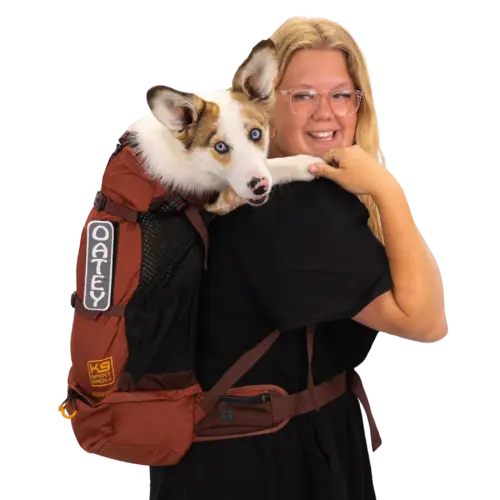
- TrainerAn entry-level pack in four sizes for dogs from 4 to 30 pounds
- KnavigateAn internal frame and padded hip belt across five sizes
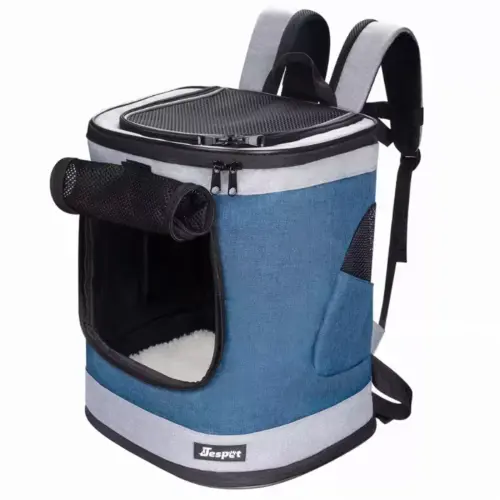
- Soft Dog Backpack CarrierA soft pack with room to stand and turn
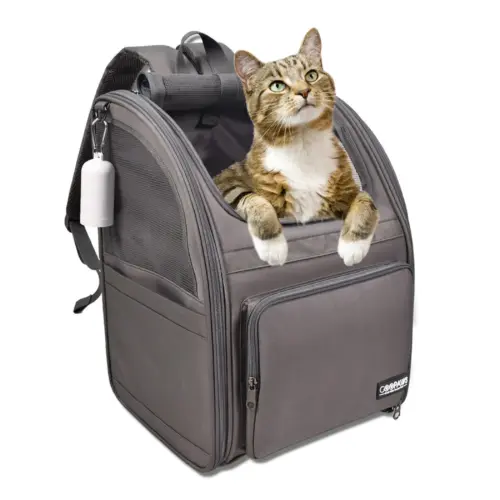
- Cat and Small-Dog Carrier BackpackTop and side openings plus an internal safety strap
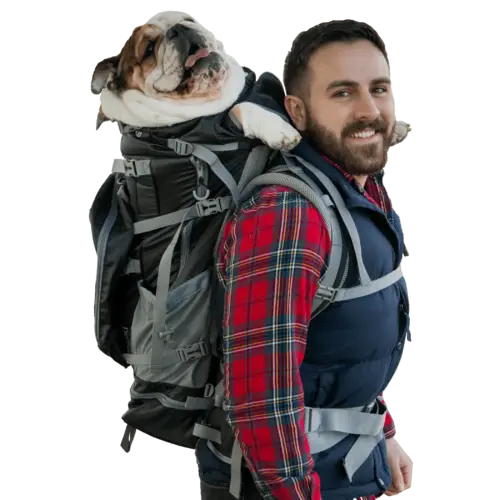
- Kolossus Dog Carrier BackpackThe large-breed option
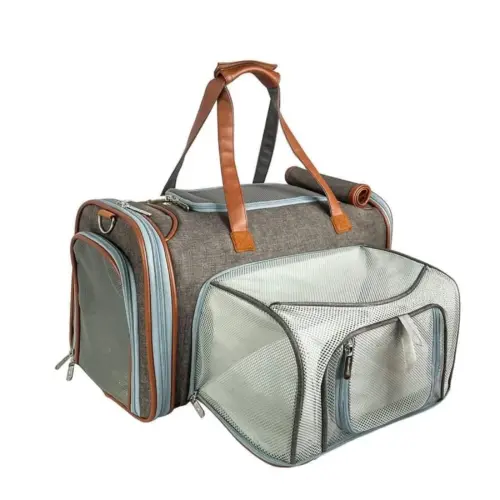
- Gold Series Mini Expandable Pet CarrierA structured soft carrier for the trips where a hand-carried bag beats a backpack
Measure back length, not weight
Almost every carrier backpack is sized by the dog’s length from the collar to the base of the tail. Weight ranges appear on the box and are the least useful number there, because two dogs of the same weight can be completely different shapes.
- Stand your dog square on a flat floor.
- Measure along the spine from where a collar sits to where the tail meets the body.
- Note the chest girth at the widest point as a secondary check.
- Compare against the specific model’s chart, not a general one.
- If your dog is between sizes, size up for a long-bodied dog and down for a compact one.
- Check the stated maximum weight as a limit rather than a target.
A dog in a pack that is too long slumps and cannot brace; a pack that is too short forces a hunched position. Either one gets refused after a few minutes, which is usually blamed on the dog.
What the pack is for
This decides everything else. Carrying a small dog from the car to the vet is a different job from carrying a twenty-pound dog up a hill for three hours, and the packs built for each are different pieces of equipment.
| Use | What you need |
|---|---|
| Vet, errands, public transport | Simple unframed pack |
| City walking, short trips | Unframed, good ventilation |
| Longer walks, mild hills | Padded straps, some structure |
| Hiking, full days out | Internal frame and hip belt |
| Puppy or recovering dog | Easy loading, low entry |
| Air travel | A compliant carrier, not a backpack |
Frames and hip belts
An internal frame holds the pack’s shape so the dog is not pressed against your spine, and a padded hip belt transfers weight from your shoulders onto your hips, exactly as a hiking rucksack does. For anything beyond twenty or thirty minutes, that is the difference between comfortable and miserable.
For short trips the extra weight and bulk of a frame is not worth it. Framed versus unframed carrier backpacks compares the two in detail.
Ventilation and visibility
Mesh on more than one face matters more than people expect. A dog in an enclosed bag in summer heats up quickly, and a dog who cannot see out is far more likely to panic. Look for mesh panels on the sides as well as the front or top.
- Mesh on at least two faces, ideally three
- An opening that lets you check and reach the dog without unloading the pack
- A front-facing design for dogs who want to see where they are going
- A fully enclosed option for nervous dogs, with a cover that rolls away
- A base that is firm enough to sit on rather than a sagging bag
- An internal safety strap to clip to a harness
Safety note
Never clip an internal safety strap to a collar. If the dog slips or the pack tips, all the force goes through the neck. Use a harness, every time.
Front facing or enclosed
Front-facing packs, where the dog’s head and front legs come through the front, suit confident dogs who want to watch the world. Enclosed packs suit nervous dogs, cats, and situations where you need the animal contained.
Neither is better in general. If you are buying for a dog who is unsure about the whole idea, enclosed with a view out is usually the easier starting point.
Fit on you, not just the dog
The common mistake is to assess the pack entirely from the dog’s side. A pack that suits your dog and sits badly on your back will not get used. Load it with the dog’s weight in books before the first real outing and walk around the house.
- Shoulder straps wide and padded enough for the load
- A sternum strap to stop the straps sliding outward
- A hip belt that actually sits on your hips, not your waist
- The dog’s weight carried high and close, not low and swinging
- Enough adjustment range for whoever else will carry it
- Somewhere to put keys, water and waste bags
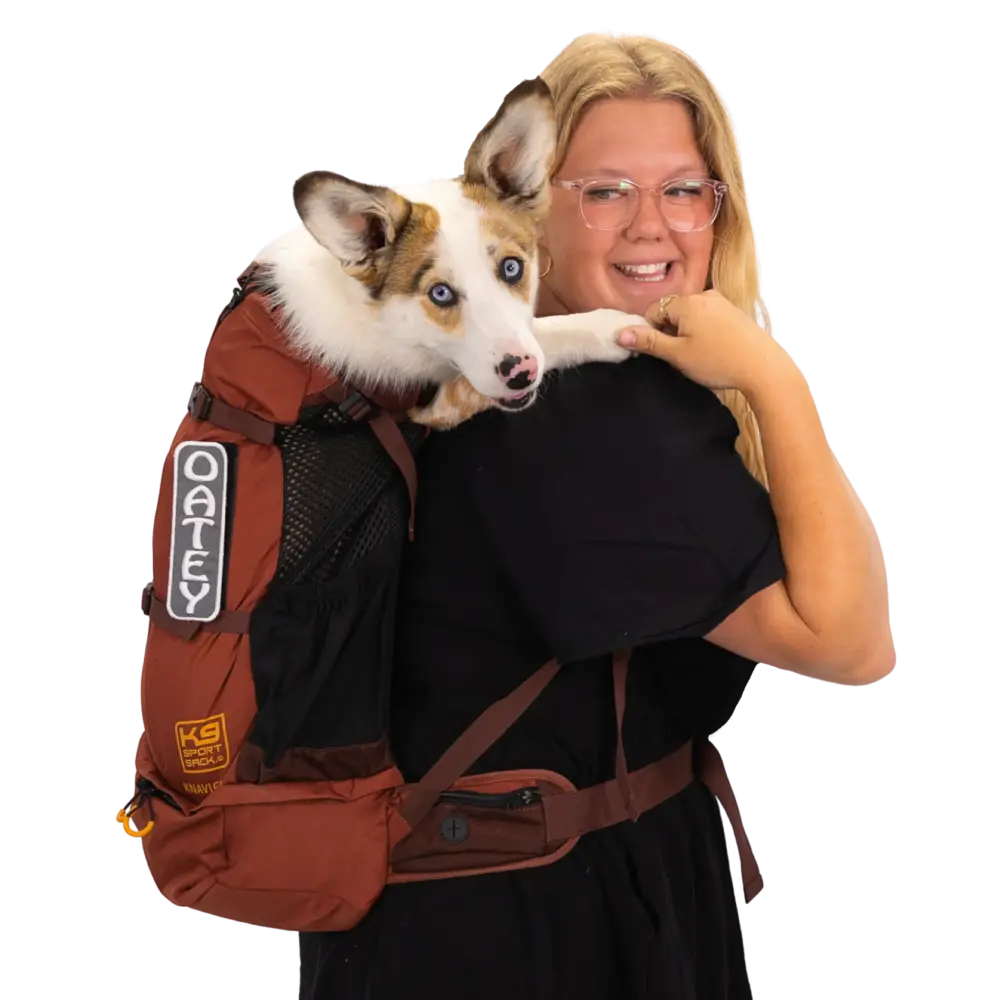
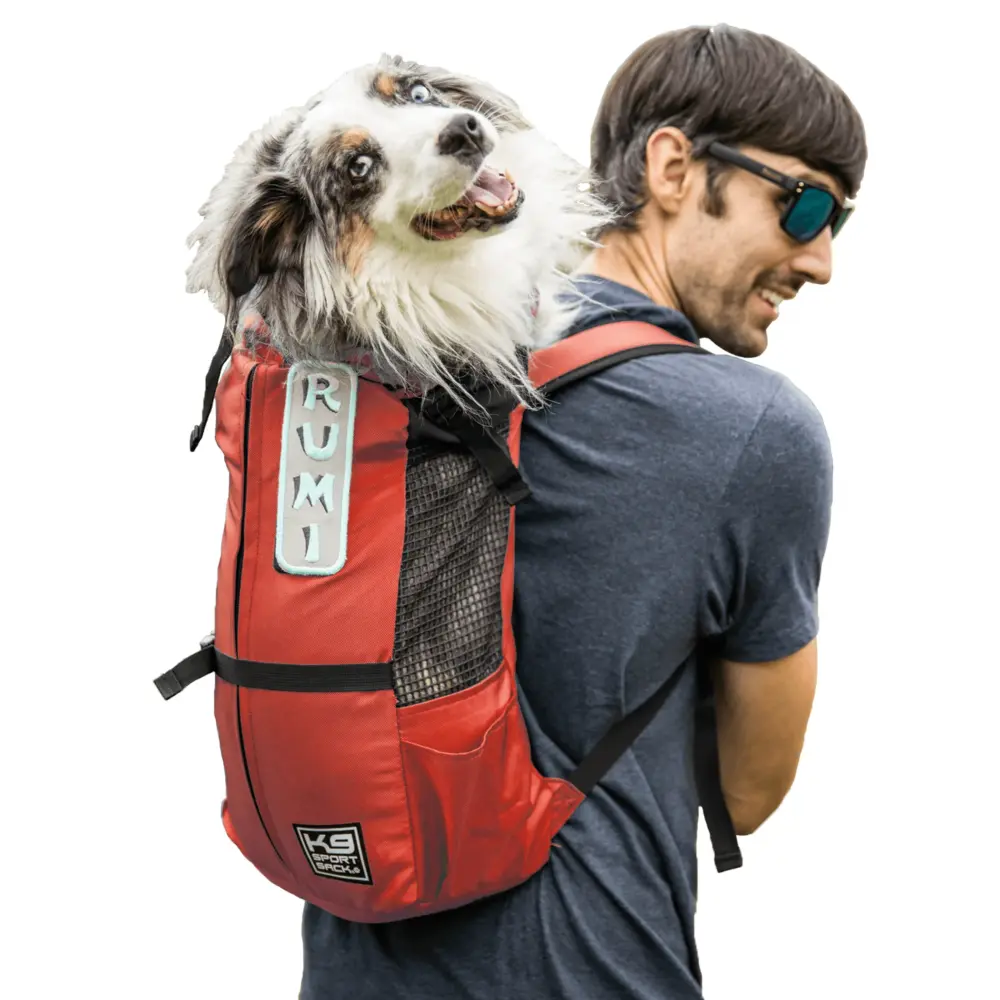
-
K9 Sport Sack
Trainer, Choose size & color
$60.95
Why it fits: An entry-level pack in four sizes for dogs from 4 to 30 pounds, built for short, non-strenuous trips.
-
K9 Sport Sack
Knavigate, Choose size
Price range: $180.95 through $200.95
Why it fits: An internal frame and padded hip belt across five sizes, for longer and harder days out.
-
JESPET
Soft Dog Backpack Carrier, Choose color
$65.95
Why it fits: A soft pack with room to stand and turn, with mesh on the door and sides for ventilation.
-
GOOPAWS
Cat and Small-Dog Carrier Backpack
$51.95
Why it fits: Top and side openings plus an internal safety strap, for cats and small dogs up to 25 pounds.
Currently out of stock
-
K9 Sport Sack
Kolossus Dog Carrier Backpack, Choose size & color
$264.95
Why it fits: The large-breed option, for dogs beyond the size most carrier backpacks handle.
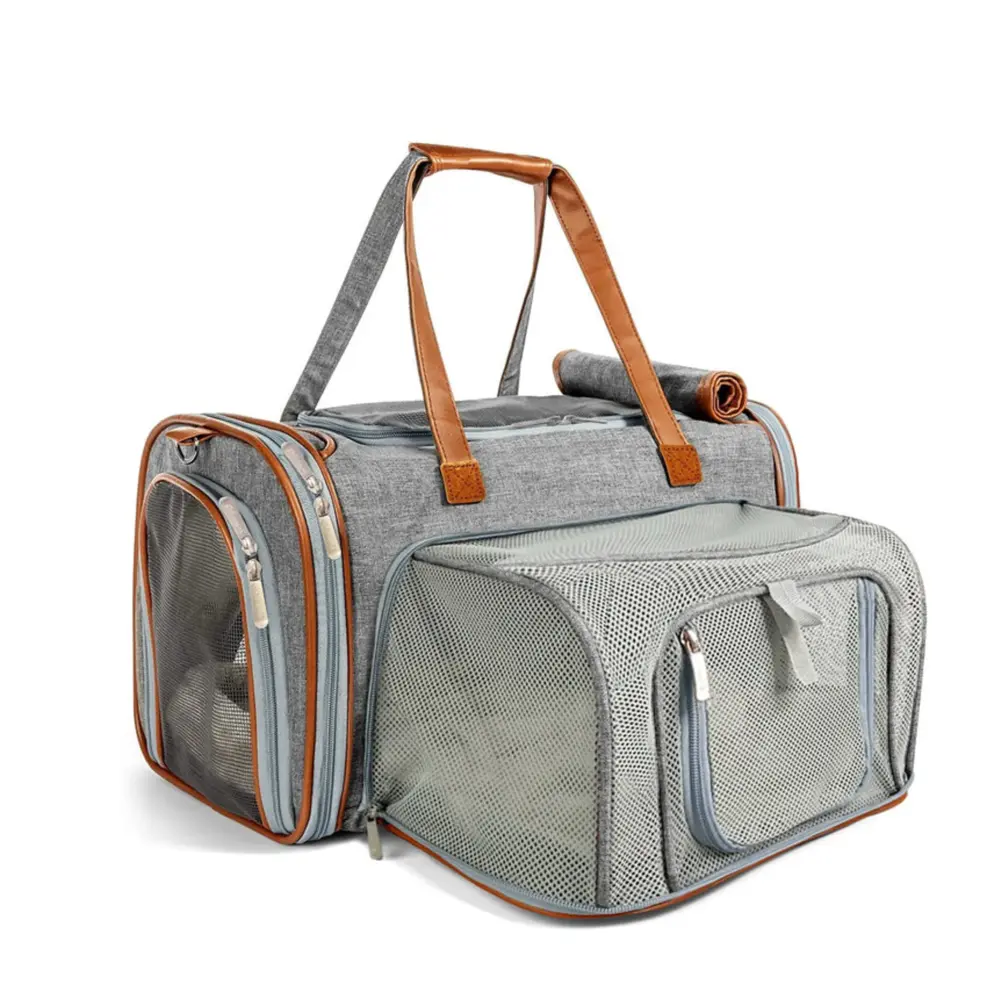
-
Mr. Peanut’s
Gold Series Mini Expandable Pet Carrier, View product
$130.95
Why it fits: A structured soft carrier for the trips where a hand-carried bag beats a backpack.
Before the first real trip
- Leave the pack open on the floor at home for a few days, with treats in it.
- Feed a meal beside it, then in it.
- Load the dog without lifting the pack, for a few seconds, then let them out.
- Lift the pack a few inches with the dog in it, then set it down.
- Walk around the house for a minute, then two, then five.
- Do the first outdoor trip somewhere quiet and short.
- Build up to the length you actually want over a couple of weeks.
Dogs who are loaded straight into a pack and carried into a busy street often refuse it afterwards. Getting a dog used to a backpack carrier covers the build-up properly.
Safety features worth checking
- An internal tether that clips to a harness, never a collar
- Mesh on at least two faces for airflow
- A zip design the dog cannot push open from inside
- A firm base so the dog is not sitting in a sag
- Reflective detail if you will use it after dark
- A sternum strap on the shoulder straps
- No loose cords or straps that could catch
- Stitching at every load-bearing point, not just a buckle
The zip detail matters more than it sounds. A dog who can push a zip open from inside can get out at head height on a busy street, and self-locking zips exist precisely because that has happened.
Which dogs do not suit a pack
Carrier backpacks are not right for every dog, and it is better to know that before buying rather than after.
- Dogs over roughly thirty pounds, where the weight becomes unreasonable for most people.
- Flat-faced breeds in warm weather, which cool themselves poorly in restricted airflow.
- Dogs with respiratory or heart conditions, without veterinary advice.
- Dogs who panic in confinement, which is worth testing gradually before committing.
- Dogs who are unwell or in pain, where a flat carrier is kinder than an upright one.
- Very long-bodied dogs, who cannot be supported properly in a standard pack.
Common questions
How long can a dog stay in a carrier backpack?
Break every twenty to thirty minutes to let them out, stretch and drink. Dogs cannot change position much in a pack, and stiffness builds faster than you would think.
Are carrier backpacks safe for cats?
Many cats travel well in them with preparation, though bubble-window designs raise ventilation and heat questions. Are cat backpacks safe covers it.
Can I use one to take my dog on a plane?
Usually not. Airlines specify under-seat carrier dimensions and rules vary by carrier and route, so check with your airline rather than assuming any bag qualifies.
My dog is 35 pounds. Is a pack realistic?
Physically possible with a framed pack, and genuinely hard work over distance. Be honest about how far you will carry that weight before buying.
Is it bad for a dog to be carried rather than walk?
Not for a healthy dog in moderation. It is genuinely useful for puppies on restricted exercise, recovering dogs, elderly dogs on long outings and small dogs in crowds.
For the frame decision, see framed versus unframed carrier backpacks, and for what else to pack, the hiking with a dog checklist.
Related guides
-
Comparison
Framed vs Unframed Pet Carrier Backpacks
A frame changes where the weight sits, not how much there is. This comparison covers shoulder load versus hip load, when a simple pack is genuinely enough, and the dog size at which the question answers itself.
-
Guide
When to Call the Vet About a Dog: Emergency and Same-Day Signs
Sorting a worrying symptom into emergency, same-day or monitor is the decision every owner faces at ten at night. This guide groups the common ones, explains what to have ready when you call, and does not attempt to diagnose anything.
-
How-to
How to Measure a Pet for a Carrier So It Actually Fits
Carrier sizing catches people out because the weight limit and the internal dimensions are separate constraints and a pet can fail either. This covers the three measurements that matter, the height mistake almost everyone makes, and how to test the fit before a journey.