Journal Guide
When to Call the Vet About a Dog: Emergency and Same-Day Signs
Short answer
Go immediately for difficulty breathing, collapse, pale or blue gums, a swollen hard abdomen, repeated retching with nothing produced, seizures, suspected poisoning, or a major injury. Call the same day for persistent vomiting, limping that will not settle, or refusing food. When in doubt, phone and describe it.

Safety note
This page helps you judge urgency. It does not diagnose anything and it is not a substitute for veterinary advice. If you are worried, phone your vet. Every practice has an out-of-hours arrangement and nobody minds a call that turns out to be nothing.
How to use this page
The lists below group common situations by how fast they usually need attention. They are a starting point for a phone call rather than a decision tree, because the same symptom can be trivial in one dog and serious in another. A vomiting adult dog who is otherwise bright is a different proposition from a vomiting puppy, an elderly dog or a dog who has eaten something unknown.
Two rules override everything on this page. If your dog looks genuinely unwell, go, regardless of whether the symptom is on a list. And if you are unsure, phone. Veterinary nurses triage these calls all day and will tell you honestly whether it can wait.
Go now, without calling first
- Difficulty breathing, choking, or constant open-mouth breathing in a dog at rest
- Gums that are pale, white, blue, grey or brick red
- Collapse, inability to stand, or sudden weakness
- A hard, swollen or distended abdomen, especially with unproductive retching
- Repeated attempts to vomit with nothing coming up
- A seizure lasting more than a couple of minutes, or repeated seizures
- Suspected poisoning, including chocolate, grapes, raisins, xylitol, antifreeze, rodent bait or human medication
- Serious trauma: hit by a car, a fall, a dog fight, a deep wound
- Heavy bleeding that does not stop with pressure
- Straining to urinate with nothing produced
- A whelping bitch straining for more than half an hour with no puppy
- Signs of heatstroke: heavy panting, distress, collapse after heat or exercise
- An eye injury, a bulging eye, or sudden blindness
The combination of a swollen abdomen and unproductive retching deserves emphasis. In deep-chested breeds this pattern is associated with a condition that can be fatal within hours, and it is one of the few situations where minutes genuinely matter.
Tip
If you suspect poisoning, take the packaging with you and phone ahead so the practice can prepare. In the United States, the ASPCA runs an animal poison control service; a consultation fee may apply.
Call today
- Vomiting or diarrhoea lasting more than 24 hours, or with blood
- Not eating for more than 24 hours
- Drinking or urinating noticeably more than usual
- Limping that has not improved in a day or two, or that is getting worse
- A new lump that has appeared suddenly or is growing
- An ear that is hot, smelly or being scratched constantly
- An eye that is red, weeping or being held shut
- Coughing that persists, or that is worse at night
- A wound that looks infected
- Sudden behaviour change, especially irritability or hiding
- Difficulty passing faeces, or scooting repeatedly
Worth a call this week
- Gradual weight loss or gain
- Bad breath, tartar build-up or reluctance to chew
- Stiffness after rest that eases with movement
- A coat that has become dull, thin or flaky
- Reduced interest in walks or play over weeks
- Any change you cannot explain, even if the dog seems well
This group is where most of the quiet value lies. Chronic pain, dental disease and early organ problems all live here, and they are treatable precisely because they are caught before they become urgent. Our guide on signs a dog is in pain covers the slow changes in detail.
What to have ready when you phone
- Your dog’s age, breed and rough weight.
- What you have seen, in plain terms, and when it started.
- Whether it is getting worse, better or staying the same.
- Whether your dog is eating, drinking, urinating and passing faeces normally.
- Anything they may have eaten or got into, with the packaging if you have it.
- Current medication, flea and worm treatment dates, and vaccination status.
- A short video if the problem is movement, breathing or a seizure.
Video is worth more than description for anything intermittent. A thirty-second clip of a dog walking away from the camera, or of the breathing pattern that worried you, often answers the question immediately.
Getting there safely
Phone before you set off so the practice is expecting you. For a dog who cannot walk, use a blanket as a stretcher with two people, supporting the back as well as the front. A frightened or painful dog may bite even when they never have before, so approach calmly and consider a soft muzzle if you have one and the dog is not vomiting or struggling to breathe.
For small dogs, a carrier is safer than a lap, both for the dog and for the driver. If your dog travels badly at the best of times, getting a dog used to car rides is worth working on before you need it.
-
Armarkat
Soft-Sided Pet Carrier, View product
$65.95
Why it fits: A soft carrier that folds flat; keeping one ready means a small dog travels securely rather than on a lap.
-
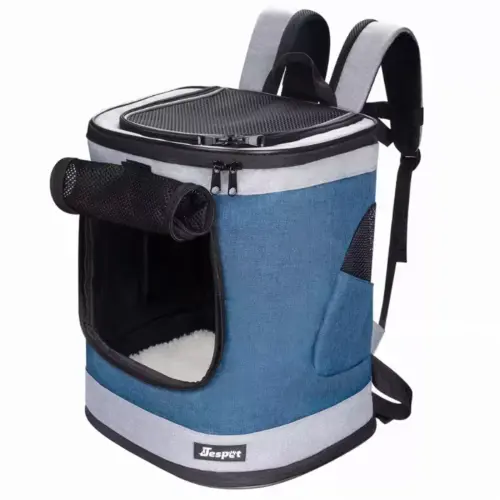
JESPET
Soft Dog Backpack Carrier, Choose color
$65.95
Why it fits: A backpack carrier for a small dog who cannot walk far, which frees both hands at the clinic door.
-
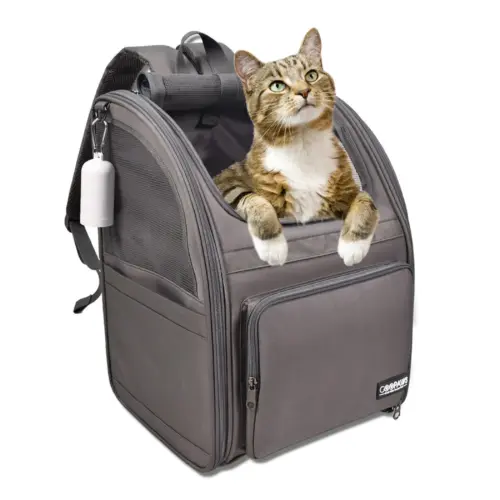
GOOPAWS
Cat and Small-Dog Carrier Backpack
$51.95
Why it fits: Top and side openings let you lift a cat or small dog out without tipping the bag at the practice.
Currently out of stock
-
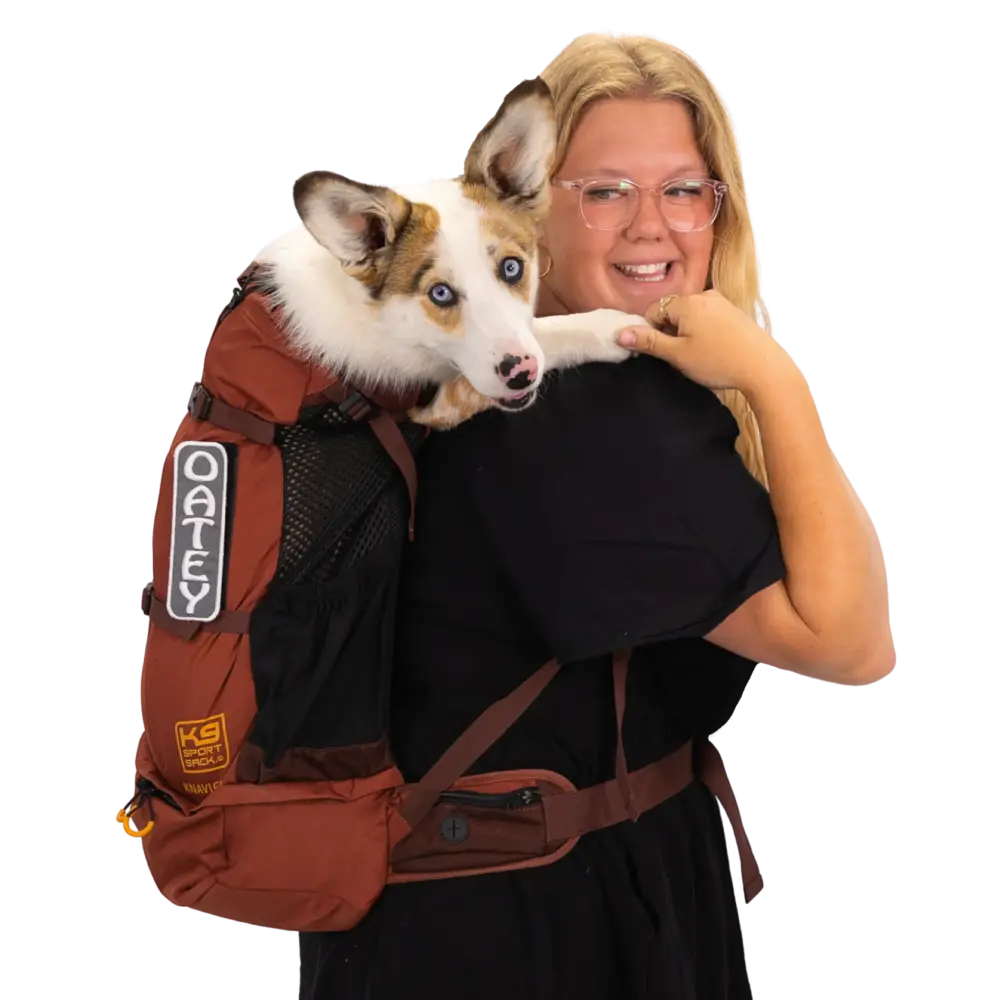
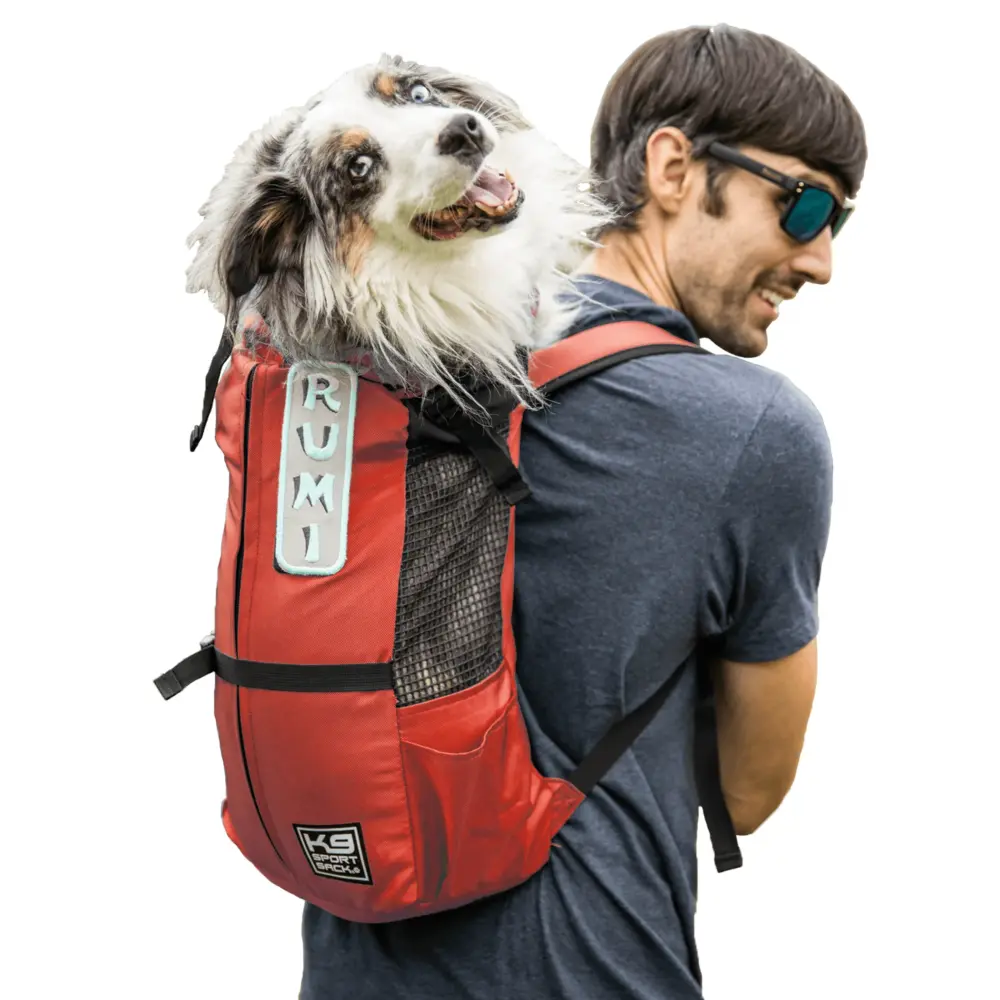
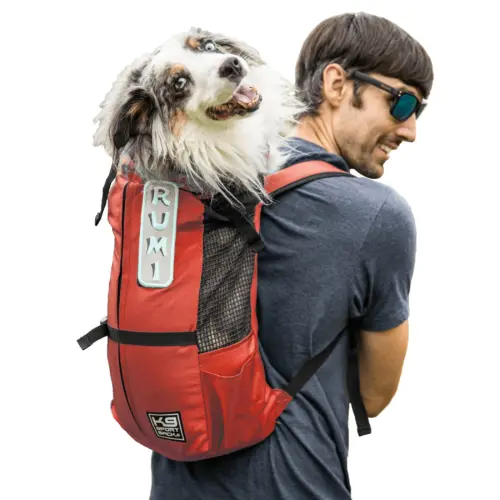
K9 Sport Sack
Trainer, Choose size & color
$60.95
Why it fits: An entry-level carrier backpack for short trips, including the walk from the car park to reception.

Why we do not diagnose online
Several serious conditions present almost identically to minor ones, and the distinguishing details are things only an examination reveals: gum colour, hydration, heart and lung sounds, abdominal palpation, temperature. No page, including this one, can substitute for that, and a confident answer from the internet is more dangerous than an uncertain one from a nurse on the phone.
Preparing before you need it
The decisions on this page are much easier when the logistics are already sorted. Ten minutes now removes most of the panic later.
- Your practice number and the out-of-hours arrangement, saved in your phone
- The address of the emergency clinic, checked on a map
- Whether you need to phone before arriving out of hours
- How you would transport your dog if they could not walk
- Who else could drive if you cannot
- Current medication written down
- Your pet insurance details, if you have cover
- Microchip number and up-to-date registration details
The transport question is the one people have not thought about. A large dog who cannot stand needs two people and a blanket, and working that out at eleven at night is considerably harder than working it out now.
What to do while you wait
For most situations the answer is to keep your dog calm, warm and still, and to avoid giving anything by mouth unless the practice has told you to. Do not offer food or water if surgery or sedation might be needed.
For bleeding, apply firm pressure with a clean cloth and keep it there rather than lifting to check. For a seizure, move furniture away, dim the lights, time it, and do not put anything in the mouth. For suspected heatstroke, move to shade, wet the coat with cool, not ice-cold, water and get moving to the clinic immediately.
Safety note
Do not give human medication of any kind, do not induce vomiting unless a vet or a poison control service has told you to, and do not delay to search online. Phoning is faster and better.
Common questions
My dog vomited once and seems fine. Do I need to call?
A single vomit in an otherwise bright adult dog who is drinking and behaving normally can usually be monitored for a day. Call sooner if it repeats, if there is blood, if the dog is a puppy or elderly, or if they may have eaten something they should not.
How do I check gum colour?
Lift the lip and look at the gum above a tooth. It should be pink and moist. Press gently with a fingertip: the spot should go white and return to pink within about two seconds. Pale, white, blue or very red gums, or a slow return, mean go now.
Is it worth paying for out-of-hours if I am not sure?
Phoning costs nothing, and the triage call is free at most practices. Describe what you are seeing and let them tell you. Delaying a genuine emergency is far more expensive than an unnecessary consultation.
My dog ate something they should not have. How long do I have?
Phone immediately rather than waiting for symptoms. For many substances there is a window in which treatment is simple and effective, and once symptoms appear that window has usually closed.
What counts as a seizure emergency?
A first-ever seizure, a seizure lasting more than a couple of minutes, or more than one seizure in a day all need urgent attention. During a seizure, move furniture away, do not put anything in the mouth, dim the lights and time it.
For what to take and what to ask once you have an appointment, see what to bring to a vet visit. The cat version of this page is when to call the vet about a cat, and the routine that catches problems earlier is the weekly at-home health check.
Related guides
-
Comparison
Framed vs Unframed Pet Carrier Backpacks
A frame changes where the weight sits, not how much there is. This comparison covers shoulder load versus hip load, when a simple pack is genuinely enough, and the dog size at which the question answers itself.
-
Buying guide
How to Choose a Dog Carrier Backpack
Carrier backpacks are sized by back length rather than weight, and the right one depends on how long you intend to carry. This guide covers measuring, frames, ventilation and the fit on you rather than only on the dog.
-
Guide
When to Call the Vet About a Cat: Signs That Cannot Wait
Cats hide illness, so by the time something looks obvious it is often urgent. This guide sorts common signs by urgency, covers the feline emergencies people miss, and explains how to get a reluctant cat to the clinic.