Beds & Comfort Comparison
Should Your Dog Sleep in Your Bed? Pros, Cons and Alternatives
Short answer
For many healthy adult dogs and people, sharing a bed is fine, and the closeness can comfort you both. Give your dog their own bed if anyone sharing yours has allergies or a weakened immune system or sleeps lightly, or your dog guards the bed, isn’t housetrained or struggles to jump. Beside yours, it keeps most of the closeness.
Your bed, a bed beside yours or another room
“In my bed or not” is really a choice among five spots. Each step away from your pillow trades a little closeness for quieter nights and cleaner sheets, and who is in the bed matters as much as which dog wants to join them. Most households that want the dog nearby settle on one of the middle rows.
| Option | Closeness | Your sleep | Sheets and allergens | Best for |
|---|---|---|---|---|
| Your bed | Right up against you | Kicks, scratching and snoring | Hair, dust and pollen in your bed | Healthy adult dogs, sound sleepers |
| Foot of bed | On the bed, off your pillows | Less contact, some shifting | Mostly on a washable throw | Calm sleepers; a middle ground |
| Bed beside you | Within arm’s reach | Little disruption | Kept on the dog’s own bedding | Light sleepers and stiff seniors |
| Crate nearby | Close, behind a door | Quiet once your dog settles | Kept on the crate bedding | Puppies still learning the night |
| Another room | Out of sight | No disruption from the dog | Kept out of the bedroom | Severe allergies; dogs who settle alone |
The case for sharing your bed
Closeness is the main argument, and it is a real one. For a dog who spends the workday alone, the night is time with their people, and VCA Animal Hospitals’ article on whether your dog should sleep in your bed counts that connection among the benefits.
Some people sleep better for it, too. VCA notes that dogs tend to calm people, that some who have trouble sleeping find a dog’s rhythmic breathing helps them drift off, and that heavy sleepers may rest easier knowing their dog would warn them of an emergency in the night.
You would be in plenty of company. According to VCA, about 62% of small dogs are allowed to sleep with their families, compared with 41% of medium-sized dogs and 32% of large ones. Size shapes the decision, too: a Chihuahua tucks into a corner, while a 70-pound Lab can claim half the mattress.
Worried about spoiling your dog? Being on the bed isn’t a problem in itself. The AKC’s take on dogs in the bed is that for a well-adjusted, well-behaved dog, sharing is unlikely to do anything but comfort you both and strengthen your bond. A dog who hops up and gets down when asked, settles quickly and doesn’t mind you rolling over is sharing well. A dog who treats the bed, or the person in it, as something to defend is the exception, and that is a reason to stop.
The case against sharing your bed
The downsides land on both sides of the mattress:
- Broken sleep. Dogs roll over, kick, scratch and snore, and VCA notes that light sleepers wake when they do. The lost sleep is mostly yours: as VCA points out, dogs make up for a restless night with naps during the day.
- Allergens on the bedding. Dander settles into sheets, pillows and the mattress itself. VCA adds that dust and pollen cling to a dog’s coat outdoors, so even someone who isn’t allergic to dogs may find their seasonal symptoms worse.
- Parasites and germs. VCA warns that the fleas, ticks and intestinal parasites dogs carry can cause illness in people, and that sleeping together increases exposure. The CDC names children younger than 5, adults 65 and older and people with weakened immune systems as more likely to get diseases spread between animals and people.
- A startled dog. A dog woken by a foot or an elbow landing on them may snap before they are properly awake. As VCA points out, an accidental bite hurts just as much as a deliberate one.
- Jumps and joints. Climbing onto a bed is real effort for a dog with arthritis, VCA notes, and a soft mattress doesn’t support aging joints well. A tall bed is also a long drop for a puppy or a toy breed.
- Leaks. Older dogs with weak bladders may leak when they lie down. New leaking is worth a call to your veterinarian, wherever your dog sleeps.
Dogs and people who should sleep apart
People who should think twice
- Dog allergies or asthma that flares at night: keep the dog off the bed at the very least, and ask your doctor whether the bedroom should be dog-free too.
- A weakened immune system, from an illness or its treatment: VCA counts very young, very old and immune-compromised people as particularly at risk of infection, so check with your doctor before you share.
- Light sleepers and people with sleep problems: a dog bed within arm’s reach keeps the dog close without the kicks.
- Babies and young children: keep dogs out of a baby’s sleep space entirely. The CDC’s page on dogs and health notes that children are more likely than adults to be bitten, with more severe injuries, and advises supervising young children with any dog, the family pet included. A sleeping child isn’t supervised.
Dogs better off on a bed of their own
- Dogs who guard the bed or a person. Watch for a stiff body, a hard stare, a lifted lip or a low growl when someone gets in, rolls over or comes near. VCA says a dog who guards the bed or a family member shouldn’t be allowed on it until they show they won’t. The AKC’s guide to resource guarding in dogs notes that dogs can guard a resting spot or a preferred person, and that yelling or punishment may only make it worse.
- Dogs who wake up startled. If your dog jolts awake and snaps, or hates being touched while asleep, give them their own bed nearby.
- Seniors with stiff joints or a weak bladder. A low, supportive bed beside yours spares the jumps, and VCA notes that dogs in pain may prefer padding on a solid surface, low to the ground. Our checklist for senior-proofing your home covers floors, steps and night lights.
- Young puppies. The AKC suggests a crate for any young puppy until they are housebroken and mature enough to jump on and off the bed without risk of injury. See what to put in a dog crate for the setup.
- Dogs being treated for fleas or a skin infection. Keep them on washable bedding of their own until your veterinarian says the problem has cleared.
Safety note
A dog who growls when you climb into bed, or when you reach for them on it, is giving you a warning; don’t test it. Get them down by tossing a treat onto the floor rather than reaching for the collar, keep the bedroom door closed for now, and ask your veterinarian or a certified behavior professional for help. A sudden change in behavior can have a medical cause.
House rules if you share your bed
If your dog and everyone in the bed pass the checks above, these habits keep sharing pleasant:
- Make it invitation-only. The AKC suggests treating the bed as an invitation rather than an automatic right. Teach a cue such as “up” to join you and “off” to get down, and reward both, so your dog can share most nights and skip the ones when you’re ill or have a guest. Everyone who sleeps in the bed should keep the same rule.
- Give your dog a spot. A washable throw at the foot of the bed keeps most of the hair in one place, and VCA suggests training your dog to sleep at your feet to cut the disruption when they move. Wash the throw the way you would a dog bed; how to wash a dog bed has the settings.
- Clean up after the last walk. VCA suggests wiping your dog with a damp towel to cut the dust and pollen they carry in, along with regular baths, a HEPA filter and washing your bed linens often. Wash sheets and the throw more often in shedding season or after a muddy week.
- Keep up parasite prevention. VCA notes that your veterinarian can prescribe year-round, broad-spectrum parasite control, which protects you as well as your dog; ask which products suit yours.
- Help small and older dogs up. VCA suggests lifting a small, arthritic dog onto the bed and giving a larger one pet steps or a ramp, and putting pee pads on the bed for a senior who leaks. We don’t sell steps or ramps, but a sturdy set saves a lot of jumps.
- Wake your dog gently. Say their name before you touch them, and teach children to do the same.
A bed of their own, right beside you
For many homes this is the best of both: your dog can see, hear and smell you, and you can reach down to them, but nobody gets kicked at 3 a.m. It also plans ahead: VCA suggests asking whether you would adapt if your dog later struggles to jump, and if not, building the habit of sleeping in their own bed, near you, to spare them stress later. Put it on your side, out of the path to the door, so a trip to the bathroom doesn’t mean stepping over your dog.
Where your dog goes when they leave your bed is a clue. A dog who moves to cool tile may be too warm under your duvet, while one who burrows under the covers may be cold; our guide to keeping a dog warm at night covers bedding and drafts for the second kind.
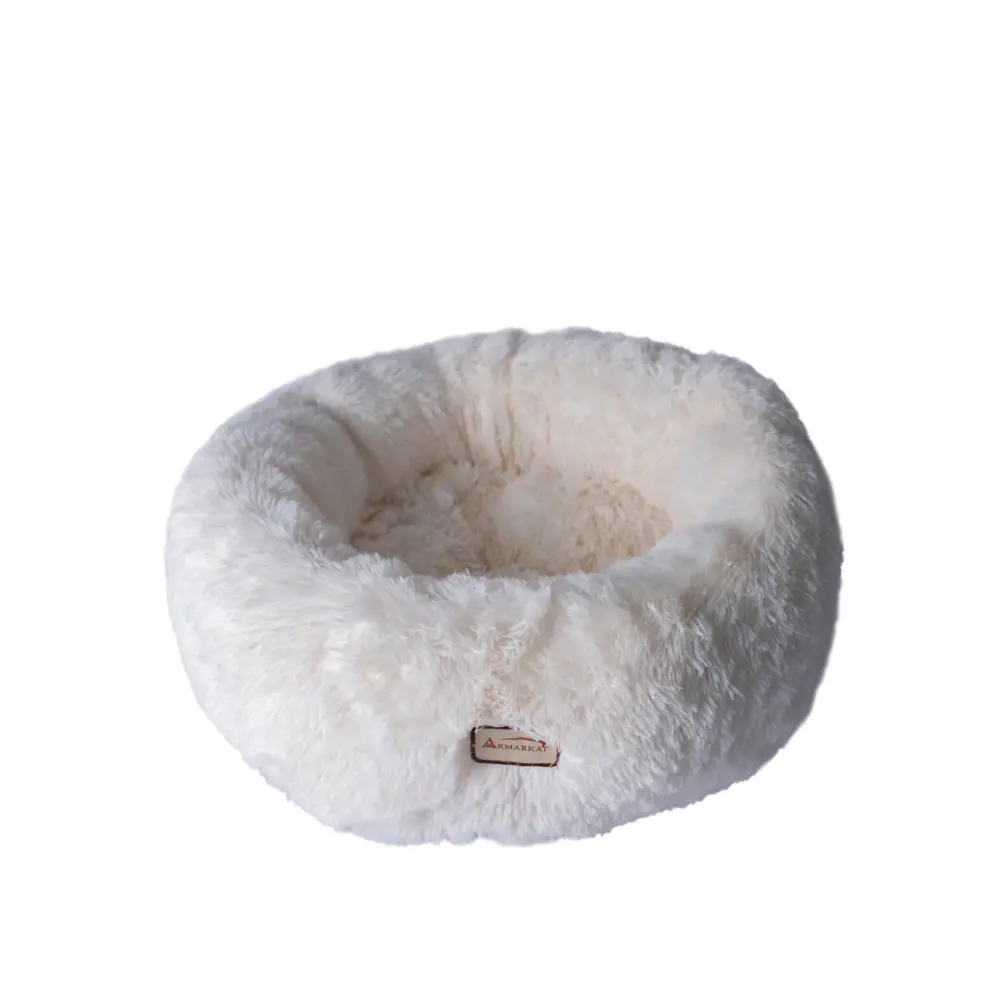
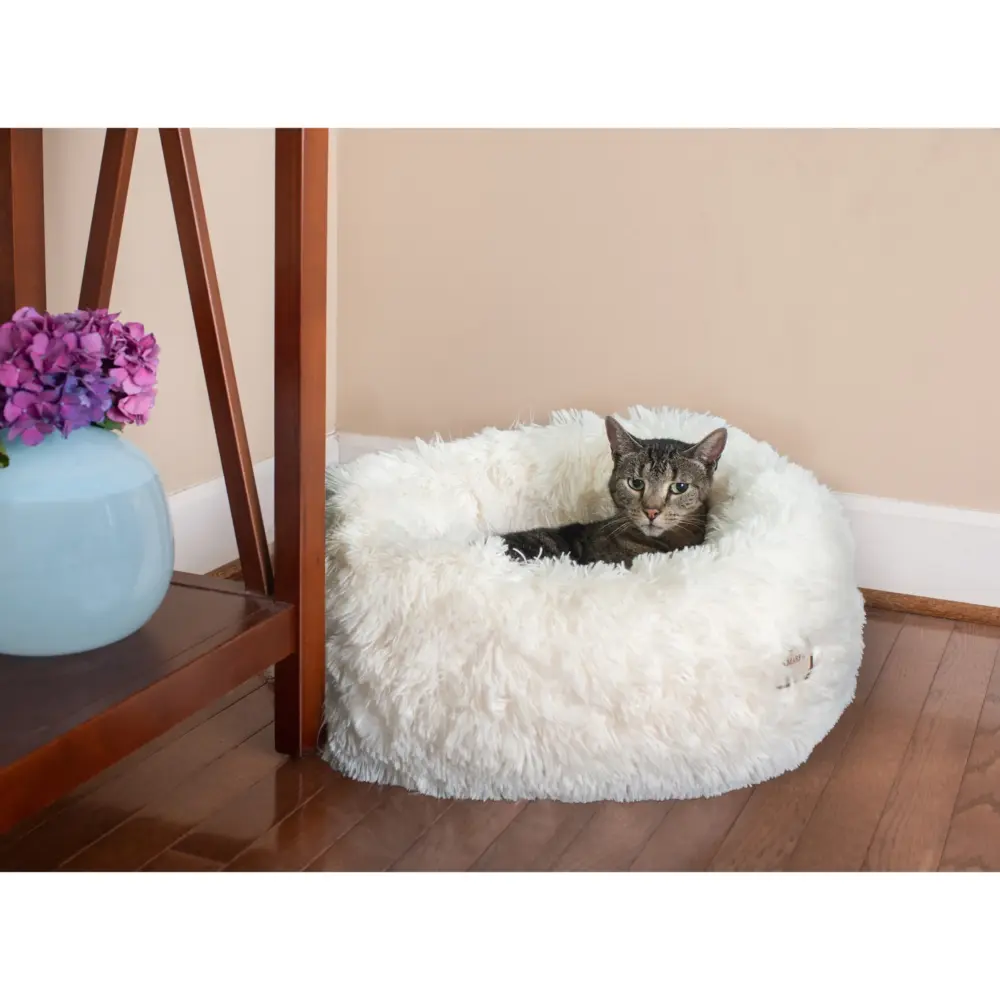
Our picks are limited to Nilosi’s small catalog: a cuddler bed for small dogs, a cooling mat for warm sleepers and wipes for the nights your dog does share. We don’t carry beds for medium or large dogs. The cuddler comes in Small, 22 × 22 × 8 in, and a larger Medium, so measure your dog curled up asleep first; our guide to measuring a dog for a bed shows how.
-
Armarkat
Ultra-Plush Cuddler Bed for Cats & Small Dogs, Choose size
Price range: $55.95 through $72.95
Why it fits: A bed of their own beside yours for toy and small dogs, with a raised rim to lean on and a skid-free base; the Small is 22 in across.
-
The Green Pet Shop
Chillz Cooling Gel Mat for Dogs & Cats, View product
$45.95
Why it fits: A cool spot beside your bed for dogs who run hot under the covers; the gel cools under their weight and needs no water, ice or power.
-
Mr. Peanut’s
Naturals Pet Wipes
$26.95
Why it fits: A quick wipe before your dog climbs into bed, with large, thick wipes for paws and coat so less of the walk ends up on your sheets.
Currently out of stock



More beds for cats and small dogs are in our beds and comfort collection.
Moving your dog out of your bed later
Plenty of dogs start out in the bed and move out later: a new partner, a baby on the way, a fresh allergy, an older dog who can no longer manage the jump, or simply a wish for better sleep. If you can see the change coming, start a few weeks ahead rather than on the night it happens.
Begin with their bed right beside yours, so at first the only thing that changes is what they lie on, and reward them every time they settle there. Our guide to getting your dog to sleep in their own bed has a step-by-step “bed” cue, a two-week bedtime routine and a way to move the bed farther off in stages.
Expect a few nights of your dog hopping back up. Calmly cue them back down each time, because giving in at 2 a.m. teaches them that persistence pays. Want to keep lazy weekend mornings together? The invitation-only rule above still works once your dog has a bed of their own.
Verdict: which option suits you
- Healthy adult dog, sound sleepers, no allergies: share if you both enjoy it, with the house rules above.
- A light sleeper or mild allergies: try the foot of the bed on a washable throw, or a dog bed within reach.
- Dog allergies, asthma or a weakened immune system: the dog sleeps off your bed, and maybe out of the bedroom; ask your doctor.
- A puppy: a crate beside your bed until they’re housetrained and mature enough to jump safely, then decide.
- A senior who struggles to jump: a low bed beside yours, or steps if they love being up with you.
- A dog who guards the bed or wakes up snapping: a bed of their own off yours, plus professional help for guarding.
Tip
Can’t decide? Start with a bed beside yours for a few weeks. You can always invite your dog up later, which is easier than moving them out, and by then you’ll know how well you both sleep with your dog close by.
Related guides
-
Checklist
Bringing Your Dog to Work: Readiness, Packing and Etiquette
A checklist for bringing your dog to work: the readiness checks that matter (settling on a mat, polite greetings, ignoring food), the policy and coworker questions to ask first, a desk kit, a break schedule, office etiquette and the days your dog should stay home.
-
Guide
Why Do Dogs Dig in Their Beds? Normal Nesting and When It’s a Problem
Digging, scratching and circling before lying down is normal nesting. Learn why dogs do it, how to tell a normal routine from a frantic one, what extra digging says about the bed, how to handle a bed shredder and when to call your veterinarian.
-
Checklist
When to Replace a Dog Bed: 7 Signs, Plus Cat Beds and Gel Mats
A checklist for deciding when a dog or cat bed is past saving: the fold-and-press test for flat filling, smells that return after a proper wash, tears that put a chewer at risk, worn bases, rims and gel mats, a pet who has outgrown the bed, and what only needs a wash.