Puppies & Kittens How-to
How to Stop a Puppy Biting: Toys, Calm Time-Outs and House Rules
Short answer
Puppy biting is normal play and teething behavior, so redirect it rather than punish it. Keep a tug or carry toy within reach, go still when teeth touch skin or clothes and swap the toy in; if your puppy comes straight back for you, end the game calmly for a minute. Reward gentle play every time.
Why puppies bite: play, teething and tiredness
A puppy who hangs off your pant leg and pounces on your shoelaces isn’t being bad. Mouthing is how puppies play and explore, and the AKC’s guide to puppy biting describes it as a normal part of teething and of growing up.
It is also how puppies learn bite inhibition: how hard is too hard. Among littermates, as the ASPCA’s guide to mouthing and play biting explains, a puppy who bites too hard gets a yelp and the game stops, and over many rounds puppies learn to soften their bites. At home, your family takes over that lesson. Most biting starts from one of these:
- Play. Hands, feet and loose clothes move like toys, and they get more exciting when they pull away.
- Teething. Sore gums add an urge to chew. Our puppy teething timeline covers when the teeth change and what is safe to chew.
- Tiredness. The AKC notes that a biting puppy is sometimes really an overtired puppy. If the worst nipping comes in wild evening spells, read how to calm an overtired puppy alongside this guide.
- Attention. If a nip reliably gets squeals, talking or pushing, it works, even when the attention is a scolding.
- Excitement. Greetings, visitors and running children wind a puppy up, and it comes out through the mouth.
How to stop a puppy biting, step by step
Every step teaches one rule: teeth on people stop the fun, and teeth on toys keep it going. What you need:
- Two or three toys your puppy can grab: one long enough for tug, one soft enough to carry. Keep them within your reach where biting usually starts, such as on a shelf by the sofa or the back door.
- Small, soft treats, counted toward the day’s food.
- A time-out spot: a crate, puppy pen or room behind a baby gate, set up as a pleasant place to rest. We don’t sell crates or gates.
- A quiet job for afterward, such as a lick mat, or a chew your veterinarian suggests for your puppy’s age and size.
- Bring the toy in first. When your puppy starts to wind up, offer a toy before teeth find you. The AKC advises keeping a chew toy at hand at all times, so the swap is always ready.
- When teeth touch skin, go still. Stop moving the hand or foot. Snatching it away turns you into a toy that escapes, and the ASPCA advises against jerking hands or feet away.
- Swap in the toy. Make it scoot along the floor, away from you, and praise the moment your puppy grabs it. A few seconds of tug or chase shows that the toy beats your hand.
- If the teeth come back, take a short break. Turn away and tuck your hands into your armpits, as the AKC suggests, and ignore your puppy for 10 to 20 seconds, the ASPCA’s short time-out.
- Still nipping? Step out. If your puppy follows and keeps biting, step behind a gate or into another room for 30 to 60 seconds, the ASPCA’s longer time-out. Stay silent; it is a pause, not a punishment.
- Come back calm, and reward gentle. Return quietly and restart with the toy. Praise or treat a soft mouth, licking, sitting or play with the toy, so calm earns more attention than teeth ever did.
- If every break ends in more biting, it’s nap time. The AKC suggests a quiet space or crate for a puppy who is biting because they are overtired. Offer a potty break first.
- Use the same rules all day, with everyone. A puppy can’t learn that teeth end the game if one person still plays hand games. Brief the whole household, and repeat the steps every time.
Gentle first, then no teeth at all
The ASPCA calls teaching gentleness the first and most important objective, with no mouthing of people as the end goal. In practice, start by taking a break for the bites that hurt and simply swapping in a toy for softer mouthing. As hard bites fade over the following weeks, raise the bar until any teeth on skin end the fun.
Tip
What about yelping? The ASPCA describes a high-pitched yelp and a limp hand, the way a littermate would react, used no more than three times in 15 minutes. The AKC cautions that some puppies only get more worked up by it. If a yelp makes your puppy bite harder or bounce at you, drop it and rely on going still and taking a break.
Redirecting to tug and carry toys
Redirection only works when the toy is more fun than you are. A toy lying still on the floor rarely beats a moving ankle; a toy that darts away like prey usually does.
- Tug, with rules. Tug gives a mouthy puppy something to grip and pull. You start and end the game, keep it low and side to side, and pause for a few seconds whenever teeth touch your hand. Keep it gentle with a teething puppy, with no lifting or yanking. The full house rules and a drop cue are in toys for dogs who destroy toys.
- A carry toy for greetings. Some puppies greet with an open mouth. Hand over a soft toy as you come through the door or before a visitor walks in, so the mouth is already full.
-
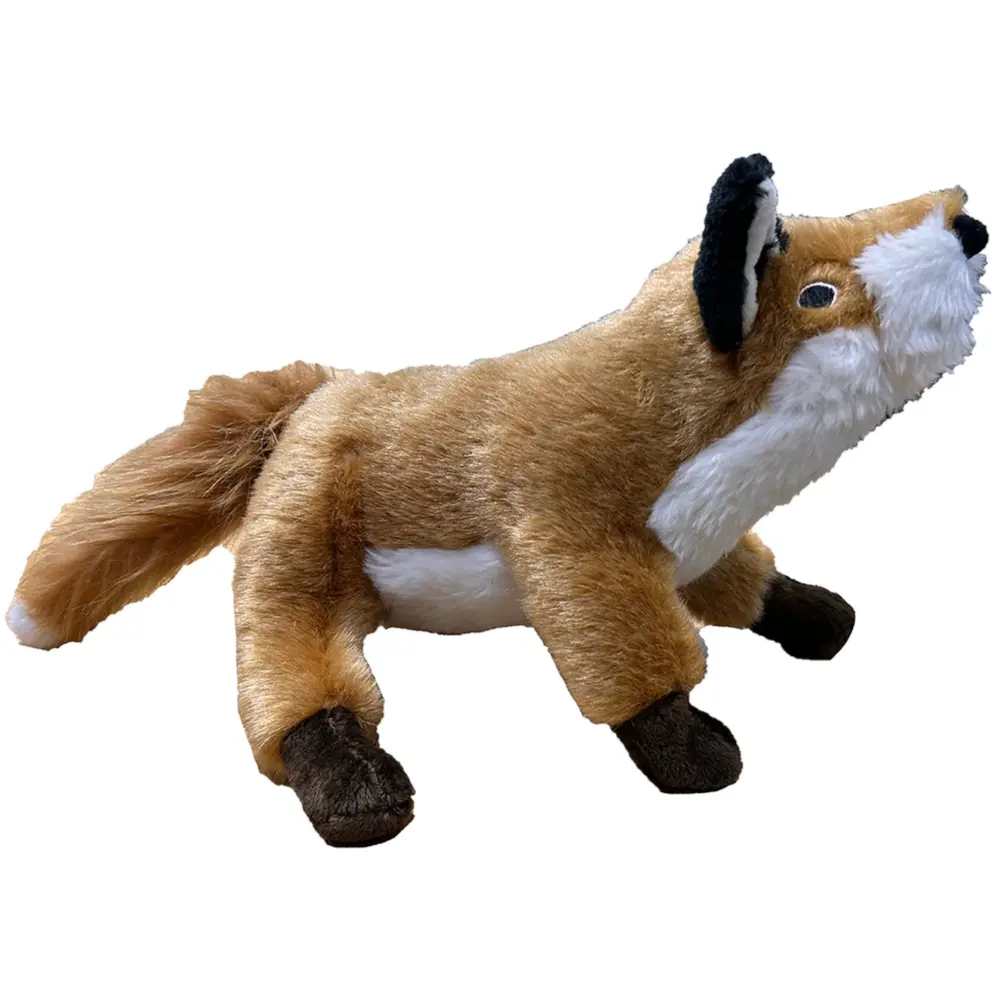
Realistic Plush Fox Dog Toy with Squeaker, View product
$30.95
Why it fits: A soft carry toy with a 6 in tail made for tug, so a mouthy puppy grabs it instead of your sleeve. Best for gentle to moderate chewers.
-
Fire Hose Crocodile Dog Toy, View product
$30.95
Why it fits: About 26 in of fire hose for tug and fetch, so puppy teeth stay well away from your hand. No stuffing; supervise and retire it when worn.


Both are toys for play with you, not for gnawing alone in a crate, and no toy is indestructible: put them away after the game and retire one that starts to tear. More options are in toys and play gear.
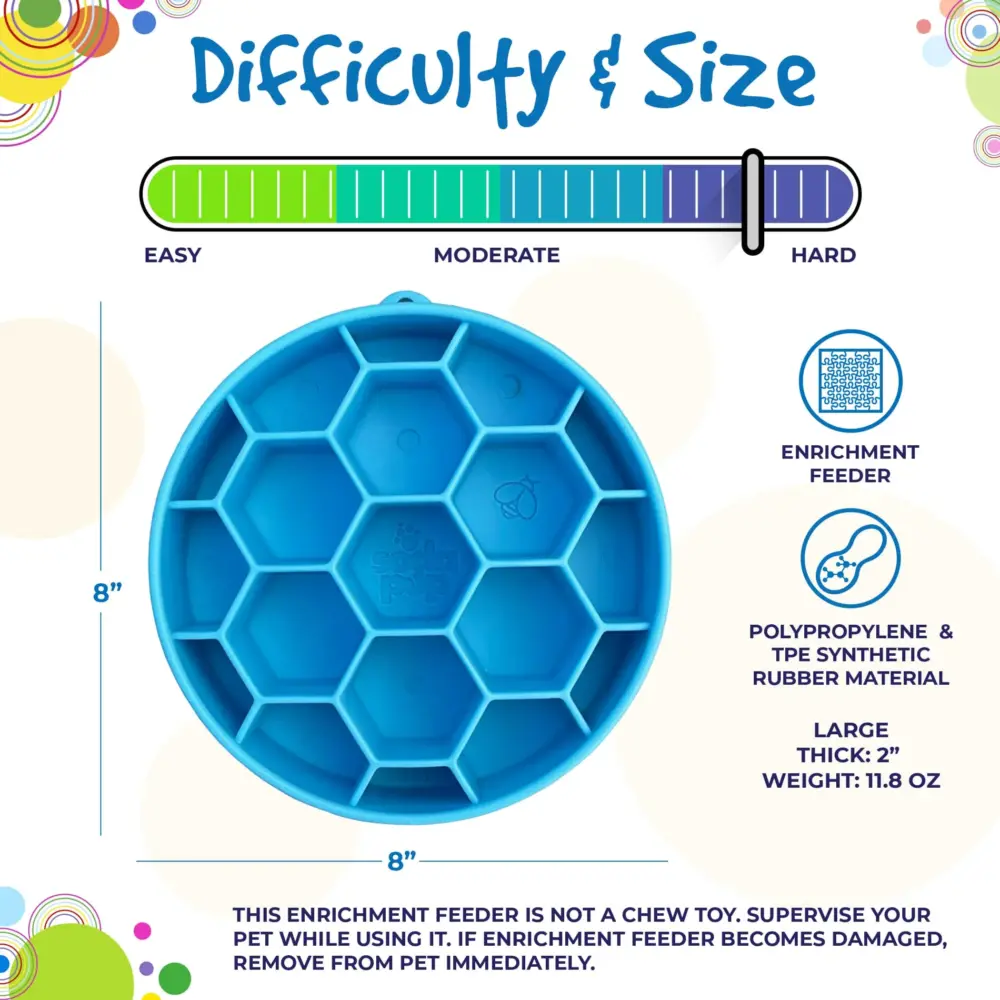
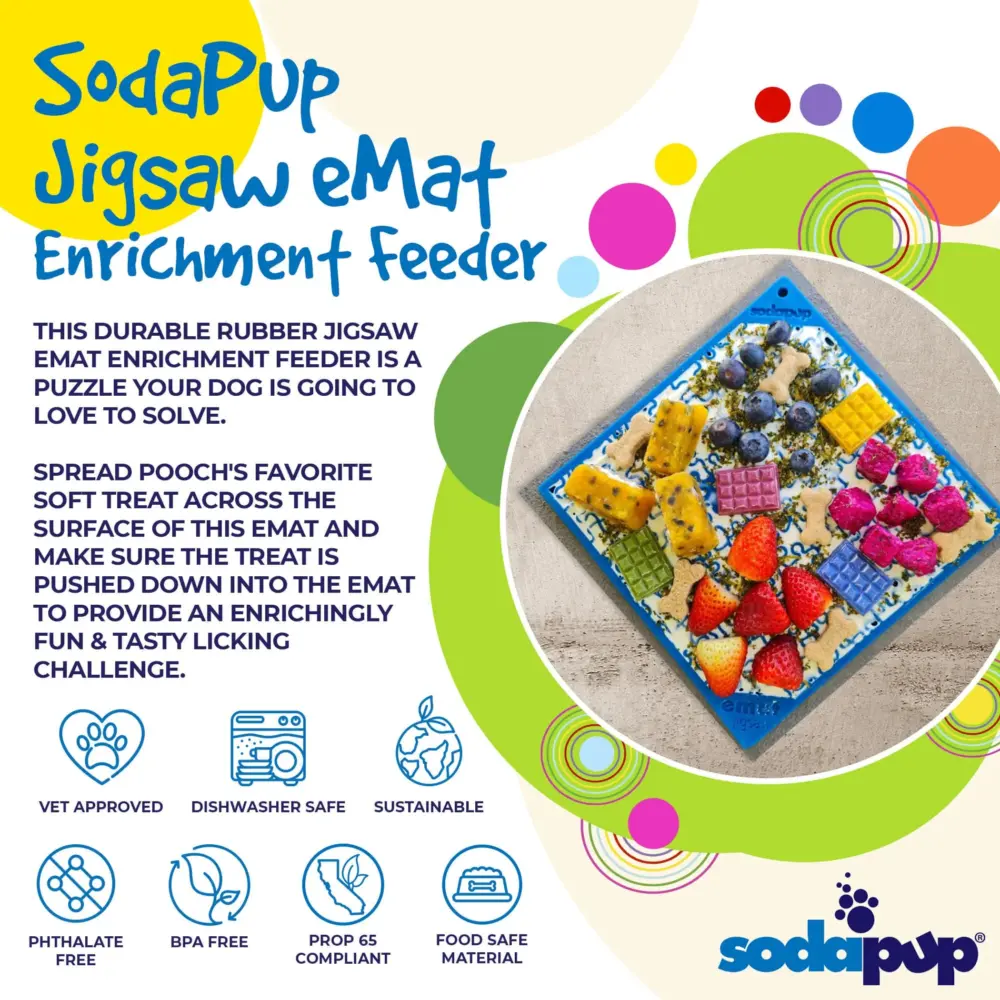
Sometimes an excited puppy needs a calmer job than play, such as while guests arrive. A thin layer of your puppy’s usual wet food, or soaked kibble, pressed into the SodaPup Jigsaw Enrichment Lick Mat gives a slow, absorbing job that keeps the mouth busy without winding your puppy up. It isn’t a chew toy, so stay nearby and pick it up when the licking is done.
Hands, ankles, clothes and the leash
Hands
Hands do most of the touching, so they get bitten first. The ASPCA warns that waving fingers or toes in a dog’s face, or slapping the sides of the face to start play, encourages biting. Stroke slowly, keep a toy in your other hand, and save long cuddles for sleepy moments.
Ankles and feet
Feet that walk away are the best game in the house. The ASPCA’s fix for ankle ambushes is to carry a tug toy in your pocket: when your puppy pounces, stop moving your feet, bring out the toy and make it move. Walk on once the toy is in their mouth. No toy handy? Stand still until your puppy lets go, then praise and walk on slowly.
Clothes, sleeves and shoelaces
Loose fabric flaps like a tug toy, and a sleeve in a tug-of-war is a sleeve your puppy wins. Don’t pull back: go still, hold the fabric against your body and trade it for a toy or a treat. During the busiest weeks, tuck in laces and keep socks and shoes behind a closed door.
The leash
To a puppy, a swinging leash is just another rope toy. Keep it short and still, don’t pull back, and reward the moment it drops; how to leash train a puppy walks through the indoor stages. If leash grabbing hangs on as your puppy grows, how to stop a dog biting the leash has a full plan for older puppies and adult dogs.
Children and visitors: house rules for a mouthy puppy
Children are easy targets because they move fast, squeal and wave their hands, which looks like an invitation to play. The CDC advises against letting young children play with dogs without supervision, and that includes the family dog. A few rules keep everyone safe while your puppy learns:
- An adult is in the room whenever your puppy and young children are together. Otherwise, the puppy rests behind a gate or in a pen.
- No chase games and no wrestling. Children play by rolling a ball or holding the far end of a long tug toy, with an adult nearby.
- Freeze when nipped. Teach children to stand still, fold their arms and look away, then call an adult. Running and screaming turns a nip into a chase.
- Toys, not hands. Keep a basket of toys where the children play, so offering one is easy.
- Let a sleeping or eating puppy be. Rest is part of the plan, and meals need no audience.
- Training is for adults. Older children can practice the toy swap with an adult coaching. Young children leave time-outs to grown-ups.
With visitors, keep your puppy behind a gate for the first excited minutes, with a carry toy or a lick mat, and let them say hello once things calm down. Brief guests on the rules: toys only, no hand games, and turn away if teeth land. Visiting toddlers get the same close supervision as your own children.
What not to do, and why it backfires
- Don’t hit, tap the nose, shake by the scruff or push fingers down the throat. The ASPCA warns that slapping or hitting a dog for playful mouthing can make them bite harder, and physical punishment can make them afraid of you.
- Don’t yell or scold. The AKC notes that yelling can work as a reward, since it is still attention.
- Don’t roughhouse, even with gloves or socks on your hands. The AKC warns against rough play that encourages a young puppy to lose control and bite, and the ASPCA recommends noncontact games such as fetch and tug instead.
- Don’t make the time-out spot scary. Place your puppy there gently and quietly; a crate your puppy dreads is no help at nap time.
- Don’t rely on a spray. The ASPCA suggests a bitter taste deterrent on skin and clothes as one option, but a spray alone doesn’t teach your puppy what to bite instead.
Troubleshooting: when the biting won’t let up
- It’s worst in the evening. That pattern often points to tiredness. Plan a nap before the usual hour, and swap late-day tug for sniffing and licking.
- Your puppy ignores the toy. Make it flee across the floor, try a different texture, and keep one toy just for these moments.
- The time-out makes it worse. A puppy who comes back wilder usually needs something else: a potty break, a chance to burn off energy or a nap, all of which the AKC mentions.
- Only one person gets bitten. That person probably plays with their hands, moves the most or reacts the loudest. Agree on one set of rules.
- Your puppy bites when picked up or brushed. Keep handling short and pair it with treats. If one spot always gets a nip, ask your veterinarian whether something hurts.
- Furniture and cords are getting chewed too. That is chewing rather than play biting: puppy-proof the room, supervise and offer chew toys in place of the chair leg.
When to call a trainer or your veterinarian
When do puppies stop biting? For many, mouthing eases once the adult teeth are in, at around six months, but a habit that still earns attention can carry on into adulthood, with bigger teeth.
Play biting comes with a relaxed body and face. The ASPCA contrasts that with a dog whose body looks stiff and who pulls back the lips to show the teeth, which can signal aggression rather than play. Get help if:
- biting hasn’t eased by about six months of age, when the AKC suggests consulting an experienced dog trainer or animal behavior specialist;
- bites are getting harder or regularly break the skin;
- your puppy freezes, stares hard, growls with a stiff body, or bites over food, toys or a resting spot;
- the biting starts suddenly, happens when one part of the body is touched, or comes with limping, hiding or eating less, which calls for your veterinarian first, since pain can play a part;
- children in the house are getting hurt or are frightened of the puppy.
Look for a certified trainer who uses reward-based methods. For signs of aggression, the ASPCA recommends a certified applied animal behaviorist, a board-certified veterinary behaviorist or a certified trainer with aggression experience.
Safety note
Puppy teeth are sharp enough to break skin. Wash any bite thoroughly with soap and water. The CDC advises seeing a healthcare provider if a wound is deep or becomes infected, if you don’t know whether the dog is vaccinated against rabies, or if your last tetanus shot was more than five years ago. Young puppies may not have had their rabies shot yet.
Tip
Raising a kitten as well? Kitten biting is mostly hunting practice, so the plan leans on wand toys and well-timed play rather than tug; see how to stop a kitten from biting and scratching.
Related guides
-
How-to
Back-to-School Routine for Dogs: Helping Your Dog Adjust
A two-week plan for families whose dog got used to company all summer: move wake-up, walks and meals early, give a real morning walk and a breakfast that takes time, cover the empty midday, keep departures calm, and know the signs that call for a veterinarian or trainer.
-
Buying guide
What to Get Your Dog for Christmas: Gifts for Tuggers to Nappers
Choose your dog's Christmas gift by what they already do: a stuffing-free fire hose toy for tuggers and shredders, a plush fox for gentle carriers, a lick mat or slow feeder for lickers and fast eaters, and a cuddler bed or coat for small dogs, plus safety checks, unwrapping and gifts to skip.
-
Guide
Why Do Dogs Like Squeaky Toys? And How to Keep Squeaker Play Safe
A squeak sounds like small prey and goes off the instant your dog bites, so every chomp pays off. Why some dogs squeak for hours or whine with a toy, what to do about a dog who digs out the squeaker, how to choose a squeaky toy and how to live with the noise.