Puppies & Kittens Guide
Puppy Teething Timeline: Ages, Signs and Safe Things to Chew
Short answer
Puppies grow 28 baby teeth between about 2 and 6 weeks, start losing them at around 12 to 16 weeks, and usually have all 42 adult teeth by six months, when the most intense chewing tends to ease. Until then, offer bendable toys too big to swallow, supervise chewing and ask your veterinarian about any baby tooth that stays put.
The puppy teething timeline, week by week
The ages below come from the AKC’s timeline of puppy teething and VCA’s guide to puppy teeth and chewing, which differ only slightly. Puppies vary by a week or two either way, so treat each row as a range rather than a deadline.
| Age | What’s happening | What you may notice |
|---|---|---|
| 2–4 weeks | Baby teeth start to come in | Still with the mother and litter |
| 5–6 weeks | All 28 baby teeth are in | Sharp little teeth in litter play |
| 8–12 weeks | A full set of baby teeth | Mouthing hands, sleeves and shoes |
| 12–16 weeks | Baby teeth loosen and fall out | More chewing; faint red spots on toys |
| 4–6 months | Adult teeth keep coming in | Tiny teeth on the floor, or none |
| About 6 months | Adult set in place, about 42 | The chewing urge starts to ease |
| 6–8 months | Weekly mouth checks continue | A baby tooth beside an adult one |
By the time most puppies settle into a new home, the first stage is over: the baby teeth are in, and they are needle-sharp. The stage most owners notice is the swap, from about three or four months to six months, when baby teeth loosen and fall out as the adult teeth come through.
In the baby set, the front teeth and the fangs arrive first, followed by the premolars. Dogs have no baby molars, VCA notes, so the big chewing teeth at the back come in only with the adult set.
Most puppies also shed their puppy coat at around 4 to 6 months, so a puppy who is chewing everything may look a little scruffy too; when puppies lose their puppy coat covers that side of growing up.
What teething looks like at home
Many puppies show only a few of these signs, and some barely seem to notice their teeth changing:
- More chewing. Chair legs, shoes, cords and fingers all get tested. The ASPCA’s advice on destructive chewing puts it down to curiosity plus teething discomfort, and says this intense phase usually ends by six months.
- Drooling, and faint red spots on toys. A little bleeding as teeth come out is not unusual; VCA describes the amount as tiny, usually noticed only as a light stain on a chew toy.
- Tiny teeth around the house. Baby teeth are small and easy to miss, and because puppies swallow most of them, finding none at all is common.
- A mouthier puppy. Sore gums and sharp teeth make hands, ankles and sleeves tempting. The nipping section below covers what helps.
- Less patience with mouth handling. The gums are sore, so keep lip lifts and tooth checks brief and rewarding.
Safety note
Don’t put vomiting, diarrhea, refusing food, low energy or more than a few spots of blood down to teething. The AKC’s teething guide advises talking to your veterinarian about anything unusual, because drooling and blood can also have more serious causes.
Safe things to chew, and what to keep away
Chewing is how a puppy gets through these months, so the aim is to steer it rather than stop it. This quick sort covers the usual candidates:
| Item | Verdict | Why |
|---|---|---|
| Rubber toy | Offer, sized up as they grow | Bends; pick one too big to swallow |
| Freezer toy | Offer | The AKC suggests freezable rubber toys |
| Wet washcloth | Frozen, with you watching | Fabric can be torn off and swallowed |
| Soft plush | Play with you only | Seams and stuffing can come out |
| Bones, antlers | Skip | They don’t bend and can break teeth |
| Hard nylon | Skip | Same problem: too hard to bend |
| Edible chews | Ask your vet first | Some cause choking or blockages |
| Sticks | Skip | The AKC calls them hazardous |
| Shoes, cords | Out of reach | Puppy-proof before they’re found |
The bend rule comes from veterinary dentists: VCA explains that anything a dog chews should bend, and that bones, antlers and hard nylon can fracture teeth. Cornell’s Riney Canine Health Center adds a quick check: you should be able to dent a chew with your fingernail. VCA also names rawhide, pig ears, bully sticks and even tennis balls among objects that have blocked a dog’s throat or intestines, which is why edible chews are a question for your veterinarian rather than a guess.
Size matters as much as material. The AKC advises choosing toys your puppy can’t chew chunks off or pull stuffing out of; choose ones too big to swallow whole, size up as the jaw grows, and keep only two or three out at a time so each one gets checked after use.
Cold comes up in both the AKC’s and the ASPCA’s advice. The AKC suggests rubber teething toys that go in the freezer, and the ASPCA notes that some recommend frozen dog toys or frozen wet washcloths, which might help numb teething pain. Stay with a puppy who has a washcloth, and take it away before it frays. Ice cubes are a different matter, covered in the questions below.
We don’t stock teething toys or edible chews, so ask your veterinarian which kinds and sizes suit your puppy. Before the chewing peaks, go back over the puppy-proofing in our new puppy checklist: cords, shoes, socks and anything at puppy height. Once the adult teeth are in and you know how your dog plays, toys for dogs who destroy toys matches toys to chewing styles.
Safety note
If you think your puppy has swallowed part of a toy, a chew or a sock, call your veterinarian straight away rather than waiting to see what happens.
A licking job for mouthy moments
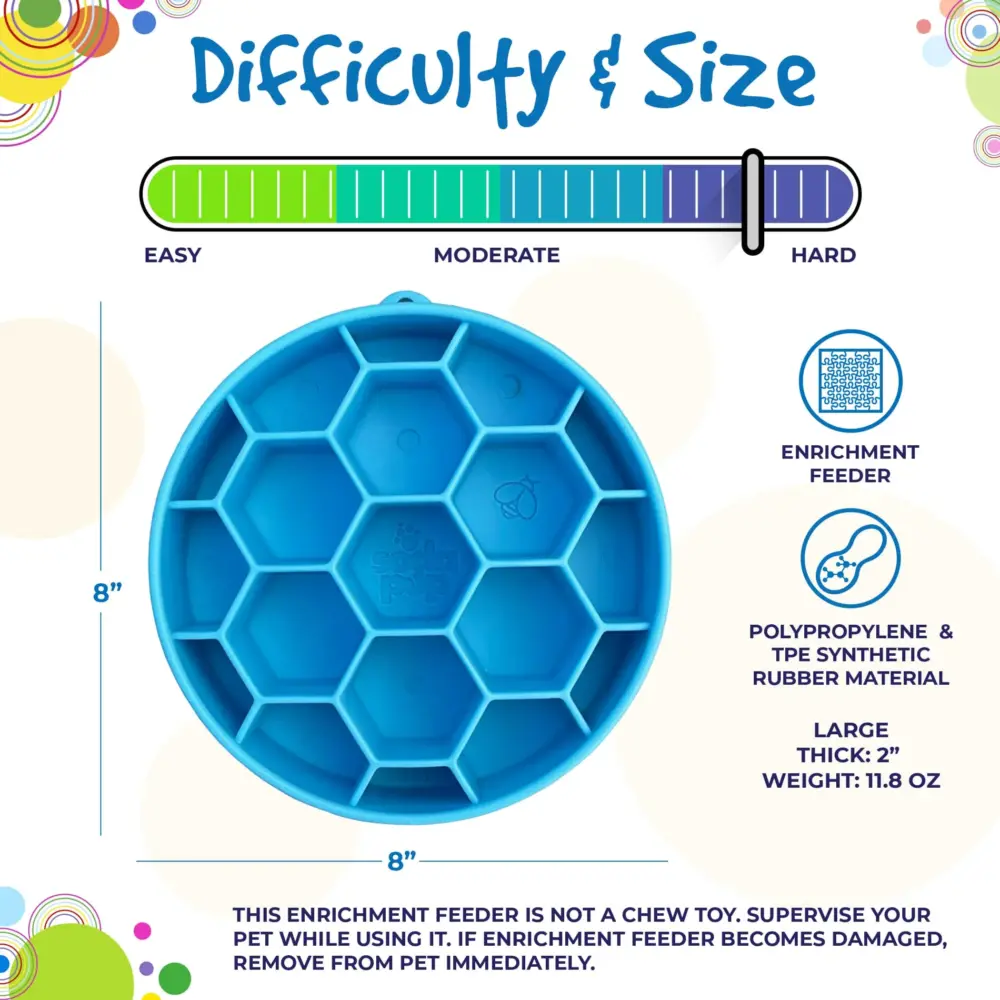
Not every mouthy moment needs a chew. When your puppy is wound up and you need ten quiet minutes, a lick mat gives the mouth a slower job: licking soft food out of grooves instead of gnawing. It isn’t a teething remedy or a chew toy, but it fills the gaps between play, walks and naps.
Use part of today’s food, such as your puppy’s usual wet food or soaked kibble, and serve it unfrozen at first; freezing it later makes a session last longer. Ask your veterinarian before adding spreads, never use peanut butter with xylitol, which is toxic to dogs, and stay in the room, lifting the mat once it’s clean or as soon as the edges get chewed. Spreads, freezing times and cleaning are in what to put on a lick mat, and puppy enrichment ideas has more short jobs for the same months.
Our picks come only from Nilosi’s own catalog, and neither is a teething toy. One gives the mouth a licking job; the other is a soft toy for gentle games with you.
-
SodaPup
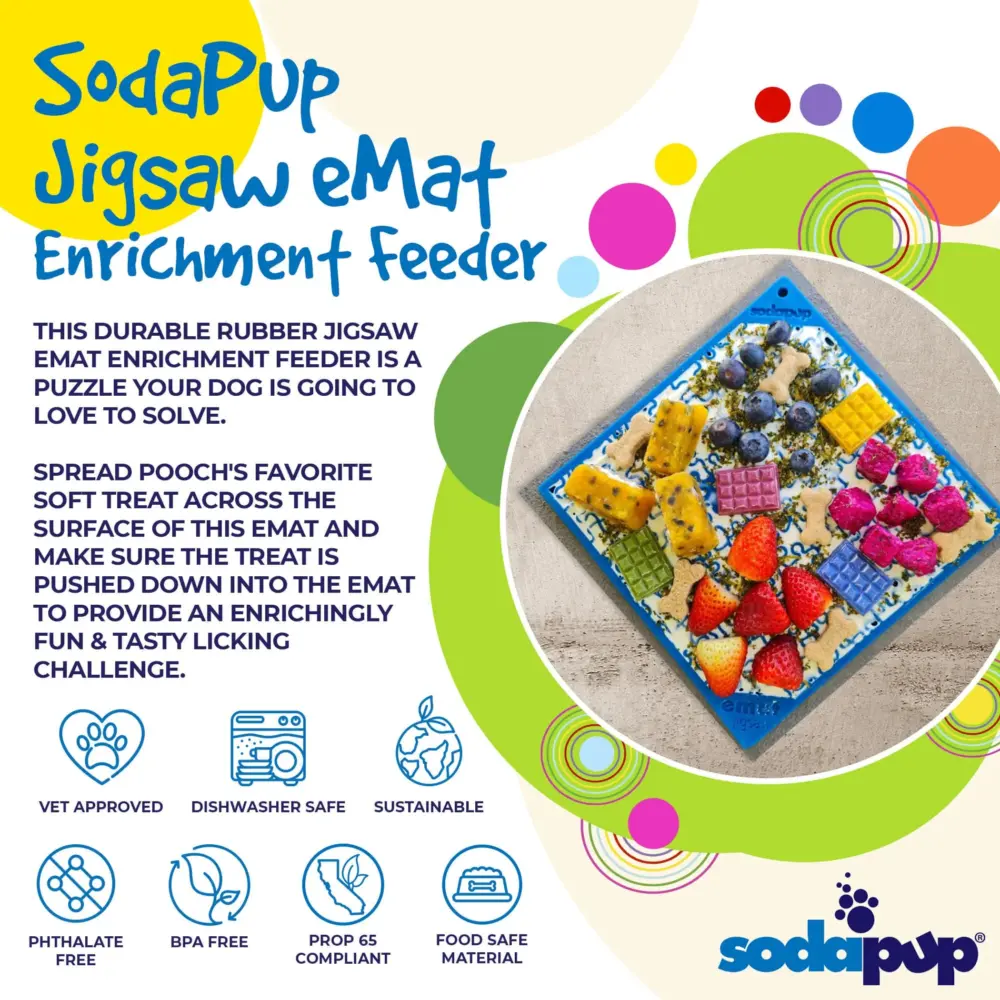
Jigsaw Enrichment Lick Mat for Dogs & Cats, Choose color
$25.95
Why it fits: A calm licking job for the mouthy teething months: press soaked kibble into the jigsaw grooves, freeze it later and lift it once clean.
-
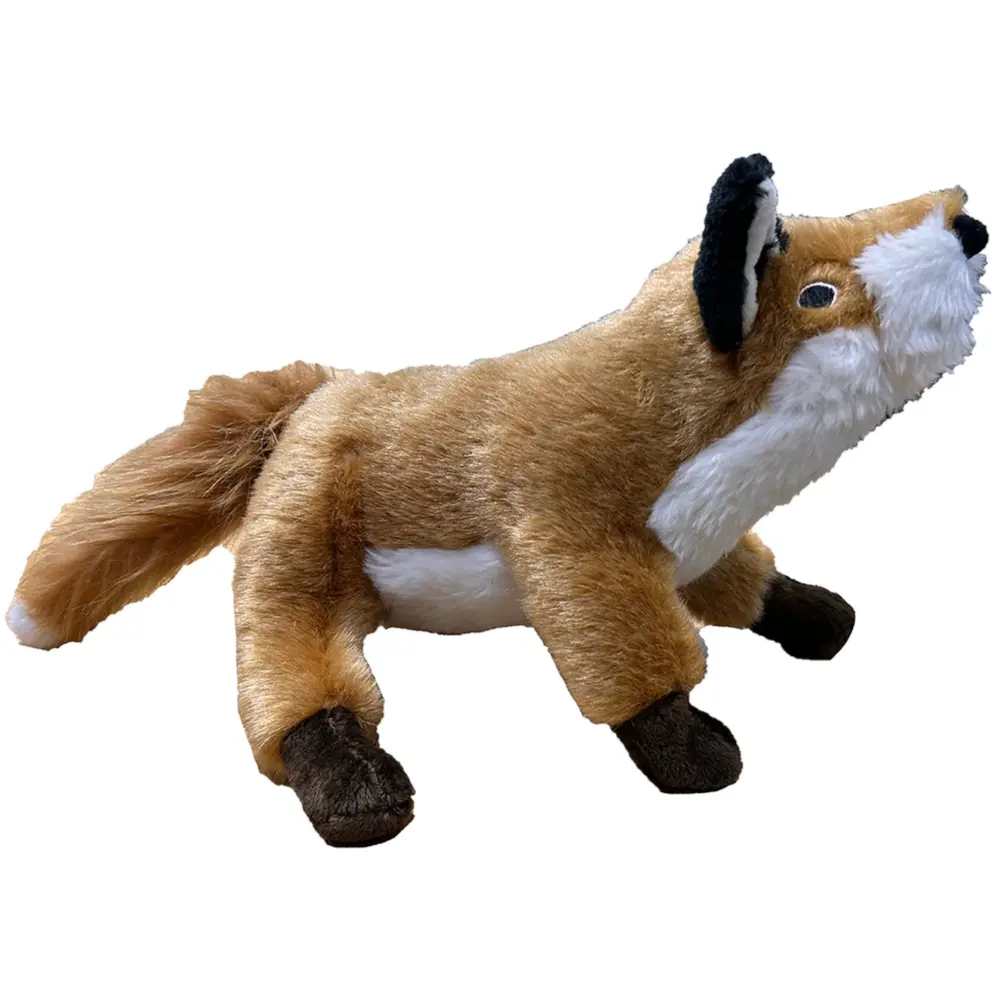
Realistic Plush Fox Dog Toy with Squeaker, View product
$30.95
Why it fits: A soft carry toy for gentle games with you during teething; best for gentle to moderate chewers, so supervise and remove it if damaged.


The lick mat is made in the USA by SodaPup, suits dogs of all sizes and cats, and goes in the dishwasher. The fox measures about 10 inches plus a 6-inch tail and has a squeaker inside its body, so keep it for play with you rather than solo gnawing, and check the seams after each game. More options are in our toys and play range.
When teething turns into nipping
Sore gums add to the urge to mouth, and baby teeth are sharp, so teething can make nipping worse for a while. A few adjustments are specific to this stage:
- Keep a toy in your hand at the times nipping usually starts, such as greetings, evenings and getting dressed, so the swap is instant.
- Keep tug low, slow and gentle while teeth are loose. Let your puppy hold on, and don’t lift, shake or yank the toy.
- Follow play with a quiet job, such as the lick mat, rather than another round of a game that winds your puppy up.
For the full plan, including calm time-outs, house rules for children and what not to do, see how to stop a puppy biting. If the mouthing hasn’t eased once the adult teeth are in, that guide also covers when to bring in a trainer.
The vet check: retained baby teeth and the bite
The check that matters most comes as the adult teeth arrive. The AKC suggests asking your veterinarian to look in your puppy’s mouth during the 12- to 16-week stage, and VCA advises checking it yourself every week until about seven or eight months.
You are looking for a retained, or persistent, baby tooth: one that stays put after the adult tooth has come in beside it. VCA’s guide to retained baby teeth lists the upper canines as the most common, followed by the lower canines and then the incisors. Small breeds and short-nosed breeds such as Pugs, Bulldogs, Boston Terriers and Boxers are affected more often.
- Pick a calm moment, such as after a walk, with a few pieces of kibble ready.
- Lift the upper lip on one side and look at the fang and the small front teeth. Reward, then do the other side.
- Gently draw down the lower lip and check the lower fangs and front teeth the same way.
- Look for two teeth in one spot: a slimmer baby tooth crowded beside a larger adult one.
- If you spot one, take a quick photo and book a vet visit rather than waiting for the next routine checkup.
A retained tooth crowds the space, traps food and can push the adult tooth out of position. VCA links that crowding to tartar, inflamed gums and, later, gum disease, and notes that a retained lower canine can force the adult tooth toward the roof of the mouth. Your veterinarian will look at how the upper and lower teeth meet, too.
Removing a retained baby tooth is a job for your veterinarian, done under general anesthesia and with care to protect the adult tooth’s root. VCA advises extracting it promptly rather than, in most cases, waiting for a spay or neuter appointment, because early extraction usually lets the adult teeth move into place.
Safety note
Don’t try to wiggle or pull out a baby tooth yourself. Call your veterinarian sooner than planned for a broken or discolored tooth, a swollen face or jaw, bleeding that doesn’t stop, or a puppy who stops eating.
Starting a tooth-care habit
The teething months are a good time to make mouth handling ordinary, even before brushing starts. The AKC suggests gently touching the inside and outside of your puppy’s mouth early on, so that tooth brushing later feels familiar. While the gums are sore, keep each touch to a second or two and pair it with a piece of kibble.
- First: touch the muzzle and lift a lip for a moment, then reward.
- Next: run a fingertip along the outside of the teeth and gums.
- Then: a silicone finger brush or soft pad, as the AKC suggests, with a dab of dog toothpaste.
- Once the adult teeth are in: a few teeth at a time with a soft dog toothbrush, building toward the routine your veterinarian recommends.
Use toothpaste made for dogs only; VCA warns that human toothpaste can make dogs sick. We don’t sell dental supplies, so ask your veterinarian which brushes, pastes and dental products suit your puppy. If you look at dental products later, the AKC explains that the Veterinary Oral Health Council seal marks products that have met its standards for plaque or tartar control.
Puppy teething questions
How long does puppy teething last?
The teeth change from about 2 weeks to about six months, and the ASPCA says the intense teething phase of chewing usually ends by six months. VCA notes that heavy chewing often carries on until about 18 months, though, so keep suitable toys out and the house puppy-proofed for a while longer.
Do puppies swallow their baby teeth?
Usually, yes. The AKC notes that puppies swallow most of their baby teeth, which is why many owners never find one. The weekly lip-lift check tells you more about progress than the floor does.
Can a teething puppy have ice cubes?
Not for crunching. The ASPCA mentions ice cubes among the frozen options some recommend, but Cornell’s advice on broken teeth says not to let your dog chomp on ice cubes, and ice fails the bend rule too. A rubber toy made to go in the freezer is the gentler way to offer cold; ask your veterinarian if you’re unsure.
Related guides
-
Guide
Puppy Enrichment Ideas: Sniffing, Licking, Chewing and Brain Games
Short, puppy-sized jobs for the nose, mouth and brain: which food puzzles suit a young puppy, sniffing games for small spaces, chewing and carrying, new surfaces to explore, a setup for work hours and a sample day built around naps.
-
How-to
How to Stop a Puppy Biting: Toys, Calm Time-Outs and House Rules
Puppy biting is normal, but it shouldn’t be aimed at you. Here’s how to redirect teeth to tug and carry toys, end the game calmly when they land on skin, handle ankle and sleeve grabbing, set rules for kids and visitors, and tell when biting needs a trainer or veterinarian.
-
How-to
How to Introduce a Puppy to an Older Dog: First Meeting to First Month
A leashed first meeting on neutral ground, then gates, pens and short visits at home. How to keep meals, toys and rest separate, what normal growling from an older dog looks like, and when to separate the dogs and call for help.