Toys & Play
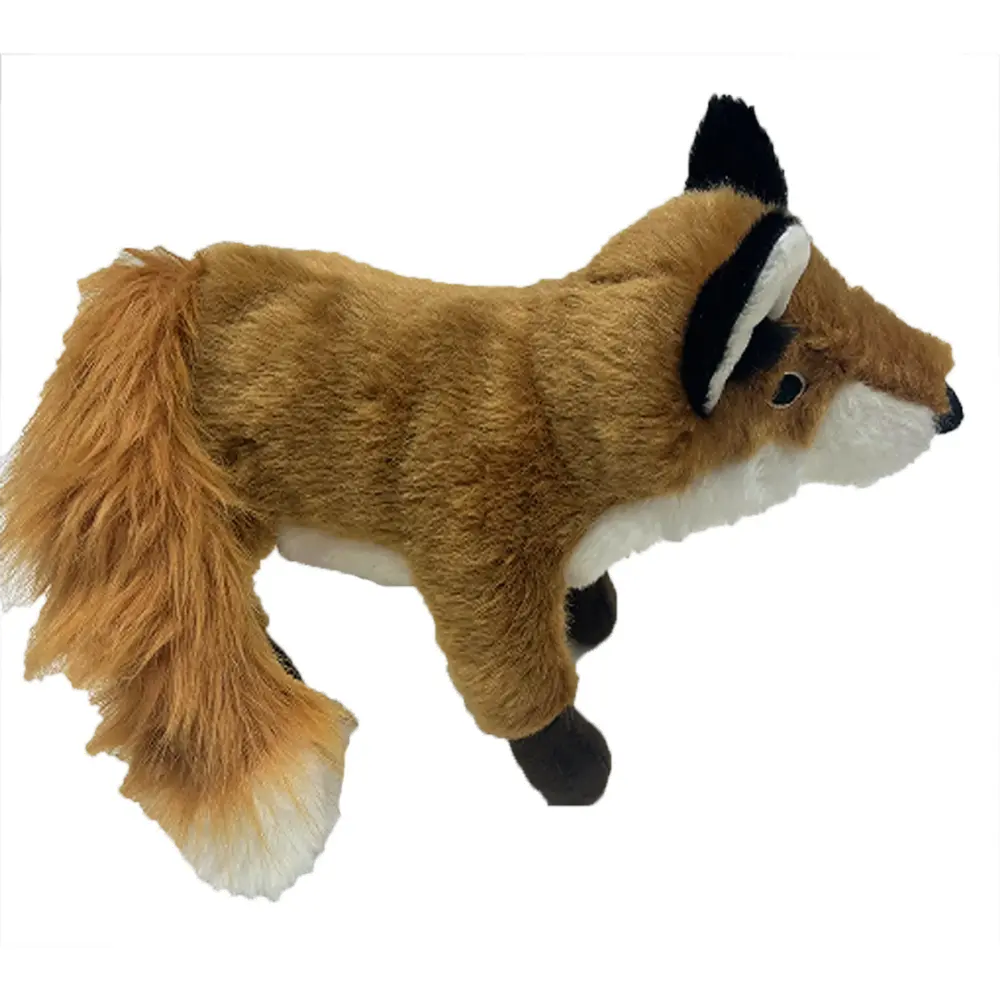
A good play session has some effort in the middle and a calm finish. For dogs, start with indoor games for dogs for cold, dark or rainy days, and toys for dogs who destroy toys to match toys to how your dog chews.
For cats, how long to play with a cat sets out short daily sessions that end with a catch and a snack. No toy is indestructible, so supervise play and retire a toy once it splits or loses pieces. The toys mentioned are in dog and cat toys.
-
Checklist
How to Set Up a Dog Playdate: Matching, Meeting and Reading Play
Plan a one-on-one dog playdate that goes well: choose a playmate who matches your dog's size, energy and play style, meet on fenced neutral ground after a side-by-side walk, put toys and food away, tell healthy play from trouble, and end before anyone is overtired.
-
Guide
How Much Playtime Does a Dog Need? By Age, Energy and Health
There's no fixed number of minutes. See how play needs change from puppy to senior and with energy and health, the signs of too little or too much play, and how to fit short games into a busy day.
-
Guide
Enrichment for Dogs on Crate Rest: Quiet Jobs Within the Vet’s Rules
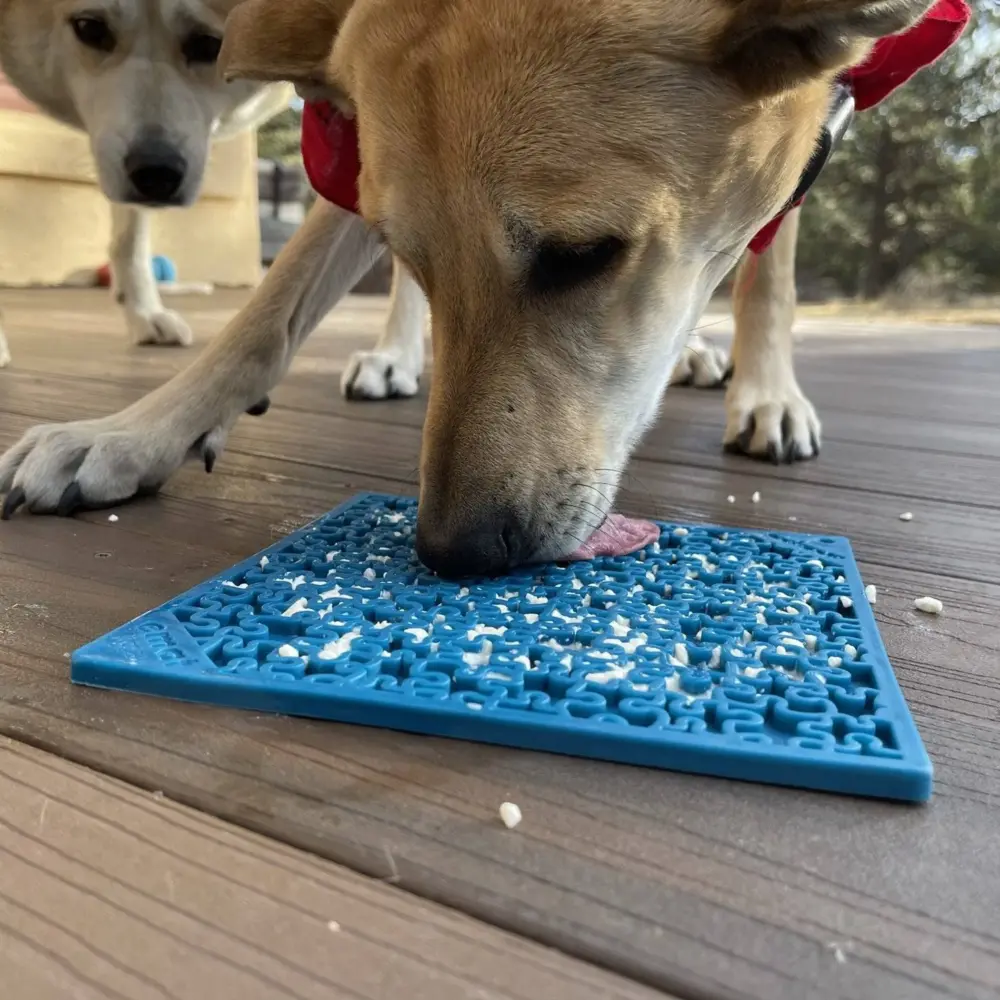
Strict rest after surgery or an injury is hard on an active dog. Here are quiet jobs that fit the usual vet rules, from lick mats and slow meals to scent games within reach of the bed, lying-down tricks and gentle toy time if allowed, plus the signs that mean it's time to call the vet.
-
Guide
Can Big and Small Dogs Live Together? Play Rules and Separate Spaces
Big and small dogs can share a home if you plan for the size gap. How to judge the match, set play rules and time-outs, give the small dog a place to escape, keep toys, meals and beds apart, walk both dogs and know when to call a trainer.
-
Guide
Backyard Games for Dogs: Nose Games, Fetch, Tug and Obstacle Courses
Letting your dog out isn’t the same as playing together. Start with a quick yard safety check, then rotate nose games, fetch variations, tug on dry ground, a low homemade obstacle course and summer water play that stays safe, matched to your dog’s age.
-
Guide
How Long Should You Play With Your Cat? Daily Sessions and a Hunt-Catch-Eat Routine
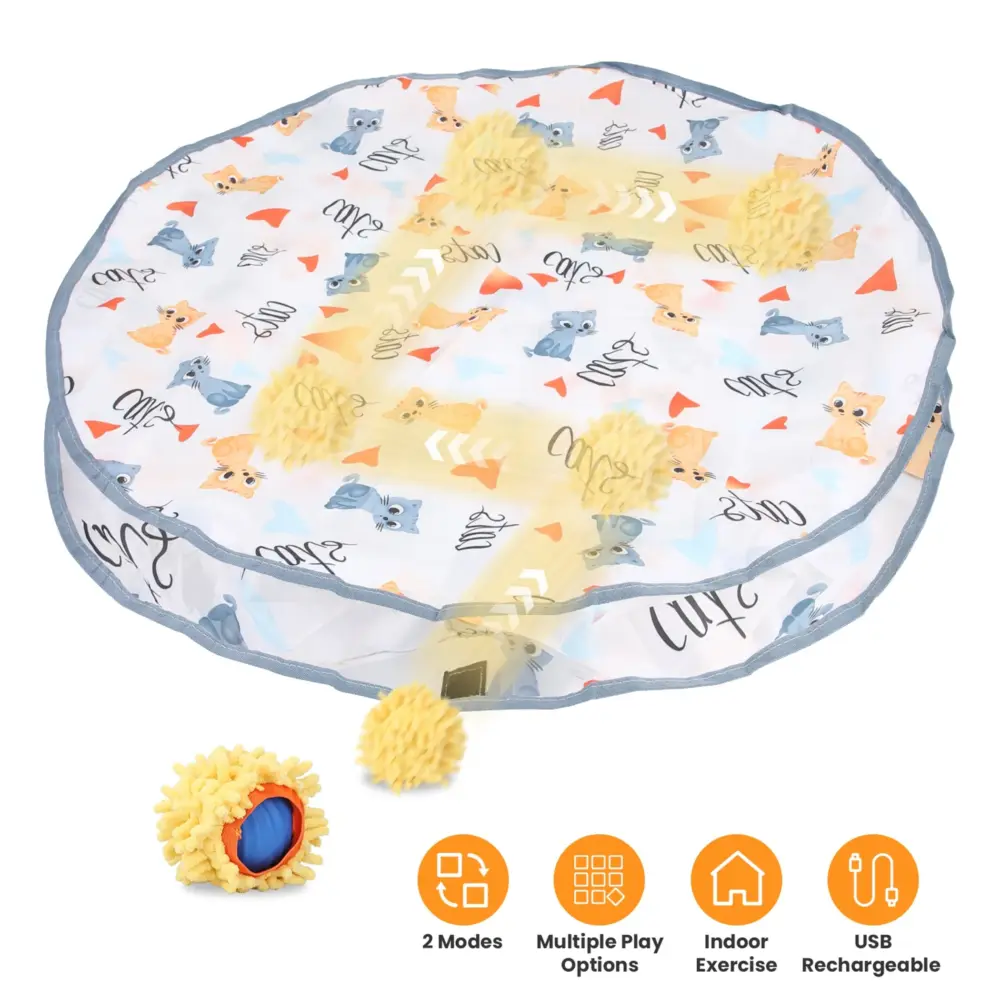
Most cats do best with two or three short play sessions a day, ideally before meals. Learn how long to play by age, how to move a toy like prey, how to end with a catch and a snack, what to try if your cat won’t play, and where automatic toys fit.
-
Guide
My Dog Doesn’t Play With Toys: How to Spark Interest, Step by Step
Does your dog ignore every toy you bring home? Learn the common reasons, a few-minutes-a-day plan built on movement, treats and shared play, how to go slower with a rescue or older dog, which toys suit a beginner and when to call your veterinarian.
-
Guide
How Many Toys Should a Dog Have? A Simple Toy Rotation Plan
Three or four toys out, a few more in the cupboard and a weekly swap. Plan the mix by play style, size every toy for your dog's mouth and adjust the rotation for puppies, senior dogs and multi-dog homes.
-
Guide
Indoor Games for Dogs: Ways to Burn Energy on Cold, Dark or Rainy Days
Stuck inside on a cold, dark or rainy day? Tire out your dog with tug, hallway fetch, hide-and-seek and five-minute tricks on floors with grip, then follow a 30-minute plan that ends calmly.
-
Guide
Toys for Dogs Who Destroy Toys: Choosing by Chewing Style
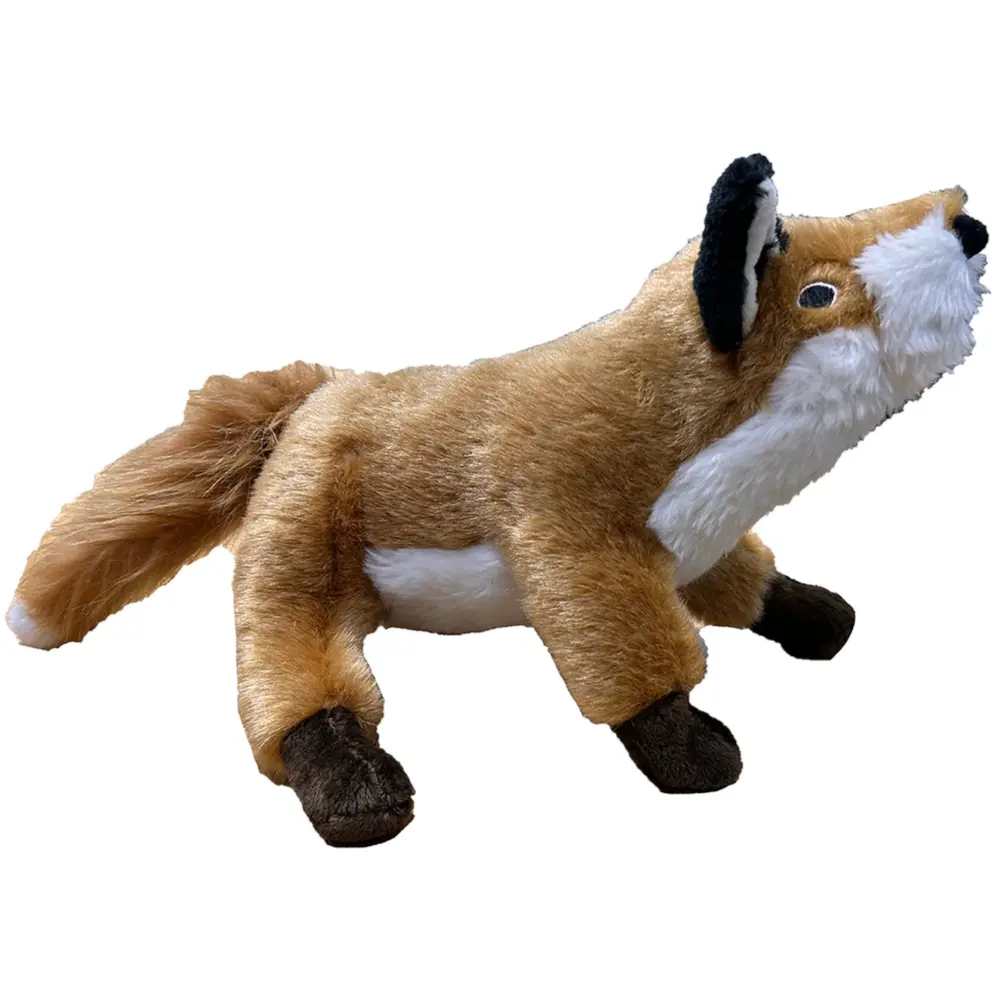
Shredder, tugger, carrier or steady chewer? Match toys to your dog's play style, see where fire hose and plush fit, play tug with rules and know when to retire a worn toy.