Toys & Play How-to
How to Teach Your Dog the Names of Toys, One Toy at a Time
Short answer
Give a favorite toy a short name, ask for it by that name, and reward each time your dog brings it. Then make the choice harder in stages: the toy among household objects, beside a plain toy, and next to a second named toy. Keep sessions short and hopes modest: very few dogs learn toy names easily.
What to expect: a brain game, not a vocabulary contest
Can dogs learn the names of their toys? A few learn a great many, but they are the exception. The AKC’s article on gifted word learner dogs explains that researchers at Eötvös Loránd University in Budapest have searched worldwide since 2017 and found only about 50 dogs who learn toy names quickly, well over half of them Border Collies. When the lead researcher tried to teach object names to typical dogs in an earlier study, most of them Border Collies as well, none of the puppies or adults learned any.
That shouldn’t put you off. The AKC still teaches knowing toys by name as a trick and a fun source of mental exercise, and the game is calm enough for young and older dogs alike. Just keep one thing in mind: a dog who brings the only toy from a row of books may simply be choosing the toy, not the word. The name only matters once there are two toys to choose from, so that is the stage that shows what your dog has really learned.
Before you start: can your dog bring a toy?
This game sits on top of a retrieve, so check that your dog can already:
- Pick up a toy and bring it to you, or at least carry it your way. If not, start with teaching a dog to fetch and bring the toy back.
- Let go of it for a treat or a trade, so every try ends cleanly and you are not wrestling the toy back.
- Enjoy at least one toy. A dog who ignores toys needs some groundwork first; our guide to getting a dog interested in toys covers it.
A dog who won’t retrieve can still play. Ask for a nose touch on the named toy instead of a carry: reward any sniff or bump of the toy until your dog does it on purpose, then use the touch in every step below. It suits older dogs and dogs who would rather not carry things.
What you need: two distinct toys and small treats
- Two toys that are easy to tell apart. Make them differ in size, shape and texture rather than color: dogs see a narrower range of colors than we do, and a red and a green toy of the same shape can look much alike to them.
- One plain toy your dog doesn’t care much about, for the stage where your dog first has to pass over a toy.
- Three or four household objects for the first distractions, such as a paperback, an empty cardboard box and a cushion. Skip socks, shoes, remote controls and anything small enough to swallow.
- Small, soft treats your dog loves, counted as part of the day’s food, or a quick game as the reward for a dog who lives for toys.
- A written list of toy names, on the fridge or in your phone, so everyone at home uses the same word. The AKC suggests keeping one to stay consistent; add each new name as you teach it.
- A quiet room with nothing else lying on the floor.
Choosing the names
Pick short names that sound different from each other and from words your dog already knows. “Croc” and “Foxy” differ in length and in their first sound, so they are easy to say the same way every time and hard to mix up. “Kit” is too close to “sit”, and “Foxy” is a poor choice if your other dog is called Roxy. Once you start, the name never changes, even if someone at home prefers a nickname.
The steps below call the favorite Croc and the second toy Foxy, after the two dog toys we sell, which happen to make a good first pair. These picks are limited to Nilosi’s own range, and any two toys that differ as much will work. More options are in our toys and play range.
-
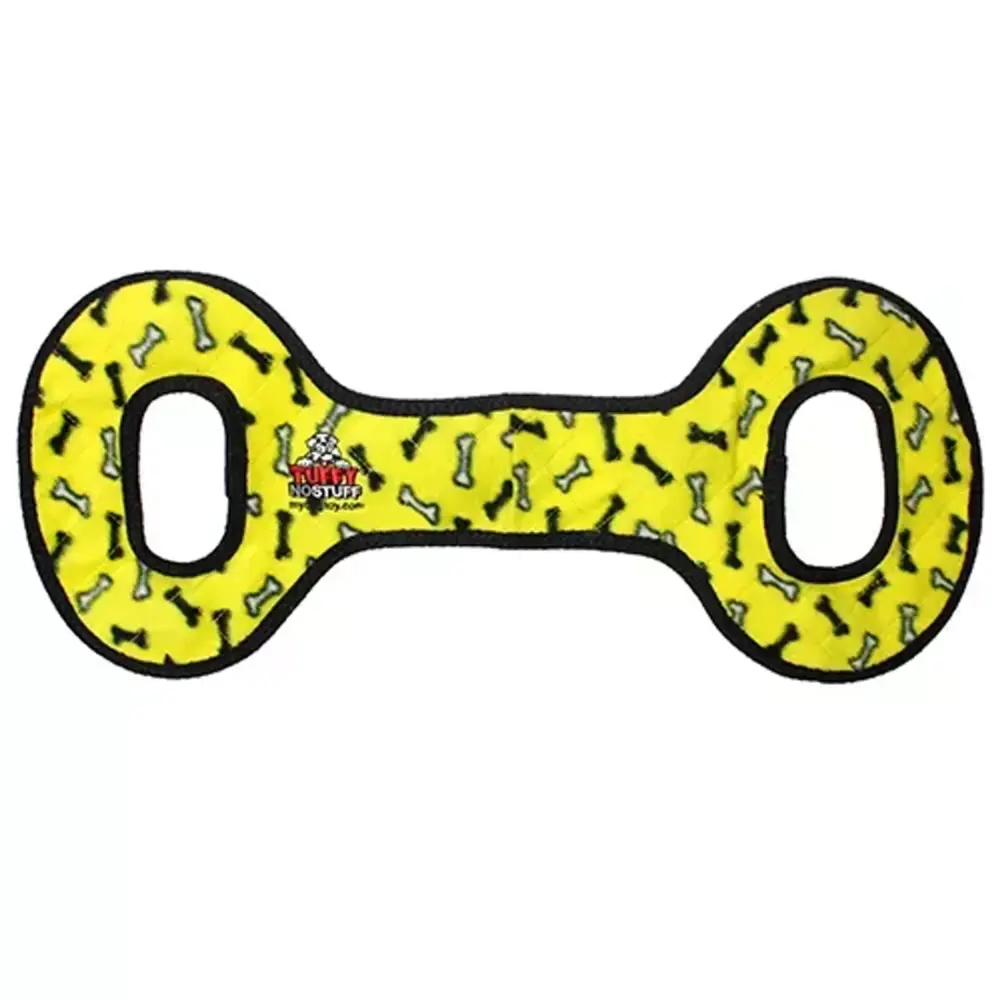
Fire Hose Crocodile Dog Toy, View product
$30.95
Why it fits: About 26 inches long, stuffing-free and made of real fire-hose material, the crocodile looks and feels nothing like a small plush toy, and it doubles as a tug reward for a right answer.
-
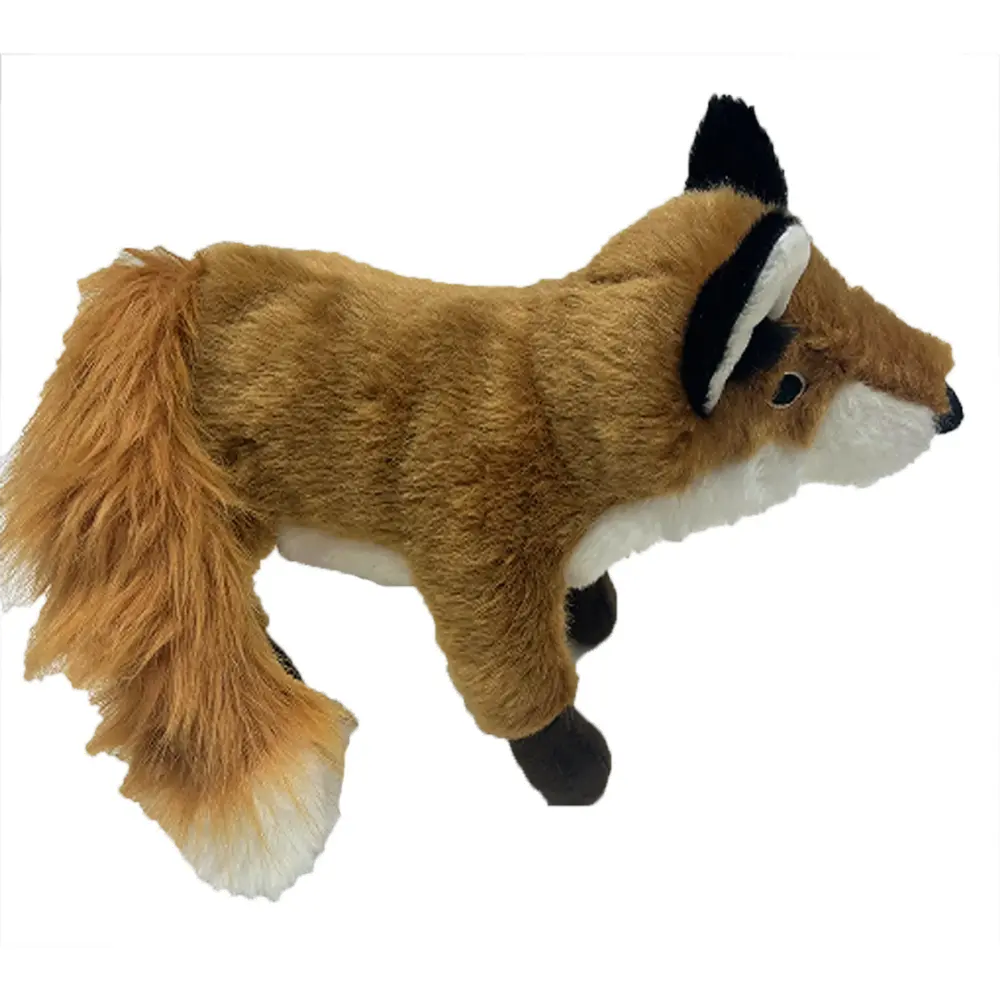
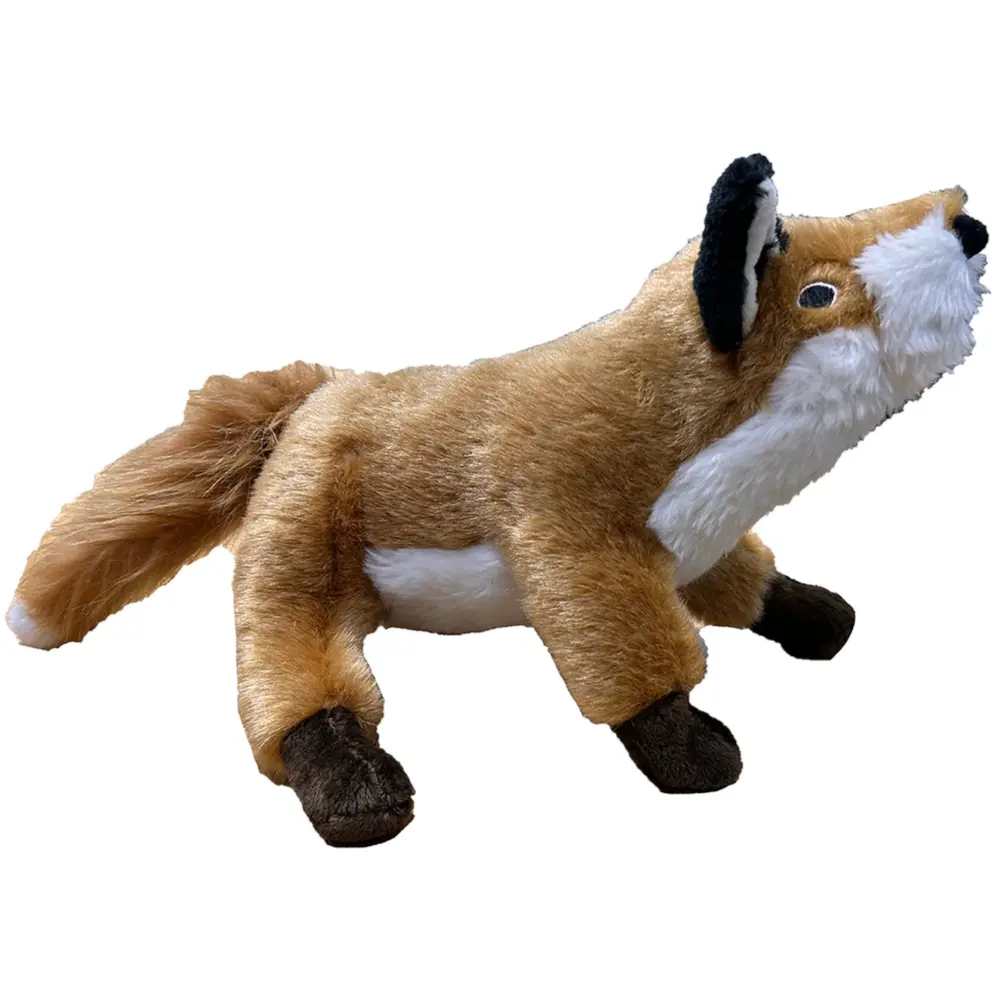
Realistic Plush Fox Dog Toy with Squeaker, View product
$30.95
Why it fits: A soft plush fox, about 10 inches plus a 6-inch tail, looks and feels nothing like the crocodile, and its body is made for carrying, so it suits gentle dogs who bring a toy back.


Step by step: naming the first toy
Use your dog’s favorite toy for the first name. The AKC method starts there too, noting that dogs who are very toy-motivated may pick up the game more quickly. Work in your quiet room, when your dog is alert and a little hungry, such as shortly before a meal.
- For a day or two, say the name during ordinary play: “Croc!” as the toy moves, “Good, Croc” as your dog grabs it.
- Put the toy on the floor a few feet away, in plain view, and stand or sit facing your dog.
- Say “Get Croc” once, in a cheerful, normal voice, then wait. Don’t repeat the cue, point or nudge the toy.
- The moment your dog picks it up, say “Yes”, and reward when it reaches you: a treat in exchange for the toy, or a few seconds of tug.
- Put the toy somewhere new, to the left, to the right or a little farther away, and repeat.
- Stop after a handful of tries, while your dog is still keen. One or two short sessions a day is plenty.
Move on when your dog goes straight to the toy every time you ask, wherever you put it.
Adding distractions that aren’t toys
This stage teaches your dog that “Get Croc” means one particular thing, not “bring me something”.
- Put Croc on the floor with one household object a couple of feet to one side.
- Ask once and wait. Reward a correct pick just as before.
- If your dog brings the object, say nothing, take it calmly and set up again with the two items farther apart or Croc a little nearer to your dog. Skip the “no”: scolding can make a dog stop trying.
- Swap sides between tries, so your dog can’t win by always going left.
- Add a second and third object, then shuffle the lineup every few tries.
Tip
Keep your eyes on your dog’s face and your hands still. Dogs are quick to follow a glance or a twitch of the hand toward the right toy, and it is easy to give the answer away without noticing.
Teaching a second name and asking your dog to choose
Now the name starts to matter. Work through three stages, and stay at each one until your dog gets it right almost every time.
1. The favorite beside a plain toy
Put Croc next to the plain toy your dog doesn’t care about, and ask for Croc. Because Croc is the favorite this is the easy version, but it is the first time your dog has to pass over a toy to get the right one.
2. The second name on its own
Put Croc out of sight and teach Foxy from the beginning: alone, then among household objects, then beside the plain toy. With the favorite away, it can’t pull your dog’s attention while the new word is still unfamiliar.
3. The real test: two named toys
- Put Croc and Foxy on the floor a couple of feet apart, and stand back.
- Ask for one by name, once. Plan the order before you start and mix it up, such as Foxy, Croc, Croc, Foxy, Croc, so your dog can’t win by repeating the last toy or by simply alternating.
- Swap the toys’ places after every try or two.
- Reward the right toy generously. For the wrong one, say nothing, take it back and set up again.
- After two misses in a row, go back a stage for a few easy tries, and end the session on a win.
Is your dog reading the word, or reading you?
Keep a tally over a few sessions. With two toys, a dog who is guessing will be right about half the time, so a score near half means the name hasn’t clicked yet, however good the lucky streaks look. The signs it has: your dog gets it right when you ask for the less-loved toy, when the toys swap places and when you stand still with your eyes on your dog. The cleanest check of all, and the AKC’s advanced version of the game, is to send your dog to fetch a named toy from another room, where your face and hands can’t give anything away.
Growing the vocabulary without confusing your dog
- One new name at a time, and only once your dog chooses reliably between the toys already named.
- Make each new toy different from the rest. A second plush animal the same size as Foxy is about the hardest next step you could choose.
- Keep the old names in play. The AKC advises practicing the names your dog already knows, so mix them in alongside the new one and the earlier words don’t fade.
- Grow the choice slowly: three toys, then four, then a small pile.
- Add searching once a pile is easy. The find-the-toy game in our indoor games for dogs works with names too: hide two named toys in different spots and ask for one.
- Refresh rotated toys. If you swap toys in and out of a cupboard, as in our plan for how many toys a dog should have, give a named toy a quick solo refresher before it goes back into a choice.
If two names never come apart, however carefully you go, you are in good company. Enjoy the one-name game and the household-object stage: your dog still gets a job to think about and a reward for working it out.
Troubleshooting common naming-game problems
Your dog always brings the favorite
When the favorite comes back into the choice, place it farther away than the newer toy at first. Ask for the less-loved toy a little more often, and pay for a right pick with what your dog wants most, which may be a quick game with the favorite itself.
Your dog grabs whatever is closest, or always goes the same way
Sometimes put the target a little farther away than the other item, keep swapping sides and slow the start: ask for a sit or a short wait before the cue, so your dog looks at both toys before diving in.
Your dog brings the wrong toy and looks delighted
It was a good try, so don’t scold. Take the toy calmly, give no reward and set up an easier version. If wrong picks are common, your dog doesn’t know the name yet; go back a stage rather than pushing on.
Your dog picks it up but won’t bring it back
That is a retrieve problem, not a name problem. For now, count picking up the right toy as a correct answer and reward your dog where they stand, or switch to the nose-touch version. Build the return separately with our fetch guide.
Your dog loses interest
Shorten the session, use a better reward and drop back to a stage your dog can win quickly. If a dog who has always loved play goes off toys suddenly, or seems stiff or sore, check with your veterinarian.
Keeping the game fun: short sessions and a reward every time
- Quit while it’s easy: a few minutes and a handful of tries, ending on a correct pick, leaves your dog keen for the next session.
- Pay every right answer, even once your dog knows the game. Toy-loving dogs can earn a game with the toy itself; others keep getting treats.
- Put the named toys away between sessions, so they stay special and don’t get chewed when nobody is watching.
- Make it a family game, with everyone using the words on the list.
Safety note
Both of our dog toys have squeakers, and no toy survives every dog. Play while you are watching, check seams and squeakers after each session, and retire a toy once it is damaged; our guide to why dogs love squeaky toys covers dogs who dig for the squeaker. If your dog stiffens, growls or snaps when you reach for a toy, don’t take it by force. Trade it for a treat, and ask your veterinarian or a qualified trainer for help before you play this game.
Related guides
-
How-to
How to Teach a Dog to Fetch, Even One Who Won’t Bring It Back
Teach fetch from zero: choose a toy your dog can carry, start with short hallway throws, make the return the best part of the game and teach a drop without a tug-of-war. Then move outside on a long line, with breaks and water on hot days.
-
Comparison
Stuffed vs Stuffing-Free Dog Toys: Which Lasts, Which Is Safer
Both are plush toys, and they fail in completely different ways. This comparison covers why dogs gut a stuffed toy, what stuffing-free versions gain and lose, how layer counts change durability, and which one suits the way your own dog plays.
-
Guide
Why Does My Dog Bring Me Toys? What It Means and How to Respond
A toy at the door is usually a greeting, an invitation to play or both. Learn to tell which, when to play, say hello or trade, and what to do when it turns into demand play or keep-away.