Toys & Play How-to
How to Teach a Dog to Fetch, Even One Who Won’t Bring It Back
Short answer
Start in a hallway with one toy your dog likes and toss it a few feet. When your dog picks it up, back away or show a second toy so coming back is the fun part, then trade the toy for a treat or another throw instead of pulling it free. Add distance, then the outdoors.

Choosing a fetch toy, and why not sticks
A dog who loves the chase but dislikes the feel of a toy in the mouth tends to drop it halfway back, so the toy matters. Look for one that is:
- Right for your dog’s size. Humane World for Animals’ safe dog toy guide warns that a toy that is too small can be swallowed or lodge in the throat, and says to throw out chewed-through tennis balls for the same reason.
- Comfortable to carry, with a part your dog can grab from any angle, such as a tail, a leg or a long body.
- Soft enough for indoor throws, so it lands quietly and doesn’t bounce under the sofa.
- Saved for fetch. A toy that only comes out for this game stays exciting.
Skip sticks. The AKC’s article on whether throwing a stick is dangerous describes sticks wedged across the roof of the mouth or in the throat, splinters and deep puncture wounds, injuries a toy made for fetch avoids.
Nilosi’s catalog has just two dog toys, so these picks are limited to them; any safe toy your dog likes to carry will work. Both squeak, and both are for supervised play.
-
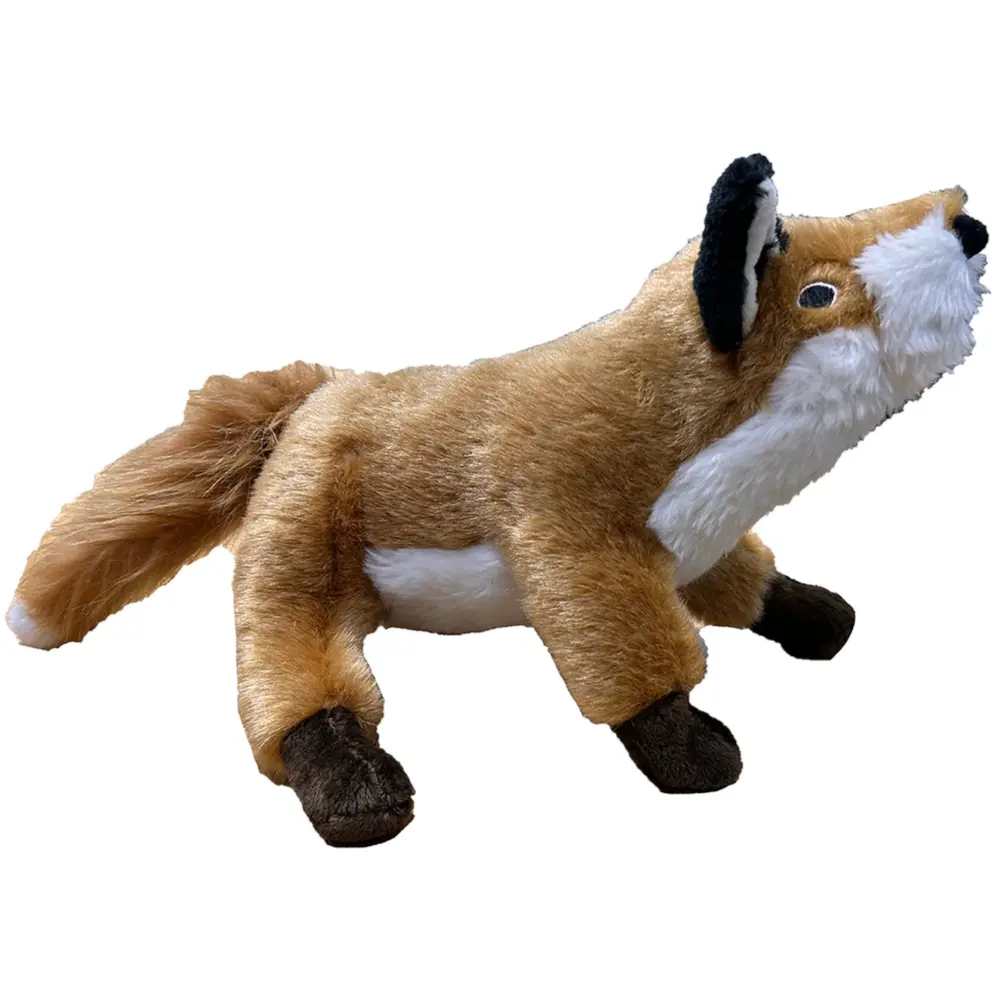
Realistic Plush Fox Dog Toy with Squeaker, View product
$30.95
Why it fits: A soft first fetch toy for gentle to moderate chewers, with a body made for carrying and a 6-inch tail that is easy to grab from the floor.
-
Fire Hose Crocodile Dog Toy, View product
$30.95
Why it fits: A tougher fetch toy for dogs who chomp on the way back, with 26 inches of stuffing-free fire hose and squeakers that survive punctures.


A dog who shreds plush should fetch the crocodile, though a very small dog may find 26 inches awkward to carry. Look each toy over after a session and throw it out when a seam splits or the squeaker is exposed. Both are in our toys and play range.
How to teach a dog to fetch, step by step
Fetch is really three skills in a row: chasing the toy, bringing it back and letting go of it. Teach them in that order, indoors first, in sessions of a few minutes.
- One fetch toy, plus a second your dog likes about as much, for the swap described below.
- Tiny, soft treats worth working for. Take them out of the day’s food allowance.
- A hallway or long room with grip underfoot. Carpet or a runner keeps a sprinting dog from skidding; indoor games for dogs covers floors and space.
- A quiet moment when your dog is alert, not worn out from a long walk or just fed.
If your dog won’t pick the toy up
Some dogs have never learned what to do with a toy. The AKC’s article on how to teach your dog to fetch starts these dogs with a hold: reward any interest in the toy, then a sniff, then a mouth on it, and slowly build how long they keep it there before the treat. It favors many short holds over one long one. Once your dog holds the toy for a few seconds, move on to throws.
Short throws and a happy return
- Kneel at one end of the hallway. Wiggle the toy along the floor until your dog wants it, then toss it low and short, three or four feet away.
- The moment your dog picks it up, praise in a bright voice and shuffle backward or crouch down. Moving away invites your dog to follow; leaning in invites keep-away.
- When your dog reaches you, keep your hands still. Hold a treat by their nose, and as the toy drops, say yes, hand over the treat and pick up the toy.
- Throw again straight away. For a dog who loves the chase, the next throw is the best reward there is, and it teaches that handing the toy over restarts the fun.
- Stop after three to five throws, while your dog is still keen. Several short sessions through the day work better than one long one.
- Once your dog brings the toy back most of the time, say a cue such as get it as you throw, and give just before the drop.
- Add distance a few feet at a time. If the returns get sloppy, go back to the last distance that worked.
When your dog won’t bring the toy back
Plenty of dogs love the chase and have no interest in the return. They take the toy to their bed, or wait just out of reach for you to come and get it. Don’t. VCA Animal Hospitals’ advice on dog play and training warns that games in which you chase your dog teach them to avoid coming when called. A dog who brings a toy over and then dances off as you reach is usually inviting exactly that chase; why your dog brings you toys explains what the different deliveries mean. For fetch, these habits help:
- Turn the other way. Take a few quick steps backward, crouch or clap. Most dogs follow movement away from them.
- Use the hallway as a funnel. Close side doors so the only interesting place to go is back toward you.
- Don’t end the game on every return. If giving up the toy always means it disappears into a cupboard, keeping it is the smart move.
- Stay low and still. A hand reaching over your dog’s head often sends them dodging.
The two-toy swap
This is a fetch version of what VCA calls the Get It and Give game, played with two toys of equal value. It turns keep-away into taking turns:
- Throw the first toy. As your dog picks it up, show the second toy and make it come alive: wiggle it on the floor or squeak it.
- When your dog drops the first toy to come for the second, throw the second one the other way.
- While your dog chases it, pick up the first toy. Repeat, swapping back and forth.
- Once you can predict the moment your dog lets go, say give just before it happens, and get it as they head for the new throw.
- Over later sessions, hold the second toy still until your dog brings the first one closer, then all the way to your hand.
Teaching a drop cue without a tug-of-war
The quickest way to ruin a drop is to pull. Take hold of a toy in your dog’s mouth and many dogs grip harder, because to them a pull is an invitation to tug. Teach the release as a trade instead, adapted from the AKC’s game for teaching your dog to trade:
- While your dog holds the toy, put a tasty treat right by their nose. Don’t touch the toy.
- The instant the toy hits the floor, mark it with yes and let your dog have the treat. Scoop up the toy while they chew.
- Give the toy straight back or throw it, so your dog learns that letting go is how the toy comes back.
- When the drop is quick and predictable, say your cue, such as drop or give, just before you show the treat.
- Then wait a few seconds after the cue before the treat appears, so your dog starts answering the word rather than the food.
If your dog clamps down when you touch the toy, let your hand go still and wait; pulling back keeps the tug going. A tug lover can earn a few seconds of gentle tug for each return, ended with the same trade.
Safety note
Never pry your dog’s mouth open or chase them for the toy. The AKC warns that getting physical can lead a dog to bite, and that trade games aren’t for a dog who already guards possessions. If your dog goes stiff, stares or growls over a toy, stop and ask your veterinarian to rule out pain and recommend a certified trainer or a veterinary behaviorist.
Moving fetch outdoors on a long line
Many dogs who fetch beautifully in the hallway forget half of it outside, where every smell competes with the toy. Expect to start over with short throws, and choose the quietest place and time you can: a fenced yard, or a corner of the park early in the morning.
- No fence? Use a long line. The AKC’s guide to whether your dog is ready to be off leash says to clip it to a well-fitted back-clip harness, not a collar, so your dog doesn’t strain their neck.
- Let it trail on open grass and step on it to slow your dog. A line running through your hands can burn them, so never grab it at speed or wrap it around your fingers.
- Check local leash rules. The same AKC guide notes that some places don’t allow leashes longer than six feet. Off-leash fetch belongs only where it’s allowed, once your dog returns reliably.
- Pick your moment and direction. A thrown toy can start a squabble, so wait until loose dogs have moved on, and throw away from roads, steep banks and water.
Once the basic game holds up outside, our backyard games add fetch variations with waits and searches.
Troubleshooting common fetch problems
Many fetch problems trace back to four habits: throwing too far too soon, chasing the dog, grabbing the toy and ending the game on every return. Fix those first.
Drops the toy halfway back
Go back to throws so short that your dog is almost at your feet when they pick the toy up, and reward drops right in front of you. If the toy still falls early, a few days of hold practice usually helps.
Gets wound up or grabs at hands
Slow the game down. Ask for a sit before each throw, pause between rounds and stop for a few seconds whenever teeth touch skin. Finish on purpose: VCA suggests announcing all done and switching to a different game, such as tricks for treats.
Loses interest after a few throws
That can be fine. Short sessions and a toy reserved for fetch keep the game special. If a once-keen dog stops picking up toys, running or playing, mention it to your veterinarian, since a sore mouth or stiff joints can make fetching uncomfortable.
How much fetch is enough, and when to stop
There’s no single number. VCA notes that the right length and type of play depends on a dog’s age, development, behavior and physical health. Play in short sets with a rest in between, and quit while your dog is still keen. Some keen retrievers will keep going long after they’re tired, so the end of the game is your call; how much playtime a dog needs covers the signs of too little and too much.
- Puppies: short, low throws on grass or carpet, with plenty of rests. Ask your veterinarian how much running suits your puppy’s age and size.
- Seniors and stiff dogs: rolled throws instead of long sprints, fewer sharp turns, and a word with your veterinarian before adding running games.
- Any dog: keep throws low. Leaping for a toy in midair is a different game; see how to teach a dog to catch.
Hot days and water fetch
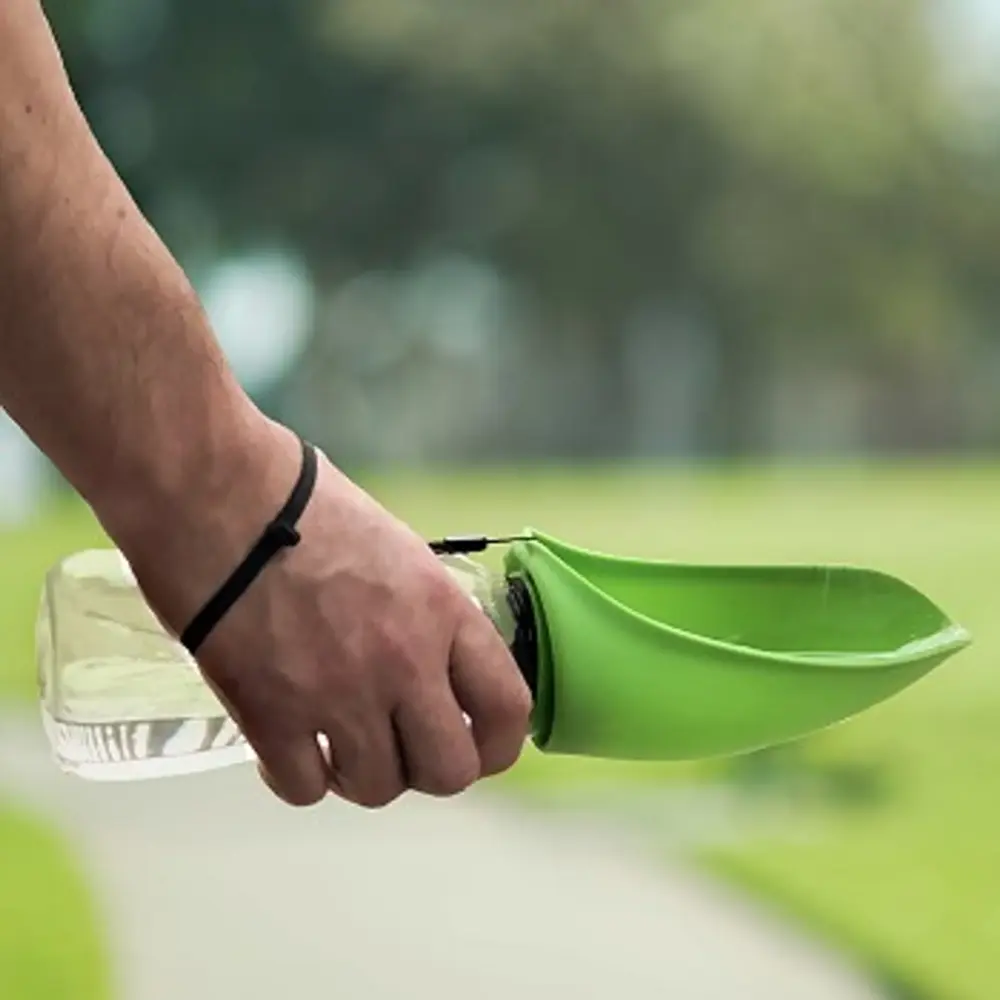
The AKC’s page on overheating in dogs notes that even well-conditioned dogs can overheat when they exercise on hot days, and that dogs with short snouts, thick or dark coats, older dogs and overweight dogs are at higher risk. On warm days, save fetch for the cooler ends of the day, play in the shade and stop for a drink every few throws. The Flipo Fold-A-Bowl water bottle, with a cover that doubles as a bowl, saves a trip back to the house for each drink.
Fetch in a lake or pool has its own risk. The AKC’s article on water intoxication lists water retrieving among the ways dogs take in too much water and notes that small dogs are at greater risk. It recommends frequent rest breaks and a flatter toy, such as a flying disc, that lets a dog close their mouth more fully; neither of our two toys is sold for water play. Lethargy, bloating, vomiting, wobbliness or pale gums after water play mean a trip to a veterinarian or emergency clinic right away.
Safety note
Frantic panting, bright red gums or tongue, labored breathing or weakness means fetch is over. Get your dog somewhere cool, soak the coat right down to the skin with cool water, never ice-cold, and phone your veterinarian. The AKC advises a veterinary visit even when a dog appears to bounce back.
A dog who will not stop is a different problem from one who will not start. Are ball launchers bad for dogs covers how much repetitive fetch a body can take and how to pace a session.
Dogs who aren’t natural retrievers
The AKC’s fetch guide notes that fetch comes naturally to many dogs, such as retrievers, but not to every dog, and that some never played with toys as puppies and simply don’t know what to do with one. That isn’t a training failure or a sign your dog cares less about you. A few ways in:
- Start with carrying. Use the hold steps above, then reward any walk toward you with the toy and shape that into a return.
- Pay with their favorite reward. A treat, a few seconds of tug or a sniff break can all pay for a return. Over time, the next throw becomes part of the reward.
- Accept a different game. Some dogs would always rather sniff, chase or tug. Two good returns and a break beat ten half-hearted throws, and a game your dog enjoys beats both.
Once your dog fetches reliably, asking for a toy by name is a natural next step: see how to teach a dog the names of toys.
Related guides
-
Guide
Backyard Games for Dogs: Nose Games, Fetch, Tug and Obstacle Courses
Letting your dog out isn’t the same as playing together. Start with a quick yard safety check, then rotate nose games, fetch variations, tug on dry ground, a low homemade obstacle course and summer water play that stays safe, matched to your dog’s age.
-
How-to
How to Teach Your Dog the Names of Toys, One Toy at a Time
A step-by-step naming game: one favorite toy and one name, then household distractions, a second toy and a real choice between two. See what to realistically expect, how to tell whether your dog knows the word or is reading you, and how to fix guessing and favorite-grabbing.
-
Comparison
Stuffed vs Stuffing-Free Dog Toys: Which Lasts, Which Is Safer
Both are plush toys, and they fail in completely different ways. This comparison covers why dogs gut a stuffed toy, what stuffing-free versions gain and lose, how layer counts change durability, and which one suits the way your own dog plays.