Walking & Training
Good walks start with gear that fits, the right things in your pocket and a little practice. Begin with how to measure a dog for a harness, collar or coat, then use the dog walking essentials checklist to pack for every walk, including after dark.
If your dog drags you down the street, the short-session plan to stop leash pulling is the place to start. Walking a cat? This topic also has a slow, week-by-week harness plan. The harnesses, collars and leashes these guides mention are in reflective dog walking gear.
-
Comparison
Head Halter vs Front-Clip Harness: Which Helps a Dog Who Pulls?
A head halter turns your dog’s head; a front-clip harness turns the shoulders. Compare how each steers a puller, why a halter needs a slow introduction and a backup clip, which dogs suit each, and why neither replaces loose-leash training.
-
Checklist
First Walks With a Rescue Dog: ID, Fit and a Calm Route
A newly adopted adult dog can bolt at the first fright. Sort the ID tag, microchip and a collar-plus-harness setup before you step out, then build up from potty trips to short, quiet loops while you learn your dog's stress signals.
-
How-to
Dog Won’t Pee on a Leash? How to Teach Leash Potty Breaks
Some dogs hold it through every walk, then go in the yard or back inside. Why it happens, when to call your veterinarian, and a step-by-step plan: one quiet spot, a slack leash, a potty cue and a reward on the spot.
-
Comparison
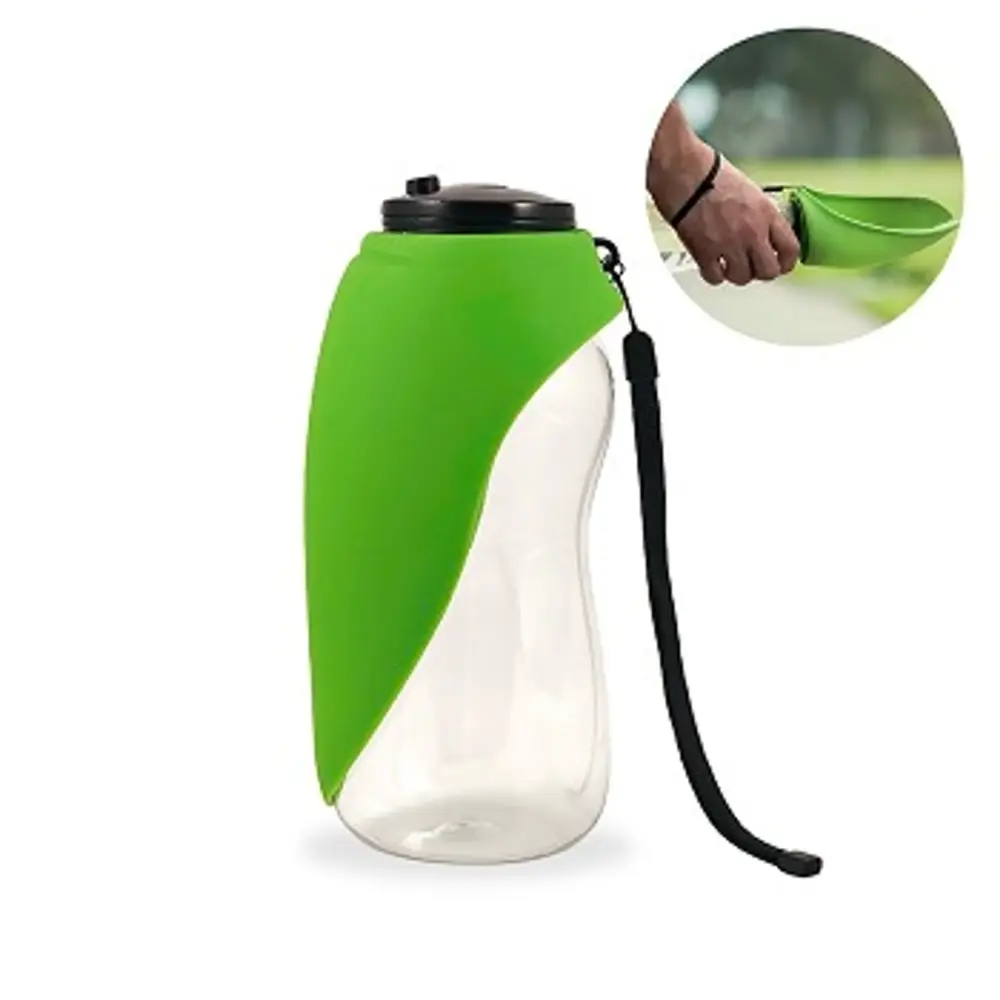
Dog Water Bottle vs Collapsible Bowl: Which Works Better on Walks?
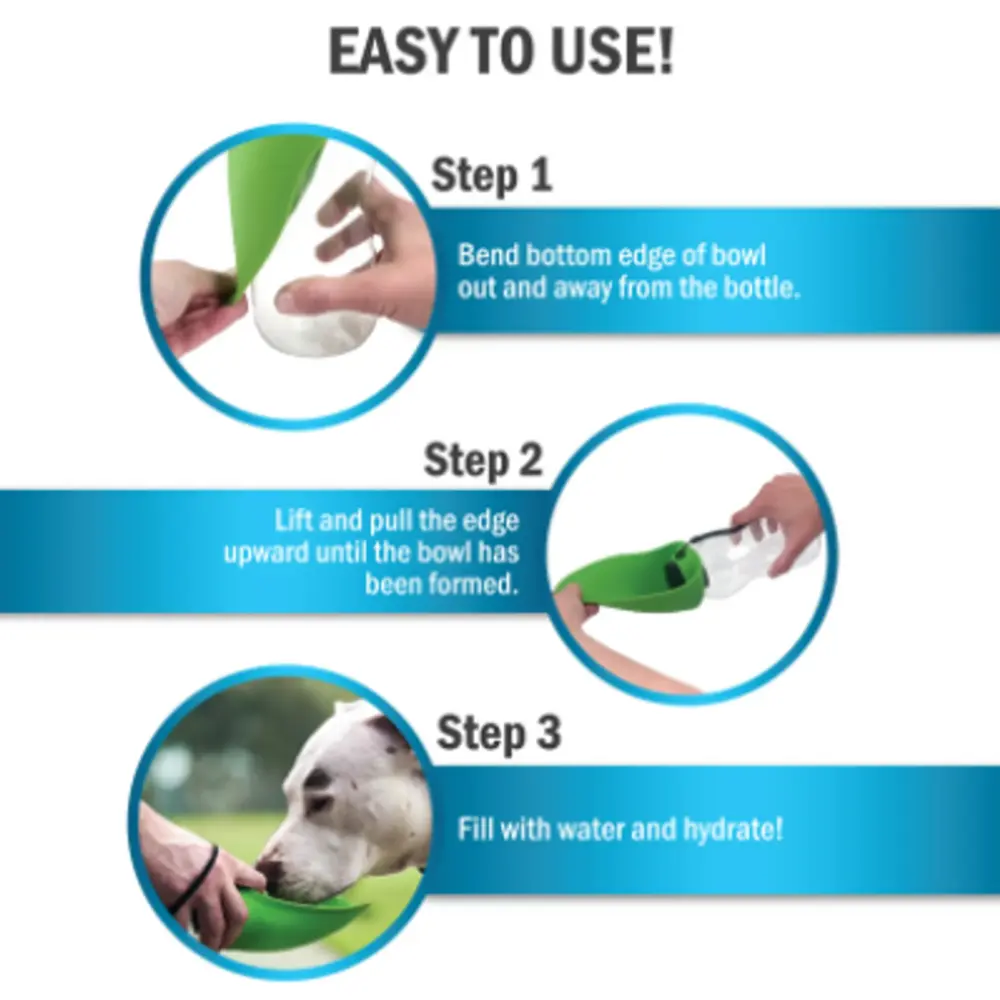
A bottle with a built-in bowl suits one-handed city walks and quick stops; a collapsible bowl and your own bottle suit big dogs, two dogs and long, hot days. Compare the three formats side by side, see which fits each outing, and learn how to keep each one clean.
-
Guide
Dog Walking Games: Sniff Breaks, Find-It and Loose-Leash Play
Bored of the same loop? Give part of every walk to your dog's nose, then add one game: find-it with a tossed treat, connect the dots, chase me or a curb wait. Plus low bench tricks, new routes and how to match games to puppies, seniors and the weather.
-
Guide
Dog Walking Etiquette: Sidewalk Manners, Greetings and Clean-Up
The unwritten rules of neighborhood dog walks: how short to hold the leash when people pass, keeping off lawns and gardens, picking up every time, asking before greetings, making room on narrow paths and changing the walk on a bad day.
-
How-to
Dog Refuses to Walk? Why Dogs Stop on Walks and What to Try
When an adult dog plants their feet, the reason is usually pain, fear, the weather, tiredness or gear that rubs. See when to call your veterinarian, how to check the harness, why some dogs stop only on the way home, and a step-by-step way to get moving again.
-
Comparison
Dog Harness vs Collar: Where to Clip the Leash, and When to Use Both
A collar is the place for ID tags; a harness is the better leash point for most dogs. Compare where each puts the pressure, when a collar alone is fine, why toy breeds, flat-faced dogs and puppies do better in a harness, and how to use both together.
-
How-to
Dog Backing Out of Its Harness? How to Stop Slip-Outs
Most harness slip-outs happen in reverse: a startled dog backs up against a tight leash and the harness slides over their head. Here's what to do in the moment, how to add a collar as a second attachment point, how to teach a calm return and what to do if your dog gets loose.
-
Guide
Can a Dog Wear a Harness All the Time? When to Take It Off
A harness is for walks, training and car rides, not for lounging or sleeping. See why straps left on rub, mat the coat and snag in crates, what stays on at home and overnight, the exceptions for travel days and newly adopted dogs, and a one-minute skin check.
-
Checklist
Bringing Your Dog to Work: Readiness, Packing and Etiquette
A checklist for bringing your dog to work: the readiness checks that matter (settling on a mat, polite greetings, ignoring food), the policy and coworker questions to ask first, a desk kit, a break schedule, office etiquette and the days your dog should stay home.
-
Comparison
The Best Time to Walk a Dog: Morning, Midday or Evening?
A morning walk suits most dogs: a full bladder, fresh energy and the coolest air of a summer day. Compare morning, midday and evening walks, shift the schedule for summer heat and winter cold, and fit walks around office hours, shifts and working from home.